Optimizing Ocean Freight Operations in a Digital Era
Saturday, August 29 2026
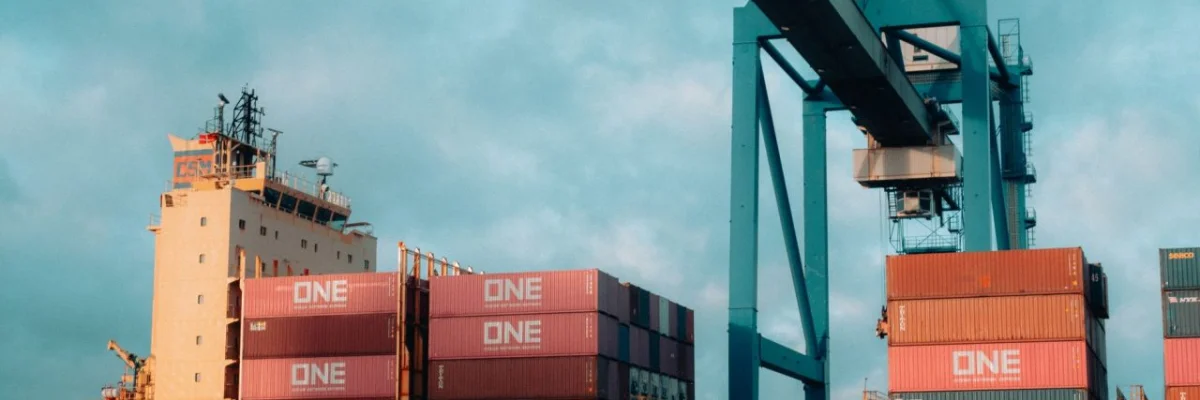
Modern ocean freight faces unprecedented complexity driven by fluctuating global demand, port congestion, and evolving carrier alliances. Freight forwarders must navigate these challenges by leveraging advanced cloud technology to maintain visibility and efficiency across the supply chain. As margins tighten and clients demand real-time transparency, the shift from legacy manual processes to integrated software solutions becomes non-negotiable. By centralizing data and automating routine tasks, forwarders can reclaim valuable time to focus on strategic client relationships. Embracing digital transformation is no longer a luxury but a fundamental necessity for staying competitive and profitable in the vast and turbulent international shipping market.
Leveraging Real-time Tracking Tools
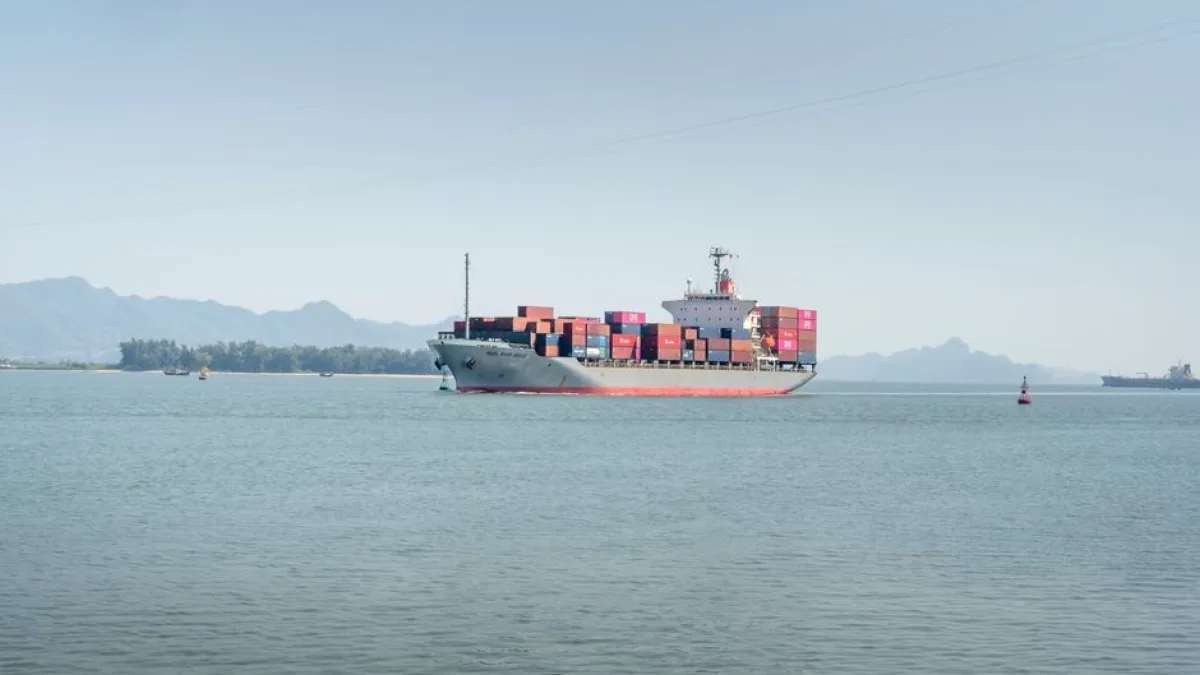
Real-time visibility serves as the backbone of modern freight operations, allowing forwarders to monitor shipments across vast oceans. By tracking vessel locations and port arrival times constantly, teams can proactively manage disruptions and provide clients with accurate, updated shipment statuses.
- Enhanced Visibility Levels: Digital tracking tools offer granular insights into container movements across international waters, ensuring stakeholders remain informed about precise vessel locations and potential scheduling delays throughout the journey.
- Proactive Issue Management: Access to live data streams empowers logistics teams to identify bottlenecks early, allowing them to implement contingency plans before minor issues escalate into costly supply chain failures.
- Automated Status Alerts: Modern software platforms automatically notify customers about milestone achievements or shipment anomalies, significantly reducing manual communication efforts and increasing overall transparency for your logistics service partners.
- Improved Client Trust: Sharing precise tracking links builds lasting professional credibility, proving that your firm prioritizes transparency and reliability while delivering superior cargo management solutions in a demanding marketplace.
Adopting sophisticated tracking software transforms how freight forwarders interact with their clients and vendors on a daily basis. Instead of reacting to problems after they occur, logistics professionals can anticipate delays and manage expectations with precision. This shift from reactive to proactive communication defines the difference between a struggling business and a market leader in the competitive landscape of modern global trade.
Streamlining Documentation Workflow Processes

Paperwork remains one of the most time-consuming aspects of ocean freight forwarding, often leading to administrative bottlenecks. Streamlined documentation platforms reduce manual errors by digitizing bills of lading and invoices, ensuring that all regulatory information remains compliant and accessible.
- Digital Document Centralization: Cloud platforms aggregate all essential shipping documents into one accessible portal, eliminating the need for fragmented email chains and reducing the risk of lost paperwork.
- Error Reduction Automation: Automated validation tools cross-reference shipping data against customs requirements, identifying discrepancies instantly to prevent fines or costly delays during the complex international clearance procedures.
- Faster Clearance Times: Electronic transmission of documents to port authorities and customs brokers significantly accelerates cargo processing, helping to move goods through major terminals with greater speed and efficiency.
- Audit Trail Integrity: Maintaining a comprehensive digital history of all shipping modifications provides complete accountability, simplifying internal audits and ensuring total adherence to international maritime law standards.
Optimizing document workflows is essential for scaling a logistics business without increasing overhead costs. By automating the capture and processing of critical shipping files, forwarders reduce the administrative burden on their staff. This efficiency allows team members to prioritize complex problem solving over repetitive data entry tasks, directly improving the bottom line and increasing service speed for your clients.
Managing Carrier Performance and Capacity
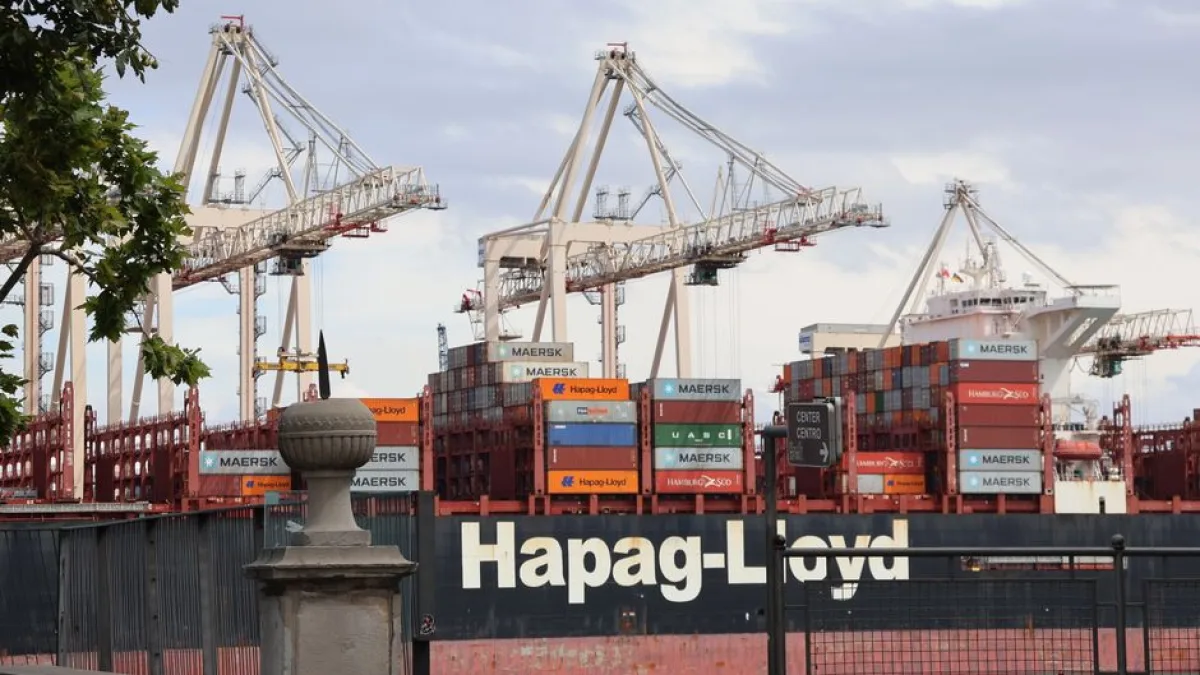
Selecting the right ocean carriers requires careful analysis of performance metrics and available capacity. Forwarders must continuously evaluate transit times and equipment availability to ensure that they are securing the most reliable service options for their diverse international shipping clients.
- Data-Driven Carrier Selection: Analyzing historical performance reports allows forwarders to identify which carriers consistently meet transit time promises, ensuring better service quality for time-sensitive cargo shipments across regions.
- Capacity Planning Strategies: Advanced software tools track available container space across various alliances, helping logistics managers secure necessary allocations during peak seasons to prevent significant shipment delays.
- Competitive Rate Analysis: Integrated platforms compare real-time spot rates and contract pricing across multiple carriers, enabling your procurement team to secure the most cost-effective shipping solutions available today.
- Service Level Tracking: Monitoring key performance indicators like space guarantee reliability and equipment availability helps forwarders hold carriers accountable, fostering stronger long-term partnerships that benefit your entire logistics network.
Strategic carrier management balances the need for cost savings with the requirement for consistent service levels. By utilizing a centralized platform to monitor performance data, freight forwarders gain the leverage needed to negotiate better contracts and select optimal routing options. This intelligent approach ensures that shipments move smoothly, even during periods of extreme market volatility or limited equipment availability at major ports.
Enhancing Financial Control and Visibility

Financial health determines the longevity of any freight forwarding firm, making precise revenue management a primary goal. Integrating accounting features within shipping software ensures that every cost is captured, billed correctly, and reconciled against the original customer quotes to maximize profitability.
- Accurate Cost Allocation: Automated systems capture every ancillary charge incurred during the shipping process, ensuring that costs are billed back accurately to clients without any overlooked expenses or revenue.
- Automated Invoicing Cycles: Digitizing the billing process minimizes the time between shipment completion and payment receipt, significantly improving cash flow management and reducing the need for manual reconciliation.
- Profitability Analysis Tools: Real-time dashboards provide deep insights into shipment-level profitability, allowing managers to identify which trade lanes or client profiles provide the best margins for growth.
- Unified Financial Reporting: Centralizing data from operations and accounting departments creates a single source of truth for fiscal reports, simplifying tax preparation and strategic long-term business planning.
Robust financial oversight allows freight forwarders to make informed decisions based on real data rather than intuition. By automating the connection between operational activities and bottom-line results, businesses gain the agility to adjust pricing strategies or service offerings instantly. This financial clarity is the foundation for sustainable growth, ensuring that your organization remains profitable and ready to handle the next industry shift.
Conclusion
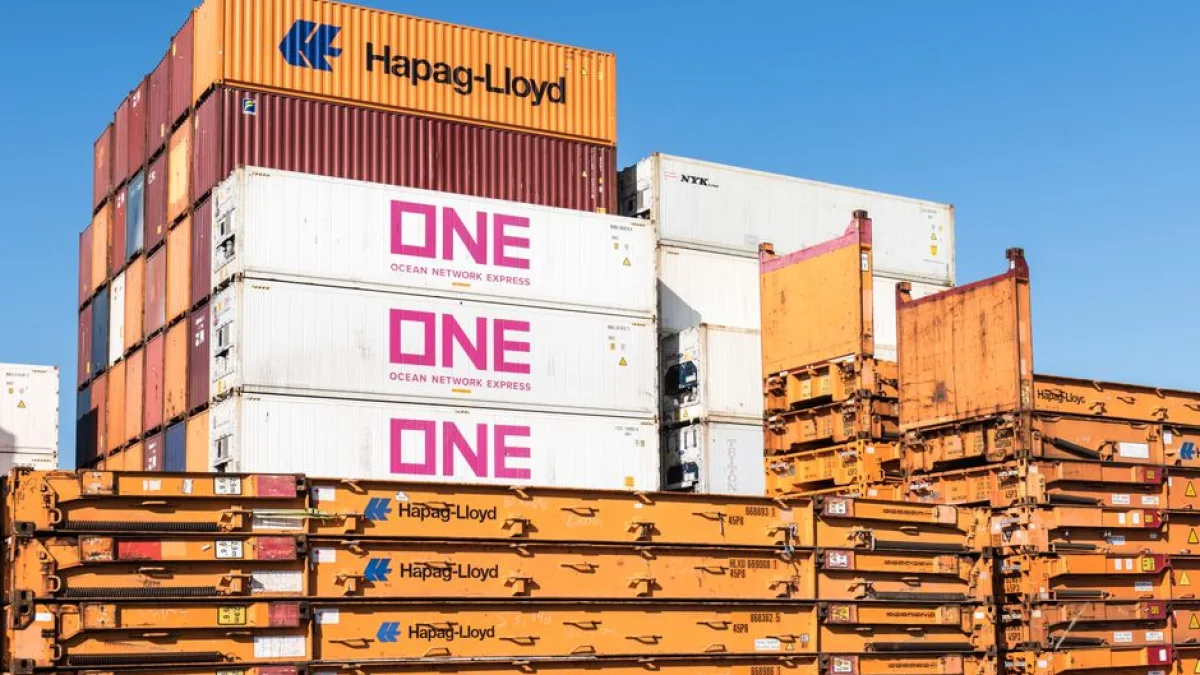
Mastering ocean freight requires a blend of technology and strategic foresight. By integrating automated tools, improving documentation workflows, and maintaining tight control over finances, freight forwarders can successfully navigate the complexities of global trade. These investments not only streamline daily operations but also position your business for long-term scalability. Reach out to the MakeCargo team today to optimize your logistics operations and achieve excellence.