Optimizing Ocean Freight Operations in a Digital Era
Monday, August 31 2026

Navigating the complex landscape of global ocean freight requires more than just traditional logistics knowledge in today's fast paced environment. As supply chain demands intensify, freight forwarders must adapt to fluctuating market conditions and increasing customer expectations for real time visibility. The integration of advanced digital platforms has transformed how companies manage bookings, documentation, and carrier communication. By moving away from manual, legacy systems, modern businesses can unlock significant operational efficiencies. This article explores how adopting smarter workflows and leveraging cloud-based technologies empowers professionals to overcome common industry challenges and scale their operations while maintaining high service levels for all global clients.
Modernizing Documentation Processes
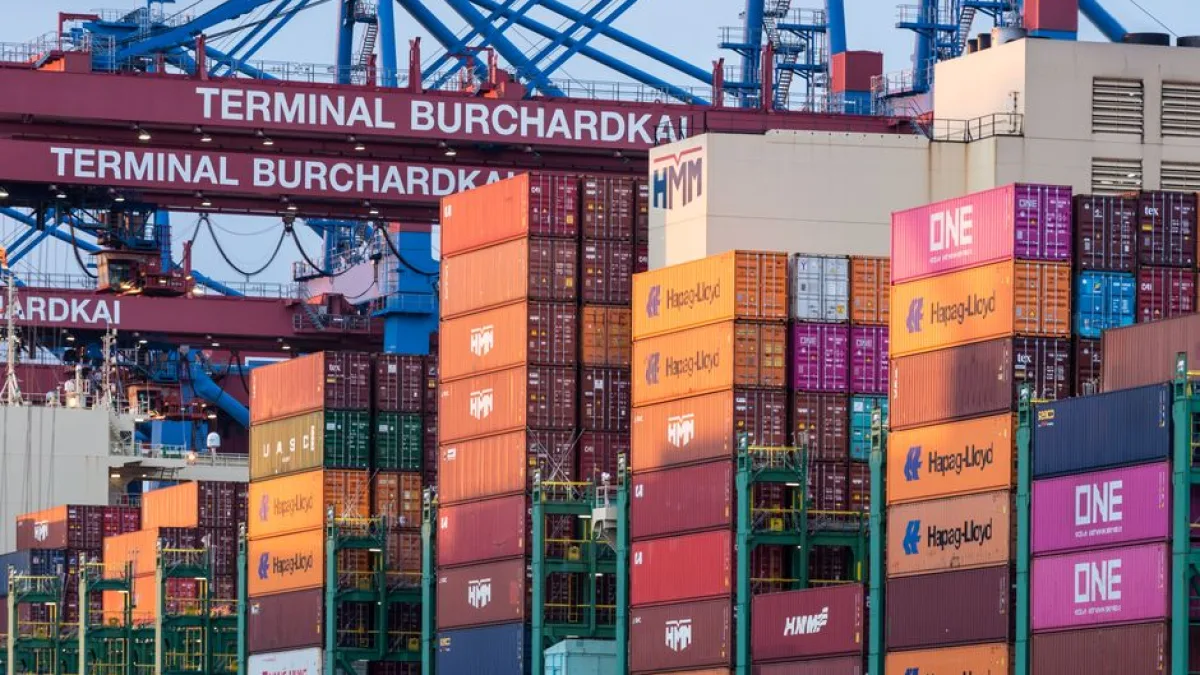
Digital transformation begins with the digitization of heavy paperwork tasks that often bottleneck ocean freight workflows. By automating the creation of bills of lading and commercial invoices, forwarders can significantly reduce processing time while minimizing errors that lead to costly delays.
- Automated Data Entry: Implement smart software that automatically extracts critical information from scanned documents to eliminate manual re-typing and reduce the risk of human error during intense busy periods.
- Centralized Document Storage: Maintain a single cloud-based repository where all shipment records are stored securely, allowing team members to access vital documentation from any location around the world instantly.
- Digital Signature Integration: Utilize electronic signature tools to expedite the approval process for complex shipping documents, ensuring that every stakeholder signs off on critical paperwork without physical delays.
- Compliance Tracking Tools: Leverage automated alerts that notify your team about changing regulatory requirements in different jurisdictions, helping your business maintain full compliance throughout the entire shipping cycle.
Transitioning to a paperless environment allows your team to focus on strategic growth rather than administrative burdens. When documentation flows seamlessly between partners, the risk of disputes decreases, and customer satisfaction rises. Adopting these digital solutions creates a competitive advantage that is essential in a crowded market. You will find that staff morale improves when they are no longer drowning in repetitive, manual tasks every day.
Real-Time Cargo Visibility

Customers today expect immediate updates on the exact location and status of their cargo shipments across the ocean. Providing transparent, live tracking data helps build long-term trust and differentiates your logistics services from competitors who rely on delayed email updates.
- Live Vessel Tracking: Integrate live GPS satellite feeds directly into your customer portal to provide precise container location updates that remove uncertainty during long-haul ocean transit phases.
- Automated Status Alerts: Configure your system to push proactive notifications to clients whenever a container reaches a major milestone, such as arrival at port or customs clearance completion.
- Exception Management Alerts: Receive instant notifications regarding unexpected delays or weather events, allowing your operations team to address potential issues before they escalate into major customer complaints.
- Interactive Client Portals: Offer your shipping clients a self-service dashboard where they can view shipment health, historical data, and current vessel schedules at their own personal convenience.
Enhanced visibility turns your logistics operations into a proactive service rather than a reactive one. By keeping clients informed before they even ask for an update, you establish your company as a reliable partner. This level of transparency reduces the volume of support tickets and enables better planning for downstream supply chain activities. Data-driven insights ultimately empower your clients to optimize their inventory management cycles effectively.
Optimizing Carrier Management
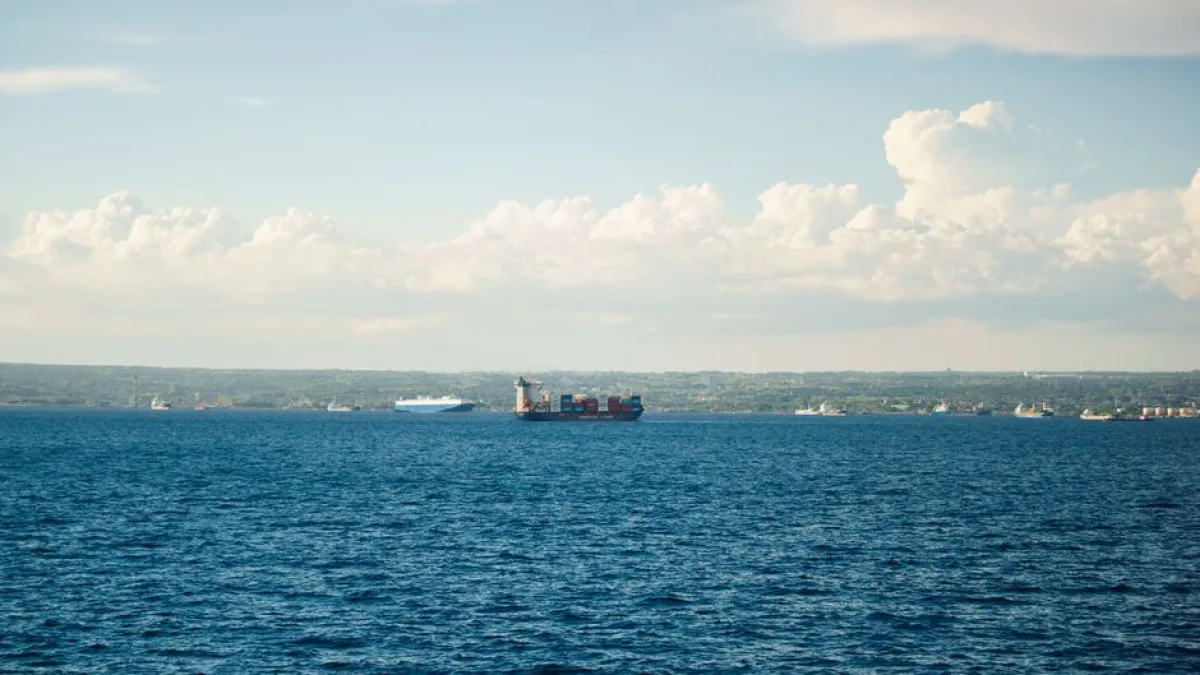
Managing multiple ocean carriers effectively requires robust communication channels and standardized performance metrics. A cloud-based platform allows you to compare carrier rates and historical performance data to make informed decisions that benefit your bottom line and improve shipment reliability.
- Performance Analytics Dashboards: Analyze historical carrier data to identify which shipping lines provide the most reliable transit times and competitive pricing for your specific high-volume trade lanes.
- Streamlined Rate Management: Consolidate all carrier quotes and contract rates into one accessible database to ensure your team always selects the most cost-effective routing options available.
- Seamless Booking Integration: Use direct API connections to push booking requests to carriers, eliminating the need for separate portals and ensuring data consistency across all shipping platforms.
- Communication Audit Trails: Log all interactions with shipping lines inside your management software to ensure that disputes over surcharges or accessorial fees are resolved with clear, documented evidence.
Building strong carrier relationships is a vital component of sustainable ocean freight success. When you use data to hold carriers accountable, you gain better negotiation power for future contract renewals. Providing clear, error-free booking information also makes you a preferred partner for the shipping lines, which can lead to priority handling during peak seasons. Consistency remains the key to maintaining stable, long-term carrier cooperation.
Scaling Through Cloud Integration

The cloud is the backbone of modern freight forwarding, enabling global teams to collaborate in real time. Scalable software solutions allow your business to grow without the need for massive hardware investments or complex on-site server maintenance for your IT team.
- Remote Work Capability: Empower your staff to handle complex ocean freight operations from any location with an internet connection, ensuring business continuity during unforeseen global disruptions or crises.
- Scalable Cloud Infrastructure: Easily add new users and features to your software suite as your company expands into new international markets or manages larger cargo volumes.
- System Interoperability Standards: Choose cloud platforms that offer robust API connections to sync data with accounting software, warehouse management systems, and other critical logistics software tools used.
- Enhanced Data Security: Rely on enterprise-grade cloud security features, including regular automated backups and advanced encryption, to protect your sensitive business information from cyber threats and loss.
Choosing the right cloud infrastructure ensures that your business stays agile and resilient in a changing industry. By centralizing operations, you reduce silos and encourage cross-departmental collaboration that drives productivity. As you scale, the flexibility of the cloud allows you to pivot your business model to meet new market demands quickly. Investing in the right technology is the most effective way to guarantee longevity.
Conclusion

Success in ocean freight management requires embracing digital tools that prioritize efficiency, transparency, and collaboration. By modernizing your documentation, improving cargo visibility, and leveraging the power of cloud-based systems, you position your firm for sustainable growth. Start small by auditing your current manual processes and identify areas where automation can provide the most immediate relief to your hardworking operations team today.