Optimizing Ocean Freight Operations in a Digital Era
Monday, August 31 2026
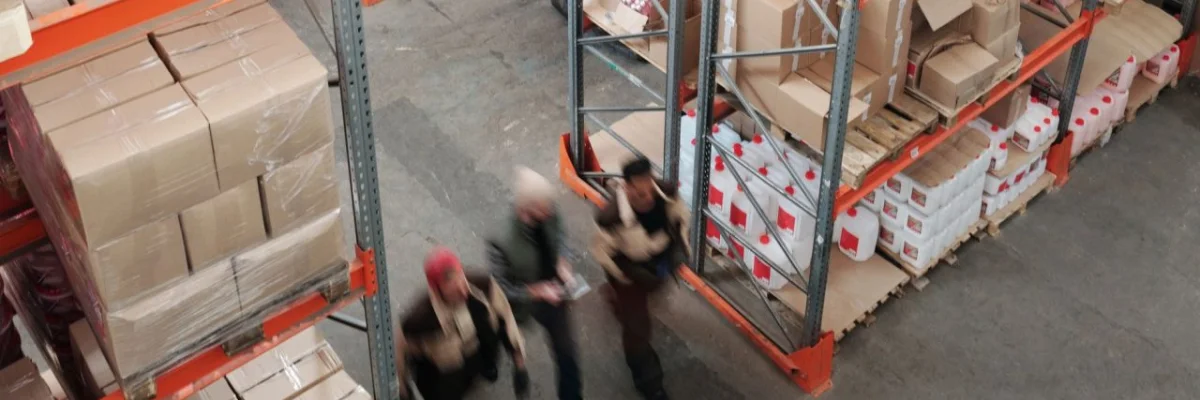
The global maritime industry remains the backbone of international trade, yet freight forwarders face increasing complexity driven by fluctuating capacity, volatile rates, and heightened client demands for transparency. As manual processes give way to digital transformation, companies that leverage cloud-based platforms gain a significant edge in operational efficiency and service reliability. This article explores how modern technology empowers logistics providers to navigate the challenges of ocean freight management while enhancing overall profitability. By embracing data-driven decision making and automation, forwarders can turn traditional logistical bottlenecks into strategic advantages that foster long term growth and customer loyalty in a competitive market.
Modernizing Shipment Visibility
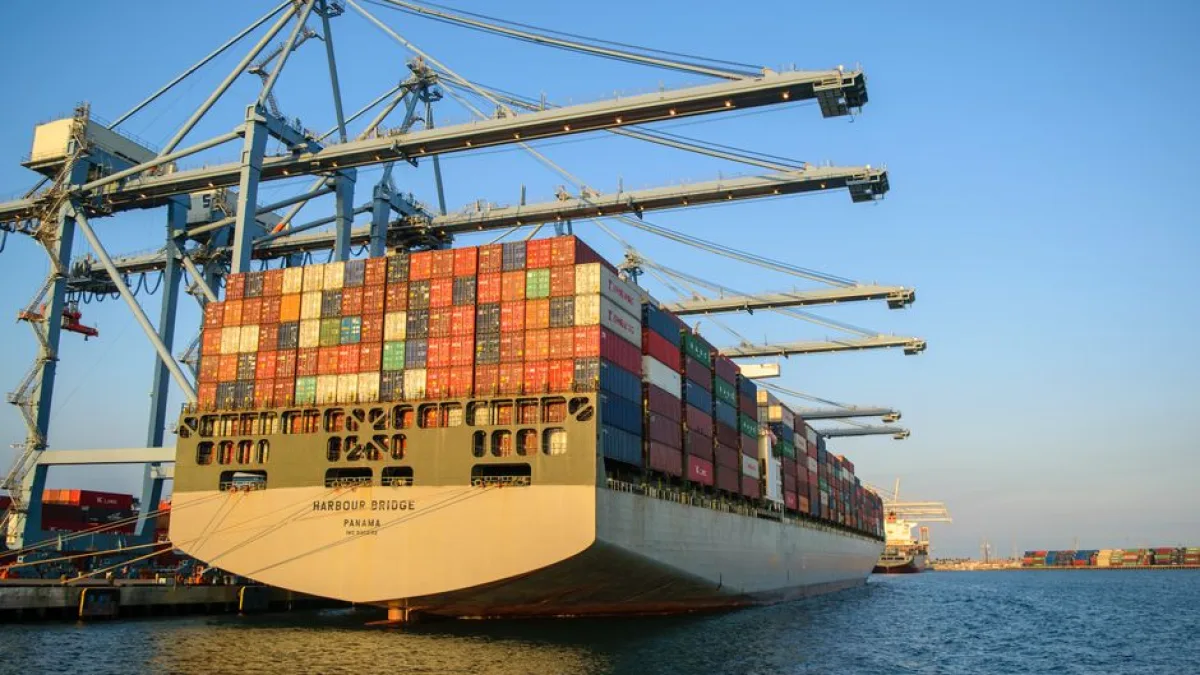
Real time tracking and shipment visibility have evolved from luxury services into essential requirements for modern shippers. Digital platforms now allow freight forwarders to provide their clients with granular status updates, reducing the volume of manual inquiries and improving overall operational trust.
- Automated status updates: Cloud systems integrate directly with carrier EDI feeds to push real time tracking data, ensuring that customers receive accurate and timely shipment notifications without manual intervention.
- Centralized document management: Storing all bills of lading, commercial invoices, and packing lists in a single digital repository minimizes errors and speeds up the customs clearance process significantly.
- Proactive delay alerts: Advanced notification systems identify potential transit disruptions early, allowing forwarding teams to communicate proactively with stakeholders and implement contingency plans before critical deadlines are missed.
- Data synchronization tools: Seamless integration between warehouse management systems and freight platforms ensures that inventory data is always accurate, preventing expensive stock discrepancies during complex ocean transit operations.
Achieving total visibility is not just about knowing where a container is located. It is about equipping your team with the analytical tools needed to predict delays and manage exceptions before they impact your customers. By centralizing information within a cloud platform, you eliminate data silos and create a unified workflow that empowers your staff to focus on solving problems instead of searching for lost documentation.
Streamlining Carrier Negotiations
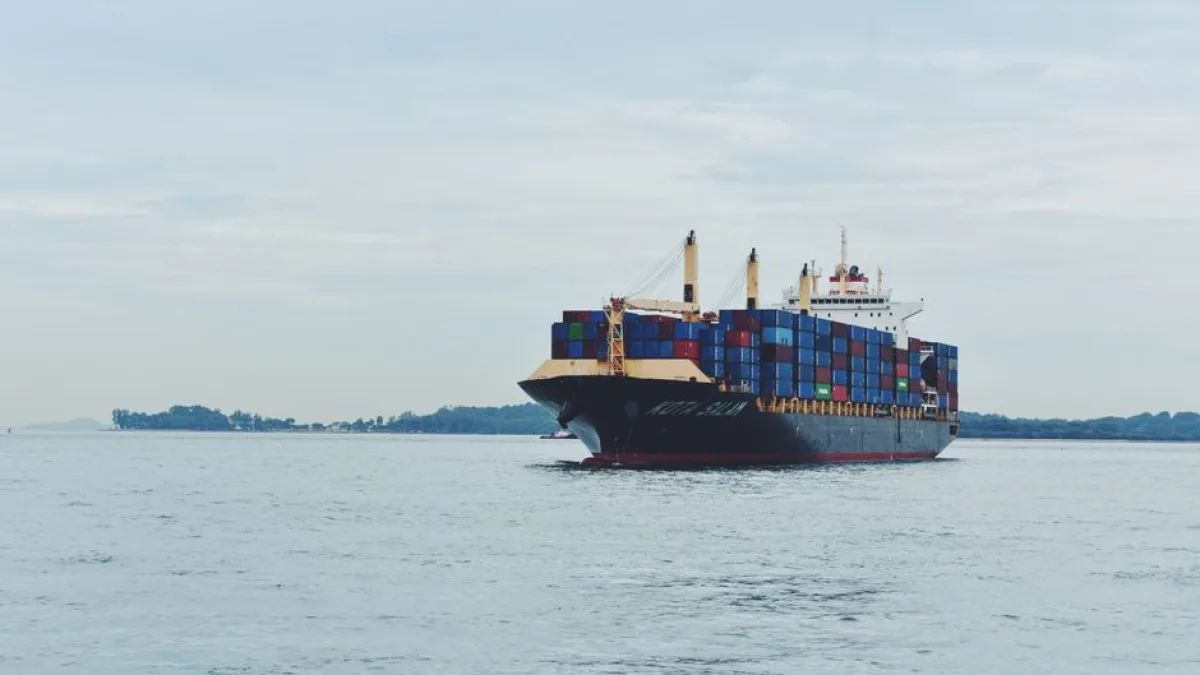
Managing multiple carrier contracts requires a strategic approach to capacity procurement. Freight forwarders who utilize digital analysis tools to compare rates and performance metrics can negotiate more effectively while securing the most favorable terms for their high volume shipping routes.
- Performance analytics dashboards: Historical data analysis allows forwarders to evaluate carrier reliability, identifying which partners consistently meet transit times and provide the best value for specific trade lanes.
- Dynamic rate management: Digital platforms enable instant comparison of carrier spot rates versus contract rates, ensuring that forwarders always select the most cost effective option for every booking.
- Unified communication channels: Replacing fragmented email threads with integrated messaging tools ensures that all negotiation history is archived and accessible, simplifying the decision making process for procurement managers.
- Volume forecasting accuracy: Predictive analytics help forwarders estimate future shipping volumes, which can be leveraged during contract negotiations to secure better rates and guaranteed space allocations during peak seasons.
The ability to analyze carrier performance against market trends is a game changer for logistics businesses. By moving away from spreadsheets and utilizing cloud software, you gain a clear view of your spend and service quality. This level of clarity strengthens your position during contract renewals and ensures that your operations remain resilient even when global shipping markets experience sudden and unexpected price volatility.
Enhancing Customer Experience

The modern logistics client expects a frictionless experience characterized by speed and digital self service capabilities. Forwarders must focus on creating intuitive client portals that facilitate seamless collaboration and provide instant access to vital information regarding their ocean freight shipments and financial records.
- Client booking portals: Providing customers with an online interface to initiate bookings and upload documentation saves time for both parties while reducing the risk of human data entry errors.
- Customized performance reports: Automated reporting tools allow forwarders to deliver personalized metrics to clients, demonstrating value through transparent data and detailed analysis of their shipping patterns and costs.
- Financial transparency tools: Integrated billing modules enable clients to view invoices, track payments, and manage credit limits directly through their portal, streamlining the accounts receivable process for forwarding agencies.
- Mobile accessibility features: Ensuring that logistics platforms are optimized for mobile devices allows clients to monitor their shipments and communicate with their service providers from any location globally.
Investing in your client interface is an investment in your company reputation. When customers can self serve and access their own data, your account management team is freed from administrative tasks and can focus on providing high level consultancy. This shift improves client satisfaction and retention, positioning your business as a modern, technology driven partner capable of supporting their growth in the long term.
Embracing Scalable Automation
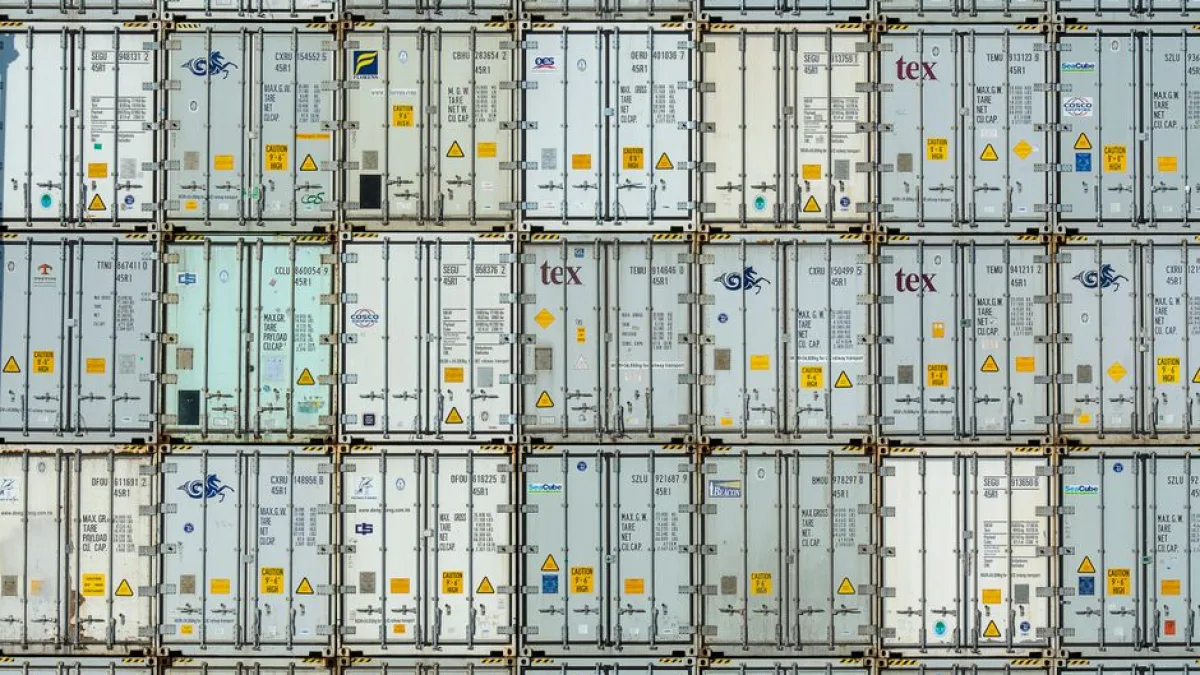
Scaling a freight forwarding business requires robust infrastructure capable of handling increased volume without increasing overhead costs. Automation in ocean freight processes minimizes repetitive manual work, allowing teams to scale their operations while maintaining high standards of accuracy and regulatory compliance across borders.
- Automated freight invoicing: Reducing manual data entry through automated invoice generation and verification decreases billing errors and speeds up the financial cycle for both the company and the customer.
- Workflow rule engines: Customizable rules allow forwarders to automate repetitive tasks like task assignment or document filing, ensuring that no critical shipment step is ever overlooked by staff.
- Regulatory compliance support: Automated filing tools assist in navigating complex customs requirements, helping businesses stay updated with changing international trade laws and minimizing the risk of costly shipping penalties.
- Seamless software integration: Connecting your freight platform with existing CRM or ERP systems creates a unified data flow that eliminates redundant work and provides a holistic business view.
Automation serves as the engine for sustainable growth in the freight industry. By removing the burden of repetitive tasks, you enable your employees to focus on high value activities like business development and complex problem solving. As your shipping volumes grow, a scalable cloud platform ensures your processes remain efficient, consistent, and error free, regardless of how many containers your business moves every single month.
Conclusion

Adopting cloud technology is essential for any freight forwarder seeking to thrive in the modern ocean shipping landscape. By prioritizing visibility, efficient negotiation, customer experience, and scalable automation, your business can significantly improve its operational agility. Start optimizing your digital workflows today to reduce overhead costs, increase client satisfaction, and gain a sustainable competitive advantage in the global market. Transform your operations with MakeCargo today.