Optimizing Ocean Freight Operations in the Digital Age
Tuesday, September 1 2026
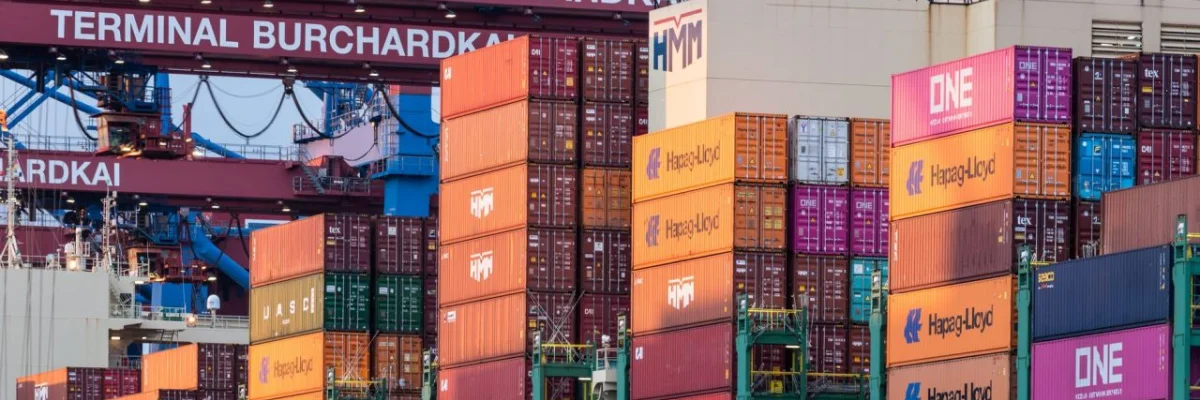
The global shipping industry is undergoing a profound transformation as businesses grapple with fluctuating demand and complex supply chain requirements. For freight forwarders, the ability to maintain visibility across vast ocean networks is no longer just a competitive advantage but a necessity for survival. Navigating international regulations while managing carrier relationships requires sophisticated tools that minimize manual intervention and human error. By leveraging cloud-based platforms, logistics professionals can centralize data flows and enhance decision-making capabilities. This article explores essential strategies for modernizing your ocean freight workflows to drive efficiency, reduce operational costs, and deliver superior service to your global client base.
Digitizing Your Documentation Workflow
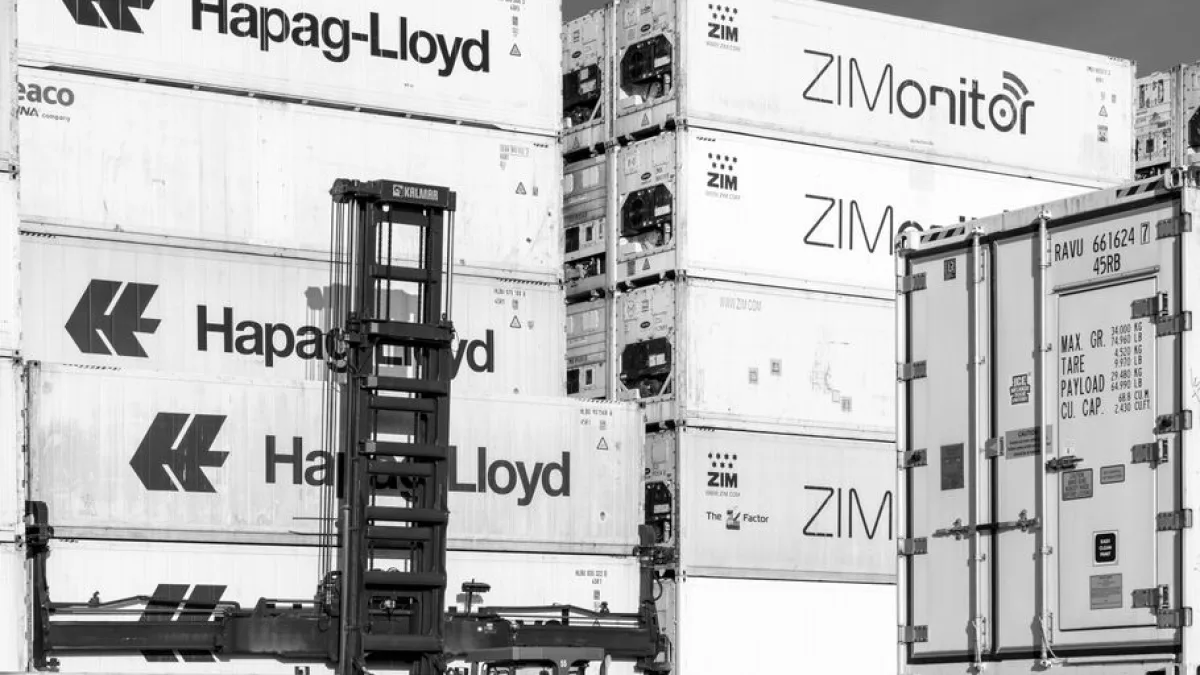
Effective documentation is the backbone of international shipping, yet it remains a primary bottleneck for many forwarding companies. Transitioning from paper records to cloud-managed digital files ensures that critical documents are accessible, secure, and compliant with evolving customs regulations around the world.
- Centralized document storage: Keeping all bills of lading and commercial invoices in a unified cloud platform ensures that your entire team can retrieve accurate information during busy shipping seasons.
- Automated form generation: Utilizing smart templates reduces the time spent on manual data entry tasks while minimizing the risk of costly mistakes that cause significant port delays.
- Secure access controls: Restricting document access based on user roles protects sensitive client information and ensures that only authorized personnel can modify critical shipping records and data.
- Real-time status updates: Sharing digital copies of documentation with partners instantly improves communication transparency and accelerates the customs clearance process for all parties involved in the trade.
Adopting a digital-first approach to documentation transforms how your team handles administrative burdens by reducing physical paperwork. By integrating cloud technology, you enable seamless collaboration across multiple time zones and locations. This shift not only prevents lost files but also establishes a permanent audit trail, providing peace of mind for your team and your clients when regulatory audits occur unexpectedly during the year.
Enhancing Real-Time Cargo Visibility
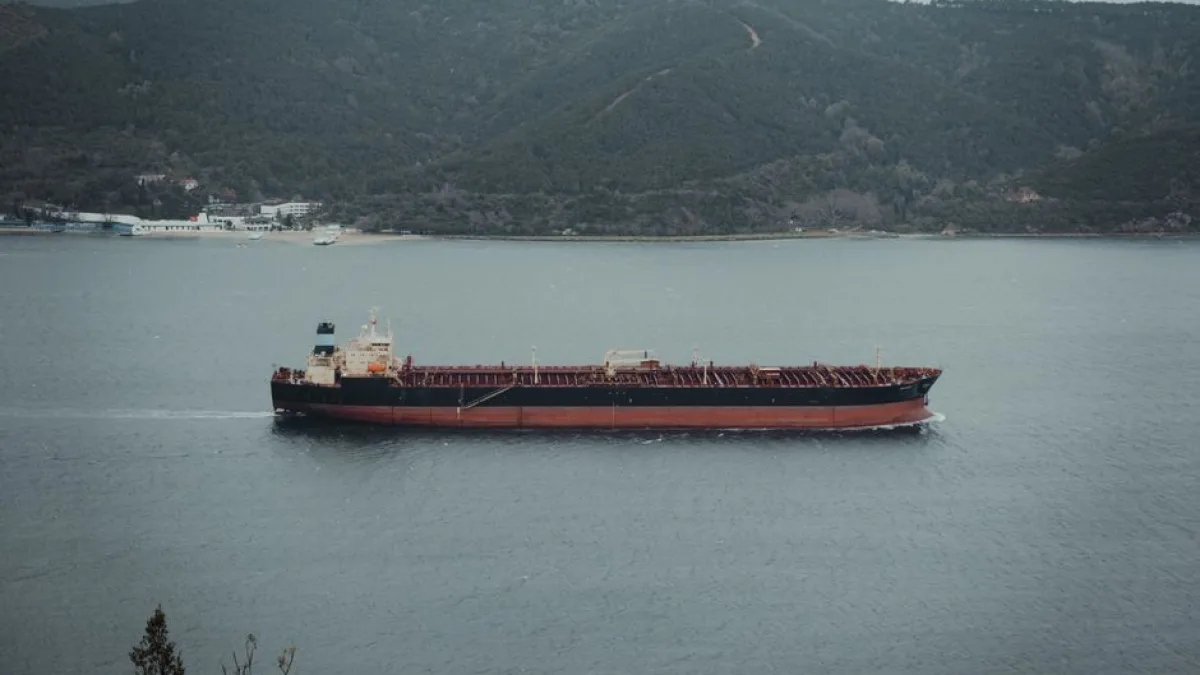
Modern clients expect constant updates on the location and status of their containers. Providing this level of transparency is essential for building trust and maintaining long-term partnerships in a highly competitive market where speed and accuracy are the primary expectations.
- Live vessel tracking: Integrating live satellite data into your freight management system allows you to monitor vessel movements and anticipate potential arrival delays before they happen.
- Automated customer notifications: Setting up triggered alerts ensures that your clients receive timely updates regarding their shipment status without manual input from your logistics coordination staff.
- Exception management tools: Quickly identifying shipments that deviate from their planned route helps your team proactively address issues and communicate solutions to stakeholders before problems escalate.
- Unified portal access: Offering a self-service dashboard for clients reduces the volume of status inquiries handled by your staff while providing 24/7 visibility into shipments.
Superior visibility empowers your business to transition from a reactive service model to a proactive one. When clients feel informed about their cargo location, their overall satisfaction increases significantly, leading to higher retention rates. Investing in technology that aggregates carrier data into one view saves countless hours of manual status checking, allowing your team to focus on strategic growth and high-value customer service tasks.
Managing Complex Carrier Relationships
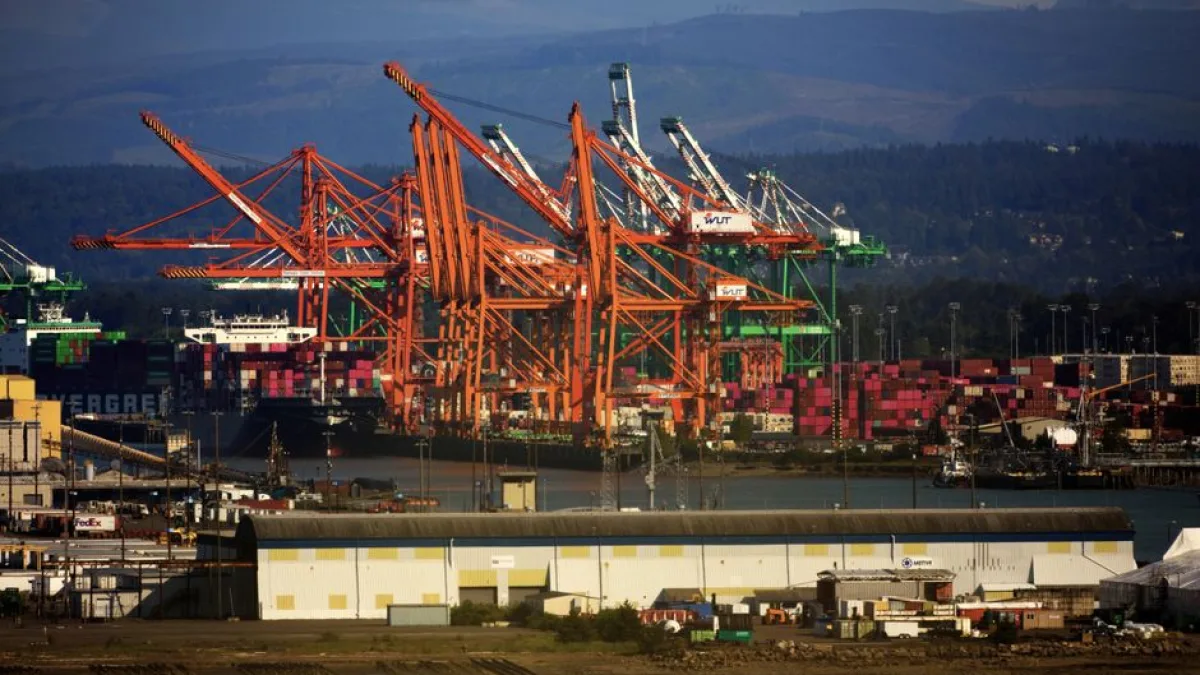
Strong partnerships with ocean carriers are vital for securing space and competitive rates. Managing these dynamic relationships effectively requires clear communication, reliable data exchange, and the strategic use of volume commitments to ensure service reliability in volatile market conditions.
- Performance analytics reporting: Tracking carrier reliability and transit times over extended periods provides the data needed to negotiate better terms and select optimal partners for cargo.
- Unified communication channels: Consolidating all emails and booking confirmations into one platform prevents information silos and ensures that your team always has the latest carrier updates.
- Streamlined booking requests: Standardizing your booking submissions through digital portals increases your chances of securing container space during high demand periods and seasonal peak shipping cycles.
- Dispute resolution tools: Quickly resolving billing discrepancies or damage claims using centralized communication history preserves your professional relationships and protects your company from unnecessary financial losses annually.
Maintaining solid relationships with ocean carriers is a balancing act that requires both diplomacy and data. By utilizing software to manage these interactions, you ensure that every negotiation is backed by accurate performance statistics. This level of professionalism distinguishes your firm, fostering trust that results in priority treatment and better support when unexpected supply chain disruptions occur, ultimately benefiting your clients and your profitability.
Streamlining Financial Reconciliation Processes

The financial side of ocean freight often involves complex billing structures, currency fluctuations, and multiple surcharges. Automating your billing processes helps you avoid missed charges and ensures that your margins remain healthy throughout every single shipping cycle you manage.
- Automated invoice auditing: Instantly comparing carrier invoices against original quotes ensures that you never pay more than agreed and helps capture forgotten charges before they impact margins.
- Integrated payment portals: Facilitating direct payments within your management software accelerates cash flow and reduces the time your accounting team spends on manual reconciliation of payments.
- Currency management features: Handling various international currencies within your system prevents calculation errors and protects your company from losses caused by sudden exchange rate changes during transit.
- Margin analysis reports: Tracking total profitability per shipment provides the financial insights necessary to adjust pricing strategies and optimize your revenue streams across different shipping routes.
Efficiency in your financial department is just as important as speed in your operational processes. By automating routine billing tasks, you eliminate the delays associated with manual reconciliation and reduce the risk of human error in financial reporting. A robust software solution provides the visibility you need to understand your true profit margins, allowing you to make smarter decisions about your future service offerings.
Conclusion
Modernizing your ocean freight operations is essential for success in today's fast-paced logistics environment. By embracing digital documentation, real-time tracking, strong carrier management, and automated financial workflows, you position your firm for sustainable growth. Start upgrading your infrastructure today to simplify your complex tasks. Delivering superior service through technology keeps your clients happy and helps your freight forwarding business thrive during every global shipping season.