Optimizing Ocean Freight Operations in a Digital Era
Wednesday, September 2 2026
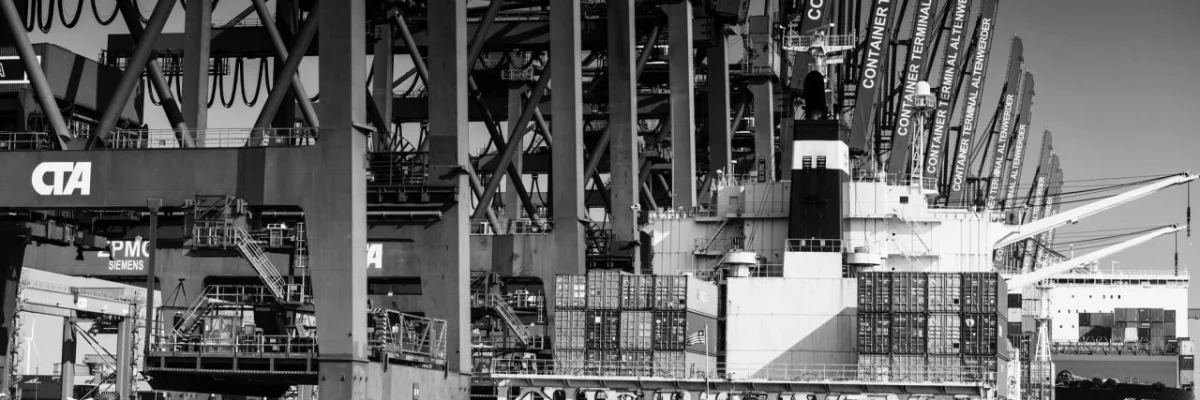
Navigating the complex landscape of global ocean freight requires more than just logistical expertise; it demands a seamless integration of technology and strategy to maintain a competitive edge. As supply chains face increasing volatility and demands for transparency, freight forwarders must pivot toward digital solutions that provide real-time visibility and automated workflows. By leveraging cloud-based platforms, professionals can reduce manual errors, accelerate documentation processing, and enhance communication with global partners. Embracing this technological evolution is no longer an optional upgrade for forward-thinking logistics businesses, but a fundamental requirement for achieving long-term operational efficiency and sustainable growth in the international shipping market.
Modernizing Documentation Management

Managing extensive documentation is a significant pain point for many freight forwarders, yet digital transition offers a pathway to precision. Automated systems now allow teams to handle manifests and bills of lading with minimal manual intervention, significantly reducing potential human errors.
- Cloud Document Storage: Centralize all shipping paperwork in a secure, accessible cloud environment that ensures your team retrieves essential documents instantly from any location around the world without delays.
- Automated Data Entry: Utilize advanced optical character recognition tools to automatically extract and populate freight details, effectively eliminating repetitive tasks and freeing up staff for more high-value client work.
- Version Control Systems: Maintain a single source of truth for every shipment by implementing strict version control, which prevents confusion and ensures all partners view the most current information.
- Digital Compliance Checks: Integrate automated compliance and regulatory validation directly into your document workflow to flag potential issues before they cause costly delays at major international customs points.
Transitioning from paper-heavy processes to a unified digital architecture allows your team to focus on strategic growth rather than administrative burdens. By minimizing the time spent on manual data entry, you improve overall service quality and responsiveness. Clients appreciate the added transparency and speed, which directly contributes to higher retention rates and a stronger reputation in a crowded, hyper-competitive ocean freight global marketplace.
Real-time Vessel Visibility
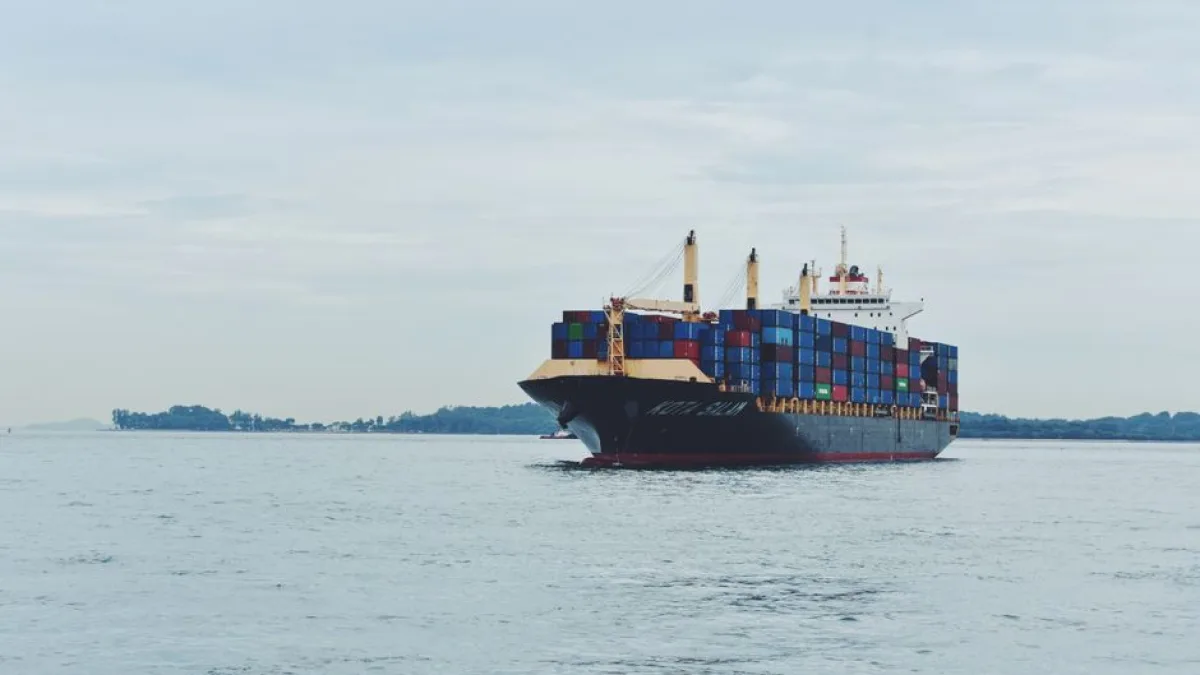
Achieving true visibility over cargo in transit is the key to managing client expectations and mitigating risks. With sophisticated tracking software, forwarders provide live updates that transform the customer experience from uncertain waiting to predictable, informed, and proactive supply chain planning.
- Live Vessel Tracking: Integrate real-time AIS data to monitor exact ship locations, allowing your team to proactively notify clients about potential arrivals or unexpected changes in the schedule.
- Milestone Event Alerts: Set up automated notifications for key transit milestones, ensuring your internal stakeholders and external clients remain fully informed without requiring manual status update requests today.
- Risk Mitigation Tools: Identify potential disruptions early by utilizing predictive analytics that analyze weather patterns and port congestion data to suggest alternative routing options for your shipments.
- Shared Customer Portals: Provide clients with dedicated digital dashboards that display their specific cargo status, which reduces inquiry volumes and builds deep trust through full radical transparency.
When you offer customers a clear window into their supply chain, you minimize the anxiety often associated with ocean freight. This level of visibility turns standard shipping services into high-value consulting engagements. By staying ahead of disruptions rather than reacting to them, your firm establishes itself as a reliable partner capable of navigating even the most challenging global logistics environments with confidence.
Optimizing Freight Rate Procurement
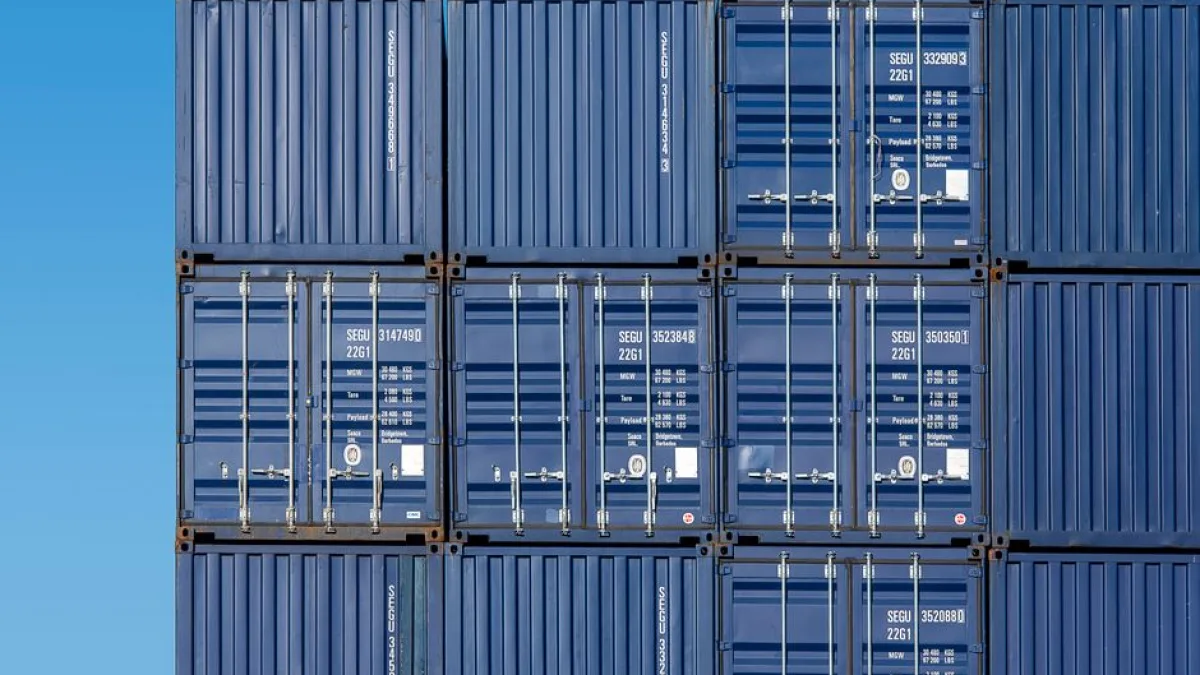
Securing the most competitive rates requires a blend of historical data analysis and current market intelligence. Digital platforms empower freight forwarders to compare carrier options quickly, ensuring that every booking remains profitable while meeting the strict budget requirements of your customers.
- Dynamic Rate Management: Access a centralized database of carrier contracts and spot market rates, enabling your team to compare quotes instantly and choose the most cost-effective routing.
- Carrier Performance Tracking: Evaluate carrier reliability by analyzing historical transit times and service quality metrics, which helps you select partners who consistently deliver on their promises today.
- Automated Quote Generation: Create professional customer quotes in seconds by using pre-configured templates that pull live rate data, ensuring accuracy and saving significant time on administrative tasks.
- Market Trend Analytics: Utilize integrated analytics modules to identify seasonal pricing shifts and capacity trends, allowing you to negotiate better contract terms with your primary carrier partners.
Mastering the art of rate procurement is essential for protecting your margins and keeping your clients competitive. By leveraging data-driven insights, you transition from guesswork to calculated decision-making. This analytical approach not only improves profitability but also strengthens your negotiation leverage with carriers. Providing customers with accurate and rapid quotes establishes your firm as a sophisticated leader within the ocean freight industry sector.
Streamlining Communication Workflows

Efficient collaboration is the backbone of successful ocean freight management, especially when coordinating across multiple time zones and international partners. Cloud software enables seamless interaction between your staff, carriers, and agents, ensuring everyone remains aligned throughout the shipment lifecycle.
- Integrated Messaging Systems: Replace fragmented email chains with platform-specific communication threads that keep all relevant cargo details attached to the specific shipment record for easy future reference.
- Collaborative Task Management: Assign specific responsibilities to team members within the software, ensuring that no documentation or logistical detail is overlooked during the busy shipping process cycle.
- Vendor Integration Tools: Connect directly with your overseas agents and port partners through shared digital workflows, which drastically reduces communication gaps and speeds up the entire process.
- Activity Logging Features: Maintain a clear audit trail of every interaction and change made to a shipment, providing accountability and clarity for all parties involved in transit.
Effective communication reduces the friction that often plagues complex logistics projects. By providing your team with tools that foster collaboration rather than isolation, you create a more agile and responsive organization. These improvements manifest as fewer delays, happier clients, and a more positive internal culture. Investing in a connected digital workspace is the ultimate foundation for scaling your freight forwarding operations effectively.
Conclusion
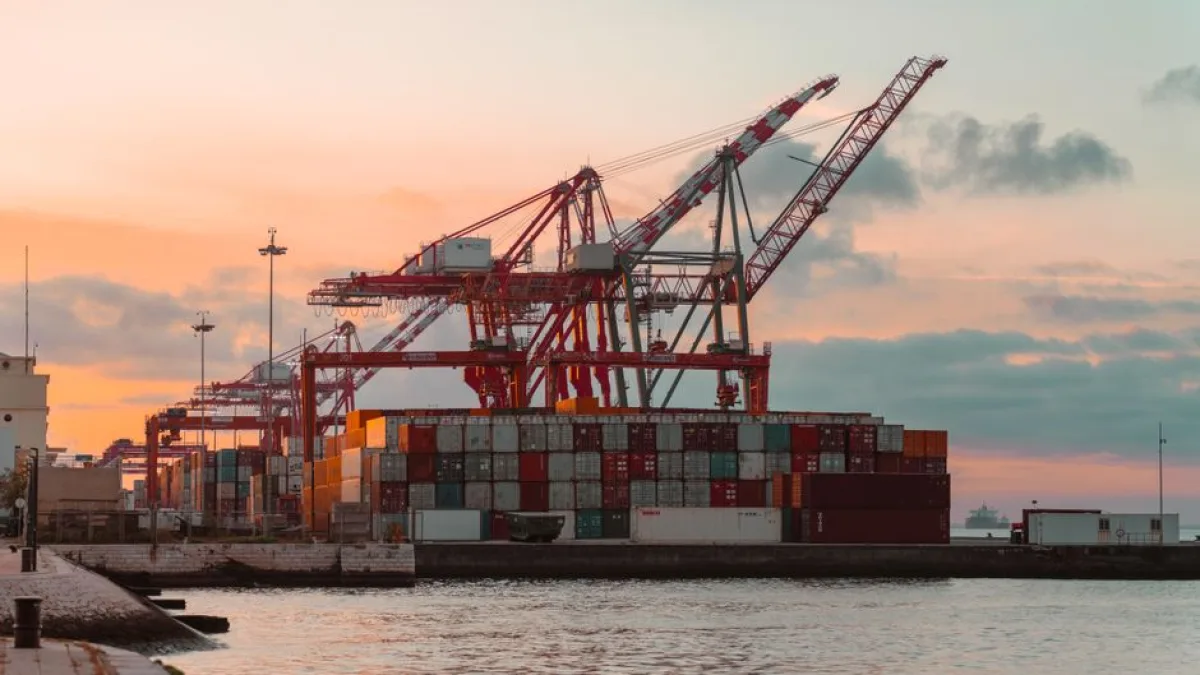
Adopting digital transformation within your ocean freight operations is an investment in long-term efficiency and client loyalty. By modernizing your documentation, improving visibility, and optimizing rates, you position your firm as a leader in the global logistics market. Explore how MakeCargo can help you streamline these workflows and elevate your service standards today. Contact our expert team to schedule your personalized software demonstration.