Optimizing Ocean Freight Operations in a Digital Era
Wednesday, September 2 2026
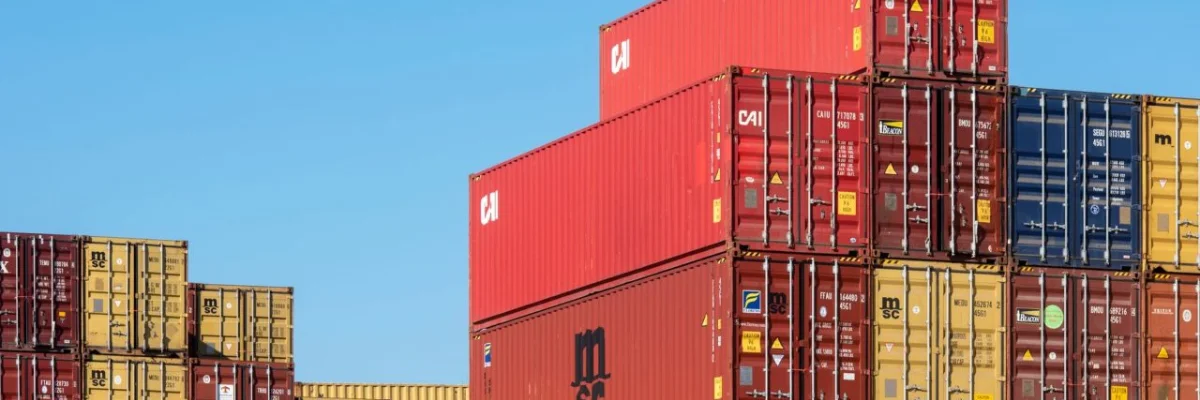
The global shipping industry is undergoing a massive transformation as freight forwarders shift from manual spreadsheets to integrated cloud-based systems. As supply chain complexities rise, the ability to manage ocean freight with precision and speed becomes the primary differentiator between market leaders and stagnant competitors. Modern forwarders must leverage real-time data to navigate fluctuating rates, capacity constraints, and evolving carrier schedules. By embracing digital workflows, logistics professionals can enhance their operational efficiency, reduce costly human errors, and provide superior visibility to their clients. This article explores essential strategies to optimize your ocean freight processes and ensure long-term profitability in a volatile market.
Leveraging Real-Time Visibility
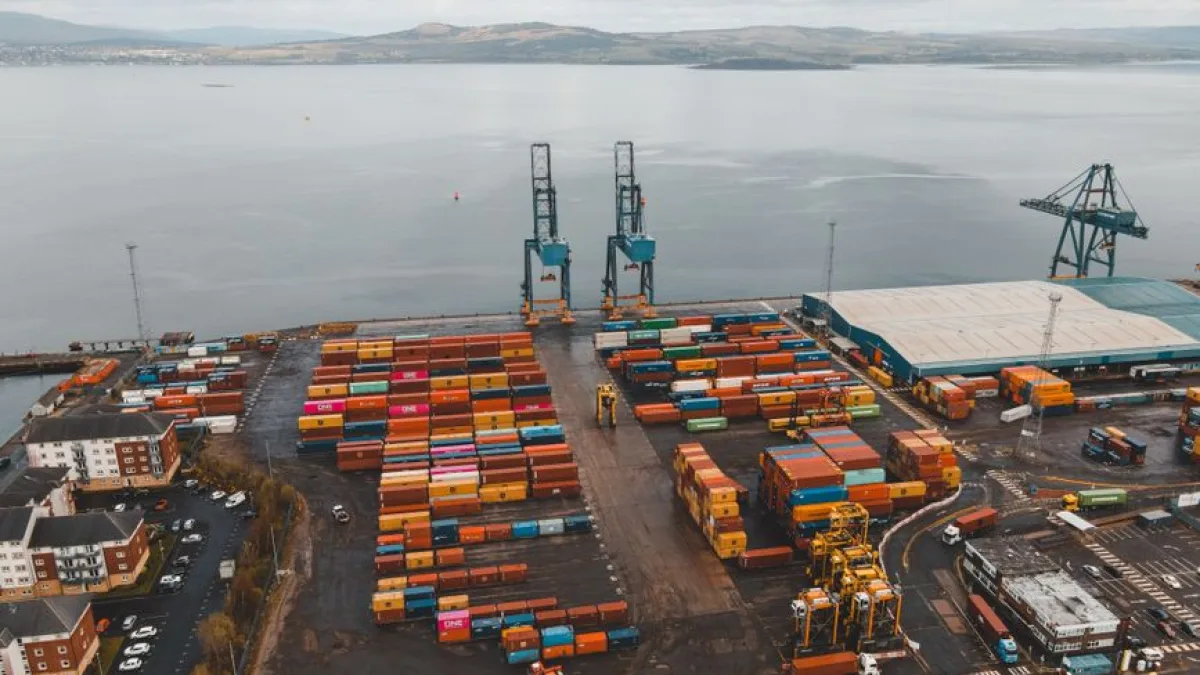
Real-time visibility allows freight forwarders to track shipments across the ocean accurately. By utilizing advanced tracking technologies, teams can proactively manage exceptions and inform clients about potential delays before they escalate into major logistical bottlenecks, ensuring transparency and trust throughout transit.
- Instant Shipment Tracking: Centralized digital platforms provide immediate updates on vessel locations, allowing your team to monitor cargo progress and react to environmental or mechanical disruptions without any manual effort.
- Proactive Exception Management: Advanced software identifies potential issues early in the supply chain, enabling forwarders to reroute shipments or adjust plans to minimize the impact of port congestion.
- Client Portal Integration: Providing your customers with direct access to tracking dashboards builds confidence and reduces the volume of repetitive status inquiry emails for your support staff.
- Automated Milestone Alerts: Configurable notification systems send automatic updates when containers hit specific checkpoints, keeping all stakeholders informed without requiring manual data entry or redundant phone calls.
Adopting a digital visibility strategy transforms how you communicate with clients by eliminating uncertainty. When forwarders can pinpoint the exact location of a shipment, they maintain control even during volatile market conditions. This level of clarity reduces administrative burdens while simultaneously increasing customer loyalty. Ultimately, real-time data empowers your team to shift from reactive firefighting to proactive management, securing your reputation as a reliable logistics partner.
Streamlining Documentation Workflows

Automating documentation significantly reduces the time spent on manual data entry for bills of lading and customs declarations. By digitizing these critical records, forwarders minimize the risk of compliance errors, speed up the clearance process, and ensure documents remain perfectly organized.
- Cloud Based Storage: Securely hosting your shipping documents in the cloud ensures that your team can access vital records from any location while maintaining strict compliance standards.
- Automated Data Extraction: Intelligent tools can parse information from invoices and shipping manifests, automatically filling your database fields to save hours of manual data entry labor.
- Standardized Document Templates: Creating uniform templates for common shipping forms ensures professional consistency across your organization and prevents common errors associated with custom formatting and manual editing.
- Version Control Systems: Digital platforms maintain history logs for every document, allowing teams to track changes and identify who edited specific files to ensure audit trail accuracy.
Document management represents one of the most tedious aspects of logistics, yet it remains the backbone of compliant international trade. By moving toward a paperless environment, your company accelerates billing cycles and enhances overall productivity. These digital efficiencies allow your staff to focus on high value tasks like customer relationship management and business growth rather than sorting through filing cabinets or endless email attachments.
Optimizing Carrier Selection

Choosing the right carrier is essential for balancing costs against service levels in ocean freight. Advanced software allows you to compare multiple carrier rates side by side, ensuring that you select the best options that align with your budget.
- Automated Rate Comparisons: Compare spot rates and long term contracts in one view to identify the most cost effective shipping routes for your specific cargo requirements.
- Performance Analytics Dashboards: Analyze historical carrier performance data to identify which shipping lines offer the best reliability and transit times for your frequently used trade lanes.
- Capacity Planning Tools: Efficiently manage container space by forecasting demand, which helps you negotiate better contracts with carriers and avoid paying premium prices for last minute bookings.
- Integration With Carriers: Direct API connections allow for seamless data exchange between your software and carrier systems, ensuring you have the latest sailing schedules at your fingertips.
Data driven decision making is the key to maintaining healthy profit margins. By leveraging analytics, your team can avoid expensive mistakes and capitalize on favorable market conditions. Selecting carriers based on hard data rather than intuition minimizes risk and ensures that your clients receive the best possible service. This strategic approach to procurement is necessary for remaining competitive within the complex and rapidly changing global freight industry.
Enhancing Client Collaboration

Successful freight forwarding relies on strong communication between logistics providers and their clients. Digital collaboration tools bridge the gap by providing shared platforms where everyone can view updates, exchange documents, and discuss shipping requirements in a secure environment.
- Shared Digital Spaces: Use dedicated collaboration portals where clients can download documents, view quotes, and track their freight movements without waiting for email responses from your team.
- Automated Communication Logs: Every interaction between your team and the client is recorded within the platform, ensuring that all project context remains accessible for future reference or audits.
- Real Time Messaging: Integrated chat features allow for quick problem solving and coordination, keeping all involved parties on the same page regarding critical shipping updates and changes.
- Feedback Collection Tools: Gather structured feedback from clients through your platform to identify areas for improvement and demonstrate your commitment to providing a high quality experience.
Modern clients demand a seamless experience that reflects the digital nature of their own businesses. By providing a professional, easy to use portal, you differentiate your brand from legacy competitors who rely on fragmented communication methods. Consistent interaction through these tools fosters long term relationships and turns occasional shippers into loyal partners who trust your expertise and rely on your technology to manage their growth.
Conclusion
Transforming your ocean freight operations requires a commitment to digital tools that enhance visibility and improve workflow efficiency. By automating manual processes and centralizing data, your team can achieve higher performance and better client satisfaction. Start your digital transformation today to remain competitive in the evolving global market. Reach out to MakeCargo to discover how our cloud platform supports your logistics operations.