Optimizing Ocean Freight Operations in a Digital Era
Wednesday, September 2 2026
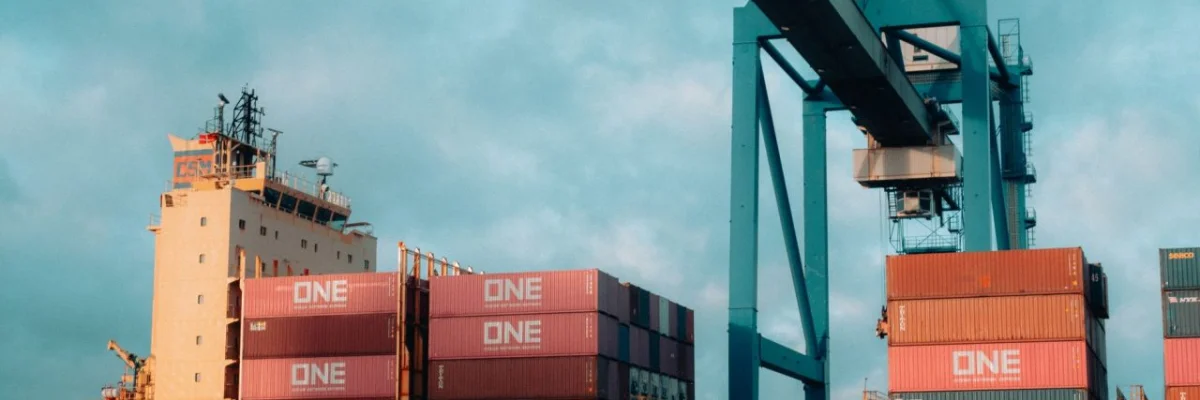
Modern ocean freight logistics demands unprecedented precision and agility in an increasingly volatile global market. Freight forwarders are currently navigating a landscape defined by complex supply chain disruptions, fluctuating fuel costs, and rising customer expectations for real-time shipment visibility. To maintain a competitive edge, forwarders must shift away from legacy manual processes toward integrated digital solutions. By leveraging advanced cloud platforms like MakeCargo, logistics professionals can centralize communication, automate tedious documentation tasks, and gain actionable insights into their operational bottlenecks. This strategic transition not only reduces overhead costs but also fosters the transparency required to build long-term trust with international shipping clients worldwide.
Digitizing Documentation Workflows

Efficient documentation is the backbone of successful ocean freight management. By digitizing bills of lading and customs forms, forwarders eliminate errors and accelerate processing times. Transitioning to cloud based systems ensures that every stakeholder accesses accurate, updated information without the need for endless email chains.
- Automated Data Entry: Implement software that automatically extracts key information from shipping documents to eliminate manual input errors and significantly reduce the time spent on administrative clerical tasks daily.
- Centralized Document Storage: Maintain a secure cloud repository where all shipping documents are stored and accessible to authorized parties, ensuring compliance and quick retrieval during customs audits or inspections.
- Standardized Filing Systems: Develop consistent digital filing protocols across your entire organization to ensure that every team member can locate critical paperwork quickly without wasting precious operational hours searching.
- Electronic Signature Integration: Utilize digital signature tools to expedite the approval process for essential shipping contracts and customs declarations, removing the physical barriers that often delay vessel departures and arrivals.
- Real-time Validation Checks: Employ automated validation rules within your software to catch discrepancies in freight documentation before they cause costly delays at major international ports or border crossings today.
Adopting a robust digital workflow fundamentally changes how your team handles documentation. By removing repetitive manual labor, your staff can focus their energy on high-value tasks like customer service and business development. This transition effectively minimizes the risk of human error while dramatically improving document turnaround times, allowing your agency to handle larger shipment volumes with greater confidence, professional accuracy, and increased bottom-line profitability.
Optimizing Container Load Planning
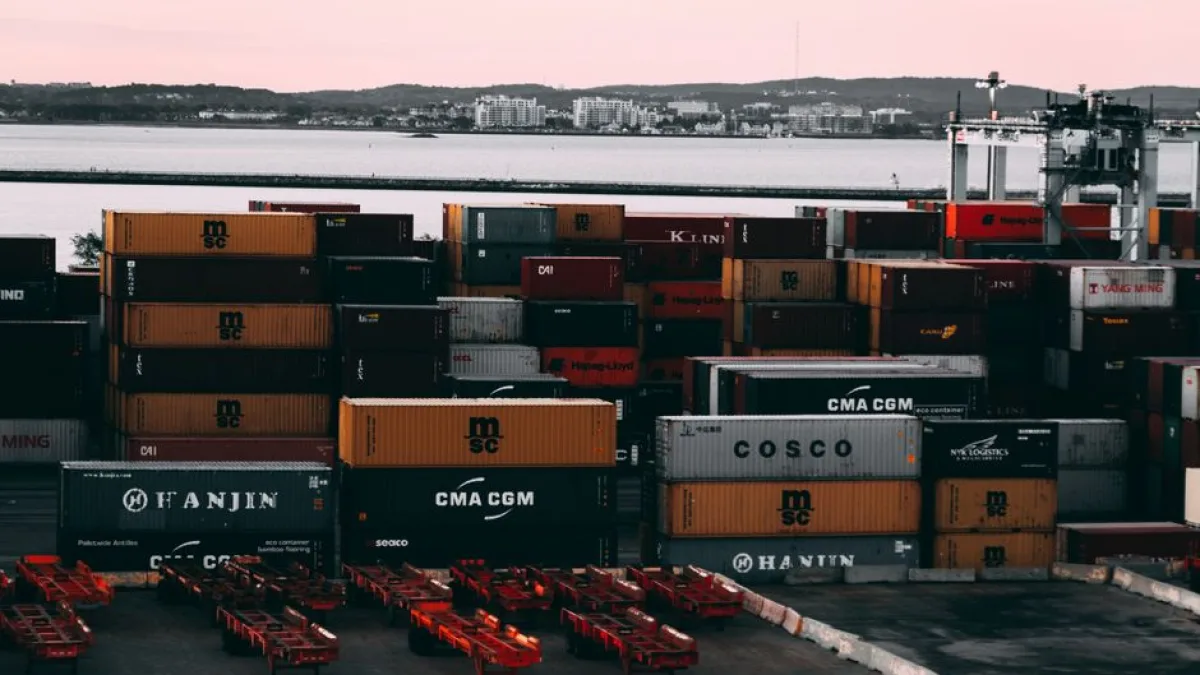
Mastering container space utilization is essential for reducing shipping costs and maximizing carrier capacity. Modern software provides advanced load planning tools that help forwarders calculate optimal weight distribution, ensuring safety compliance while preventing underutilized space that drains your logistics company budget.
- Smart Space Calculation: Use intelligent algorithms to determine the most effective way to stack goods within containers, which helps in maximizing volumetric efficiency while maintaining strictly regulated weight safety limits.
- Load Optimization Analytics: Review historical shipment data to identify patterns in your cargo volume, enabling better strategic planning for future shipments and helping you negotiate better rates with carriers.
- Weight Distribution Safety: Ensure that all container loads are balanced correctly to adhere to international maritime safety standards, preventing equipment damage and avoiding heavy fines from port authorities worldwide.
- Visual Loading Diagrams: Generate clear visual representations of cargo arrangements that provide dock workers with precise instructions on how to load goods safely and efficiently for every single shipment.
- Consolidation Strategy Tools: Identify opportunities to combine smaller shipments from multiple clients into single containers, which effectively lowers per-unit shipping costs and improves your overall service margin ratios.
Strategic load planning directly correlates to your company's ability to maintain high profit margins in a competitive ocean freight market. When you optimize the physical arrangement of cargo, you reduce wasted capacity and lower the risk of damages during transit. Implementing these digital planning tools empowers your operations team to make data-driven decisions that save money while consistently delivering superior reliability to your global clients.
Enhancing Real-time Shipment Visibility
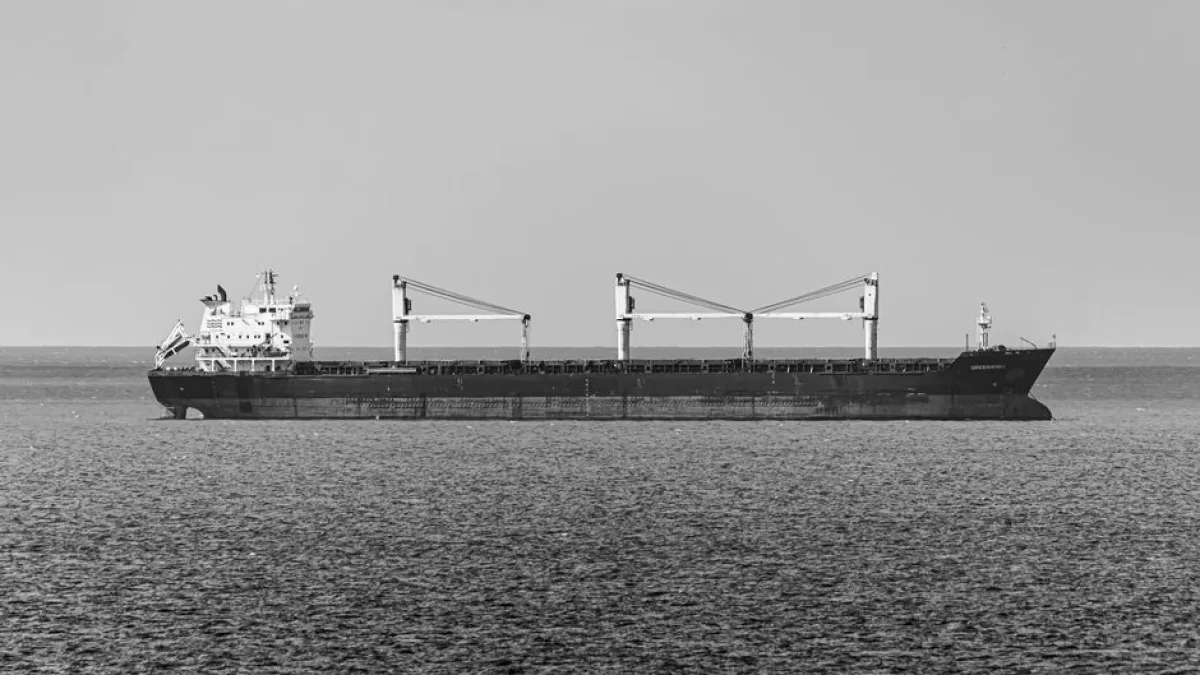
Total visibility is no longer a luxury but a fundamental customer requirement in ocean shipping. Clients expect granular tracking updates from the port of origin to the final destination, necessitating advanced cloud platforms that bridge the gap between carrier data and client needs.
- Live Tracking Integration: Connect your software directly with carrier APIs to receive automatic status updates, allowing your team to monitor vessel locations and port events in real-time daily.
- Automated Status Alerts: Configure your system to send proactive email or text notifications to clients whenever a milestone is reached, keeping them informed without constant manual customer inquiries.
- Exception Management Dashboards: Utilize specialized dashboards that highlight delayed shipments or cargo stuck at ports, giving your staff the chance to resolve issues before they affect the final delivery.
- Carrier Data Synchronization: Sync diverse data streams from multiple shipping lines into one unified interface, creating a single source of truth for your entire logistics coordination team to follow.
- Transparent Milestone Tracking: Provide customers with a user-friendly portal where they can view the full journey of their cargo, enhancing transparency and strengthening your professional client-forwarder relationship permanently.
Providing exceptional visibility differentiates your freight forwarding business from those relying on legacy communication methods. By automating status reports and proactive alerts, you reduce the volume of incoming inquiries, freeing up your support staff for more strategic responsibilities. This high level of service consistency builds immense loyalty, turning one-time customers into long-term partners who value the transparency and reliable updates your platform provides daily.
Streamlining Financial Reconciliation

Financial health depends on accurate and timely billing processes. Automating the connection between shipment milestones and invoicing ensures that your agency captures all revenue, reduces disputes with clients, and maintains a healthy cash flow throughout every fiscal year of your logistics operations.
- Automated Invoice Generation: Trigger invoices automatically based on verified delivery milestones, ensuring that your company gets paid faster while reducing the administrative burden on your busy accounting department staff.
- Currency Conversion Management: Handle international payments with ease by using built-in conversion tools that update exchange rates periodically, helping you manage global accounts without manual spreadsheet errors or delays.
- Dispute Resolution Tracking: Monitor and record all communications regarding billing discrepancies within a centralized system, making it easier to resolve conflicts quickly and maintain positive relations with your clients.
- Carrier Cost Auditing: Compare carrier invoices against your initial bookings automatically to identify overcharges or hidden fees, protecting your profit margins from unexpected costs incurred during the shipping process.
- Financial Reporting Insights: Generate comprehensive reports on profitability per route, carrier, or client, which allows your management team to make informed financial decisions that support long-term business growth goals.
Financial clarity is essential for scaling your freight forwarding business effectively. Automating your billing and reconciliation cycles minimizes the time spent on accounting tasks while maximizing revenue capture. By maintaining a clean audit trail and transparent billing practices, you establish a reputation for integrity and efficiency. These improvements ensure that your agency remains financially resilient while providing a seamless, professional experience for your partners.
Conclusion
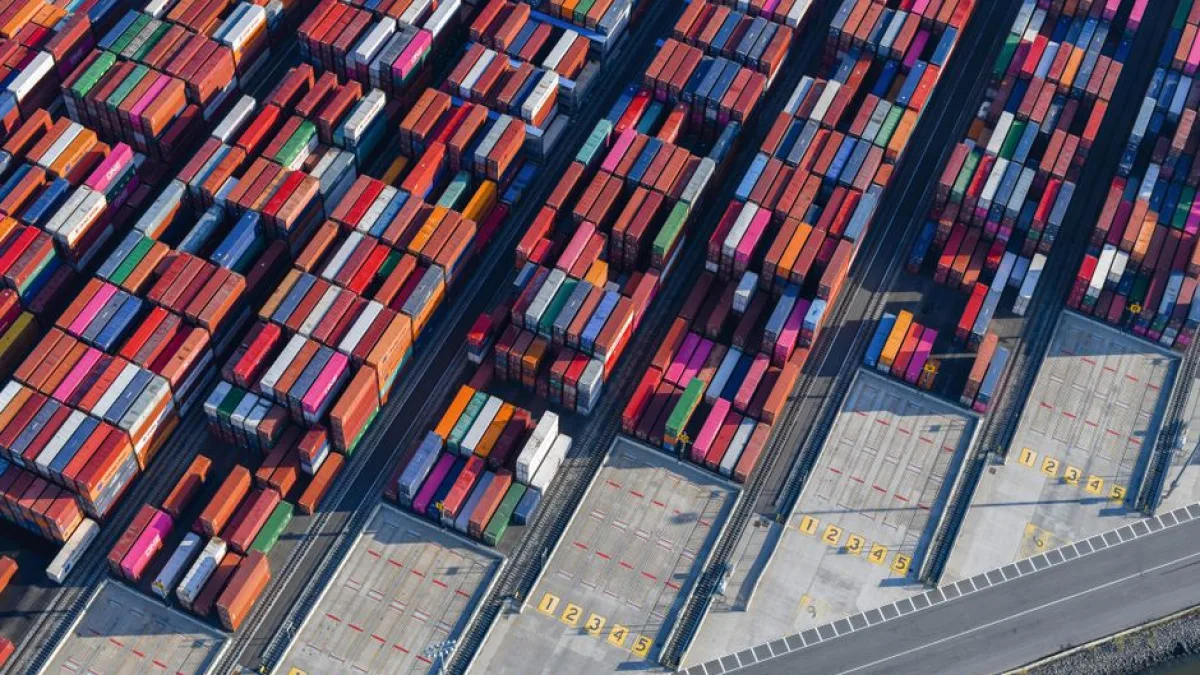
Transforming your ocean freight operations requires a commitment to digital tools that enhance efficiency and transparency. By digitizing documentation, optimizing cargo loading, improving visibility, and automating financial tasks, you position your firm to thrive amidst global shipping challenges. Embrace cloud-based innovation today to reduce operational costs, eliminate recurring manual errors, and provide the superior service that your global clients demand in this fast-paced industry.