Optimizing Ocean Freight Operations in a Digital Era
Thursday, September 3 2026

Navigating the complex landscape of global ocean freight requires more than just traditional logistics knowledge in the modern era. As supply chain volatility becomes a constant factor, forwarders must adapt by leveraging cloud-based platforms to maintain a competitive edge. From managing container visibility to handling complex customs documentation, the pressure to deliver efficiency is higher than ever before. Digital transformation is no longer a luxury but a necessity for firms aiming to scale operations, reduce manual errors, and provide superior client service. Embracing technology allows freight forwarders to turn logistical challenges into strategic advantages for their global shipping partners.
Modernizing Cargo Visibility
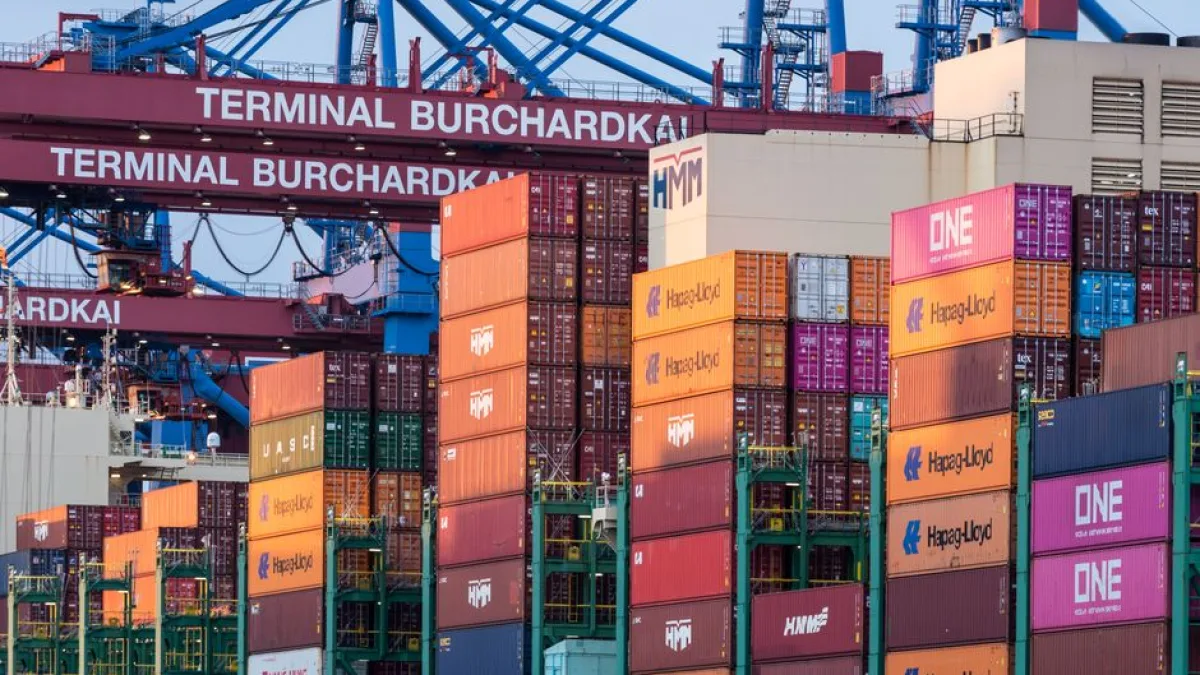
Real-time tracking provides the transparency needed to satisfy demanding shippers who require minute-by-minute updates. By moving away from manual spreadsheets, your team gains a centralized view of container movements, allowing for proactive intervention before minor delays escalate into major shipping bottlenecks.
- Automated Tracking Updates: Integration with carrier APIs ensures that status changes are reflected instantly within your platform, eliminating the need for staff to manually refresh portals for container tracking data.
- Exceptions Management Workflow: Sophisticated software detects potential arrival delays early, enabling operations teams to notify clients promptly and propose viable alternatives to keep supply chains moving forward without significant disruptions.
- Enhanced Client Communication: Providing customers with personalized tracking portals builds trust, reduces the volume of status inquiries handled by your staff, and allows your team to focus on complex tasks.
- Customized Reporting Tools: Generate detailed performance metrics regarding carrier reliability and route efficiency to provide your high-volume shippers with actionable insights that support their long-term supply chain decision making.
Achieving total visibility transforms your business model from reactive to proactive. When your clients can see their cargo moving through the ocean network in real time, their reliance on your services deepens significantly. This level of transparency not only improves customer retention rates but also builds a reputation for reliability that attracts new business opportunities in a crowded market that demands constant, high-quality service updates.
Streamlining Documentation Workflows

Processing bills of lading and commercial invoices requires precision and speed to prevent port delays. Cloud-based document management systems centralize your paperwork, reducing the risk of missing files and ensuring that your team remains compliant with international trade regulations at all times.
- Template Based Generation: Standardize your core shipping documents to ensure professional formatting across every shipment, which minimizes human error and speeds up the entire document approval and filing process.
- Cloud Storage Security: Maintain secure, accessible backups of all critical shipment documents in a single location, protecting your agency against data loss and facilitating easier audits by regulatory authorities.
- Digital Approval Chains: Implement electronic sign-offs for all shipping paperwork, which effectively eliminates physical paper trails and significantly reduces the time wasted waiting for internal document verification from colleagues.
- Regulatory Compliance Checks: Leverage built-in verification features that highlight inconsistencies or missing fields within customs documents before they are submitted to authorities, preventing costly fines and avoidable shipment holds.
Efficient documentation is the backbone of successful ocean freight management. By digitizing your workflow, you create a seamless loop of information that connects your internal team with external agents and carriers. This eliminates bottlenecks caused by outdated manual entry methods and ensures that every piece of cargo moves through ports with the correct clearance, keeping your operations profitable and your clients satisfied year round.
Optimizing Carrier Capacity Management
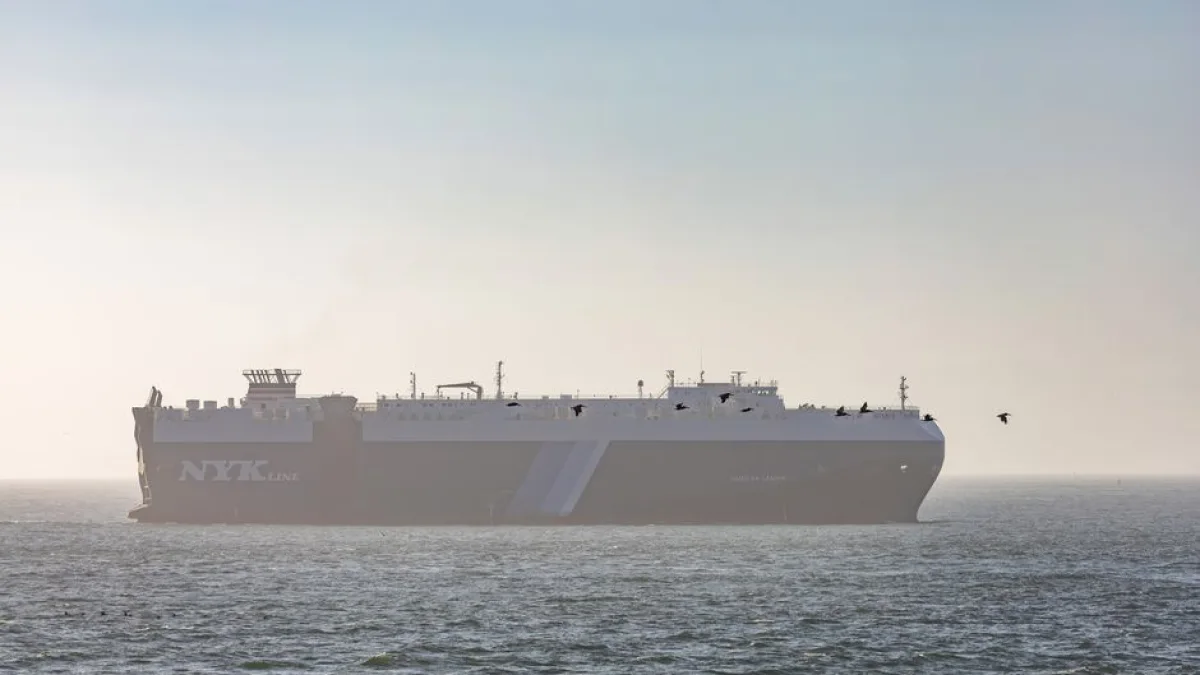
Managing vessel space allocation is a delicate balancing act that requires accurate data forecasting. Freight forwarding software helps your team track space commitments, allowing you to maximize container load factors while minimizing the financial risks associated with unused or poorly allocated capacity.
- Allocated Space Monitoring: Track your existing volume commitments against current bookings to ensure your team makes full use of purchased space while avoiding overbooking situations during peak seasonal shipping periods.
- Dynamic Route Planning: Utilize software tools to compare carrier pricing and schedule availability, enabling you to select the best route based on current market rates and urgent client requirements.
- Volume Trend Analytics: Analyze historical booking data to predict upcoming capacity needs, giving your firm a strategic advantage when negotiating annual contracts with major ocean carriers for better rates.
- Effective Partner Collaboration: Share capacity forecasts with global partners through a unified digital platform, which fosters better coordination and ensures that local agents are prepared for incoming container volumes.
Data-driven capacity management allows your agency to stay agile in a market where space is often scarce. When you clearly understand your volume commitments and carrier performance, you can negotiate better agreements that protect your margins. By utilizing precise analytical tools, you ensure that your business remains resilient against market fluctuations and capable of scaling its ocean freight volumes during high-demand shipping periods.
Enhancing Financial Control Processes

Managing freight costs requires strict oversight to protect your profit margins. Integrated billing systems ensure that every cost, from terminal handling fees to ocean freight charges, is accurately captured, tracked, and invoiced to the client without unnecessary delay or revenue leakage.
- Automated Invoice Matching: Configure your system to automatically match carrier invoices against original bookings, identifying discrepancies instantly so that your accounts team can address potential overcharges before payment is processed.
- Dynamic Profit Tracking: Monitor the profitability of every shipment or customer account in real time, enabling you to make quick adjustments to pricing strategies based on current market conditions.
- Flexible Payment Portals: Offer your clients modern digital payment options, which accelerate your company cash flow and simplify the reconciliation process for your accounting department by reducing manual check processing.
- Unified Financial Reporting: Consolidate revenue and expense data across multiple branches into a single executive dashboard, providing the visibility needed to make informed decisions about your company fiscal growth.
Tight financial controls provide the stability required to grow your logistics business. When manual billing errors are removed from the process, your team gains time to focus on sales and client development. Consistent tracking of all costs ensures that you are not losing money on hidden fees. Ultimately, robust software creates a clear picture of your agency health, supporting sustainable long-term financial success.
Conclusion

Success in the ocean freight sector requires a commitment to digital modernization. By adopting cloud-based platforms, you can enhance visibility, simplify documentation, manage capacity, and control your finances effectively. These steps build a foundation for growth in a changing market. Start your digital transition today to provide better value to your clients while ensuring your logistics agency remains competitive and profitable for years ahead.