Optimizing Ocean Freight Operations in a Digital Era
Thursday, September 3 2026
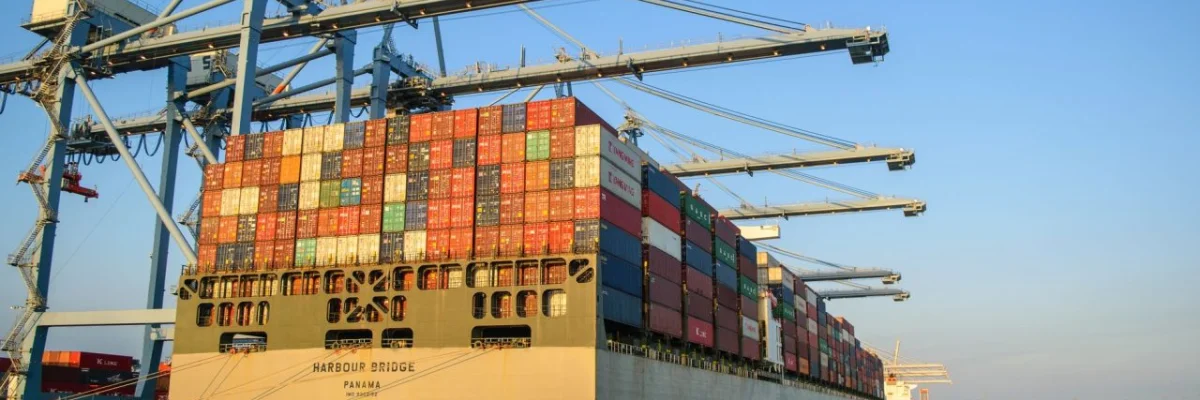
The global ocean freight industry is undergoing a profound transformation driven by digital innovation and the urgent need for supply chain transparency. For modern freight forwarders, managing complex logistics operations requires more than just traditional spreadsheets or manual oversight. As international trade continues to fluctuate, firms must adopt cloud-based solutions to remain competitive and agile. By leveraging real-time data, companies can anticipate disruptions and optimize vessel space utilization. This article explores how digital tools empower forwarders to streamline their workflows, improve client communication, and ensure that cargo arrives at its destination safely and on time in an unpredictable market.
Digitizing Container Tracking
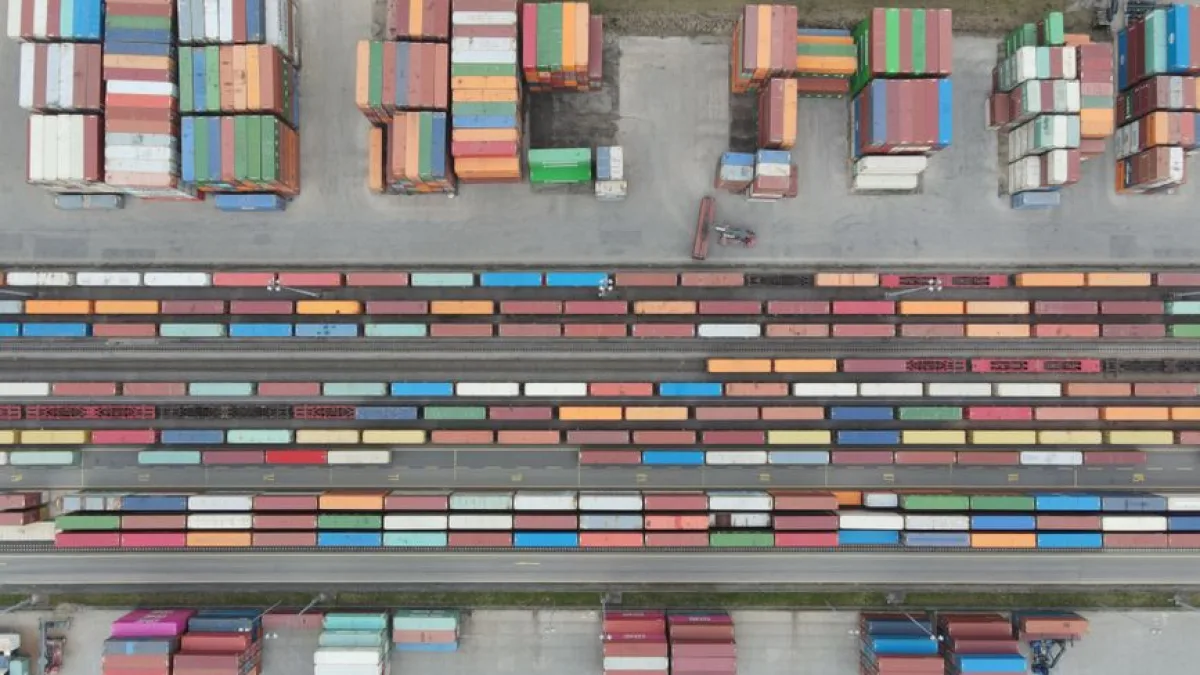
Real-time visibility into container movements allows forwarders to provide accurate updates to clients while minimizing operational delays. Modern software platforms integrate directly with port authorities and shipping lines to pull live data, replacing outdated and inefficient manual status check methods.
- Automated status updates: Receive instant notifications regarding vessel arrival times or port delays directly in your dashboard to keep your clients informed without the need for constant phone calls.
- Reduced manual entry: Eliminate human error by syncing data streams directly into your shipping software, ensuring that your records remain accurate throughout the entire ocean transit process.
- Enhanced client portals: Provide your customers with a dedicated access point where they can track their cargo progress in real-time, significantly improving trust and long-term business relationships.
- Proactive disruption management: Identify potential bottlenecks before they impact your delivery schedules, allowing for quick adjustments to routing or storage plans to maintain your supply chain integrity.
Adopting digital tracking is no longer an optional luxury for successful freight forwarders. It is a fundamental requirement for maintaining operational excellence in a global market. By automating the flow of information, your team can focus on solving complex logistical challenges instead of chasing updates. This shift reduces administrative overhead and increases overall capacity, setting the stage for sustainable growth and improved customer service levels.
Optimizing Freight Documentation
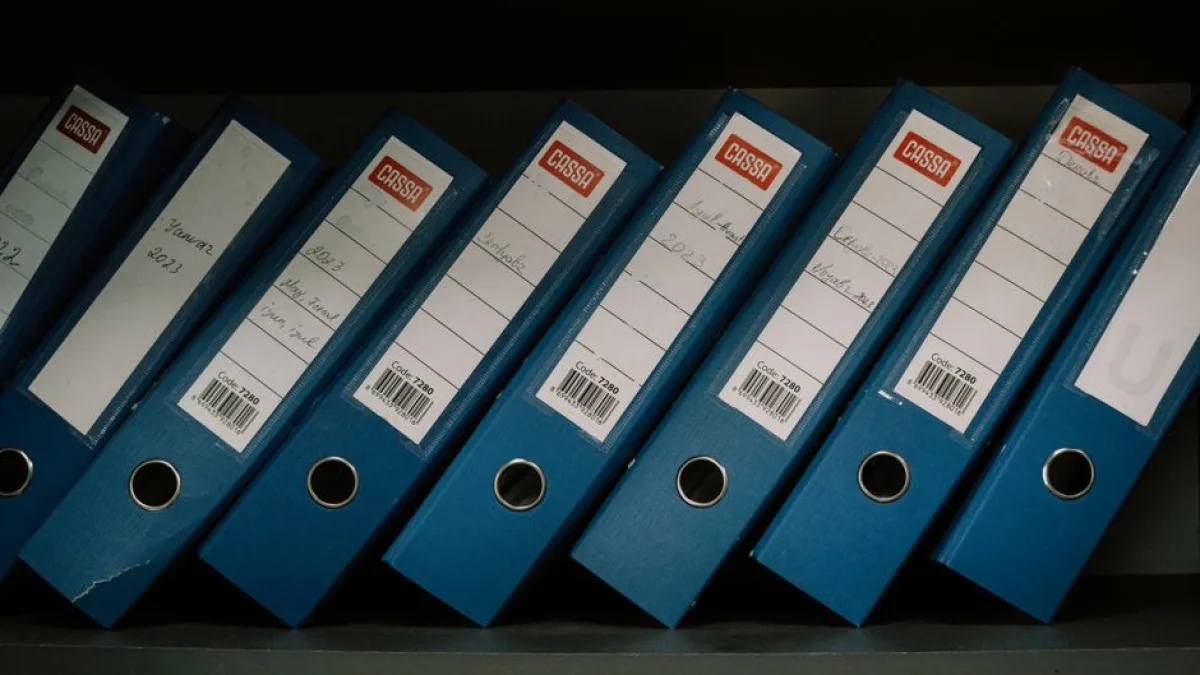
The manual handling of bills of lading and commercial invoices is a notorious bottleneck for freight forwarders. Moving documentation into a centralized digital environment accelerates customs clearance and ensures that compliance standards are met across all international borders without unnecessary delay.
- Centralized document repository: Store every essential shipping document in a single, secure cloud location, making it easy for authorized team members to access critical information from anywhere.
- Faster document approval: Facilitate quick signatures and revisions through digital workflows, significantly cutting down the time spent waiting on physical paperwork or back-and-forth email communications.
- Compliance error reduction: Use automated validation tools to flag missing fields or regulatory inconsistencies in your documentation, preventing costly customs holds and legal issues at ports.
- Streamlined custom audits: Maintain a clear, searchable history of every transaction, which simplifies the process during formal audits and ensures that you remain compliant with authorities.
Transitioning away from paper-based document management is the single most effective way to gain efficiency in your ocean freight business. When your team spends less time searching for files and more time managing logistics, service quality inevitably rises. Digital document management creates a robust foundation for scalability, allowing your firm to handle larger volumes of shipments with the same core staff size.
Managing Carrier Relationships
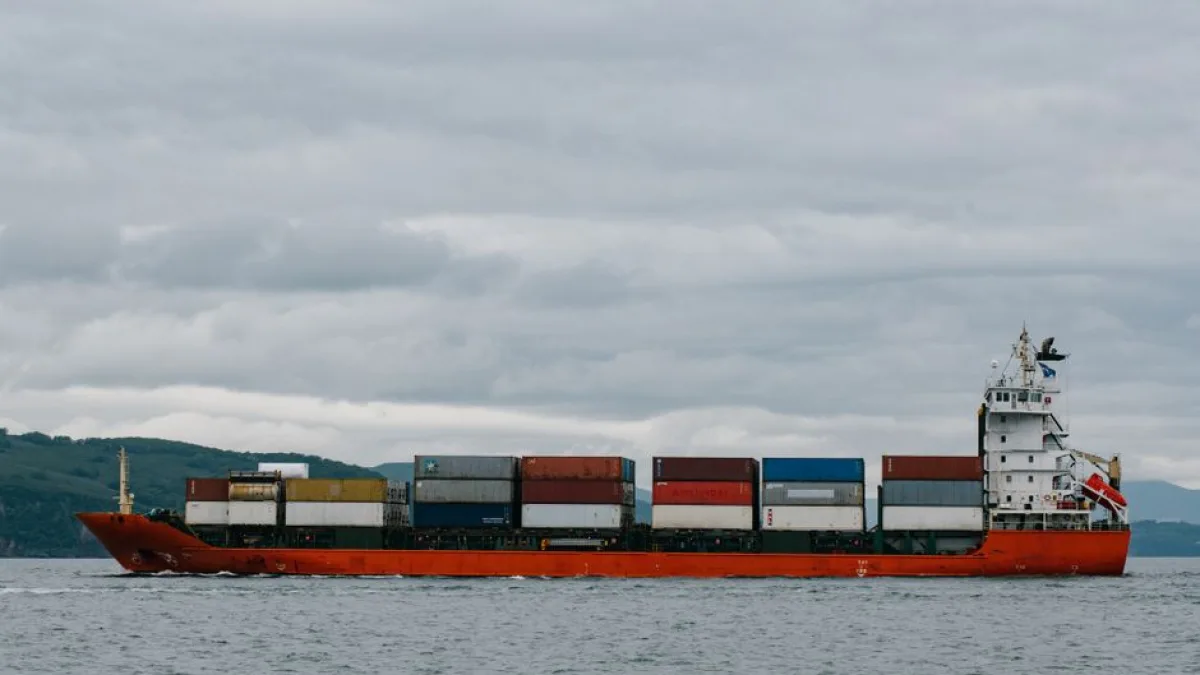
Maintaining strong partnerships with shipping carriers is essential for securing space during peak seasons. Effective software solutions help forwarders analyze carrier performance, negotiate better rates, and maintain a diversified network of vendors to keep operations running smoothly during global cargo shortages.
- Performance data analysis: Evaluate historical carrier performance metrics such as transit reliability and damage rates to make informed decisions about which partners best fit your clients.
- Rate management tools: Compare quotes from multiple shipping lines instantly, ensuring you always secure the most cost-effective and efficient transit options for every individual cargo load.
- Simplified booking flows: Automate the booking request process by sending standardized requirements to carriers, which reduces communication confusion and leads to faster allocation of vessel space.
- Strategic vendor vetting: Utilize integrated tools to track and categorize your carrier relationships, making it easy to identify reliable partners and negotiate favorable long-term contract terms.
Building strong carrier networks requires consistent data and clear communication strategies. By using digital platforms to manage these relationships, you create transparency that benefits both the forwarder and the shipping line. This collaborative approach leads to better pricing structures and priority handling, which are critical advantages during periods of high market volatility. Invest in your partnerships through technology to secure your competitive edge.
Enhancing Customer Transparency

Clients today demand total transparency regarding their shipments. Providing a professional, branded interface where customers can view their cargo status, download invoices, and communicate directly with your team builds lasting trust and separates your firm from less tech-savvy competitors in the industry.
- Branded client dashboards: Offer a customized interface that features your company logo and specific branding, providing a premium experience that enhances your professional market reputation significantly.
- Self-service information access: Empower clients to pull their own reports and shipping histories, which reduces the volume of repetitive queries your support team needs to handle daily.
- Instant messaging features: Facilitate secure, direct communication within the shipping platform, keeping all contextual information and file attachments linked to specific shipments for better organization.
- Automated milestone alerts: Set up custom triggers that notify clients when their goods clear customs or arrive at the port, creating a high-touch service experience without extra effort.
Transparent communication is the cornerstone of client retention in the ocean freight sector. When you utilize a platform that keeps customers informed and engaged, you foster a sense of security and reliability. As you grow, these digital touchpoints act as a scalable way to handle high client volumes while maintaining the high-quality service levels that your partners have come to expect from your business.
Conclusion
The evolution of ocean freight management through digital software is essential for survival in today's fast-paced logistics environment. By optimizing tracking, documentation, carrier relations, and client service, you position your firm for long-term success. Start integrating these advanced tools into your daily workflow today to reduce costs, eliminate errors, and improve your overall operational efficiency. Join the digital movement to secure your future.