Optimizing Ocean Freight Operations in a Digital Era
Friday, September 4 2026

Navigating the complex landscape of global ocean freight requires more than just logistical expertise and carrier relationships. Today, freight forwarders must leverage sophisticated technology to remain competitive in a market defined by volatility and shifting consumer demands. By integrating cloud-based platforms into daily operations, companies can gain granular visibility, automate repetitive tasks, and foster stronger collaboration across their supply chains. This article explores how digital transformation serves as the backbone of modern shipping success, providing the tools necessary to reduce overhead costs and improve customer satisfaction while managing the intricate details of international containerized trade cycles.
Streamlining Booking Processes
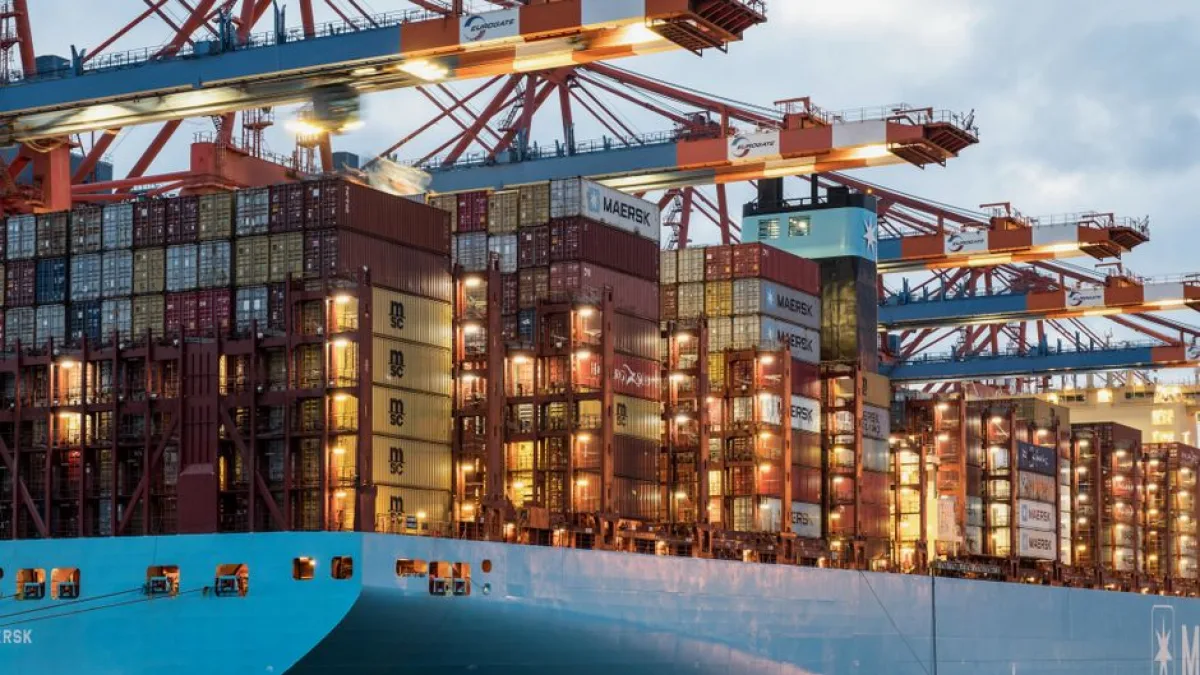
Digital booking portals have revolutionized how freight forwarders handle capacity requests and carrier coordination. By moving away from email and phone reliance, forwarders create a centralized repository for documentation, allowing teams to secure space faster and respond to client inquiries instantly.
- Centralized Booking Dashboards: Consolidate all carrier interactions into a single interface that tracks booking requests from submission to confirmation to eliminate administrative errors and improve communication across the entire supply chain.
- Automated Rate Retrieval: Utilize real-time connectivity with carriers to compare market rates instantly and select the most cost-effective routes without wasting time on manual data entry or outdated spreadsheets.
- Standardized Data Entry: Implement validation protocols to ensure that shipping instructions and carrier details are accurate before submission, significantly reducing the frequency of amendments and subsequent customs clearance delays.
- Instant Capacity Visibility: Access live carrier data to understand available space on vessels, enabling your team to make proactive booking decisions based on current market capacity and actual demand.
Adopting automated booking systems fundamentally changes the way your logistics team functions. Instead of managing endless email threads, your staff can focus on high-value client relationships and exception management. This transition minimizes manual entry errors and ensures that every booking is captured correctly the first time. Ultimately, digitizing the booking process creates a scalable infrastructure that supports business growth even during times of peak market volatility.
Enhancing Shipment Visibility

True visibility provides freight forwarders with the ability to monitor cargo status throughout the entire transit period. Modern tracking tools integrate live data from shipping lines to provide accurate location updates and milestone alerts for every container in the ocean.
- Real Time Tracking: Leverage direct API integrations with major shipping lines to receive accurate location data that keeps your clients informed about their cargo status at every stage.
- Proactive Exception Management: Identify potential transit delays or port congestion issues before they escalate, allowing your team to communicate effectively with clients and suggest alternative routing options immediately.
- Automated Milestone Alerts: Configure system triggers to notify your logistics team and customers when containers hit specific locations, reducing manual status requests and improving overall customer service transparency.
- Unified Tracking Portals: Provide your clients with a branded portal where they can view their shipment status, reducing the workload on your customer service team significantly every day.
Visibility is the primary driver of customer trust in the logistics industry. By providing clients with a clear view of their cargo progress, you mitigate anxiety regarding transit delays and port congestion. This transparency not only differentiates your services from traditional competitors but also empowers your team to address bottlenecks proactively. Investing in visibility tools is essential for maintaining strong long-term client retention strategies.
Managing Documentation Digitally

Document management remains one of the most labor-intensive aspects of ocean freight. Transitioning to a digital document environment reduces the risks associated with manual filing and ensures that critical paperwork is available for all stakeholders at the right moment.
- Cloud Based Storage: Maintain a secure and organized digital repository for bills of lading and commercial invoices that can be accessed by authorized personnel from any remote location.
- Automated Doc Processing: Reduce human error in documentation by using intelligent software to auto-populate critical fields, ensuring that your paperwork complies with complex international maritime trade regulations consistently.
- Version Control Systems: Track every change made to shipping documents in real time to ensure that all parties are working from the latest version, preventing confusion and costly disputes.
- Enhanced Document Security: Protect sensitive client data and financial information with high-level encryption standards that far exceed the security of traditional paper filing systems or local hard drives.
Digital documentation transforms the way your office handles administrative workloads. By eliminating physical paperwork, you reduce the risk of lost documents and human error, which are common pain points in maritime operations. Furthermore, centralized access ensures that your team can respond to customs authorities or client requests in seconds rather than hours. This level of efficiency is vital for maintaining productivity in fast-paced environments.
Driving Operational Scalability

Scaling your freight forwarding business requires robust tools that can handle increased volume without sacrificing accuracy. Cloud platforms allow you to expand your service offerings and manage complex supply chains efficiently by providing a reliable foundation for future growth.
- Flexible Software Architecture: Leverage cloud platforms that adapt to your business growth, allowing you to add new users or regions without the need for expensive hardware or infrastructure investment.
- Multi Language Support: Serve global clients effectively by utilizing platforms that handle various languages and currency conversions to ensure accurate billing and communication across all international maritime operations.
- Interoperable System Integrations: Connect your logistics software with accounting systems and warehouse management platforms to ensure that data flows seamlessly throughout your entire organization without manual reconciliation efforts.
- Scalable Resource Planning: Utilize detailed analytics to forecast demand and allocate your team resources effectively, ensuring that you maintain high service levels during busy peak shipping seasons.
Scaling a logistics company is a complex undertaking that requires the right software backbone. Cloud-based solutions provide the flexibility needed to adjust your operations as market conditions shift and your client base expands. By centralizing operations, you create a consistent experience for every client, regardless of their size or location. This strategic approach ensures long-term profitability while keeping your team focused on growth.
Conclusion
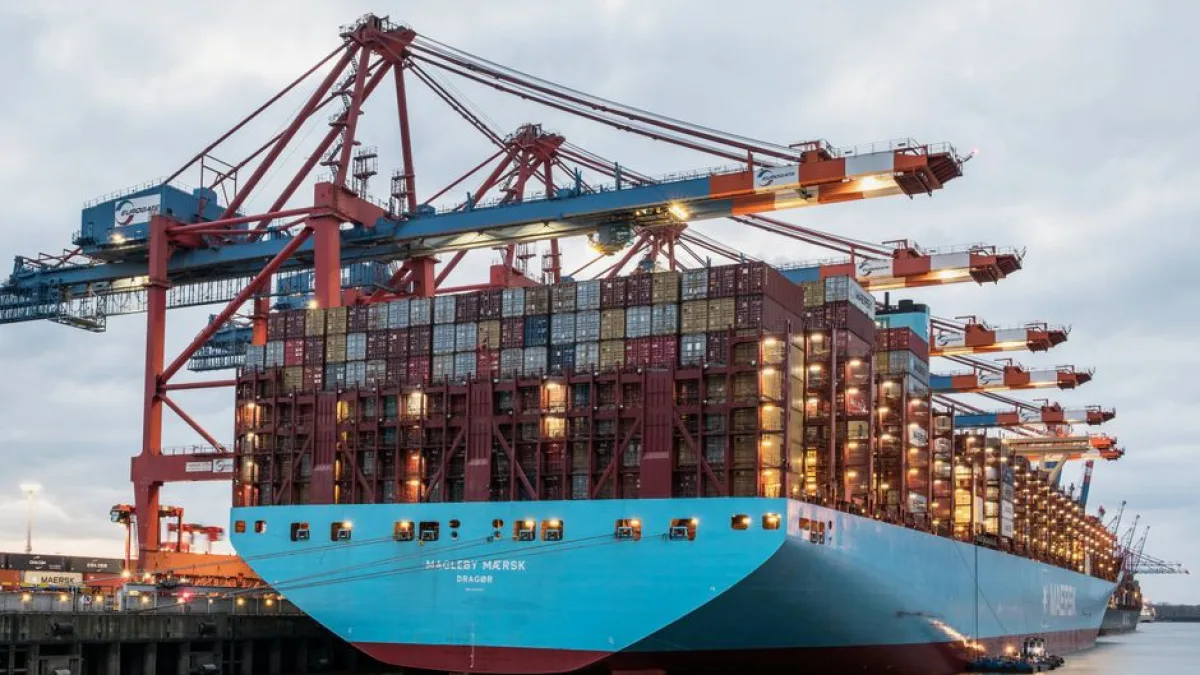
Success in the ocean freight industry requires a commitment to digital transformation and operational excellence. By implementing cloud-based tools for booking, tracking, documentation, and resource management, you position your firm to thrive in a competitive landscape. Start your digital journey today by evaluating your current workflows to identify where automation can add value. Build a more resilient and efficient future for your logistics operations with MakeCargo.