Optimizing Ocean Freight Operations for Modern Freight Forwarders
Saturday, September 5 2026
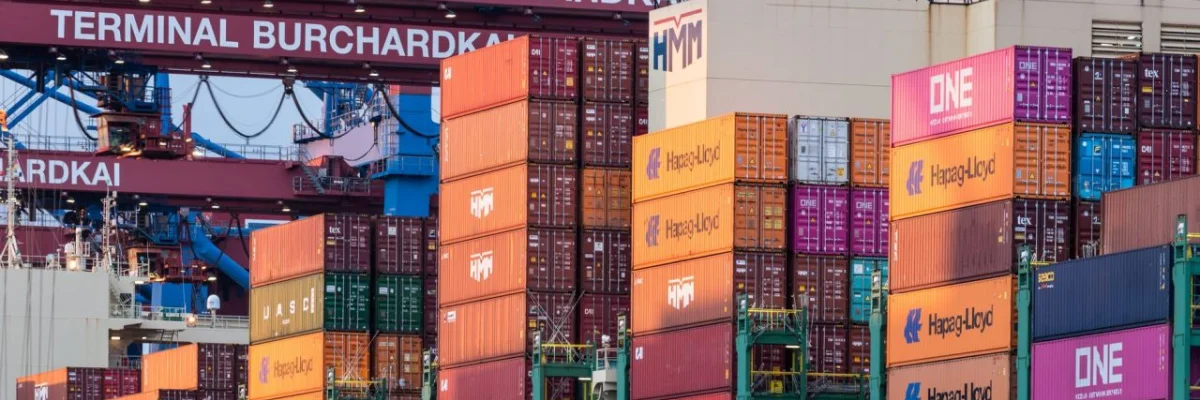
The global shipping landscape is evolving at an unprecedented pace, placing heavy pressure on freight forwarders to enhance their operational visibility and efficiency. As complexity in supply chain logistics grows, the ability to manage sea freight with precision becomes a defining competitive advantage. From navigating fluctuating capacity to mitigating the risks of port congestion, forwarders must leverage digital tools to stay ahead. By integrating cloud-based management solutions, your firm can transform traditional bottlenecks into streamlined workflows. This article explores essential strategies to modernize your ocean freight department, ensuring your team remains agile and profitable in a demanding global market environment.
Mastering Port Congestion Management
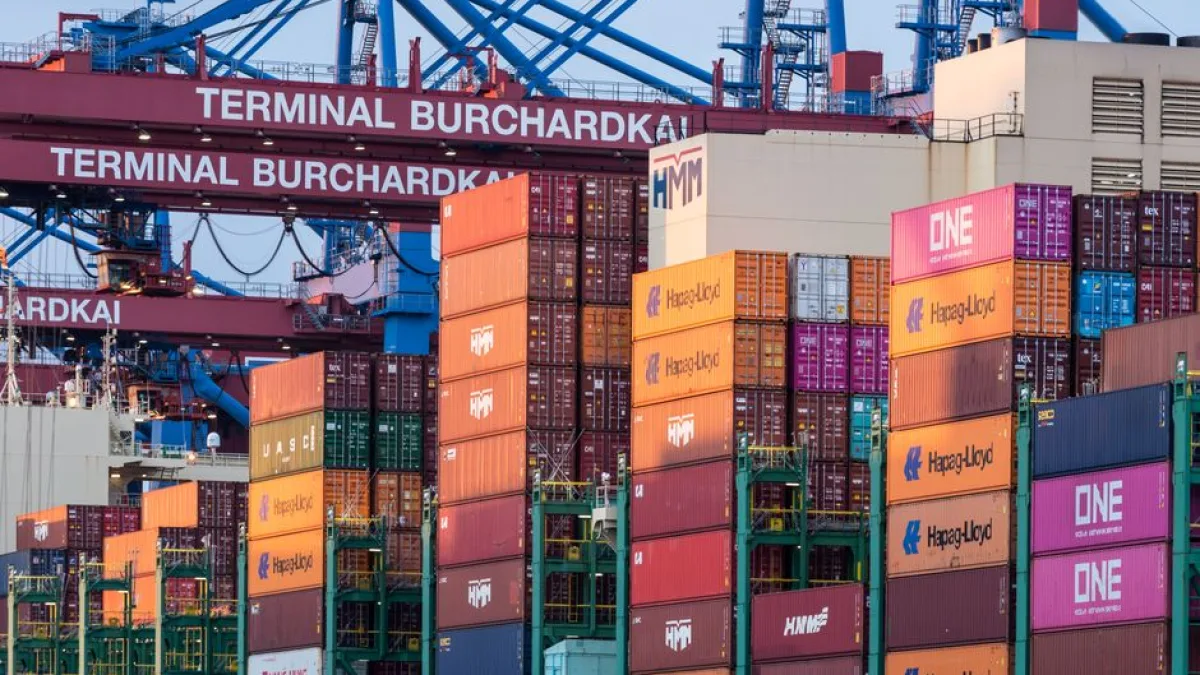
Efficiently navigating port congestion requires real-time data and proactive communication strategies to avoid costly delays. When vessels sit at anchor, the ripple effect disrupts inland logistics and customer satisfaction. Advanced tracking systems allow your team to anticipate bottlenecks before they happen.
- Automated Tracking Updates: Receive instant alerts regarding vessel status changes and port arrival times, allowing your staff to adjust transport schedules quickly and maintain client transparency throughout the shipping process.
- Proactive Route Planning: Utilize digital platforms to analyze historical port performance data, enabling your logistics coordinators to select routes that minimize wait times and maximize overall fleet efficiency.
- Direct Carrier Integration: Connect your management system directly with carrier APIs to fetch accurate scheduling updates, reducing manual entry errors and ensuring your data reflects actual terminal operations.
- Resource Allocation Forecasting: Predict peak activity periods at major hubs by analyzing historical throughput volumes, ensuring that your team is fully staffed and ready for high-demand shipping seasons.
By shifting from reactive firefighting to data-driven orchestration, forwarders significantly reduce the financial impact of port delays. Integrating these digital tools provides a centralized dashboard that highlights critical bottlenecks in real time. This operational visibility empowers your team to make informed routing decisions, ultimately preserving carrier relationships and delivering a superior service experience for your clients while securing your margins in an unpredictable market.
Optimizing Container Space Utilization
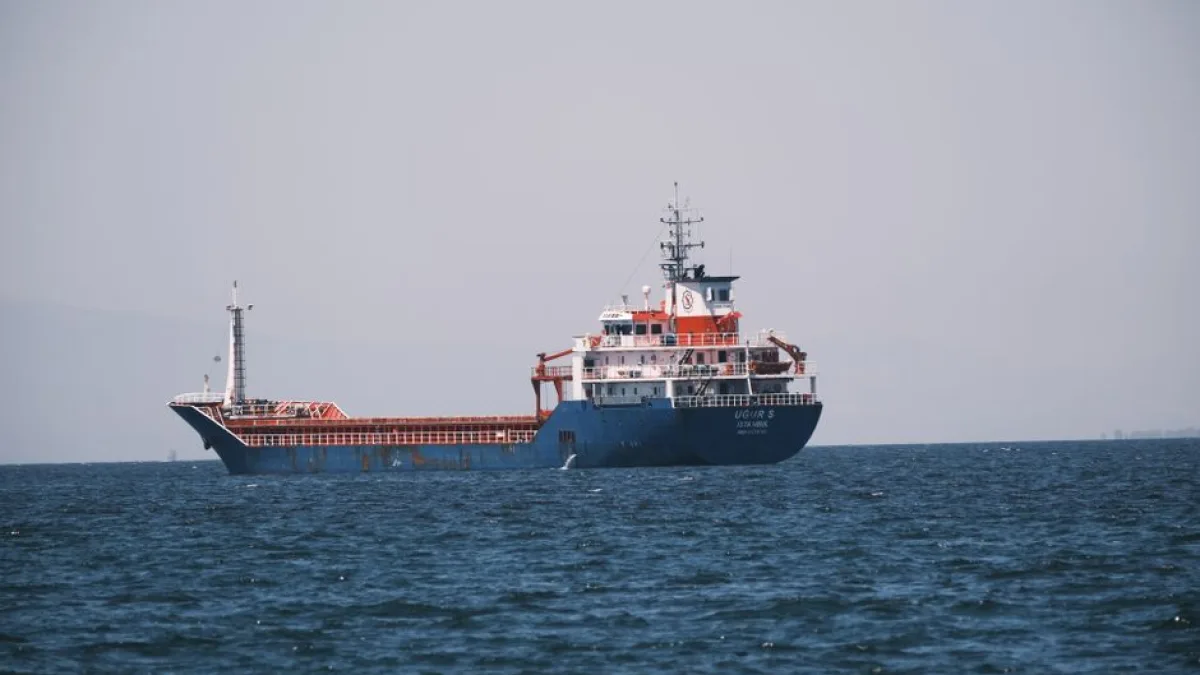
Maximizing container load factors is a primary driver of profitability for modern freight forwarders. Underutilized space translates into wasted revenue, yet balancing weight and volume limitations remains a complex puzzle for logistics planners dealing with diverse cargo types.
- Advanced Load Planning: Deploy specialized software tools that calculate the most efficient stacking patterns, ensuring that every cubic meter of container space is utilized effectively for maximum load capacity.
- Consolidation Strategy Tools: Identify opportunities to group smaller shipments from different clients into a single container, which helps to lower individual shipping costs and increase your overall profit margins.
- Weight Distribution Analysis: Calculate precise weight distributions for every container to comply with safety regulations and avoid excessive port fees or potential fines during the customs inspection process.
- Data-Driven Load Metrics: Track your average container utilization rates over time to identify specific departments or account managers who excel at load consolidation and share these best practices.
Implementing a systematic approach to space utilization transforms your operational efficiency by lowering cost per unit. When your team can visualize the potential for consolidation at the booking stage, you effectively minimize empty space and improve your bottom line. These strategic improvements help you offer more competitive pricing to your customers, effectively positioning your firm as a leader in the global shipping industry.
Streamlining Documentation and Customs

Accurate documentation is the backbone of international ocean freight, yet manual processing remains a major cause of delays. Transitioning to automated document management systems ensures compliance and speed, reducing the human error associated with paper-heavy shipping workflows today.
- Digitized Booking Forms: Replace manual forms with automated digital booking portals that capture essential customer data accurately, reducing back-and-forth communication and accelerating the initial carrier booking approval process significantly.
- Automated Customs Filings: Integrate directly with local customs authorities to submit mandatory clearance documents, ensuring compliance with international regulations while simultaneously speeding up the cargo release process at destination.
- Unified Document Repository: Maintain a centralized cloud storage system where all bills of lading, commercial invoices, and packing lists are accessible to authorized team members and customers.
- Validation Workflow Automation: Configure system rules that automatically flag missing information or incorrect data entries in shipping documents, ensuring that every file meets strict carrier and customs requirements.
Automated documentation transforms the administrative burden into a seamless digital workflow that increases team capacity. By removing repetitive data entry tasks, your staff can focus on high-value client interactions and complex problem solving. This shift towards a paperless environment not only enhances your firm's professional reputation but also reduces the likelihood of costly administrative errors that often lead to shipments being held up.
Enhancing Customer Transparency
Today's shippers demand high levels of visibility, expecting constant updates regarding the status of their high-value cargo. Providing a self-service portal for your clients builds trust and significantly reduces the volume of repetitive inquiry emails sent to your team.
- Client Self-Service Portals: Provide your customers with a secure, branded dashboard where they can track shipments in real time, view invoices, and download critical documents at their own convenience.
- Automated Milestone Notifications: Set up triggered email alerts that automatically update your customers at key shipping milestones, keeping them informed without requiring constant manual updates from your staff.
- Transparent Performance Reporting: Generate automated monthly reports for your major accounts that highlight key performance indicators, demonstrating your commitment to service quality and continuous operational improvement for them.
- Integrated Messaging Channels: Utilize secure, in-platform communication tools to handle shipping inquiries, ensuring that all correspondence is logged correctly against the specific file for future reference and internal auditing.
Proactive transparency is a powerful tool for customer retention in the competitive freight forwarding sector. When clients can access information independently, your team is freed from answering basic status queries, allowing for more strategic account management. This digital evolution fosters deeper partnerships with your shippers, demonstrating that your firm is reliable, tech-forward, and entirely dedicated to providing a superior level of shipping service.
Conclusion

Modernizing your ocean freight operations is no longer optional in an increasingly digitized global trade environment. By focusing on congestion management, container optimization, streamlined documentation, and client transparency, your firm can achieve operational excellence. Start your journey toward higher efficiency by auditing your current workflows and adopting cloud-based tools that scale with your business growth. Your future competitiveness starts with these strategic, data-driven decisions today.