Optimizing Ocean Freight Operations for Modern Freight Forwarders
Sunday, September 6 2026
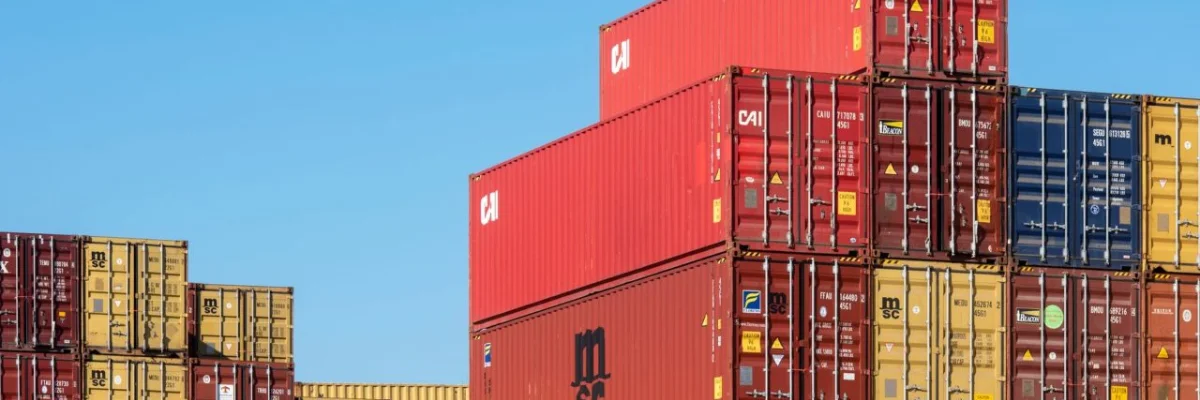
The global shipping industry is evolving at an unprecedented pace, placing heavy pressure on freight forwarders to move beyond manual processes and embrace digital transformation. As logistics demands grow, the ability to manage complex ocean freight lanes, volatile container rates, and fluctuating demand becomes the primary differentiator for successful agencies. By integrating smart software solutions, forwarders can reclaim time spent on repetitive tasks and focus on building stronger client relationships. This shift not only improves operational efficiency but also provides the real-time visibility required to navigate the current competitive landscape, ensuring that cargo reaches its final destination without unnecessary delays or expensive overheads.
Mastering Container Logistics
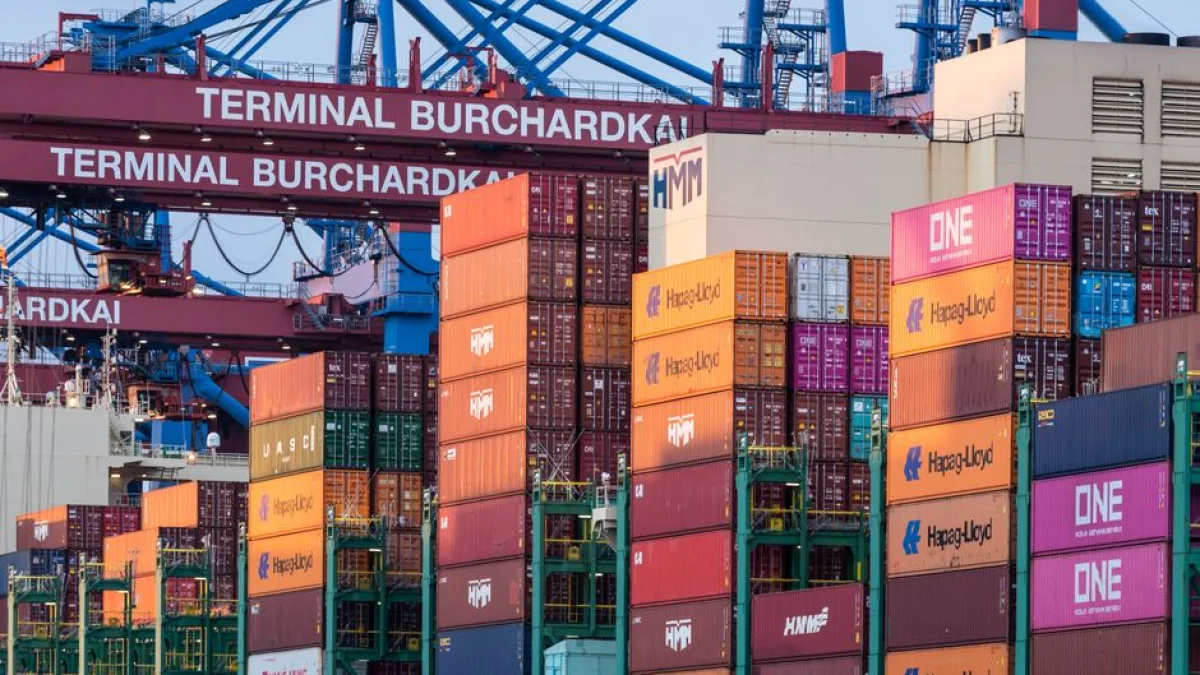
Efficient container management requires a blend of real-time tracking and strategic planning to ensure that every slot is utilized. Freight forwarders must handle vessel schedules and port congestion with precision to keep supply chains moving through these vital global arteries.
- Automated space booking: Integrate digital booking platforms directly with major carriers to secure vessel space in seconds while eliminating manual data entry and reducing common human error in documentation.
- Real-time vessel tracking: Utilize advanced software integrations to monitor container status across global waters, allowing your team to provide proactive status updates to clients throughout the entire transit.
- Container utilization rates: Analyze past shipments to optimize loading patterns and ensure that every container shipped represents the best possible value for your clients and your own agency.
- Carrier performance metrics: Evaluate your shipping partners based on historical reliability and transit speed to make informed decisions that minimize risks for your customers during peak seasonal periods.
By shifting to an automated approach for container management, your agency will significantly reduce the administrative burden associated with ocean shipping. Modern tools allow you to focus on high-value logistics challenges rather than manual scheduling tasks. Consistent data flow creates a more transparent process for every stakeholder involved in the move. Embracing these technologies is the definitive step toward scaling your operations in a demanding market.
Simplifying Documentation Workflows
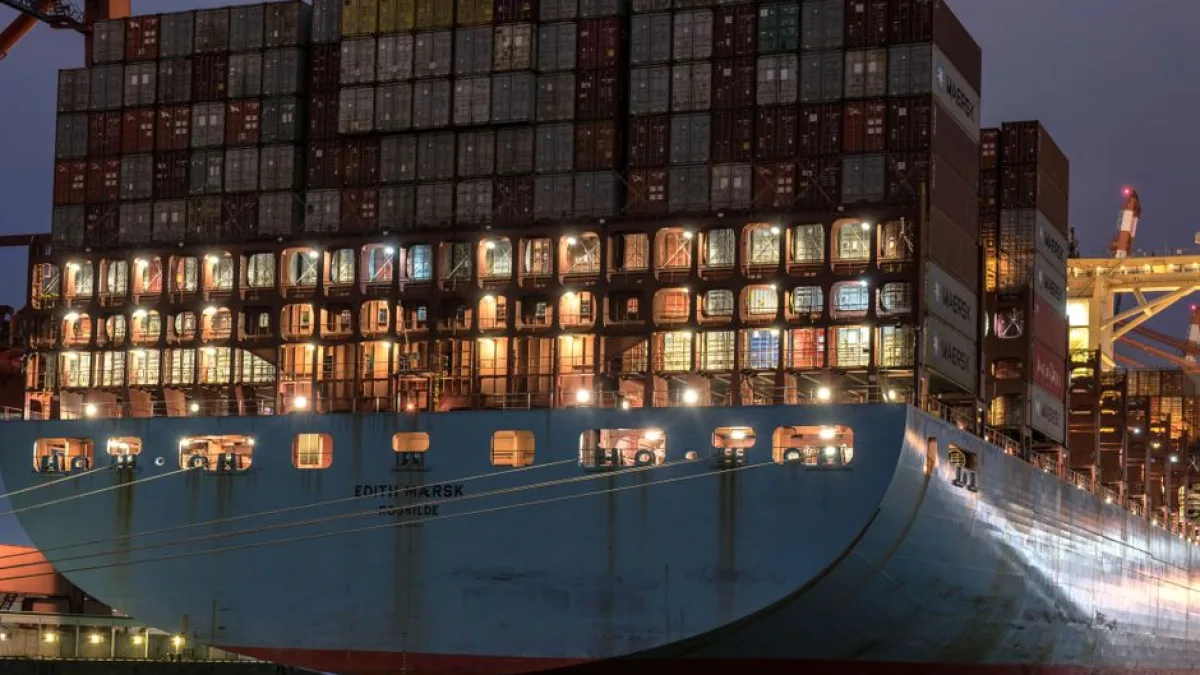
The paperwork associated with international ocean freight is notoriously dense, involving bills of lading, commercial invoices, and packing lists. Transitioning these documents into a digital format is essential for maintaining compliance and avoiding costly delays at customs and busy ports.
- Standardized digital templates: Create reusable document templates that automatically populate with shipment details to ensure consistency and speed when generating bills of lading for your daily operations.
- Cloud document storage: Maintain a centralized and secure repository for all shipping documentation, making it easier for authorized team members to retrieve critical records during audits or inquiries.
- Instant customs integration: Link your documentation software directly with customs broker portals to facilitate seamless data exchange and reduce the risk of rejected entries at arrival ports.
- Automated proof generation: Automatically compile necessary shipping evidence and certificates of origin to keep your files organized and ready for verification by international maritime authorities and customs inspectors.
Digital documentation eliminates the risks associated with lost paperwork and slow manual filing systems. Your team can process more shipments in less time while maintaining high levels of accuracy across all customer accounts. When your documentation is perfectly synchronized with your logistics software, you gain a massive competitive advantage. Transitioning to a paperless environment is a necessary investment for any forwarder aiming for long-term growth.
Navigating Rate Volatility

Fluctuating freight rates make it difficult to maintain profit margins while remaining attractive to new clients. Using software to track market trends and historical pricing data helps forwarders provide accurate quotes even when the global shipping market remains highly unpredictable.
- Dynamic rate comparison: Utilize automated tools to pull and compare real-time pricing from multiple carriers, ensuring that you always offer the most competitive ocean freight rates available today.
- Historical data analysis: Look back at pricing trends from previous years to forecast seasonal spikes and advise your clients on the best times to book their essential cargo.
- Smart quote automation: Deploy customer portals that allow clients to request and receive instant quotes, freeing your sales team to concentrate on closing high-value deals rather than pricing.
- Profit margin tracking: Monitor the profitability of every ocean freight shipment by automatically accounting for fluctuating surcharges, fuel adjustments, and other variable fees that impact your bottom line.
Data-driven pricing strategies allow your freight forwarding business to remain resilient against market volatility. By leveraging accurate historical data and real-time carrier intelligence, you can provide the stability your clients require during turbulent economic times. This consistency builds deep trust and encourages long-term partnerships. When your pricing model is backed by software, you stop guessing and start making informed, profitable business decisions every day.
Ensuring Supply Chain Visibility

Total visibility into the supply chain is the standard expectation for modern shippers who want to know exactly where their goods are at all times. Providing a transparent customer portal is the most effective way to improve service levels.
- Client tracking portals: Offer your customers a dedicated dashboard where they can track their containers from port to door, drastically reducing the number of manual email status updates.
- Proactive exception handling: Receive automated alerts when shipments encounter delays, allowing your team to inform clients and provide solutions before the issue escalates into a larger problem.
- Integrated carrier status: Connect directly with carrier tracking APIs to pull accurate milestone data into your internal software, ensuring that your data is always perfectly synchronized and current.
- Customized shipment reporting: Provide your clients with automated performance reports that demonstrate the value and efficiency of your services, helping you to justify long-term service contracts and renewals.
Visibility serves as the backbone of high-quality customer service in the freight forwarding industry. When clients have the information they need at their fingertips, their satisfaction increases and your administrative workload decreases. Focusing on transparency makes your agency the reliable partner that customers trust for their complex ocean shipments. Start prioritizing real-time data integration today to provide the superior experience that modern logistics demands.
Conclusion

Transforming your ocean freight operations requires a commitment to digital tools that streamline processes and improve visibility. By adopting the strategies outlined in this guide, your agency can effectively navigate the complexities of international trade. Focus on automating documentation, mastering rate analysis, and providing transparent tracking to your clients. These improvements will position your business for sustainable success in a highly competitive global market.