Optimizing Ocean Freight Operations in a Digital Era
Monday, September 7 2026

Navigating the complex landscape of global ocean freight requires more than just traditional logistical expertise in the modern age. As supply chain demands evolve, freight forwarders are increasingly turning to cloud-based solutions to maintain visibility and efficiency. The shift towards digitalization is no longer a luxury but a necessity for companies aiming to stay competitive in a volatile market. By leveraging advanced software platforms, forwarders can automate manual tasks, reduce human error, and provide superior service levels. This article explores how embracing technology can transform your shipping operations and drive sustainable growth for your logistics business moving forward.
Modern Port Automation Technology
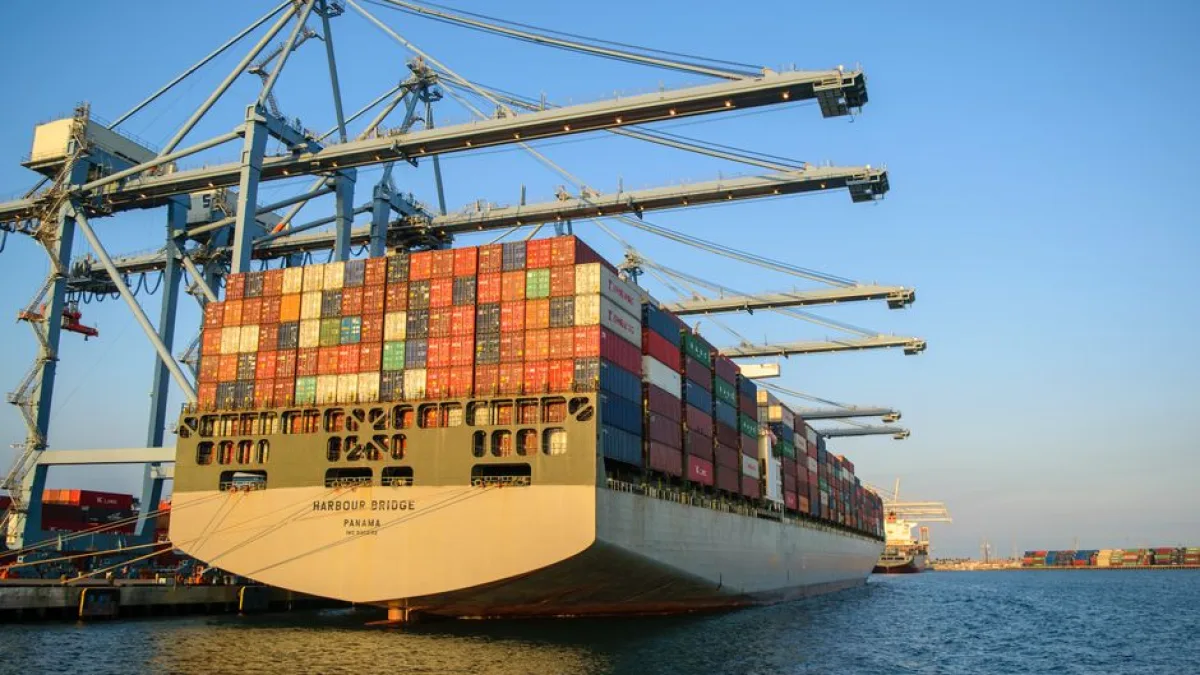
Port operations are becoming increasingly digitized to handle higher volumes of global trade with greater speed. Automation tools now allow for real-time tracking of containers as they move through terminal gates, significantly reducing bottlenecks and improving overall port throughput efficiency.
- Automated gate systems: These systems use advanced optical character recognition to identify containers instantly, which drastically cuts down waiting times and improves the accuracy of terminal entry documentation records.
- Real-time container tracking: Integrated sensors provide continuous updates on shipment status, ensuring that forwarders always have precise visibility into where their cargo is located during the transit.
- Digital documentation flow: Electronic data interchange replaces physical paperwork, allowing for faster clearance processes and reducing the administrative burden on teams managing complex maritime shipping workflows.
- Optimized berth scheduling: Software tools predict vessel arrival patterns and allocate dock space accordingly, preventing unnecessary congestion and ensuring that ships are loaded and unloaded without any delays.
By investing in modern port automation technology, forwarders can gain a substantial competitive advantage. These systems remove the reliance on outdated manual input methods, allowing your staff to focus on strategic client relations rather than basic data entry. As ports continue to upgrade their infrastructure, integrating your own internal software with these digital gate systems becomes essential for maintaining consistent, high-speed cargo movement flows.
Supply Chain Visibility Tools
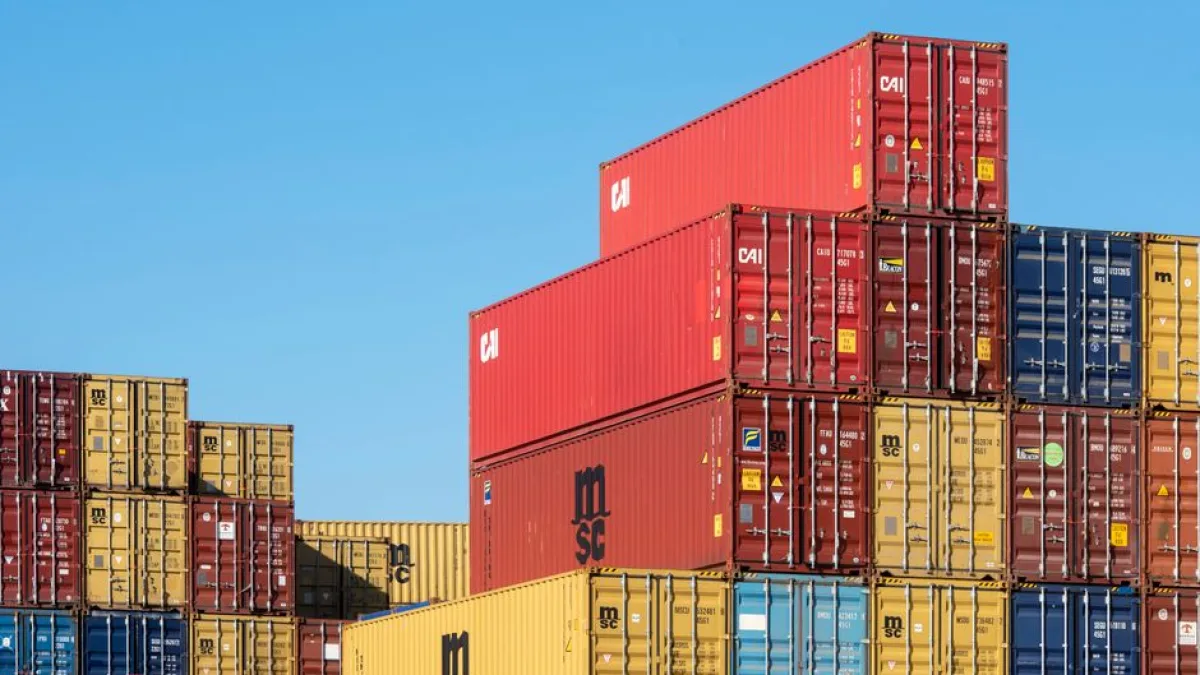
Visibility is the backbone of successful ocean freight management today. Advanced software platforms provide a single source of truth, allowing stakeholders to monitor shipment milestones from origin to destination through an intuitive and highly responsive digital dashboard interface.
- Live tracking APIs: Direct integrations with major ocean carriers enable the automatic import of status updates, providing your clients with accurate and timely information on every shipment.
- Automated milestone alerts: Custom notifications keep your internal teams informed of any schedule changes, allowing for proactive communication before minor issues escalate into major operational disruptions.
- Interactive map visualization: Graphical representations of vessel positions help clients understand the global reach of your services while highlighting potential geographic risks during the oceanic transit.
- Consolidated data reporting: Centralized storage of all shipment history allows for deep analysis of performance metrics, helping you identify trends and optimize your future routing strategies.
Transparent communication is critical for building long-term trust with your shipping partners. By utilizing robust visibility tools, you move beyond basic tracking and start offering a premium experience that sets you apart from competitors. These platforms turn fragmented data points into actionable insights, helping you anticipate potential delays before they impact your customers. Reliable information flow is the foundation of modern logistics excellence.
Streamlining Documentation Workflows

Manual document handling is a major source of delays and errors in the freight forwarding industry. Transitioning to a cloud-based document management system allows teams to collaborate seamlessly while ensuring that compliance standards are met across all international shipping borders.
- Automated bill creation: Pre-filled templates pull data directly from your system to generate accurate bills of lading, which minimizes errors and speeds up the entire billing.
- Secure cloud storage: Centralizing all documents in a protected digital environment ensures that information is easily accessible to authorized personnel from any location around the world.
- Digital signature integration: Implementing electronic signature capabilities facilitates rapid approval of critical shipping documents, eliminating the need for physical mail or costly and slow courier services.
- Compliance validation checks: Automated systems flag missing information or regulatory inconsistencies before files are submitted, preventing costly penalties and shipment holds at foreign customs clearance points.
Eliminating paper-based processes is one of the most effective ways to boost your internal productivity. When your documentation is handled through a unified digital platform, your team can process more shipments with fewer resources. This efficiency not only saves money but also improves your overall response time, making your firm a more reliable partner for clients who value speed and accuracy.
Data-Driven Decision Making

Transforming raw shipping data into meaningful business intelligence is the key to scaling your operations effectively. By analyzing past performance and market trends, forwarders can make smarter choices about carrier selection and route planning, ultimately maximizing their overall profit margins significantly.
- Carrier performance metrics: Detailed reporting allows you to compare different shipping lines based on their reliability and cost, helping you select the best partners for specific routes.
- Predictive cost analysis: Historical data models help your team forecast price fluctuations, enabling more accurate quoting and better margin protection during periods of high market volatility.
- Resource allocation planning: Identifying high-volume routes through data analysis helps you focus your staff efforts where they are needed most to achieve the highest business returns.
- Market trend forecasting: Analyzing global demand patterns assists in strategic planning, allowing you to stay ahead of seasonal changes and secure capacity before the market tightens.
In the high-stakes world of international logistics, guessing is never a viable strategy. Utilizing a cloud platform to synthesize your operational data allows for precise decision-making that drives profitability. By focusing on metrics that matter, you can optimize your routing choices and carrier negotiations. This proactive approach turns your logistics operation into a highly efficient engine that consistently delivers value to clients.
Conclusion

Embracing digital transformation is essential for modern freight forwarders seeking to navigate the challenges of global ocean shipping. By integrating automated workflows, real-time visibility tools, and data analytics into your daily operations, you can significantly enhance your service efficiency and client satisfaction levels. Start optimizing your freight forwarding business today with a cloud-based platform designed to handle the complexities of the modern shipping industry.