Optimizing Ocean Freight Operations for Modern Freight Forwarders
Tuesday, September 8 2026
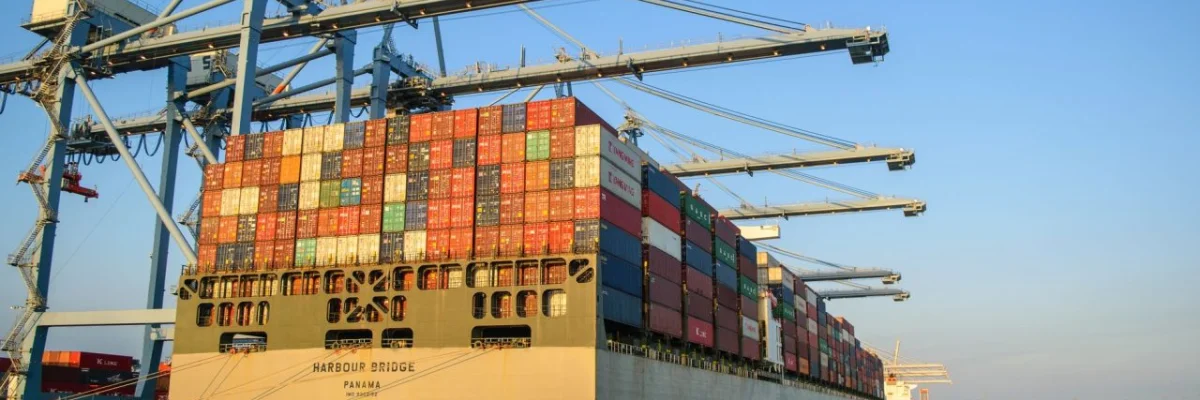
The global shipping industry faces unprecedented pressure as supply chain complexities grow alongside client demands for transparency. For freight forwarders, relying on outdated manual processes or disconnected spreadsheets is no longer sustainable in a digital-first economy. Embracing cloud-based solutions has shifted from being a competitive advantage to a fundamental necessity for survival. By integrating automated workflows, real-time tracking, and centralized communication hubs, logistics companies can drastically reduce operational overhead while improving shipment visibility. This shift empowers teams to move beyond tactical data entry, allowing them to focus on strategic client relations and high-value decision-making in an increasingly volatile ocean freight market.
Digitizing Booking Management
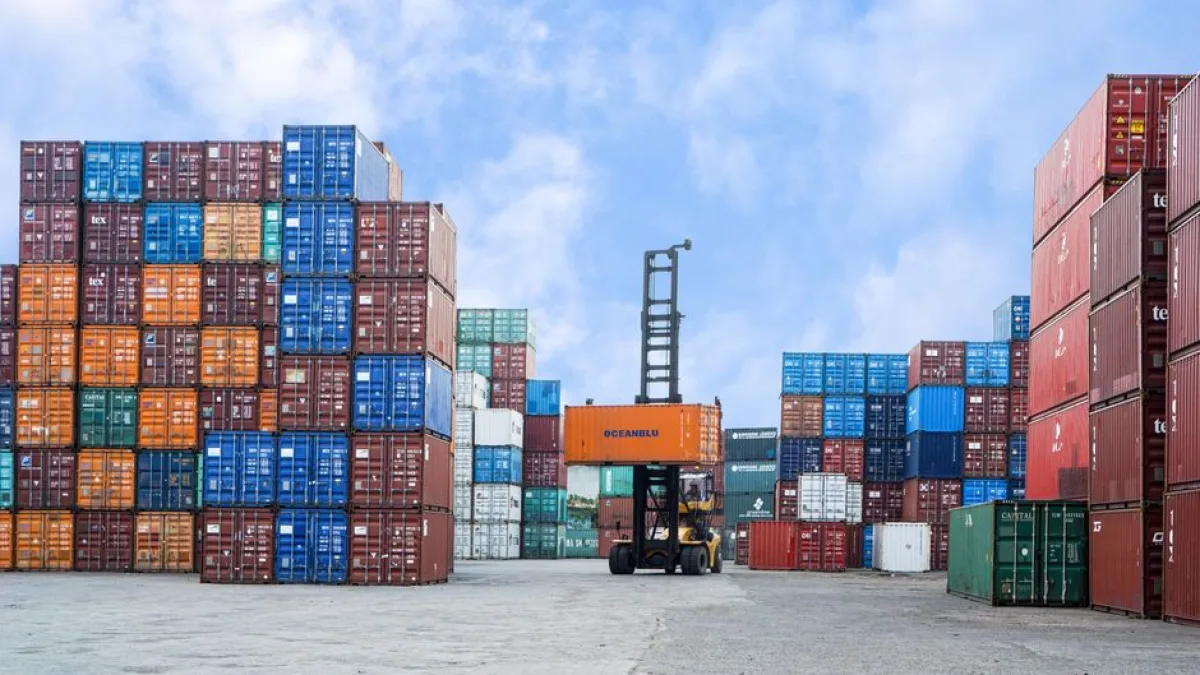
Efficient booking processes form the backbone of a successful forwarding operation, yet manual data entry remains a significant bottleneck. Automating these inputs through digital platforms ensures that cargo details are accurate, standardized, and immediately accessible to all relevant stakeholders across the globe.
- Real-time data synchronization: Cloud platforms update booking details instantly, ensuring that all team members access the most accurate information to prevent costly mistakes during the complex documentation phase of shipping.
- Automated rate retrieval: Modern software pulls live pricing from multiple carriers simultaneously, allowing forwarders to compare options and secure the most cost-effective routes for their clients within seconds.
- Centralized document storage: Keeping bills of lading and commercial invoices in a single digital location simplifies retrieval and enhances compliance throughout the entire ocean freight lifecycle.
- Error reduction strategies: Automated validation rules catch missing fields or invalid codes before a booking request is submitted, significantly decreasing the frequency of carrier rejections and shipment delays.
Transitioning away from manual email chains creates a seamless flow of information that reduces human error significantly. When your team spends less time hunting for documents or re-typing cargo specifications, they gain more bandwidth to handle exception management. A digitized booking system effectively builds trust with clients by providing them with consistent and reliable updates from the very first step of the transportation process.
Enhancing Shipment Visibility
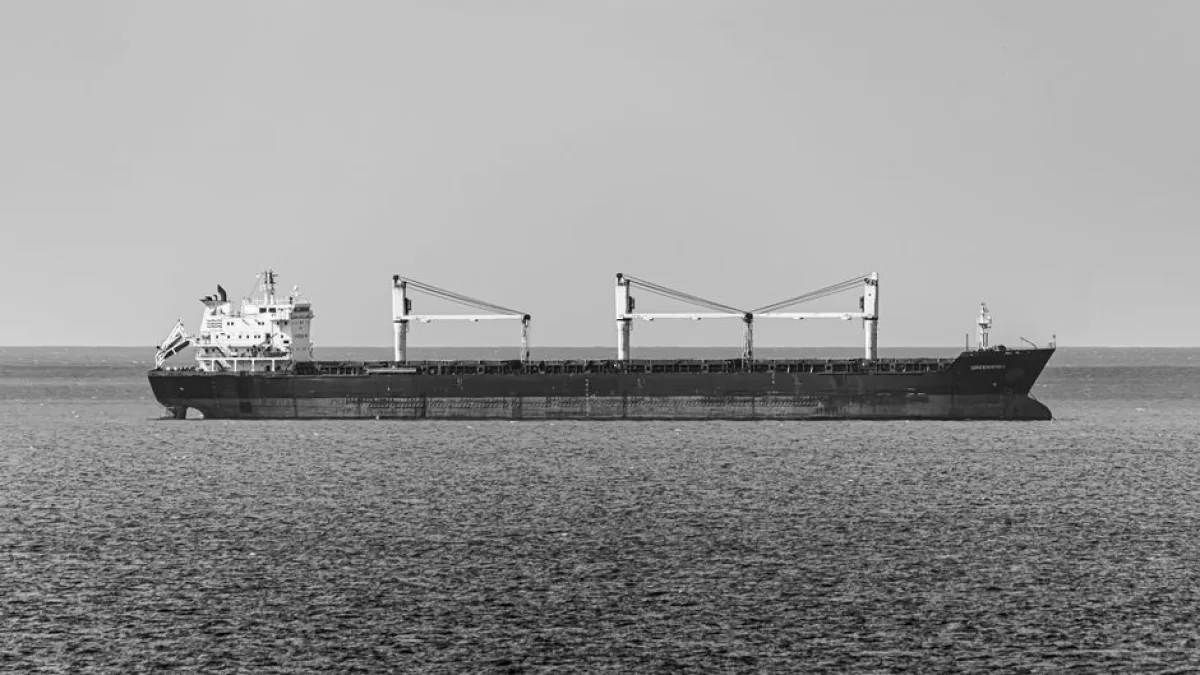
Shippers today demand granular visibility into the location and status of their cargo as it moves across international waters. Providing this level of transparency is essential for retaining top-tier accounts and differentiating your services in a crowded and competitive market.
- Integrated carrier tracking: Automated systems pull status updates directly from shipping line APIs to provide real-time location insights without requiring manual status checks or client inquiries.
- Proactive exception alerts: Intelligent monitoring tools notify your staff about potential delays or port congestion immediately, enabling you to inform clients before issues impact their inventory planning.
- Customer portal access: Providing clients with their own login credentials allows them to monitor shipment progress independently, reducing the volume of routine status request emails received.
- Predictive arrival estimates: Advanced analytics leverage historical data and vessel tracking to provide more accurate arrival windows, helping shippers manage their warehouse labor and inventory levels efficiently.
Visibility is more than just knowing where a vessel is located at any given moment. It is about providing actionable intelligence that helps your clients navigate uncertainty. When you proactively solve problems before they escalate into major disruptions, you establish your company as a true partner. This level of reliability encourages long-term loyalty and secures your position as a trusted advisor in logistics.
Streamlining Documentation Workflows

Processing complex shipping documentation is often the most time-consuming aspect of international logistics. By streamlining these administrative tasks through intelligent software, your firm can accelerate the release of documents and improve overall billing accuracy to boost daily cash flow.
- Customizable document templates: Standardizing shipping documents ensures that all required regulatory data is included, which minimizes the risk of heavy fines or customs clearance delays at ports.
- Cloud based collaboration: Multiple team members can review and edit shipping documents simultaneously, which shortens the approval process and ensures files are finalized before vessel departure times.
- Electronic signature integration: Adopting digital signatures speeds up the authorization of sensitive documents, removing the need for physical printing, scanning, or courier services during the export process.
- Automated billing cycles: Linking document generation to accounting modules ensures that invoices are issued as soon as cargo is confirmed, resulting in faster payment cycles for forwarders.
Optimizing your documentation workflow is one of the quickest ways to improve operational margins. By eliminating repetitive tasks, you enable your team to process higher volumes of shipments without needing to increase headcount. A structured digital environment ensures that every piece of paperwork is compliant and accurate, which safeguards your business against the legal risks and financial penalties often associated with international trade.
Leveraging Data for Strategy

Data is the most valuable asset in the modern freight industry, yet many companies fail to utilize the information they already possess. Extracting insights from your shipment history allows you to refine your operational strategy and negotiate better carrier contracts.
- Performance analytics dashboard: Monitoring key performance indicators like transit times and carrier reliability helps you identify which partners provide the best value for specific trade lanes.
- Client profitability reports: Analyzing the revenue generated against the operational effort per customer allows you to focus your resources on high-margin accounts that drive growth.
- Market trend identification: Spotting shifts in shipping patterns early allows your business to pivot its service offerings, ensuring you remain aligned with current global supply chain demands.
- Strategic vendor negotiations: Presenting concrete volume data to shipping lines during contract renewal discussions gives you the leverage needed to secure competitive rates and better space guarantees.
Data-driven decision making replaces gut feeling with objective evidence, leading to more resilient business practices. By maintaining a clean and accurate database, you create a feedback loop that helps your team identify bottlenecks and capitalize on new opportunities. As the freight industry continues to evolve, forwarders who invest in analytical capabilities will be the ones that dominate their target markets for years ahead.
Conclusion
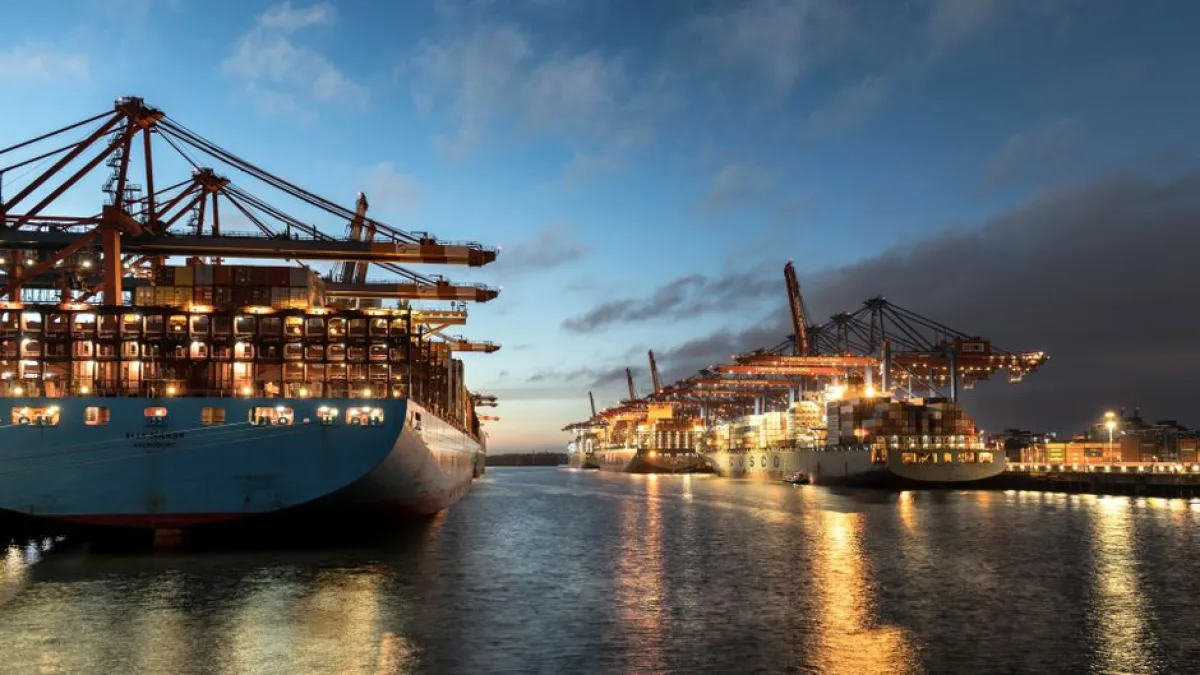
Modernizing ocean freight operations is an ongoing journey that requires both the right technology and a commitment to process improvement. By embracing digital tools, your firm can transform from a traditional logistics provider into a data-driven powerhouse. Start small by automating one high-volume task and scale your operations from there to ensure that your business thrives despite the challenges of the global trade environment.