Optimizing Ocean Freight Operations in a Digital Era
Tuesday, September 8 2026
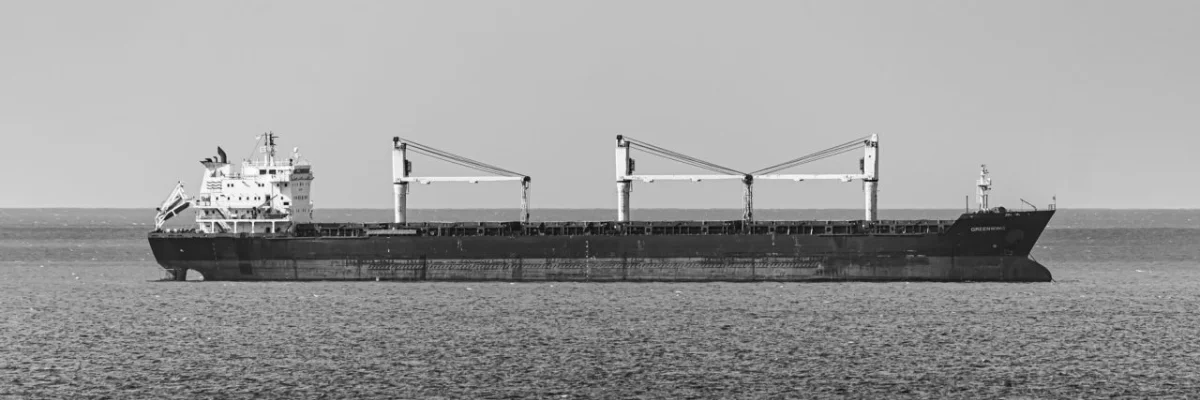
The global shipping industry is currently navigating a period of rapid digital transformation, necessitating a move away from manual documentation toward automated freight management systems. For modern freight forwarders, the complexity of ocean logistics requires precise coordination between carriers, terminals, and exporters. By integrating cloud-based software, companies can replace disjointed spreadsheets with real-time visibility tools that streamline every step of the supply chain. This shift not only improves operational efficiency but also provides a significant competitive advantage by allowing teams to address bottlenecks before they escalate into costly delays for global clients across international shipping lanes.
Modernizing Documentation Processes
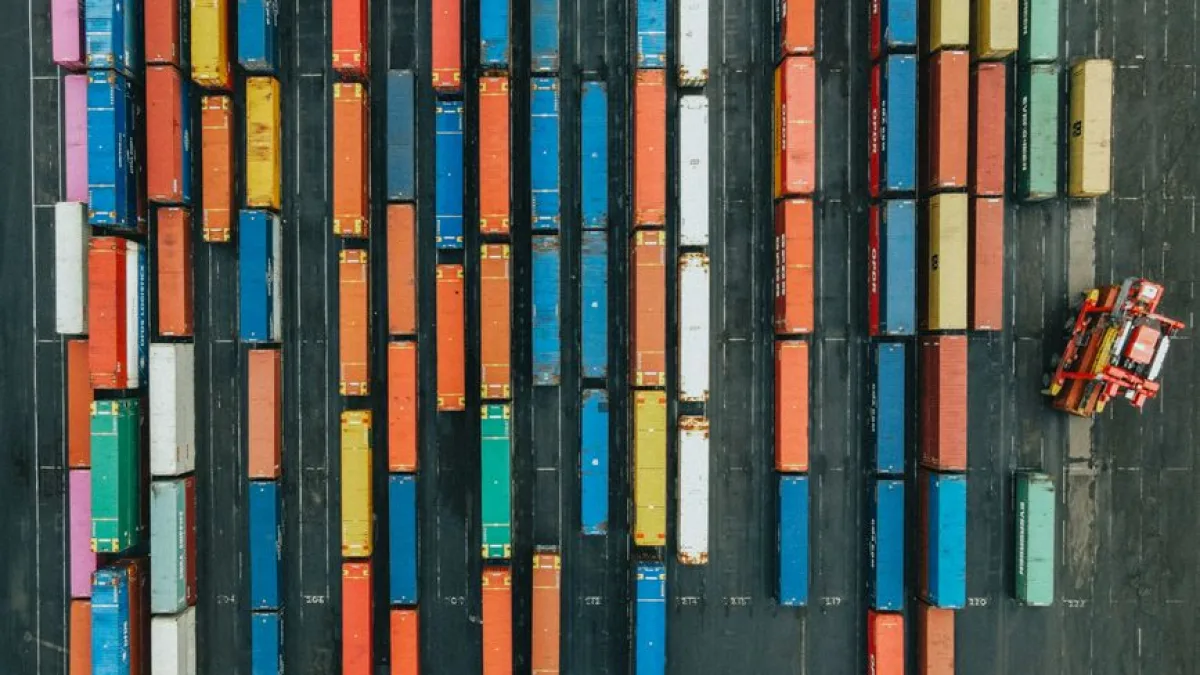
Digitizing your documentation workflow is essential to reducing the administrative burden that slows down modern freight forwarders during busy shipping seasons. Moving away from manual data entry allows your team to focus on high-value tasks that drive revenue and growth.
- Cloud based storage: Centralizing your documentation in a secure cloud environment ensures that every team member accesses the latest version of shipping manifests and bills of lading without delays.
- Automated data entry: Utilizing optical character recognition technology minimizes human errors during the input process, saving countless hours and ensuring that critical shipment details remain accurate and reliable.
- Instant document sharing: Sending digital copies to customs authorities and customers immediately accelerates the clearance process and reduces the risk of physical paperwork becoming lost in transit.
- Workflow automation triggers: Configuring automatic notifications for document updates keeps all stakeholders informed in real time, preventing communication silos and improving transparency throughout the entire ocean freight cycle.
Transitioning to a paperless environment fundamentally changes how forwarders handle daily tasks. By removing the reliance on physical files, you create a more agile organization capable of adapting to shifting market demands quickly. This digital transformation reduces overhead costs while significantly enhancing the overall accuracy of your operations. Embracing these cloud technologies ensures that your firm remains resilient against the volatility inherent in today's global logistics landscape.
Real Time Shipment Tracking

Achieving total visibility of ocean freight assets requires robust tracking software that connects directly with carrier data feeds. Providing clients with accurate, live updates on vessel locations builds immense trust and establishes your firm as a reliable industry leader.
- Carrier API integration: Connecting your management software directly to major shipping lines provides instantaneous access to vessel positions, arrival estimates, and status updates regarding your active cargo containers.
- Interactive dashboard views: Offering clients a personalized dashboard allows them to monitor their shipments in real time, reducing the volume of inbound status inquiry calls to your office.
- Proactive delay alerts: Receiving automated notifications about weather disruptions or port congestion enables you to inform customers early and present alternative routing options to keep freight moving.
- Historical data analytics: Tracking historical performance metrics helps identify recurring bottlenecks at specific ports, allowing your team to optimize future shipping routes for better speed and efficiency.
True visibility acts as the backbone of high-quality customer service in the freight forwarding industry. When clients can access live information, their reliance on your support team decreases, allowing you to focus on strategy and growth. Investing in tracking technology is not just an optional luxury anymore, but a core requirement for any forwarder aiming to remain relevant in this digital market.
Managing Port Congestion Effectively
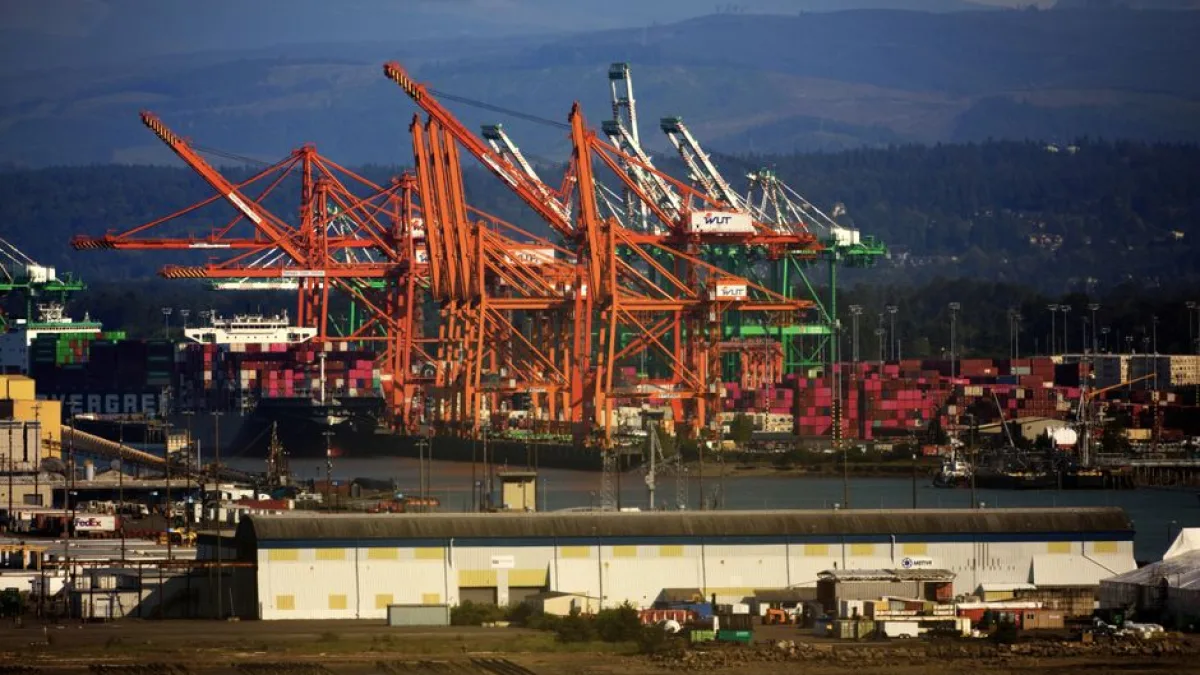
Port congestion remains one of the most unpredictable variables for any ocean freight professional, often leading to massive operational delays. Developing a structured approach to identifying and navigating these harbor bottlenecks is vital for maintaining consistent shipping performance schedules.
- Strategic route planning: Analyzing regional port conditions allows your dispatchers to select secondary ports or alternative entry points when major hubs experience significant labor shortages or technical failures.
- Advanced capacity forecasting: Predicting volume spikes during holiday seasons helps you secure space with carriers well in advance, protecting your clients from the impact of sudden congestion.
- Collaborative partner networks: Maintaining strong relationships with local drayage providers ensures that your cargo is moved out of the port area as quickly as possible once available.
- Equipment management focus: Keeping a close eye on empty container availability prevents your freight from sitting idle at a port due to chassis shortages or carrier equipment delays.
Navigating the complexity of modern port environments demands a blend of technical foresight and strategic partnerships. By utilizing data to anticipate congestion before it reaches a critical state, your firm protects both the cargo and the client experience. Building these operational guardrails creates a smoother flow of goods, effectively insulating your logistics network from the most frequent and severe disruptions seen globally today.
Enhancing Client Communication Channels

Effective communication bridges the gap between complex logistics processes and client expectations. Implementing a unified portal for all interactions ensures that your team maintains a consistent professional tone while managing high volumes of cargo-related information and requests.
- Unified messaging hubs: Consolidating all emails, documents, and status updates into one centralized platform prevents information from being scattered across disconnected apps and multiple personal email accounts.
- Automated status notifications: Setting up recurring status reports sends automatic updates to your clients, ensuring they feel connected to their shipment progress without manual intervention from staff.
- Secure client portals: Providing a private space for customers to download invoices and view reports adds value, showing that your company is committed to professional service.
- Feedback collection tools: Embedding short surveys into your communication flow helps you capture important client sentiments, allowing you to refine your service offerings based on real needs.
Clear communication is the ultimate differentiator in the freight forwarding market today. When you provide your customers with transparency through integrated digital tools, you foster loyalty and long-term partnerships that drive profitability. Investing in the right communication infrastructure enables your team to operate more efficiently while ensuring every client receives timely and accurate information regarding their critical ocean freight cargo movements.
Conclusion
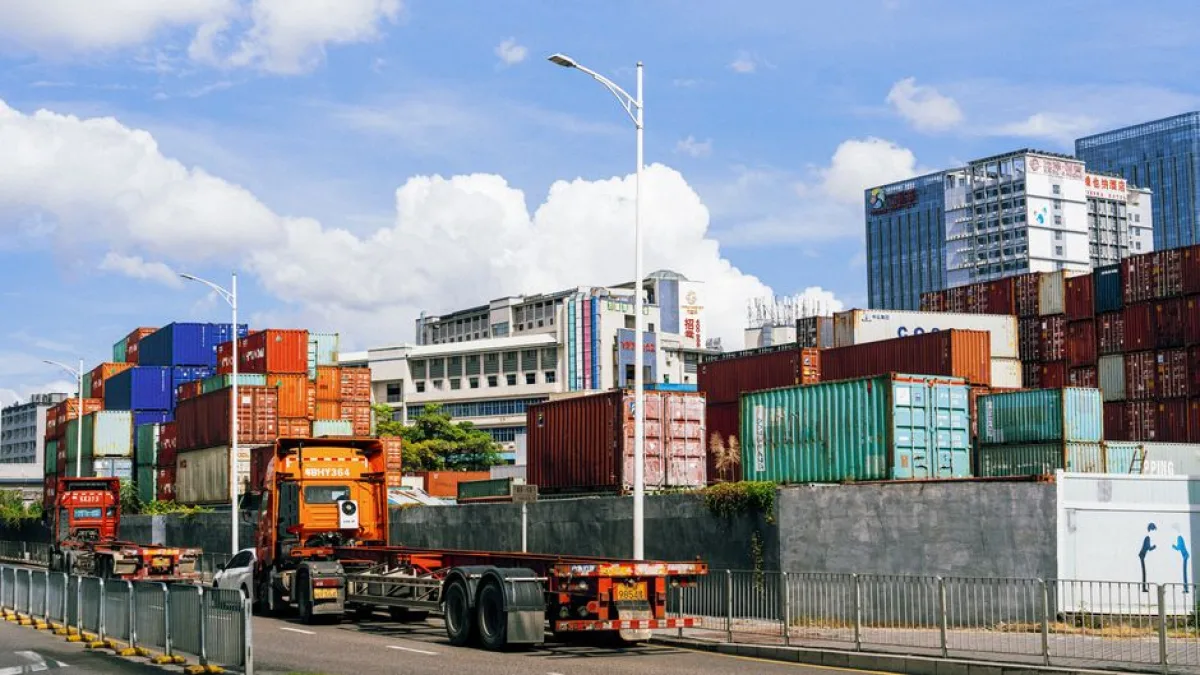
Modernizing your ocean freight operations is essential for staying competitive in a rapidly evolving global market. By leveraging cloud software, real-time tracking, and automated communication tools, forwarders can overcome traditional logistical hurdles. Implementing these digital solutions empowers your team to deliver superior service, optimize complex workflows, and grow your business sustainably. Start your digital transformation journey today to ensure your firm excels in the future of international logistics.