Optimizing Ocean Freight Operations in a Digital Era
Wednesday, September 9 2026
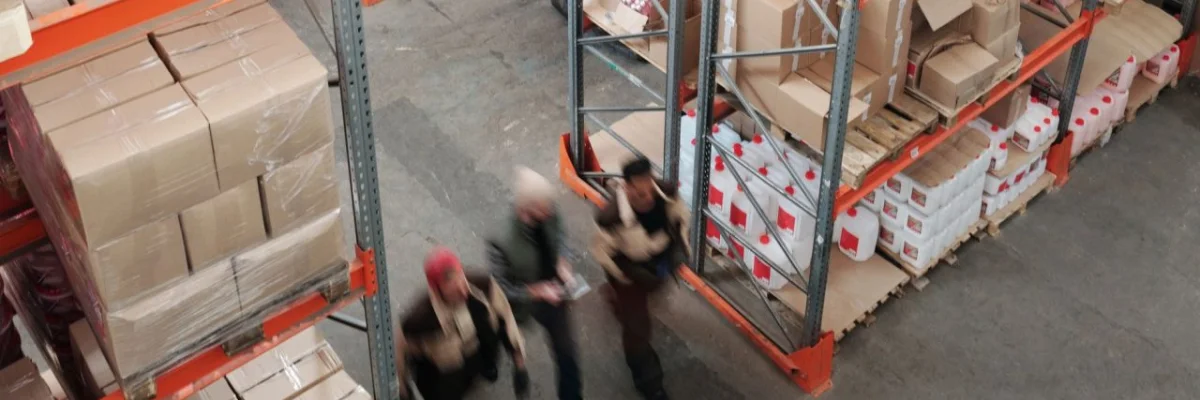
Navigating the complex landscape of global ocean freight requires more than traditional logistics knowledge. As market volatility, port congestion, and shifting trade routes continue to challenge freight forwarders, the need for robust, cloud-based infrastructure becomes paramount. Modern professionals must transition from manual spreadsheets to integrated digital platforms to maintain a competitive edge. By leveraging real-time data and automated documentation, forwarders can enhance transparency for their clients while significantly reducing operational bottlenecks. This article explores essential strategies to modernize your ocean freight processes, ensuring that your firm remains agile, profitable, and ready to meet the evolving demands of the global supply chain industry today.
Leveraging Real-time Cargo Visibility
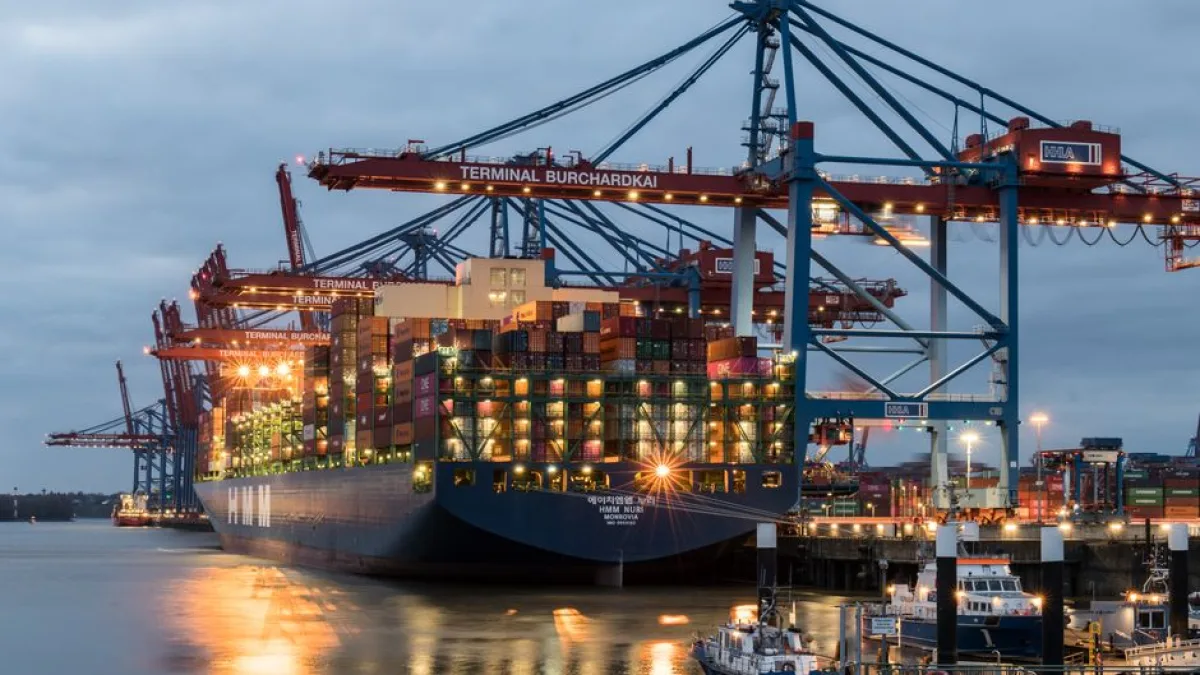
Real-time tracking technology provides freight forwarders with precise insights into container movements across global waters. By utilizing advanced tracking sensors and satellite connectivity, logistics professionals can monitor shipments continuously, allowing them to proactively manage exceptions and inform clients of potential delays immediately.
- Automated Tracking Updates: Digital platforms integrate directly with carrier data to push automated notifications regarding vessel status, ensuring that all stakeholders receive accurate information without manual intervention or phone calls.
- Proactive Exception Management: Advanced software alerts your team when a shipment deviates from the planned schedule, enabling quick rerouting or customer communication before a minor delay becomes a crisis.
- Data Driven Decisions: Accessing historical transit data allows forwarders to analyze carrier performance and select optimal routes, which significantly improves long-term planning and cost efficiency for various shipping lanes.
- Enhanced Client Trust: Providing customers with a branded tracking portal fosters transparency and professional accountability, effectively strengthening business relationships through reliable communication and modern digital user experiences for all parties.
Implementing these visibility solutions changes how your team handles daily operations. Instead of spending hours searching for updates, your staff focuses on high-value tasks that drive growth and customer satisfaction. This shift toward proactive monitoring helps mitigate the impact of unforeseen supply chain disruptions. As a result, your logistics firm positions itself as a reliable partner capable of navigating today's complex maritime environment with complete confidence.
Streamlining Documentation and Compliance
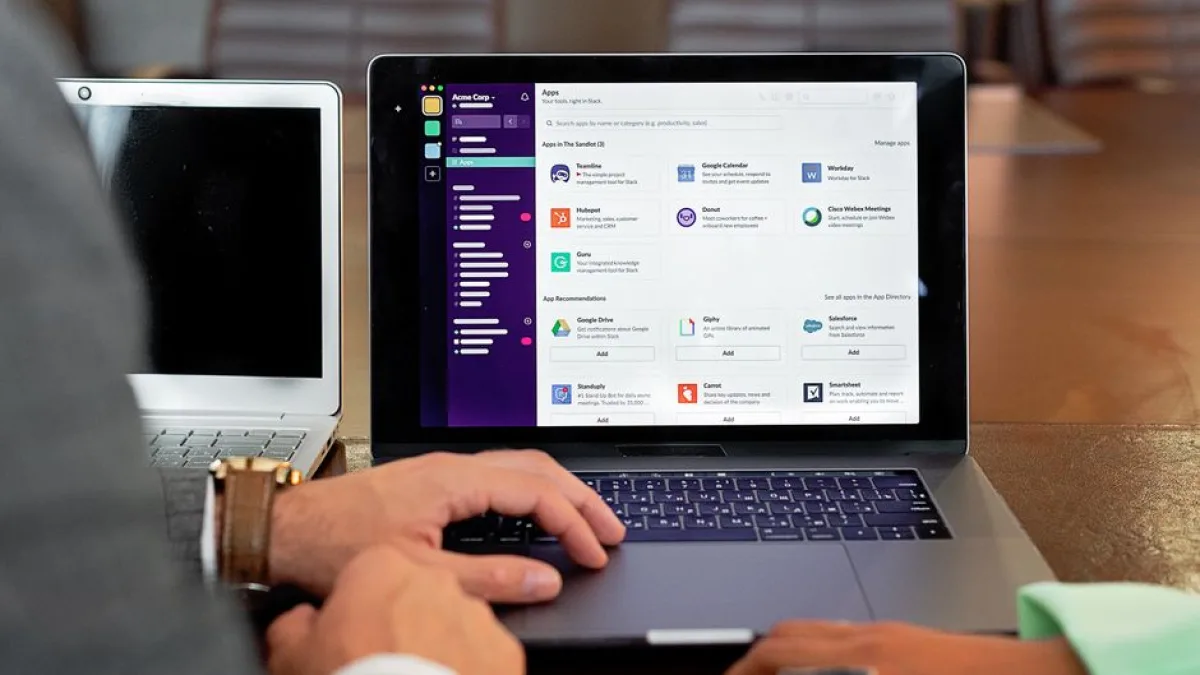
Handling complex maritime documentation is a significant burden for freight forwarders operating in global trade environments. Digitizing bills of lading, commercial invoices, and customs declarations reduces human errors while accelerating clearance times at major international ports and transit hubs worldwide.
- Cloud Based Storage: Centralizing all shipping documents in a secure, cloud-based repository ensures that your global team has immediate access to critical files regardless of their physical location or time.
- Automated Compliance Checks: Integrated software tools verify essential customs requirements and documentation standards automatically, reducing the risk of expensive fines or cargo holds due to minor clerical filing errors.
- Digital Signature Integration: Replacing traditional paper signatures with secure electronic methods speeds up approval cycles and simplifies the onboarding process for new shippers, vendors, and international trade partners today.
- Template Driven Workflows: Utilizing standardized document templates ensures consistency across all your shipments, saving valuable time and maintaining professional standards for every client interaction throughout the shipping process lifecycle.
Efficiency in documentation is the backbone of successful ocean freight management. By removing manual entry tasks, you empower your employees to process more shipments with fewer resources. This streamlined approach minimizes the likelihood of costly delays at customs checkpoints. Ultimately, digitizing your compliance workflows builds a scalable foundation that allows your company to handle increased volumes without sacrificing accuracy or high operational quality.
Optimizing Carrier Capacity Management
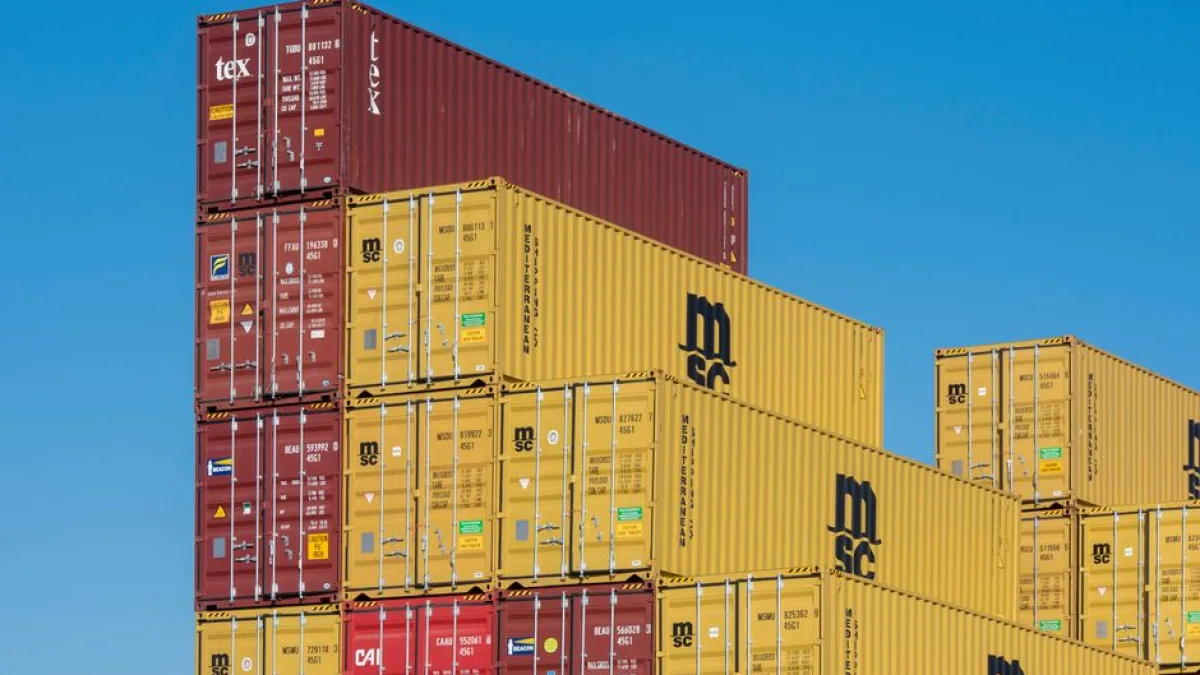
Managing carrier capacity effectively requires a balance between available space and fluctuating market demand. Forwarders who utilize smart allocation tools can negotiate better rates and secure vital space even during peak seasons, ensuring consistent service levels for their most important shipping clients.
- Smart Capacity Alerts: Software tools notify your team when carrier space opens up on popular routes, allowing you to secure bookings quickly and prevent lost business during high-demand months.
- Predictive Demand Analysis: Utilizing historical booking data helps your company forecast future capacity needs, which facilitates better planning and stronger negotiations with ocean carriers for long-term contract rates.
- Flexible Route Planning: Access to multiple carrier options within one platform lets you compare pricing and transit times instantly, ensuring you always provide the best possible value to customers.
- Integrated Booking Systems: Syncing your internal booking requests directly with carrier APIs reduces the time spent on manual submissions, ensuring that space is reserved accurately and confirmed without delay.
Mastering capacity management is essential for maintaining consistent profit margins in the ocean freight industry. By using data-driven insights to guide your booking strategy, you avoid overpaying for last-minute spot rates. This strategic control over your shipping capacity ensures that your business stays resilient against market swings. Consequently, you build a reputation for reliability that attracts long-term clients and ensures sustained business growth.
Enhancing Financial Operational Performance

Financial health in ocean freight depends on accurate billing, rapid invoicing, and strict expense management. Integrating your financial systems with your operations platform allows for seamless revenue recognition, helping you track profit margins per shipment while identifying opportunities to reduce operational costs.
- Automated Invoicing Workflows: Generating invoices immediately upon shipment completion improves cash flow and reduces the administrative burden on your accounting team, ensuring that payments are received much faster globally.
- Real Time Profitability: Dashboards provide instant visibility into the costs and revenues associated with every individual shipment, allowing you to pinpoint non-profitable lanes and adjust your pricing strategy accordingly.
- Centralized Expense Tracking: Capturing all carrier invoices and third-party fees in one system simplifies month-end reconciliations, significantly reducing the risk of missed charges or accounting errors within your firm.
- Dynamic Currency Conversion: Handling international payments becomes easier with integrated multi-currency tools that update exchange rates automatically, protecting your business against losses due to currency fluctuation during long shipments.
A disciplined approach to financial management is what differentiates top-tier freight forwarders from the competition. When you have complete clarity on your margins and expenses, you make better decisions regarding pricing and service offerings. This digital financial clarity fosters sustainable growth and stability for your organization. By investing in these tools, you ensure that your firm remains profitable while providing excellent shipping value.
Conclusion

Modernizing your ocean freight operations is no longer optional in an increasingly digital marketplace. By adopting cloud-based platforms to handle visibility, documentation, capacity, and finance, your freight forwarding business can thrive despite global challenges. Start your digital transformation today to improve efficiency, reduce operational costs, and elevate the customer experience. Choose MakeCargo to provide the robust, scalable technology needed to lead the future of logistics.