Optimizing Ocean Freight Operations in a Digital Era
Thursday, September 10 2026
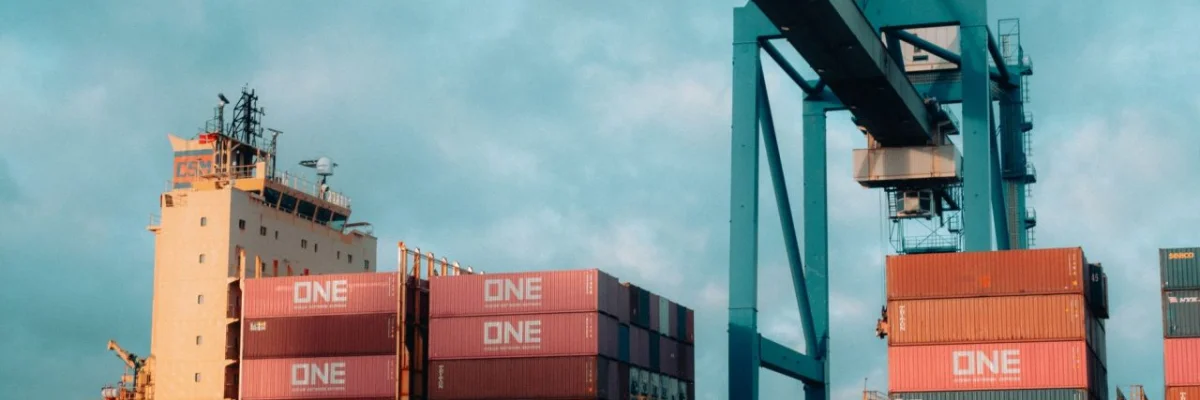
Navigating the complex landscape of global ocean freight requires more than traditional logistics knowledge. Modern freight forwarders face volatile market conditions, fluctuating capacity, and rising consumer demands for real-time shipment transparency. To remain competitive, companies must pivot away from manual processes that hinder growth and embrace cloud-native technology. Digital transformation allows teams to streamline documentation, automate complex billing cycles, and provide customers with accurate tracking data instantly. By modernizing your operational backbone, you can mitigate risks associated with port congestion and carrier delays, ultimately securing a more reliable supply chain while driving sustainable growth for your logistics business in the competitive global marketplace.
Leveraging Real-Time Container Tracking
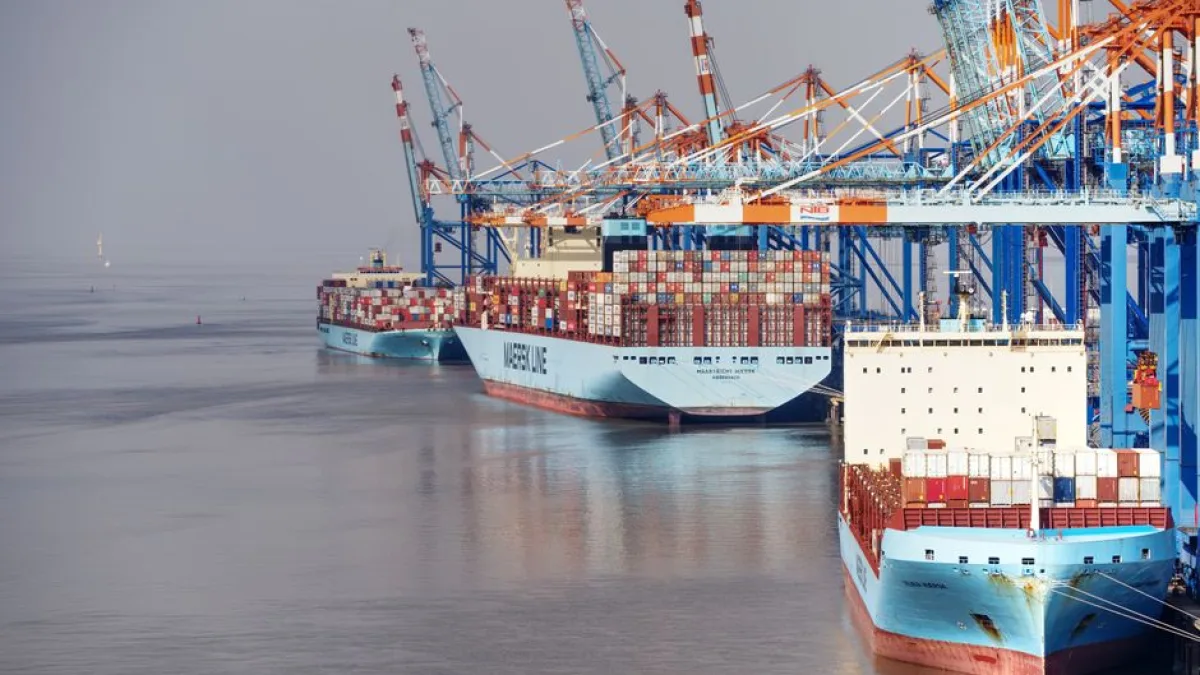
Real-time visibility has evolved from a luxury feature into a fundamental industry requirement. Forwarders must now provide stakeholders with precise updates regarding container location and status, ensuring that potential delays are identified and mitigated before they impact the final delivery schedule.
- Enhanced Visibility Data: Integrated tracking systems provide live updates on vessel movements, helping forwarders preemptively communicate potential delays to clients and adjust inland transportation schedules to prevent costly bottlenecks.
- Proactive Problem Solving: Access to real-time status data empowers teams to resolve issues faster by identifying exactly where cargo sits, which reduces manual inquiry time and improves overall responsiveness.
- Strengthened Client Trust: Sharing transparent, accurate data with your customers builds long-term loyalty, as they appreciate the reliability and clear communication provided through modern digital customer tracking portals.
- Operational Efficiency Gains: Reducing the time spent manually checking carrier websites allows your staff to focus on high-value tasks, significantly increasing overall productivity while lowering the risk of human error.
Adopting advanced visibility tools transforms how your agency interacts with partners and customers. When information flows seamlessly, you eliminate the constant back-and-forth of status requests that plague traditional workflows. By leveraging automated data feeds, your team gains the ability to focus on strategic decision making rather than repetitive administrative chores. This shift is essential for scaling your operations in an increasingly demanding global economy.
Automating Documentation and Compliance

The burden of paperwork remains a significant hurdle for many forwarding agencies, often leading to delays and compliance risks. Automating the generation of bills of lading, commercial invoices, and customs declarations minimizes manual entry errors and accelerates the shipment lifecycle.
- Standardized Document Flows: Automated workflows ensure that every document follows consistent formatting and regulatory requirements, which drastically reduces the likelihood of customs holds and expensive administrative penalties during transit.
- Reduced Data Entry: Cloud platforms capture data once and populate all necessary forms automatically, ensuring that human intervention is minimized while accuracy rates for critical shipping documentation rise significantly.
- Instant Compliance Checks: Built-in software features automatically verify information against international trade regulations, protecting your agency from compliance failures while streamlining the complex process of global customs clearance.
- Digital Storage Benefits: Centralizing all shipping documentation in a secure cloud environment makes retrieval instantaneous for audits or client requests, eliminating the need for bulky physical filing cabinets.
Transitioning to automated documentation provides a competitive edge that is difficult for paper-heavy competitors to match. By reducing the time your staff spends on repetitive form filling, you unlock capacity to handle higher volumes without increasing headcount. Furthermore, the precision offered by automated compliance tools protects your reputation and bottom line from errors that typically delay cargo release at busy international ports.
Optimizing Carrier Selection Strategies
Selecting the right carrier requires balancing cost, transit time, and reliability. Modern freight software provides the analytical power to compare carrier performance metrics, allowing forwarders to make data-driven decisions that benefit their bottom line while meeting specific customer delivery requirements.
- Performance Analytics Dashboards: Accessing historical data on carrier performance helps you identify which partners consistently meet transit expectations, enabling more informed decision making when booking space on critical trade routes.
- Competitive Rate Management: Integrated digital platforms allow for rapid comparison of spot rates and contract pricing, ensuring your agency always selects the most cost-effective option for every shipment.
- Risk Mitigation Tactics: Diversifying your carrier mix based on analytical insights helps you avoid over-reliance on single providers, keeping your supply chain resilient against strikes, weather, or unexpected capacity crunches.
- Strategic Partner Negotiation: Providing clear evidence of carrier performance allows you to negotiate better rates and service level agreements, directly improving your profit margins through smarter, data-backed procurement efforts.
Data-driven carrier selection is the cornerstone of a profitable ocean freight strategy. By moving away from gut feeling and toward analytical rigor, you can consistently secure the best value for your clients. This approach not only optimizes current shipment costs but also builds stronger, mutually beneficial relationships with shipping lines. Investing in tools that provide these insights is a vital step for long-term operational success.
Scaling Through Cloud Integration

Cloud-based platforms unify your business processes into a single source of truth. By integrating your ocean freight management with accounting, CRM, and sales tools, you create a cohesive environment that supports scalability and simplifies the management of complex global operations.
- Unified Business Systems: Integrating freight operations with accounting ensures that billing is synchronized instantly with shipment completions, which improves cash flow and reduces the time needed for financial reconciliation.
- Seamless Team Collaboration: Cloud platforms enable staff to work from any location, ensuring that communication between operations, sales, and management stays consistent regardless of their physical office environment.
- Scalable Infrastructure Growth: Digital software allows your agency to grow capacity easily by adding new users or modules without needing complex IT hardware upgrades or expensive on-site server maintenance.
- Advanced Security Protocols: Protecting sensitive customer data with professional cloud security measures ensures that your business remains compliant with data protection laws while preventing unauthorized access to information.
Integrating your business processes into a cloud-based ecosystem allows for unprecedented agility. When systems talk to each other, you remove the silos that lead to miscommunication and lost revenue. This digital maturity is what allows top-performing forwarders to grow rapidly while maintaining high service standards. Embrace these integrations today to future-proof your logistics firm against the shifting demands of the international shipping landscape.
Conclusion
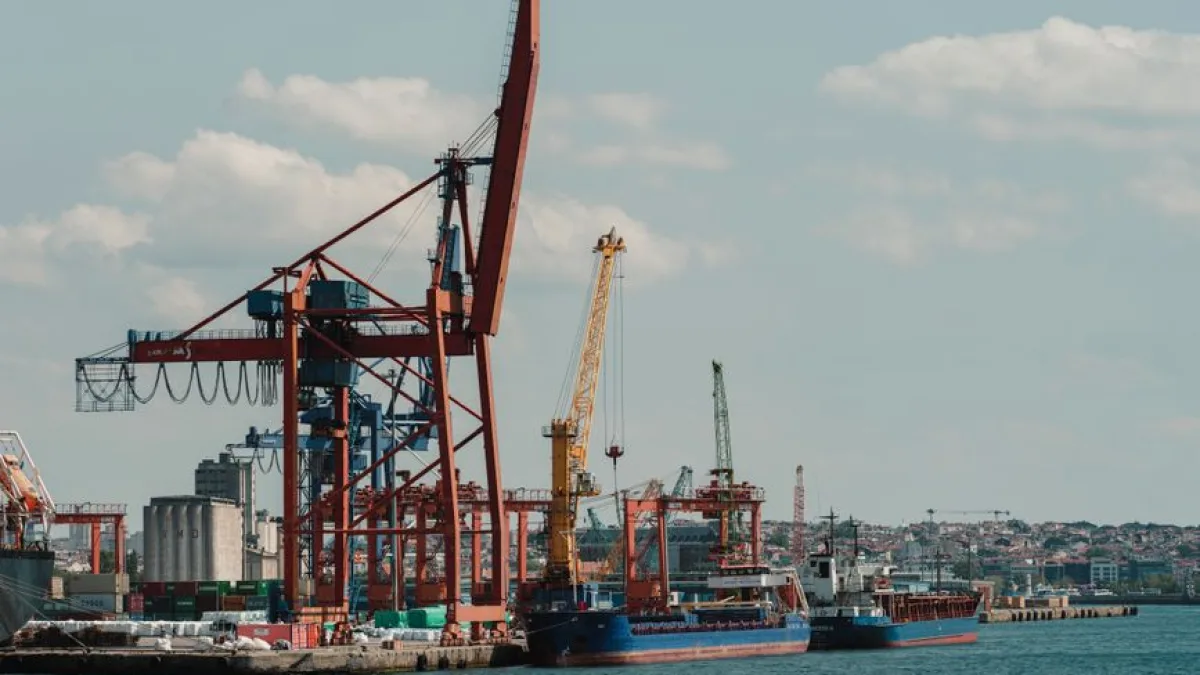
Optimizing your ocean freight operations starts with a commitment to digital transformation. By embracing automation, real-time visibility, and integrated cloud systems, you position your logistics firm for sustainable growth and long-term efficiency. Freight forwarding is becoming an information-driven business, and your success depends on how effectively you leverage modern technology to serve your global clients. Start streamlining your operations with MakeCargo solutions today.