Optimizing Ocean Freight Operations in a Digital Era
Friday, September 11 2026
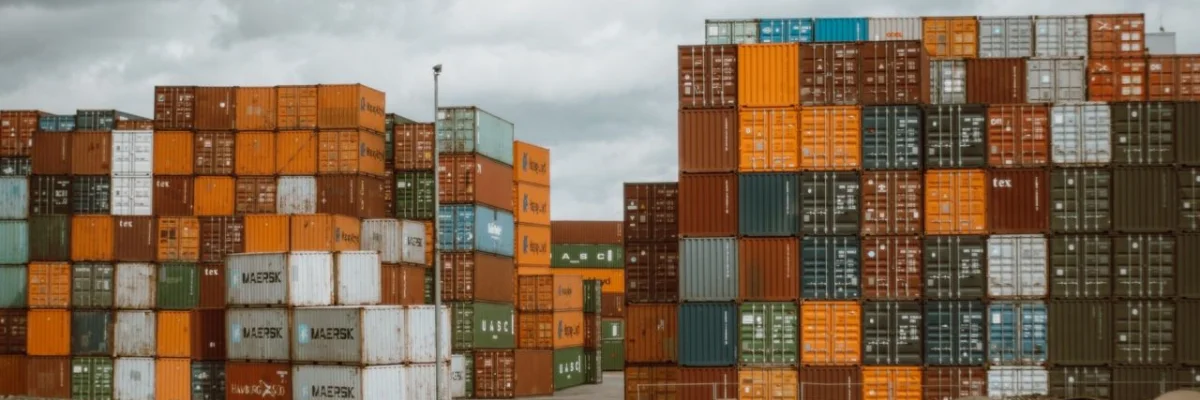
Navigating the complex landscape of global ocean freight requires more than just traditional logistics knowledge in today's fast paced economy. As supply chains face unprecedented pressure from capacity constraints and shifting market demands, freight forwarders must embrace digital transformation to maintain a competitive edge. Leveraging cloud based platforms like MakeCargo allows companies to consolidate fragmented workflows into a unified digital ecosystem. This transition from manual spreadsheets to automated data processing reduces operational bottlenecks while significantly improving overall transparency for both your internal teams and your shipping clients, ultimately driving long term growth and sustainable success in maritime shipping.
Modernizing Documentation Processes
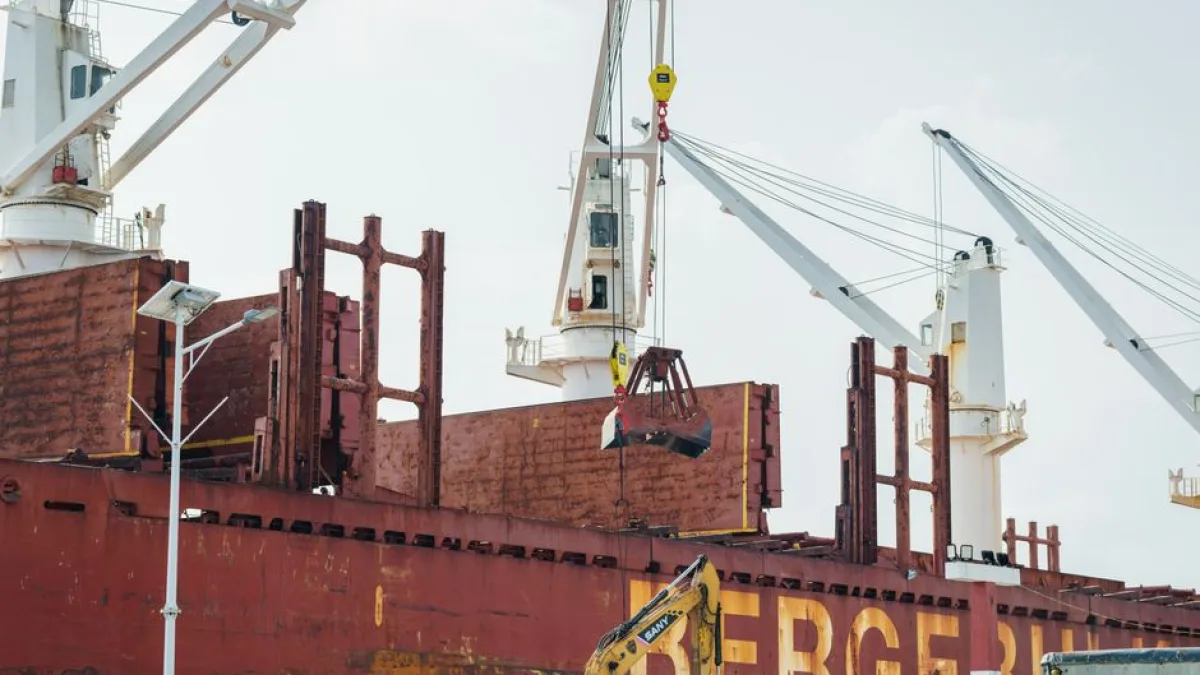
Automating your documentation workflow is the primary step toward reducing the administrative burden that currently hampers many logistics offices. By digitizing bills of lading and commercial invoices, you minimize human error and accelerate the approval cycles needed for urgent shipments.
- Automated Data Entry: Implement smart character recognition tools to extract critical information from shipping documents automatically, which eliminates tedious manual typing tasks and significantly improves your team's overall data accuracy.
- Centralized Document Storage: Maintain a secure cloud repository where all shipping documents are indexed, allowing your staff to retrieve essential files instantly regardless of their physical work location or time.
- Standardized Filing Systems: Establish uniform naming conventions and folder structures across your entire organization to ensure that every team member can navigate complex shipment records without wasting valuable time.
- Integrated Compliance Checks: Use automated software triggers to verify shipment data against international customs regulations, helping you avoid costly delays and penalties caused by minor administrative errors or omissions.
By shifting away from legacy paper based workflows, your freight forwarding business can significantly increase processing speed. Digital documentation allows for real time collaboration between different departments and external partners. As these processes become streamlined, your employees can dedicate more time to high value tasks like building client relationships or resolving complex logistical challenges that occur during the standard transit cycle.
Optimizing Container Space Utilization
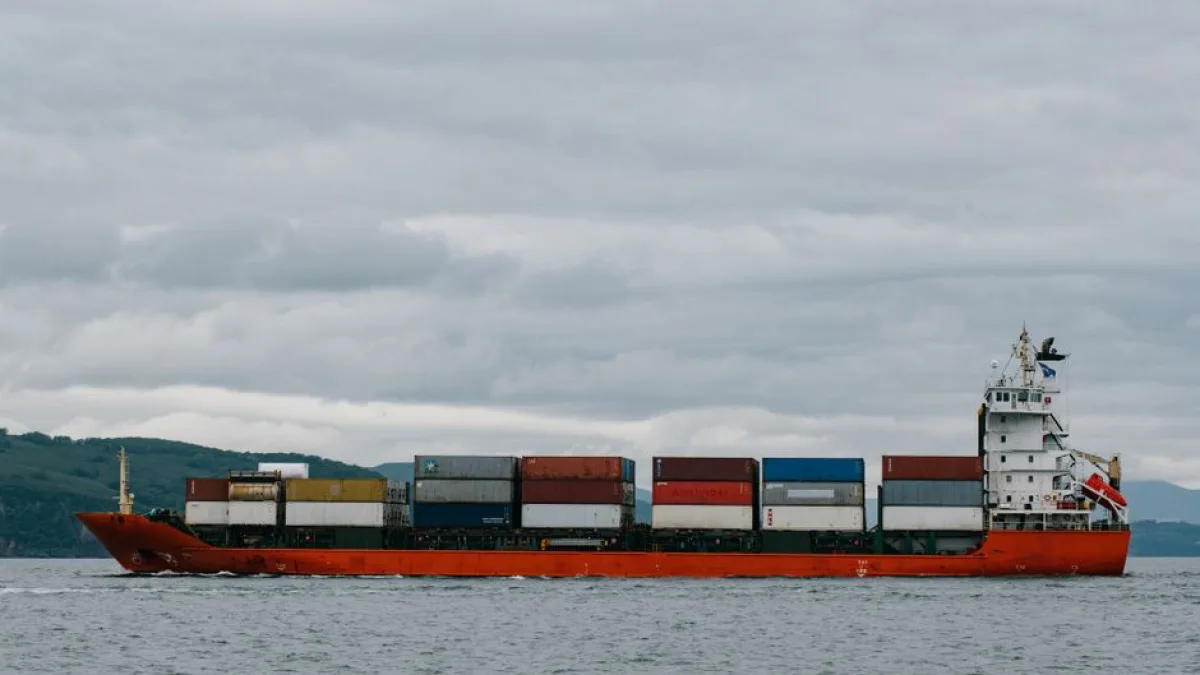
Effective utilization of container space is vital for maximizing profitability and reducing the environmental footprint of each voyage. Advanced planning software provides the visual tools necessary to calculate the most efficient cargo arrangements for every shipment move.
- Advanced Load Planning: Utilize sophisticated algorithms to design the most efficient cargo layouts inside containers, which ensures maximum cubic meter usage and prevents the unnecessary transport of empty space.
- Real Time Volume Tracking: Monitor total cargo volume throughout the consolidation process to prevent expensive overages or undersized shipments that could compromise your profit margins on specific trade routes.
- Strategic Cargo Consolidation: Group smaller shipments into full container loads to leverage better rates from carriers while providing your customers with more competitive pricing for their ocean freight needs.
- Dynamic Weight Analysis: Calculate precise weight distributions to comply with international safety standards and prevent hazardous conditions that often arise from poorly balanced loads during rough sea transits.
Optimizing how cargo fits into containers leads to direct cost savings that can be passed down to your clients. When you minimize the number of containers required for a specific volume of goods, you drastically lower total shipping fees. Efficient loading practices also contribute to better vessel stability, ensuring that cargo arrives safely and in excellent condition, which enhances your professional reputation as a reliable partner.
Enhancing Real Time Visibility
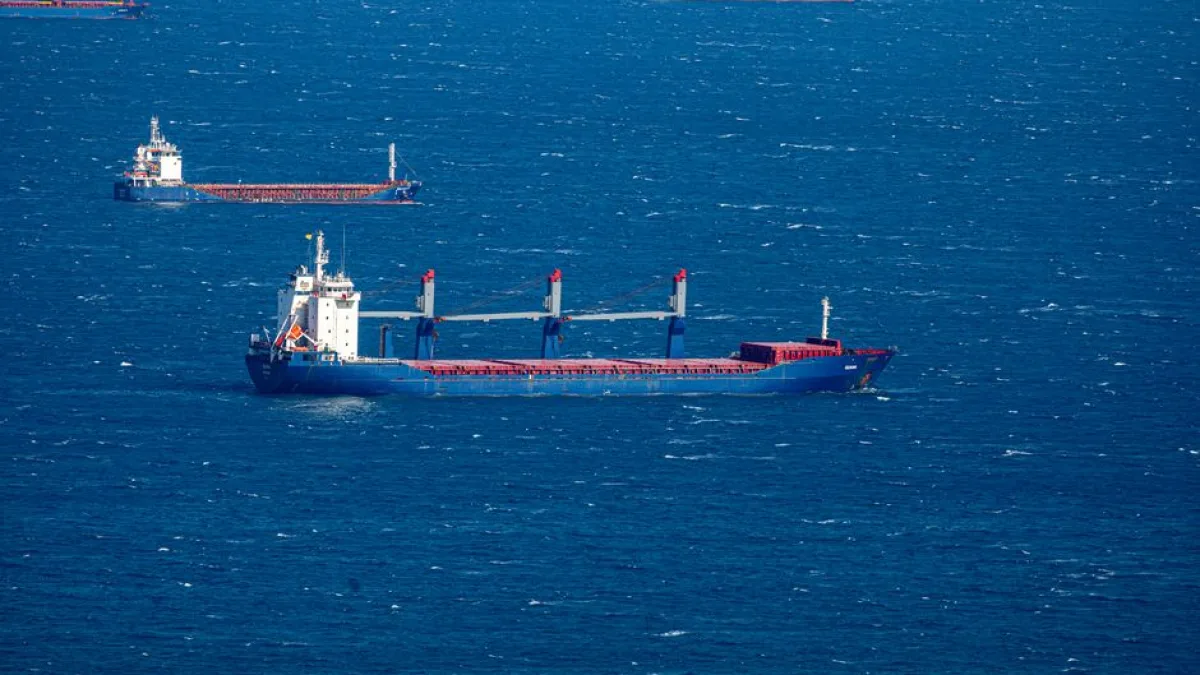
Providing customers with absolute transparency regarding their cargo location is no longer a luxury but a fundamental expectation. Integrated tracking systems provide live updates that help you manage client expectations while proactively addressing any potential disruptions to the journey.
- Live Tracking Updates: Feed automatic status notifications directly from carrier APIs into your customer portal, ensuring that shippers always know the exact status of their ocean freight cargo.
- Proactive Exception Alerts: Configure your software to send immediate notifications when a shipment experiences an unexpected delay, allowing you to inform your clients before they even notice the issue.
- Transparent Port Monitoring: Connect with port authorities and terminal data feeds to identify congestion levels early, which helps you plan alternative routes or trucking schedules to avoid bottlenecks.
- Integrated Customer Dashboards: Provide clients with a secure portal where they can view shipment milestones, download reports, and interact with your team for a seamless communication experience.
Visibility creates a sense of trust that serves as a cornerstone for long term client retention. When shippers feel informed about their supply chain status, they are significantly less likely to call for updates, freeing your staff from high volume support requests. This data driven approach allows your team to manage exceptions effectively, turning potentially negative service interruptions into demonstrations of your logistical expertise.
Strengthening Carrier Partnerships

Building strong collaborative relationships with shipping lines and third party vendors is essential for securing favorable space allocations during periods of high market volatility. Technology serves as a bridge for these critical professional negotiations and collaborative efforts.
- Performance Analytics Reports: Generate detailed reports on carrier reliability and transit times to identify the best partners for your specific routes based on actual historical performance data alone.
- Streamlined Rate Management: Organize incoming carrier quotes in a centralized digital system, which enables you to compare rates side by side and select the most economical options quickly.
- Automated Booking Requests: Send electronic booking instructions directly to carriers to reduce processing times and ensure your shipment details are captured correctly from the start of the process.
- Shared Operational Metrics: Use transparent data reporting to hold carriers accountable for service level agreements, ensuring that you maintain the highest standards for your own end customers.
Maintaining strong vendor relationships requires clear communication and data backed insights. By using digital platforms to manage these partnerships, you move beyond simple transactional interactions toward strategic alliances. These connections help you secure capacity during peak seasons, ensuring that your clients have consistent service regardless of global market pressures. Ultimately, these robust professional networks provide the resilience needed to survive in modern ocean freight.
Conclusion

Transforming your ocean freight operations requires a commitment to digital adoption and consistent process refinement. By integrating advanced software into your daily activities, you can overcome common industry challenges and improve service quality significantly. Embrace these tools to increase efficiency, reduce costs, and deliver superior value to your clients. Start optimizing your freight forwarding workflow today by exploring solutions designed for the future of logistics.