Optimizing Ocean Freight Operations in a Digital Era
Friday, September 11 2026
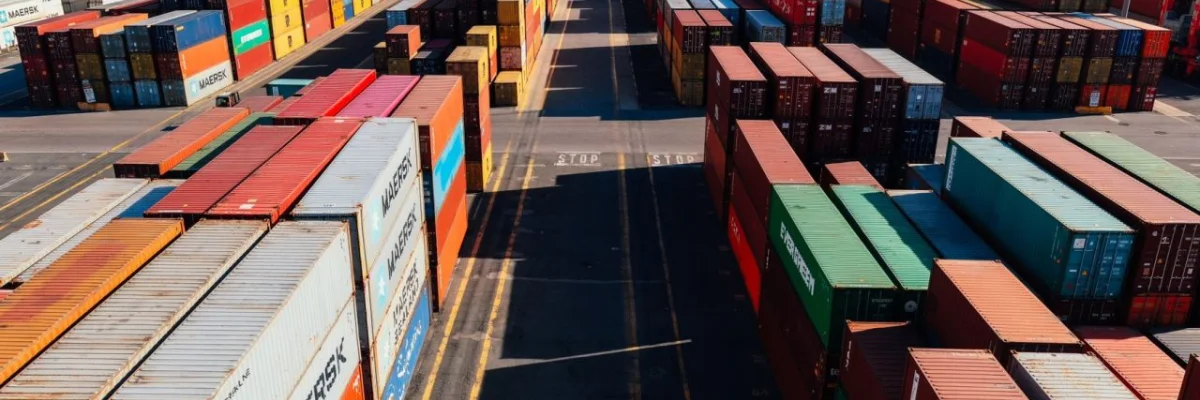
The global shipping industry is currently navigating a period of rapid transformation driven by technological advancements and shifting trade requirements. For freight forwarders, the complexity of managing ocean logistics demands more than traditional coordination methods. Modern businesses require robust digital infrastructure to maintain visibility, ensure regulatory compliance, and handle the increasing volume of sea cargo efficiently. By leveraging cloud-based platforms, professionals can now synchronize their workflows across international borders, reducing manual errors and improving service delivery times. This guide explores essential strategies for enhancing your ocean freight operations to remain competitive and profitable in an increasingly volatile global maritime landscape.
Leveraging Advanced Shipment Tracking
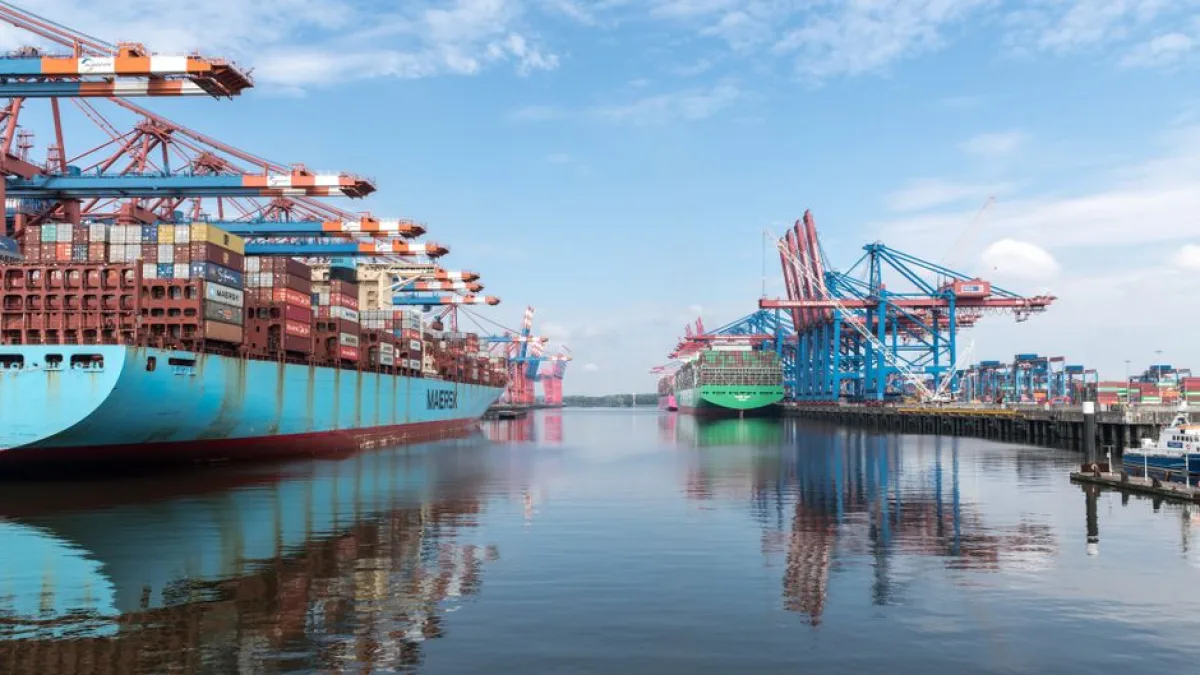
Real-time visibility is the cornerstone of modern logistics management. By utilizing integrated tracking systems, forwarders can monitor container locations precisely as they transit through major ports. This visibility empowers proactive decision making and keeps stakeholders informed at every single stage.
- Improved Customer Satisfaction: Providing clients with accurate and live updates regarding their container status builds long-term trust and differentiates your forwarding services in a highly crowded and competitive marketplace.
- Proactive Issue Resolution: Immediate access to vessel location data allows teams to anticipate delays and communicate alternative routing solutions to customers before minor issues become major service disruptions.
- Data Driven Insights: Analyzing historical tracking data helps identify recurring port congestion patterns, allowing your team to optimize future shipping schedules and select more reliable carrier partnerships effectively.
- Automated Status Alerts: Configuring automated notifications reduces the administrative burden on your staff by keeping customers updated without requiring manual intervention from your core operations support personnel.
Implementing sophisticated tracking technology shifts your operational focus from reactive troubleshooting to strategic management. By automating the flow of information, your team spends less time searching for updates and more time managing high-value client relationships. This shift not only increases overall efficiency but also ensures that your agency can handle higher cargo volumes without compromising the quality of your logistics services.
Automating Essential Shipping Documentation

Documentation remains a critical bottleneck in the ocean freight process. Transitioning from physical paperwork to digital systems allows for seamless document generation and storage. Automating bills of lading and customs declarations ensures accuracy while drastically reducing the time spent on administrative tasks.
- Reduced Clerical Errors: Centralized digital platforms automatically pull data from previous entries, which minimizes the risk of human error in sensitive shipping documents like commercial invoices and manifests.
- Streamlined Customs Compliance: Using integrated software helps ensure that all international regulatory requirements are met, preventing costly customs delays and fines during the import or export process.
- Centralized Document Storage: Keeping every shipping file in a secure cloud repository ensures that your team can retrieve critical information instantly from any location across the globe.
- Faster Processing Times: Automated workflows accelerate the approval process for shipping documents, enabling faster turnaround times for bookings and final billing cycles for your valuable enterprise clients.
Digital document management is no longer a luxury but a fundamental necessity for competitive freight forwarders. By removing the reliance on manual data entry, your staff can concentrate on complex logistics challenges that require human expertise. This transition creates a scalable environment where your business can process documentation faster than competitors, ultimately leading to improved cash flow and stronger operational reliability throughout your organization.
Enhancing Carrier Capacity Management
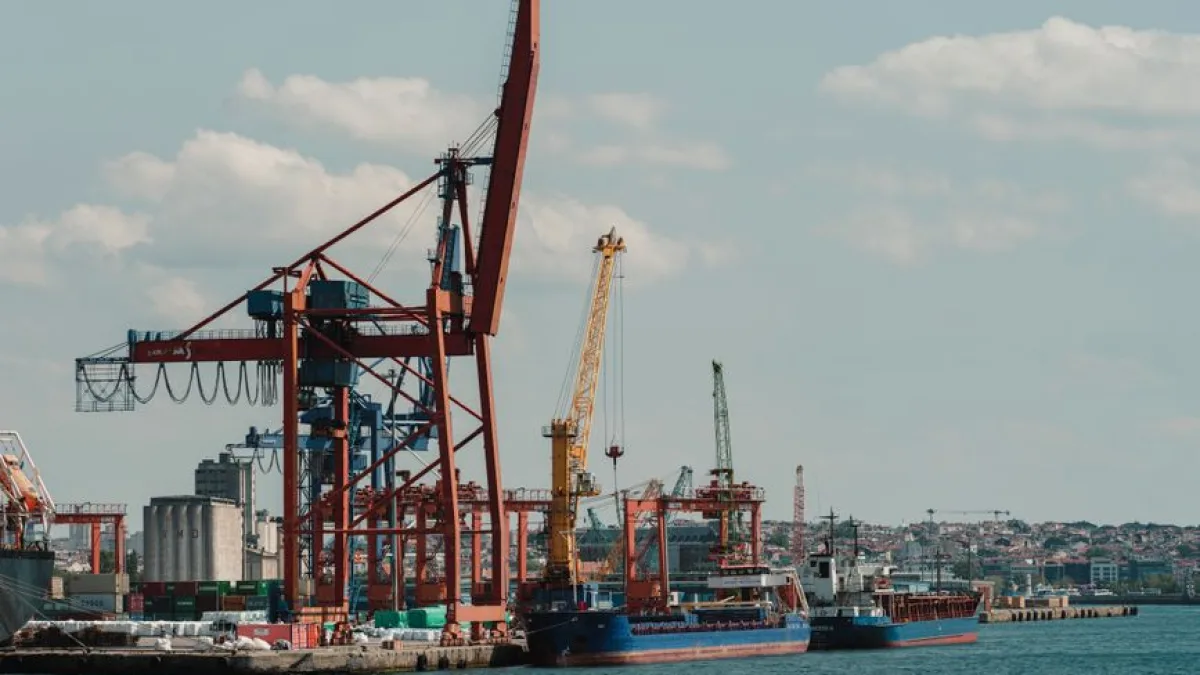
Managing space allocation across multiple carrier partners is a significant challenge for freight forwarders. Sophisticated software solutions provide the tools necessary to analyze capacity requirements and negotiate better rates. Effective space management ensures that your clients get their goods moved on time.
- Optimized Space Allocation: Intelligent planning tools allow you to match specific cargo needs with the right carrier services, ensuring maximum utilization of every container you book each month.
- Better Rate Negotiation: Having clear visibility into your shipping volume data provides the leverage needed to negotiate more favorable freight rates with global ocean carrier lines.
- Risk Mitigation Strategy: Diversifying your carrier portfolio based on performance metrics reduces the risk of being left without space during peak seasons or sudden market capacity shifts.
- Flexible Route Planning: Real time software updates help you adjust your logistics strategy quickly, allowing for rapid rerouting when specific vessel schedules are impacted by unforeseen weather conditions.
Effective capacity management is the key to maintaining stable service levels during volatile market cycles. By utilizing digital insights to drive your booking decisions, you protect your clients from the worst effects of global supply chain instability. This proactive approach to carrier management establishes your company as a reliable partner capable of navigating even the most difficult logistical environments with confidence and professional ease.
Optimizing Financial Workflow Integration

Financial health depends on the speed and accuracy of your invoicing processes. Connecting your logistics data directly to accounting systems ensures that every shipment is billed promptly. This integration is vital for maintaining steady cash flow and accurate margin analysis.
- Seamless Invoice Automation: Linking logistics milestones to your accounting software ensures that invoices are generated the moment a shipment reaches its destination, which accelerates your payment cycles.
- Precise Margin Analysis: Automated tracking of all costs, including port fees and carrier charges, allows you to calculate the true profitability of every individual shipment you handle.
- Unified Reporting Tools: Comprehensive financial dashboards offer a bird eye view of your revenue performance, helping you identify which routes or client sectors provide the best margins.
- Audit Ready Records: Digital audit trails automatically record every financial transaction, ensuring that your company remains compliant with local financial regulations and simplifies the year end process.
Integrating your operational and financial workflows eliminates the disconnected data silos that often plague traditional freight forwarding businesses. By having a clear view of your revenue and costs, you make more informed decisions about your service offerings. This level of financial control provides the stability needed to grow your business and invest in future technology that further improves your logistics performance.
Conclusion

Digital transformation represents the most significant opportunity for freight forwarders to enhance their ocean shipping operations. By embracing automation, real time tracking, and integrated financial systems, your business can achieve greater efficiency and provide superior service. Start modernizing your workflow today to stay ahead in the evolving logistics industry. Contact MakeCargo to learn how our cloud solutions can streamline your operations for success.