Optimizing Ocean Freight Operations in a Digital Era
Friday, September 11 2026
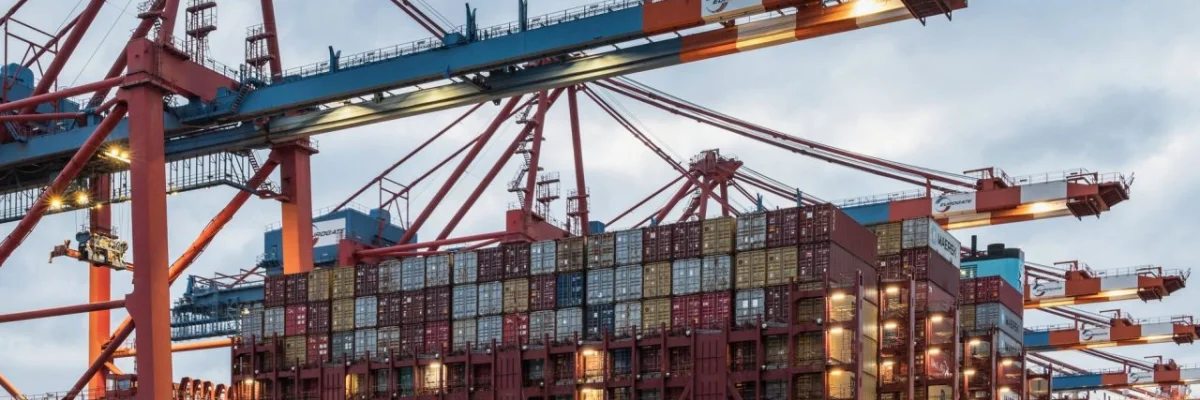
Navigating the complex landscape of global ocean freight requires more than just traditional logistics expertise. Modern freight forwarders must now balance rising operational costs, fluctuating capacity, and the relentless demand for real-time visibility from cargo owners. As supply chains become increasingly volatile, the ability to leverage digital tools for seamless communication and data management has shifted from a competitive advantage to a fundamental necessity. By embracing automation and integrated platform solutions, logistics providers can effectively reduce manual errors, accelerate documentation processes, and ultimately foster stronger relationships with international carriers while delivering superior service reliability for their diverse client base.
Modern Container Terminal Operations
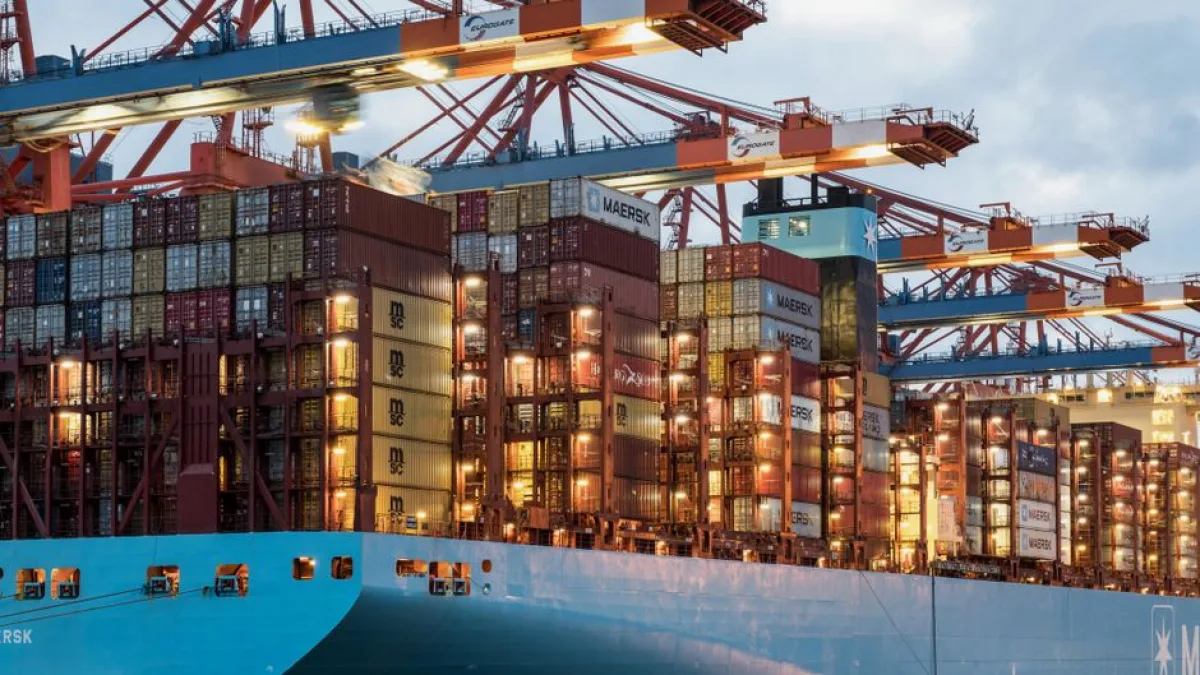
Port terminals serve as the critical heartbeat of global commerce where coordination determines efficiency. Digital tools now bridge the gap between physical movement and information flow, allowing forwarders to anticipate delays and manage container turnover rates with far greater precision and speed.
- Real-time vessel tracking: Advanced digital systems provide constant updates on vessel locations, ensuring that your team stays informed about potential arrival delays before they impact the final delivery schedule.
- Terminal gate integration: Connecting your software directly to port terminal operating systems minimizes documentation bottlenecks and helps your team manage gate-in and gate-out movements with increased transparency.
- Container utilization rates: Analyzing historical data helps logistics managers optimize space within containers, reducing wasted capacity and significantly lowering costs for your clients on every shipment.
- Automated gate notifications: Receive instant alerts when cargo reaches the port terminal to keep stakeholders informed and prevent costly detention or demurrage fees from accumulating unexpectedly.
Optimizing these terminal interactions requires a centralized digital platform that consolidates data from multiple sources. When forwarders replace legacy manual processes with automated tracking and reporting, they gain the agility needed to handle disruptions. This proactive approach transforms terminal management from a stressful reactive cycle into a strategic asset, ensuring that cargo moves through the port bottleneck with minimal friction and maximum efficiency.
Digital Documentation and Compliance

The sheer volume of paperwork involved in ocean freight can paralyze even the most experienced teams. Transitioning to paperless digital workflows significantly reduces administrative burdens, ensuring that bills of lading and customs documents are processed accurately and compliant with global maritime regulations.
- Automated document creation: Intelligent software templates generate shipping documents automatically from existing booking data, eliminating repetitive manual entry and reducing the risk of costly clerical shipping errors.
- Secure document sharing: Cloud-based portals allow for instant and secure sharing of sensitive files between agents, carriers, and shippers, keeping everyone aligned on a single version.
- Electronic signature integration: Implementing e-signature workflows speeds up the approval process for essential transport documents, cutting down hours of waiting time for international courier services or mail.
- Compliance verification tools: Built-in validation checks ensure that all mandatory fields are completed accurately according to specific destination country requirements, preventing shipments from being held at customs.
Modernizing your documentation workflow is essential for scaling operations without expanding your administrative headcount. By utilizing a cloud-based freight platform, you create a permanent audit trail that simplifies compliance reporting and improves inter-departmental collaboration. This transition not only enhances your internal productivity but also presents a more professional and reliable image to your clients, who increasingly demand faster and error-free logistics documentation.
Supply Chain Visibility Solutions
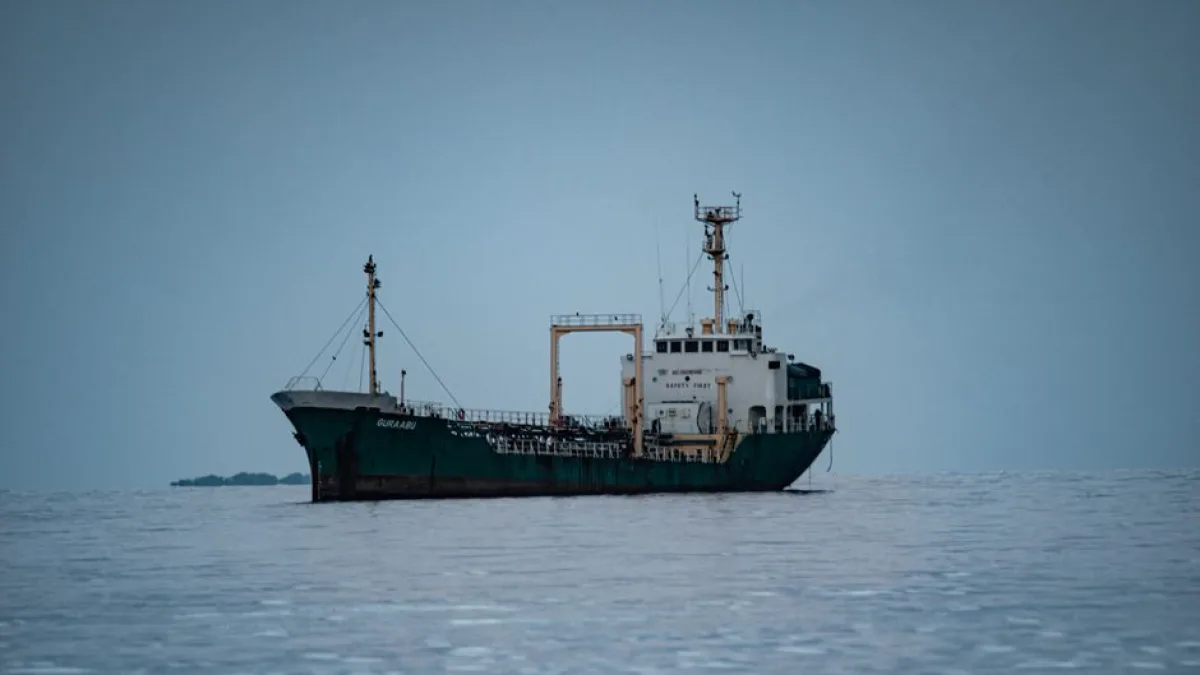
Total visibility is the ultimate goal for shippers and forwarders alike. Knowing the exact status of goods in transit allows for better inventory planning and risk management, which are vital components in maintaining long-term partnerships with major global importers and exporters.
- End-to-end tracking: Comprehensive visibility tools cover every leg of the journey, from the initial pickup at the factory to the final destination delivery at the warehouse.
- Exception management alerts: Proactive monitoring systems detect anomalies in transit, allowing your operations team to address issues immediately and communicate potential solutions to your cargo clients.
- Client portal access: Providing your customers with a secure web portal gives them autonomy to view their shipments 24/7 without needing to contact your support staff.
- Predictive arrival analytics: Advanced machine learning algorithms analyze historical port performance data to provide more accurate estimated arrival times, helping clients manage their inventory levels much better.
Providing real-time visibility is no longer just a luxury, but a core component of the modern freight forwarding value proposition. When forwarders empower their clients with clear data and proactive communication tools, they significantly boost customer trust and retention rates. Investing in a robust digital visibility platform helps you stay competitive in a crowded market while reducing the need for constant phone inquiries.
Carrier Relationship Management

Strong partnerships with ocean carriers remain vital for securing space and favorable rates during peak seasons. Effective management of these relationships relies on clean data, accurate forecasting, and a professional digital approach that makes you an easier partner for the major shipping lines.
- Accurate volume forecasting: Sharing reliable volume projections with your carrier partners helps them plan their space allocation, which improves your chances of securing equipment during tight capacity.
- Performance benchmarking reports: Regularly reviewing carrier performance through clear data reports enables you to negotiate better service levels and rates based on empirical evidence of reliability.
- Unified communication channels: Consolidating your correspondence with carrier representatives through a single platform keeps history accessible and prevents critical information from getting lost in fragmented email chains.
- Dynamic rate management: Efficiently storing and comparing carrier spot rates allows you to select the most cost-effective routing options for your clients in a rapidly changing market.
Successful relationship management is built on data-driven insights rather than guesswork. By utilizing a centralized software platform to track carrier performance and manage rates, your team can execute smarter booking strategies that save time and money. Cultivating these strong digital-first partnerships ensures that you remain a preferred customer for carriers, granting your business more flexibility and improved reliability for your own shipping clients.
Conclusion

Mastering ocean freight logistics requires a blend of industry expertise and the right digital tools to manage complexity. By automating documentation, enhancing visibility, and fostering strong carrier relationships, you can drive significant growth for your freight forwarding business. Start your transformation today by choosing a cloud-based platform that scales with your operational needs and keeps your team ahead of the global competition.