Optimizing Ocean Freight Operations in the Digital Age
Saturday, September 12 2026
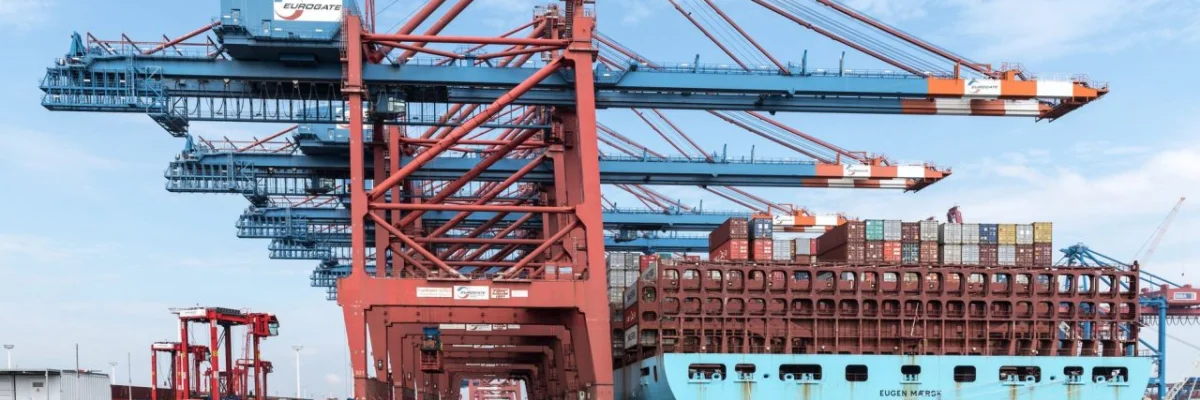
Global supply chains depend on the seamless movement of goods across oceans, yet freight forwarders frequently struggle with legacy processes that stifle efficiency. Manual data entry, disconnected communication channels, and real-time visibility gaps remain significant bottlenecks for modern logistics providers. By integrating cloud-based software, forwarders can digitize workflows, reduce human error, and provide clients with accurate, live updates. As market volatility persists, the transition toward automated freight management systems is no longer optional but essential for staying competitive. This article explores how adopting smarter technology can transform your ocean freight operations into a streamlined, profitable engine for long-term business growth.
Modernizing Documentation Processes
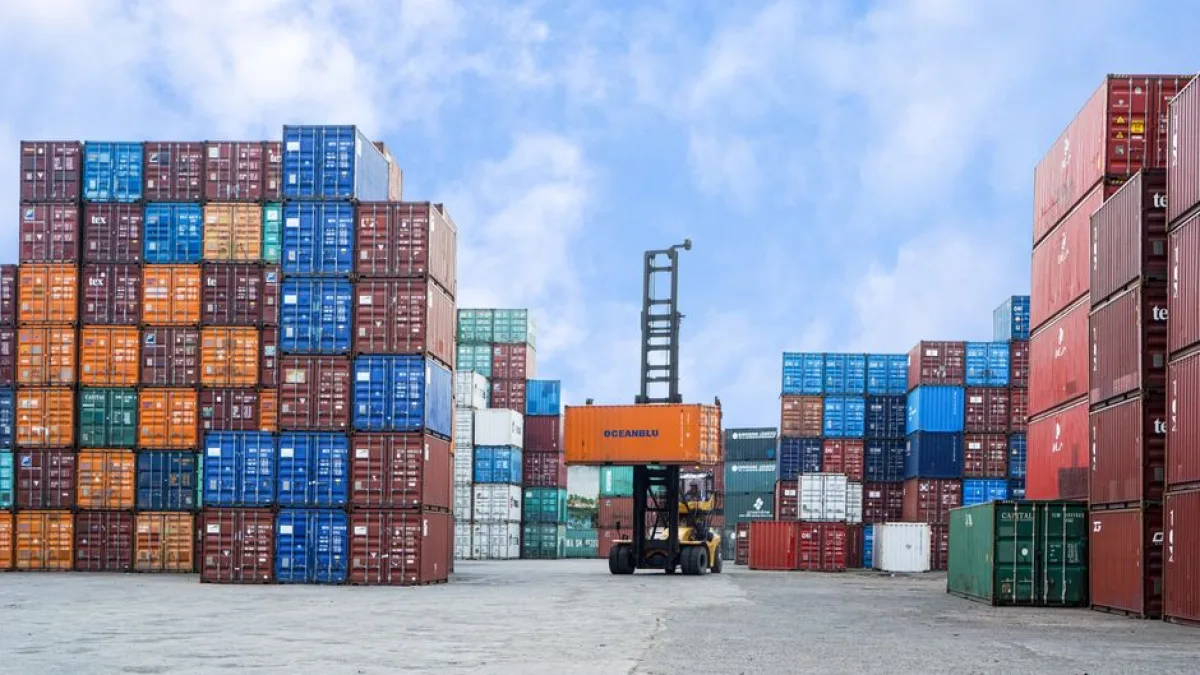
Digital documentation reduces the heavy burden of paperwork in ocean shipping. By automating the creation of bills of lading and commercial invoices, forwarders can save countless hours while significantly reducing the risk of clerical errors that cause costly port delays.
- Automated Data Entry: Implement software that automatically pulls information from existing manifests to populate shipping documents, which eliminates redundant manual typing and minimizes the occurrence of critical clerical mistakes.
- Centralized Document Storage: Maintain a single cloud repository for all shipping files to ensure that every team member accesses the most current version of important compliance paperwork and forms.
- Digital Signature Integration: Utilize electronic signature tools to expedite the approval process for international shipping documents, which accelerates the release of cargo and improves overall turnaround times for customers.
- Error Detection Algorithms: Deploy intelligent scanning software that identifies inconsistencies between commercial invoices and packing lists, ensuring that your documentation is perfect before it reaches customs authorities or shipping lines.
Adopting digital document management allows your team to shift their focus from repetitive administrative tasks to strategic customer service. This transition not only boosts operational speed but also strengthens your reliability as a freight partner. As you reduce the time spent handling physical files, your staff can dedicate more effort to problem-solving and nurturing client relationships, ultimately increasing your operational capacity and overall service quality.
Enhancing Real-Time Tracking Visibility
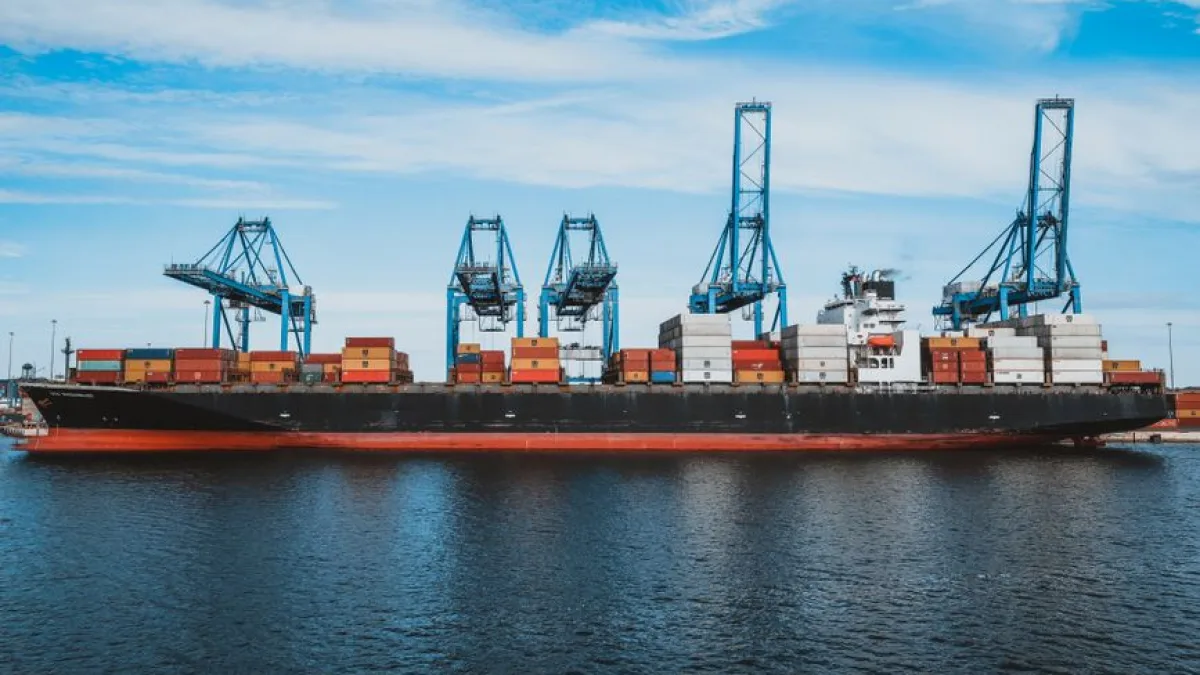
Visibility is the primary currency of modern freight forwarding. Clients demand constant updates on their shipments, and providing this through automated tracking solutions helps build trust while allowing forwarders to manage exceptions proactively before they impact delivery schedules.
- Live Vessel Tracking: Integrate live vessel location data directly into your dashboard, providing clients with precise arrival estimations that reflect real-time port congestion and weather delays occurring globally.
- Automated Milestone Alerts: Configure your platform to trigger automatic notifications whenever a shipment reaches a specific milestone, keeping your stakeholders informed without requiring constant manual status update requests.
- Proactive Delay Alerts: Utilize predictive analytics tools that monitor global port conditions to alert your team to potential disruptions, allowing for quick rerouting or clear communication with affected shippers.
- Client Portal Access: Provide your customers with a secure login to a white-labeled portal where they can self-serve their tracking inquiries, which dramatically reduces the volume of incoming status emails.
Superior visibility sets high-performing forwarders apart from their competition. By giving your clients the tools to see their cargo status at any moment, you demonstrate a level of transparency that secures long-term loyalty. Investing in visibility technology transforms your business from a passive service provider into an indispensable supply chain partner, ensuring that you remain the first choice for clients navigating uncertain ocean routes.
Streamlining Carrier Communication

Communication breakdowns between forwarders and carriers often lead to missed deadlines and increased costs. A unified platform consolidates all messaging, ensuring that rate requests, space bookings, and amendments are tracked within a single, transparent record for better accountability.
- Integrated Messaging Systems: Replace disconnected email threads with a centralized messaging hub that associates all carrier communication directly with the relevant shipment file for improved searchability and record keeping.
- Digital Booking Requests: Standardize your carrier booking process using templates that ensure all required information is submitted correctly, which reduces the number of follow-up questions from shipping lines.
- Rate Management Tools: Organize carrier contracts and spot quotes within a searchable database, enabling your team to quickly compare options and secure the best possible rates for every shipment.
- Automated Space Confirmation: Use system-driven workflows to track carrier booking confirmations, ensuring that no space request is left unconfirmed and preventing potential last minute roll-overs at the port.
Efficient communication is the backbone of a successful ocean freight operation. By centralizing your interactions with carriers, you eliminate the confusion caused by lost emails or misplaced attachments. This organized approach creates a reliable audit trail that protects your business interests and ensures that every booking is executed according to the exact specifications agreed upon during the initial sales process and planning phase.
Optimizing Financial Workflows

Financial accuracy and speed define the profitability of any forwarding business. Integrating invoicing directly with your shipping software ensures that costs are captured correctly and billed to the right customers, improving cash flow and reducing revenue leakage significantly.
- Automated Cost Allocation: Map all incoming carrier invoices against specific shipments automatically, which prevents double billing and ensures that every expense is accounted for within your profit and loss statements.
- Instant Invoicing Generation: Trigger invoices for customers the moment a shipment confirms as delivered, which accelerates your accounts receivable cycle and improves your overall business liquidity and cash flow.
- Currency Conversion Automation: Use built-in financial tools to manage international payments and currency fluctuations, ensuring that your profit margins remain protected even when dealing with multiple global currencies.
- Seamless Accounting Sync: Connect your freight software to your accounting platform to synchronize data automatically, eliminating the need for duplicate entries and ensuring financial reporting is always accurate.
Mastering your financial operations is essential for scaling a freight forwarding company. When you automate the billing cycle, you remove the common friction points that delay payments and frustrate clients. By maintaining clean financial records and automated payment workflows, you improve your ability to reinvest in your technology and staff, positioning your business for sustained growth in a competitive global ocean market.
Conclusion

The future of ocean freight belongs to those who embrace digital integration and process automation. By modernizing your documentation, improving visibility, and refining your financial workflows, you create a scalable platform for success. MakeCargo remains committed to helping forwarders navigate this transition with cloud-based tools designed for the modern logistics landscape. Start optimizing your operations today to secure a competitive advantage in global trade.