Optimizing Ocean Freight Operations in a Digital Era
Sunday, September 13 2026
Navigating the complex landscape of global ocean freight requires more than just traditional logistics expertise. As supply chains grow increasingly volatile, freight forwarders must leverage modern technology to maintain transparency and efficiency. From managing container visibility to automating manual documentation tasks, the shift toward digitalization is no longer an option but a necessity. By integrating cloud-based software solutions, forwarders can synchronize their operations, reduce communication bottlenecks, and provide superior service levels to their global clients. This transition empowers teams to focus on strategic growth while leaving repetitive processing to intelligent systems that ensure accuracy throughout the entire shipping lifecycle.
Mastering Container Visibility
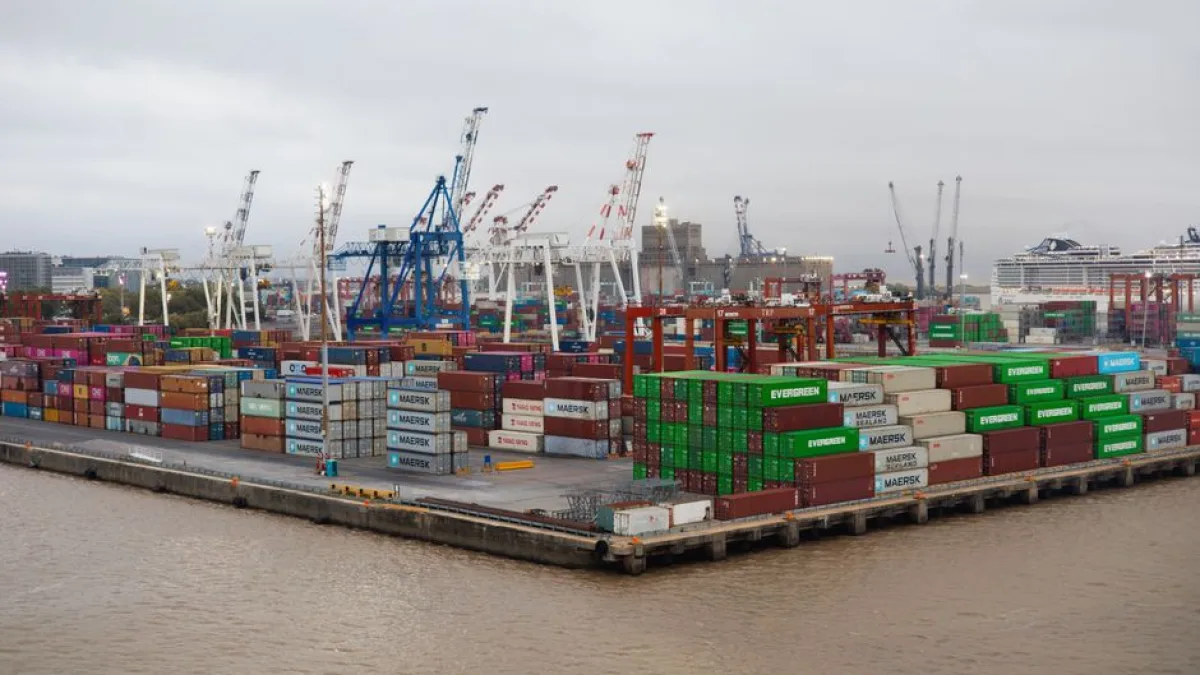
Real-time tracking of ocean containers is essential for maintaining client trust and operational flow. Modern freight platforms provide granular insights into cargo status, allowing forwarders to manage exceptions proactively and provide precise updates to stakeholders during every leg of the journey.
- Automated status tracking: Integrate directly with shipping line carriers to receive automatic updates on container locations and milestone changes without manual data entry or constant email follow-ups with agents.
- Exceptions management tools: Identify potential bottlenecks or port congestion issues early by utilizing intelligent alerts that highlight delays, allowing your team to re-route cargo and minimize expensive detention costs.
- Centralized data access: Maintain a single source of truth for all container movements, ensuring that every team member can access historical and current tracking information instantly and securely.
- Client portal transparency: Provide your customers with a secure, branded self-service portal where they can view live container positions, fostering greater trust and reducing daily support inquiries significantly.
Achieving total visibility transforms your business model from reactive to proactive. By utilizing integrated tracking data, your team can resolve issues before they escalate into major customer complaints. This level of transparency not only enhances your service reputation but also allows for better long-term planning, as you gather data points to identify consistent bottlenecks within specific trade lanes or partner carriers.
Streamlining Digital Documentation

Documentation remains the backbone of international shipping, yet it is often the most time-consuming process. Automating the creation of bills of lading and commercial invoices ensures compliance, reduces human error, and accelerates the customs clearance process for all shipments.
- Automated document generation: Generate standard shipping documents instantly by pulling information directly from the booking file, which eliminates redundant typing and reduces the risk of costly clerical errors.
- Cloud document storage: Securely store all digital paperwork in a centralized cloud repository, making it easy to retrieve essential documents during audits or customs inspections from anywhere.
- Error reduction strategies: Implement validation checks on sensitive data fields to ensure that every document meets international trade requirements before submission to authorities or partner carriers.
- E-signature integration: Speed up the approval process by utilizing electronic signatures, which allow stakeholders to sign off on critical documents remotely and significantly decrease administrative cycle times.
Digitalization of your documentation workflows directly impacts your bottom line. By reducing the time spent on manual data entry, your staff can pivot toward high-value tasks such as customer relationship management and business development. Furthermore, consistent and accurate documentation prevents customs delays and associated penalties, ensuring that cargo flows smoothly through international ports while maintaining strict adherence to complex global regulatory requirements.
Enhancing Carrier Communication

Communication between forwarders and carriers must be seamless to avoid costly operational disconnects. Cloud software enables standardized messaging protocols that keep all parties aligned on booking confirmations, space guarantees, and rate negotiations, ensuring that your cargo moves according to the schedule.
- Integrated messaging systems: Replace fragmented email chains with integrated communication tools that link directly to specific shipments, ensuring context is preserved and accessible to the entire team.
- Carrier performance analysis: Utilize built-in reporting tools to evaluate carrier reliability, pricing competitiveness, and service speed, allowing you to make data-driven decisions when selecting partners for future shipments.
- Real-time booking confirmations: Receive instant notifications when carriers confirm space, which allows your team to manage client expectations more effectively and confirm pickup slots with trucking partners.
- Simplified rate management: Store and compare carrier rates within a unified digital database, making it faster to generate competitive quotes and secure the best logistics solutions for clients.
Strong carrier relations are built on clear, data-backed communication. When you leverage software to manage these interactions, you reduce misunderstandings and ensure that your operations remain professional and efficient. Having an organized history of all communications also provides a safety net during disputes or insurance claims. This technological approach fosters a collaborative environment where both forwarder and carrier thrive together.
Scaling Through Cloud Solutions

As your freight forwarding business expands, your technology must keep pace. Cloud-based platforms offer the scalability needed to manage increased volume and global operations, ensuring that your infrastructure supports your growth objectives without requiring significant capital expenditure on hardware or maintenance.
- Scalable user seats: Easily add new team members or branches to your platform as your company grows, ensuring consistent access to tools and data across international office locations.
- Regular software updates: Benefit from automatic feature enhancements and security updates provided by the cloud vendor, keeping your business at the cutting edge of industry best practices.
- Remote work flexibility: Enable your workforce to access critical shipping data from any device, which supports flexible work arrangements and ensures operations continue without interruption during emergencies.
- Enhanced data security: Rely on enterprise-grade encryption and regular backups provided by cloud hosting, protecting your business from the risks of data loss or unauthorized access.
Transitioning to a scalable cloud platform is a strategic decision that future-proofs your business. As logistics markets become more competitive, the ability to rapidly adapt and expand becomes a significant differentiator. By removing the limitations of legacy systems, you create a robust foundation that can handle increased complexity and volume, ultimately enabling your freight forwarding business to achieve sustained growth and profitability.
Conclusion

Modernizing your ocean freight operations is the definitive key to staying competitive in today's fast-paced logistics environment. By prioritizing visibility, documentation, communication, and scalability through cloud-based software, you empower your team to provide exceptional service while optimizing internal efficiency. Evaluate your current systems today to identify areas for improvement and start your journey toward a more agile, tech-driven future for your freight business.