Optimizing Ocean Freight Operations in the Modern Era
Sunday, September 13 2026

The global shipping industry faces unprecedented challenges as supply chain complexities grow and market volatility remains a constant factor for freight forwarders. Digital transformation has shifted from a competitive advantage to a fundamental necessity for survival in the maritime sector. By integrating advanced cloud-based platforms, professionals can gain real-time visibility into their cargo movements while reducing manual errors that plague traditional logistics operations. This guide explores how freight forwarders can leverage technology to streamline ocean freight processes, enhance communication with global partners, and ultimately deliver superior service to their end customers in an increasingly interconnected and demanding global marketplace.
Leveraging Real-Time Tracking Data
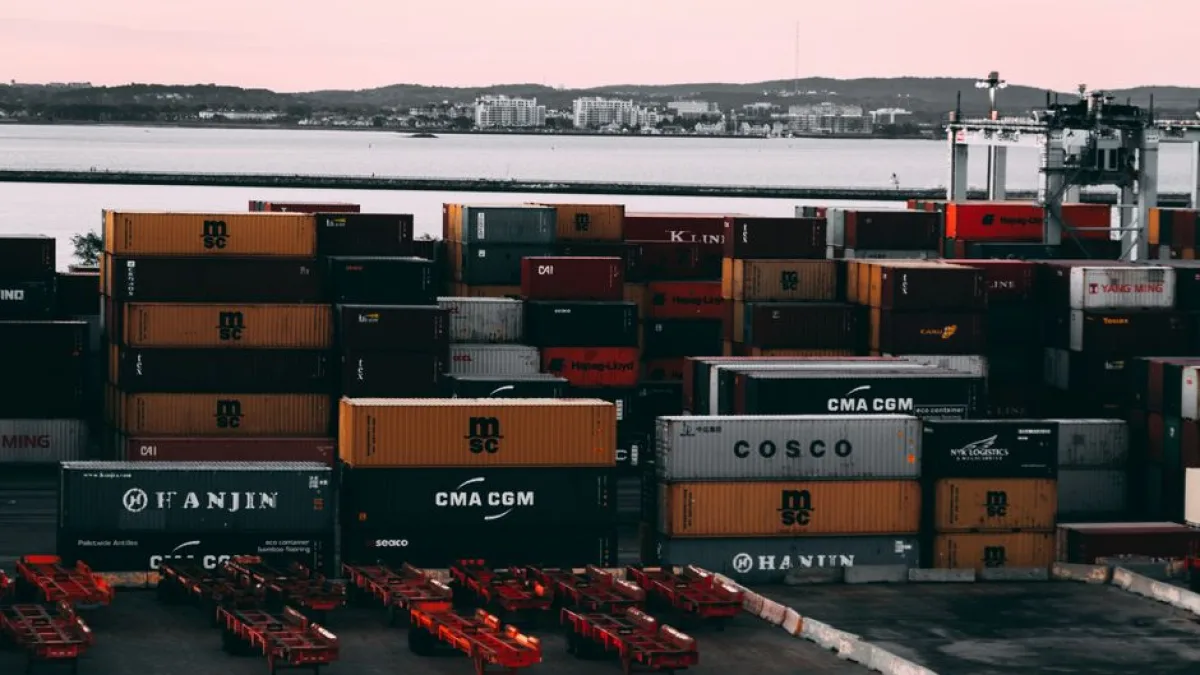
Real-time visibility into container movements allows forwarders to proactively address delays rather than reacting to them after the damage is done. By integrating GPS and AIS data into daily operations, companies can offer clients accurate status updates and improved ETA accuracy.
- Enhanced Cargo Visibility: Cloud platforms aggregate multi-carrier data to provide a unified dashboard showing exactly where containers are located throughout their entire journey across the global ocean networks.
- Proactive Delay Management: Automated alerts notify operations teams of port congestion or vessel deviations, allowing them to adjust schedules before clients experience significant impacts on their inventory timelines.
- Improved Client Communication: Providing transparent tracking information directly to customers reduces the volume of status inquiries while building long term trust and professional credibility with stakeholders.
- Data Driven Decisions: Analytics tools help firms identify recurring bottlenecks in specific lanes, enabling teams to optimize routes and select more reliable carriers for future shipment requests.
Adopting digital tracking tools transforms the way forwarders manage their daily logistics workflows. Instead of spending hours chasing vessel updates, teams can focus on strategic improvements and exception management. This shift not only saves precious operational time but also positions your company as a modern leader in the logistics space. Embracing technology today ensures that your firm remains resilient against future market disruptions.
Automating Essential Documentation

Manual documentation processes are notorious for causing bottlenecks in ocean freight shipping. Automating the generation of bills of lading and customs declarations reduces the risk of human error while significantly accelerating the speed of cargo clearance at international ports.
- Eliminating Manual Entry: Integrated software solutions extract key data directly from booking requests to populate shipping documents, removing the need for repetitive typing and manual verification tasks.
- Standardized Compliance Workflows: Automated systems ensure that all required documentation adheres to international regulatory standards, minimizing the likelihood of fines or costly cargo holds at borders.
- Seamless Document Sharing: Centralized document storage allows all authorized parties to access and approve digital files instantly, removing the friction associated with traditional email based file exchanges.
- Error Reduction Efficiency: Digital validation rules catch inconsistencies in container weights or descriptions before documents are submitted to customs authorities, ensuring smooth and rapid shipment processing every time.
Transitioning from paper-heavy workflows to digital document automation is a critical step for any freight forwarding business. The immediate benefits include reduced operational costs and faster billing cycles, which directly improve your cash flow. By removing manual burdens from your staff, you enable them to dedicate their energy toward high value tasks that drive sustainable growth and satisfy your client base.
Streamlining Carrier Coordination
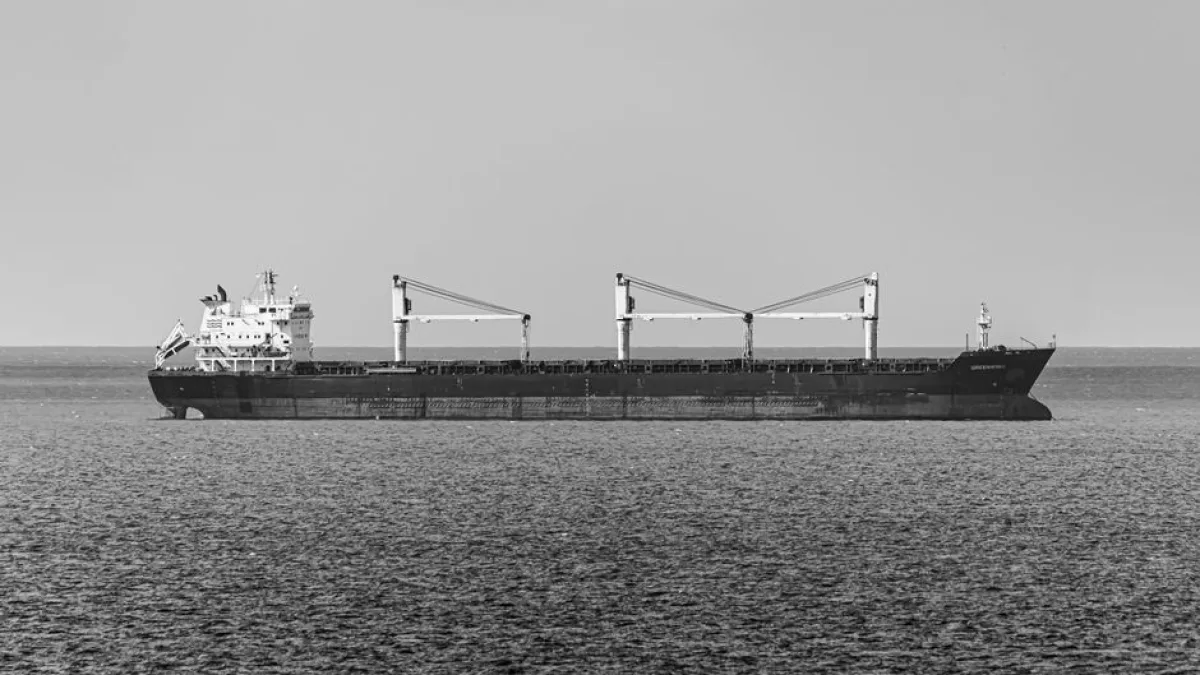
Effective carrier coordination is the backbone of successful ocean freight logistics. Managing relationships with multiple shipping lines requires efficient communication channels and standardized processes to ensure that booking requests and space allocations are handled correctly without unnecessary delays or confusion.
- Unified Booking Portals: Centralized systems allow teams to send booking requests to multiple carriers through one interface, saving time and simplifying the management of global carrier portfolios.
- Optimized Space Allocation: Intelligent tools monitor carrier space availability, helping forwarders secure better vessel capacity during peak seasons when container shortages often impact the broader global market.
- Simplified Rate Management: Storing all carrier contracts and rate sheets in one digital location allows teams to instantly compare prices and select the most cost effective options.
- Performance Monitoring Tools: Track carrier reliability metrics such as on-time performance and documentation accuracy to hold partners accountable and maintain high quality service standards for your clients.
Strong relationships with carriers are only sustainable when backed by efficient data management. By streamlining these interactions through cloud software, forwarders can respond faster to market changes and secure better service levels. This proactive approach turns carrier management into a strategic asset, providing your company with a distinct edge in a competitive landscape where reliability and speed are the primary currencies.
Optimizing Logistics Financial Management

Managing the financial aspect of ocean freight requires precision and speed. From automated invoicing to complex cost tracking, having a clear view of your financial health is essential for maintaining profitability in a margin-sensitive business environment today.
- Automated Invoice Creation: Software systems automatically generate invoices based on confirmed shipment data, ensuring that billing is accurate and delivered to customers without manual delays or errors.
- Integrated Cost Tracking: Monitor every expense associated with a container journey, including inland haulage and terminal fees, to gain a precise understanding of your profit margins per shipment.
- Fast Payment Processing: Digital payment integrations allow for quicker collection from customers, which directly improves your company liquidity and allows for better reinvestment into operational capacity upgrades.
- Detailed Profit Reports: Access deep insights into revenue trends and cost fluctuations across different trade lanes to make informed decisions about your company pricing and service offerings.
Financial clarity is the foundation of a successful logistics enterprise. When you automate your billing and cost management, you reduce the risk of revenue leakage and improve your overall operational efficiency. This allows your team to focus on growth initiatives rather than chasing overdue payments or correcting invoice errors. Make the switch to automated financial management tools to boost your company bottom line.
Conclusion

Technology remains the most powerful lever for freight forwarders looking to scale their ocean freight operations. By embracing automation, real-time data, and robust financial tools, your team can overcome traditional industry barriers and deliver exceptional value to customers. Now is the perfect time to evaluate your existing processes and integrate a modern cloud platform to ensure your business thrives throughout the coming decade.