Optimizing Ocean Freight Operations in a Digital Era
Monday, September 14 2026
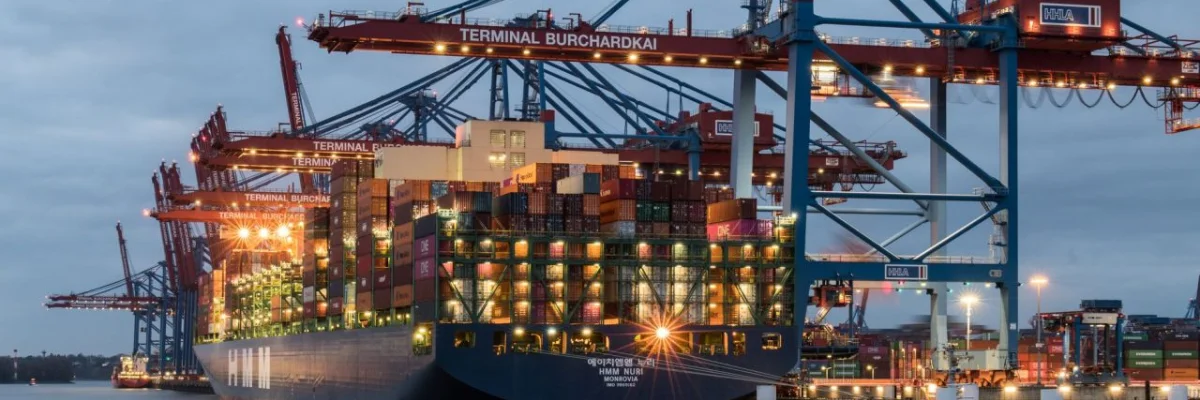
Navigating the complexities of modern ocean freight requires more than just logistical experience; it demands a transition toward fully integrated digital workflows. As global supply chains face unprecedented volatility, freight forwarders must leverage cloud-based platforms to maintain visibility and operational agility. Manual data entry and siloed communication channels are no longer sustainable in a market that prioritizes speed and accuracy. By adopting advanced technological solutions, forwarders can mitigate risks, improve client satisfaction, and ensure that their services remain competitive despite external market pressures. This evolution is essential for long-term growth and operational excellence in the maritime industry.
Mastering Container Tracking Visibility
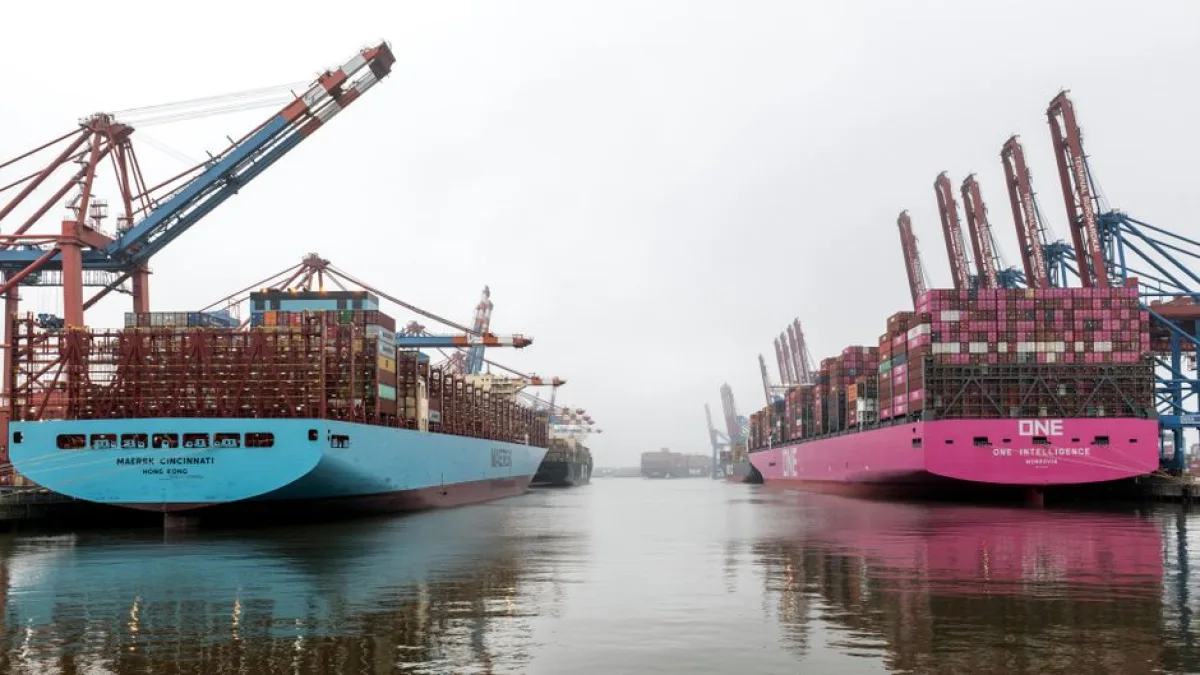
Real-time visibility into container movements is the backbone of efficient logistics management. By utilizing automated tracking systems, forwarders can monitor every milestone of a shipment from port to port, providing stakeholders with accurate updates and proactive delay management solutions today.
- Automated status updates: Real-time integration with carrier portals ensures that your team receives immediate notifications regarding vessel schedule changes or container discharge status without manual checking or constant email threads.
- Proactive exception management: Advanced software tools identify potential bottlenecks or port congestion before they impact the final delivery schedule, allowing forwarders to communicate transparently with clients and adjust plans early.
- Unified shipment dashboard: Centralizing all tracking data into a single cloud-based view eliminates the need to jump between multiple carrier websites to find critical information for your customers.
- Historical data analysis: Tracking performance data over time helps identify recurring trends in carrier reliability, enabling more informed decision-making when selecting partners for future high-priority maritime cargo shipments.
Achieving total transparency requires a commitment to digital infrastructure that prioritizes seamless data flow. When freight forwarders adopt these tools, they reduce the time spent on administrative tasks and focus on value-added services. Clients benefit from the heightened reliability, fostering long-term trust. Ultimately, investing in visibility transforms the cargo management process from a reactive struggle into a streamlined, predictable, and highly professional service delivery system.
Streamlining Complex Documentation Workflows

Processing shipping documents remains one of the most labor-intensive aspects of ocean freight. Digital platforms now allow for the automated generation and validation of bills of lading, packing lists, and commercial invoices, significantly reducing human error and processing time.
- Automated document generation: Cloud software templates pre-fill critical shipment data, which drastically minimizes typing errors and ensures that all mandatory information is included for smooth customs clearance and processing.
- Secure document sharing: Centralized digital repositories allow authorized partners and clients to access, review, and sign documents securely without relying on insecure email attachments or physical mail services.
- Validation rule engines: Integrated system checks flag missing fields or data inconsistencies immediately, preventing costly rejections from customs authorities or port officials during the final clearance process today.
- Digital audit trails: Every version of a document is logged and stored, providing a clear history of changes that is essential for compliance reporting and internal quality control.
Efficient documentation management directly correlates to lower operational overhead and faster shipment cycles. When your team moves away from paper-based processes, the risk of miscommunication drops significantly, ensuring that cargo moves through ports without unnecessary delays. This level of precision is exactly what modern shippers demand. Implementing these digital standards elevates your agency reputation while creating a scalable environment for future business expansion.
Improving Carrier Communication Channels

Effective communication with ocean carriers is vital for negotiating rates and resolving operational disputes. A unified communication strategy reduces misunderstandings and ensures that all parties are aligned regarding vessel space, booking confirmations, and the evolving requirements for specialized containerized cargo shipments.
- Direct portal integration: Connecting your management software directly to carrier systems allows for instant booking confirmations and eliminates the latency typically associated with traditional email or phone-based inquiries.
- Centralized conversation logs: Keeping all communication regarding a specific booking within the platform ensures that no critical details are lost, even if personnel changes or team members rotate.
- Enhanced rate negotiations: Data-driven insights from your communication history provide a stronger foundation for negotiating better volume rates with your preferred shipping lines during the annual bidding process.
- Standardized messaging formats: Using templates for common carrier requests ensures that your correspondence remains professional, clear, and focused on the key logistical requirements needed for every single voyage.
Optimizing how your firm interacts with carriers will drastically improve your service reliability. By minimizing the time spent on administrative back-and-forth, your team can dedicate more energy to strategic planning and client support. This transition to digitized, centralized communication is a critical step in building a resilient logistics network. Consistent, professional interaction leads to better partnerships and ultimately a more successful operation.
Harnessing Data for Strategic Growth

Data is the most valuable asset for a forwarder looking to scale operations. Cloud-based platforms offer powerful analytical tools that reveal hidden trends in shipping costs, transit times, and route profitability, allowing forwarders to make decisions based on facts rather than intuition.
- Profitability analytics modules: Gain a clear understanding of the margins on specific trade lanes by aggregating revenue and cost data to identify where your agency is most successful.
- Performance benchmarking tools: Compare carrier transit times against market averages to verify if your current routing strategies are truly delivering the fastest possible service for your client base.
- Scalable reporting features: Custom reports generated in seconds provide high-level insights for management, helping to guide long-term strategy and identifying potential areas for expansion in the global market.
- Dynamic cost monitoring: Track fluctuations in ocean freight rates and surcharges in real time, enabling you to adjust your pricing strategy quickly to maintain competitive market positions.
Strategic data usage enables your firm to move past day-to-day survival and into long-term prosperity. By identifying which lanes are most profitable and which carriers offer the best value, you can optimize your resources for maximum impact. This analytical approach provides a clear roadmap for future investments. Embracing this data-driven culture ensures your business stays ahead of competitors in a rapidly changing world.
Conclusion

Modernizing ocean freight operations is no longer optional in a digital global economy. By embracing automation, visibility, and data-driven strategies, freight forwarders can overcome traditional industry hurdles and deliver exceptional value to their customers. Start your transformation today by evaluating your current software capabilities and identifying areas for digital improvement. A more efficient, transparent, and profitable future awaits those willing to innovate now.