Optimizing Ocean Freight Operations in the Modern Era
Monday, September 14 2026
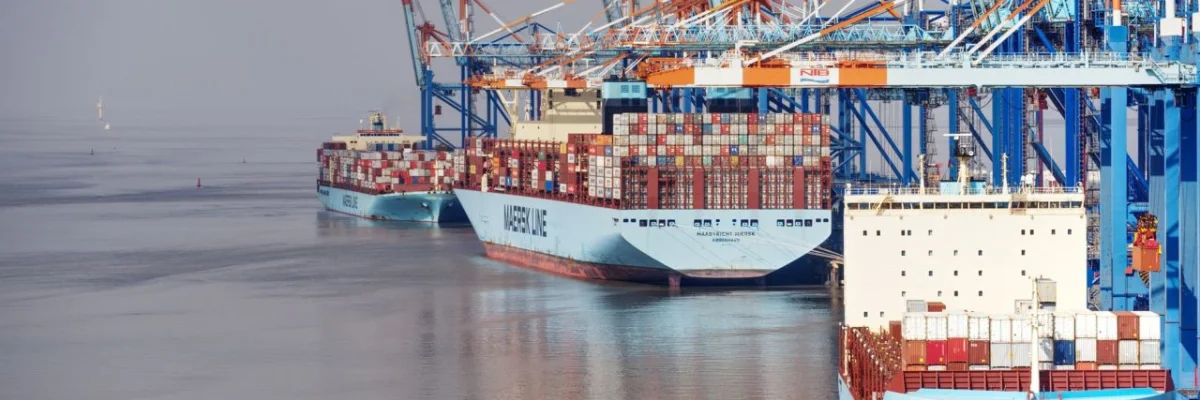
Navigating the complex landscape of global ocean freight requires more than just traditional logistical knowledge. As supply chains grow increasingly volatile, freight forwarders must leverage advanced digital tools to maintain efficiency and transparency for their clients. From managing port congestion to tracking real-time vessel data, the challenges are significant. By adopting cloud-based solutions, forwarders can transform these obstacles into competitive advantages. This article explores essential strategies to modernize your operations, reduce administrative overhead, and ensure that your shipping processes remain resilient against the unpredictable nature of international trade while focusing on long-term growth and sustainable service delivery.
Mastering Container Load Optimization
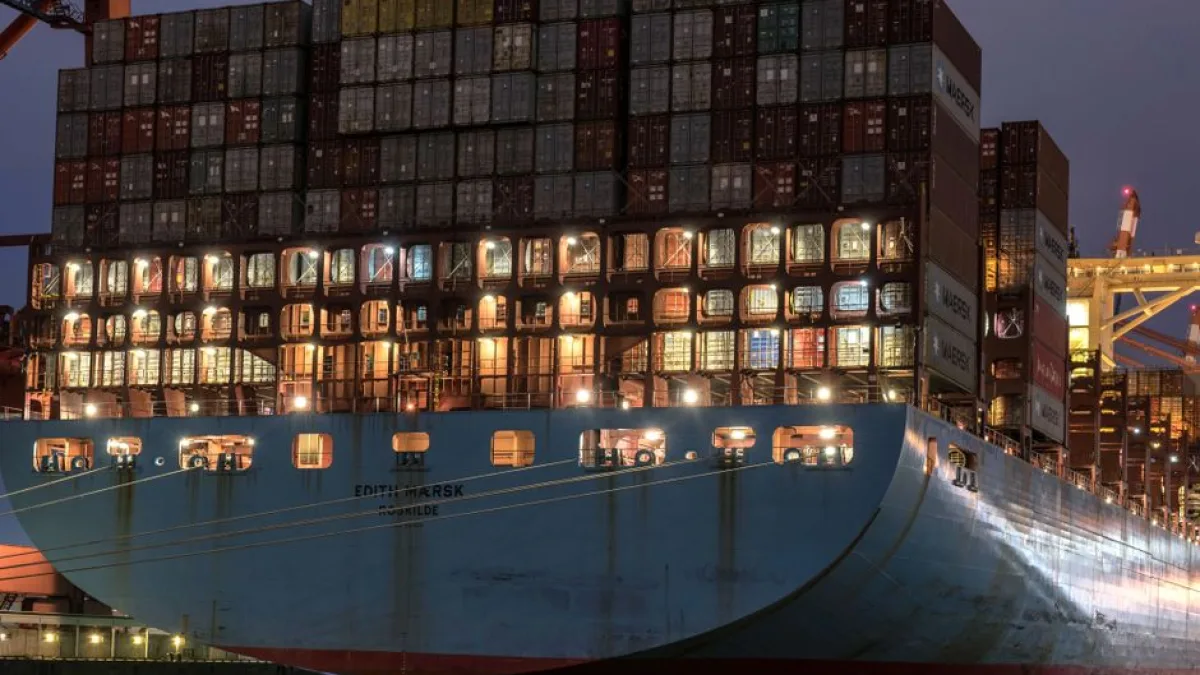
Effective container load optimization serves as the foundation for reducing shipping expenses and maximizing vessel space usage. By strategically planning cargo placement, forwarders minimize the risk of damage while ensuring that every shipment meets safety standards and maximizes total volume capacity.
- Automated space planning: Advanced software tools analyze cargo dimensions automatically to calculate the most efficient stacking patterns, effectively reducing wasted container space and lowering overall per-unit shipping costs significantly.
- Weight distribution logic: Proper weight management prevents structural stress on the container and ensures compliance with port regulations, which helps avoid costly safety inspections or potential cargo rejection fees.
- Pallet layout efficiency: Optimized pallet arrangements minimize movement during transit, drastically reducing the risk of transit damage while improving the speed of loading and unloading at the facility.
- Real-time capacity tracking: Integration with booking platforms allows forwarders to see available capacity instantly, enabling smarter decision-making when allocating goods to specific vessels during peak shipping seasons.
Optimizing how cargo occupies space within a container is no longer a manual task for experts. Modern software platforms provide the precision needed to ensure that every shipment is handled with care and maximum efficiency. By focusing on these technical aspects of load management, forwarders can provide clients with lower prices and more reliable service, ultimately strengthening business relationships across the global supply chain network today.
Harnessing Real-time Shipment Tracking

Visibility remains the most critical demand from modern shippers who require constant updates regarding their cargo. Utilizing integrated tracking technology allows freight forwarders to provide transparent, minute-by-minute status updates that eliminate uncertainty and foster trust with demanding global clients.
- Live vessel tracking: Integration with satellite monitoring services provides exact geographical locations, ensuring that forwarders know the status of every vessel at all times throughout the transit.
- Automated status updates: Proactive notifications inform clients of milestone completions or unexpected delays immediately, significantly reducing the volume of manual inquiries handled by your customer service team.
- Exception management alerts: Intelligent systems trigger automatic warnings when a shipment deviates from the planned route, allowing for rapid intervention before small problems escalate into major delays.
- Port congestion analytics: Data-driven insights into port traffic help predict potential waiting times, allowing teams to adjust schedules and inform customers about arrival times with greater accuracy.
Providing your clients with a bird-eye view of their supply chain is essential for modern business success. When customers can see exactly where their goods are, their anxiety decreases and their loyalty grows. By implementing robust digital tracking solutions, you turn information into a powerful service tool that sets your agency apart from traditional competitors struggling with outdated, manual communication and status reporting.
Streamlining Documentation and Compliance

Handling the massive volume of paperwork associated with ocean freight often creates significant bottlenecks. Digitizing the flow of bills of lading, customs declarations, and certificates of origin is crucial for accelerating the release of cargo and maintaining regulatory compliance.
- Paperless document workflows: Transitioning to cloud-based document management allows for instant retrieval and sharing of critical files, reducing the risk of lost paperwork and administrative processing errors.
- Customs compliance integration: Direct connections to government portal systems ensure that declarations are filed accurately and on time, preventing costly delays and heavy penalties at customs.
- Automated data entry: Smart character recognition technology extracts key information from scanned documents, eliminating the need for manual typing and reducing human error to an absolute minimum.
- Secure document archiving: Centralized digital storage provides an audit trail for every transaction, ensuring that your firm remains prepared for internal reviews or external regulatory audits anytime.
Efficiency in documentation is the difference between a smooth delivery and a stagnant container stuck at the terminal. By removing the burden of manual document management, your team can focus on higher-value tasks that drive revenue and growth. Investing in automated compliance tools ensures that your operations remain error-free, timely, and fully aligned with the strict standards governing today's international shipping environment.
Leveraging Data for Strategic Growth

Transforming raw shipping data into actionable insights enables forwarders to identify new revenue streams and operational improvements. Analyzing past performance trends allows management to make informed decisions that improve profitability while enhancing the overall experience for your diverse customer base.
- Route performance analysis: Identifying the most reliable carrier routes allows you to recommend the best options to clients, ensuring faster delivery times and fewer logistical complications overall.
- Carrier rate benchmarking: Keeping detailed records of freight rates enables you to negotiate better contracts with shipping lines, directly increasing your profit margins on high-volume accounts.
- Customer behavior profiling: Tracking shipping patterns helps you anticipate client needs, allowing for personalized service offerings that increase retention and drive long-term business growth and stability.
- Operational cost tracking: Monitoring every expense associated with individual shipments helps pinpoint hidden costs, allowing for better pricing strategies that maintain competitiveness in a fluctuating market environment.
Data is the most valuable asset in the freight industry when used correctly. Instead of reacting to daily challenges, data-driven forwarders can plan ahead and optimize their entire business structure. By consistently evaluating performance metrics, your company stays ahead of market shifts, maintains high service standards, and builds a sustainable model that prospers regardless of the challenges present in global trade.
Conclusion

Modernizing ocean freight operations requires a combination of technology, strategy, and continuous improvement. By mastering container optimization, tracking, documentation, and data analysis, forwarders can successfully navigate the complexities of international trade. Embrace these digital tools to elevate your service levels and streamline internal workflows. Contact MakeCargo today to learn how our software can help you build a more efficient and profitable freight forwarding business.