Optimizing Ocean Freight Operations in a Digital Era
Tuesday, September 15 2026
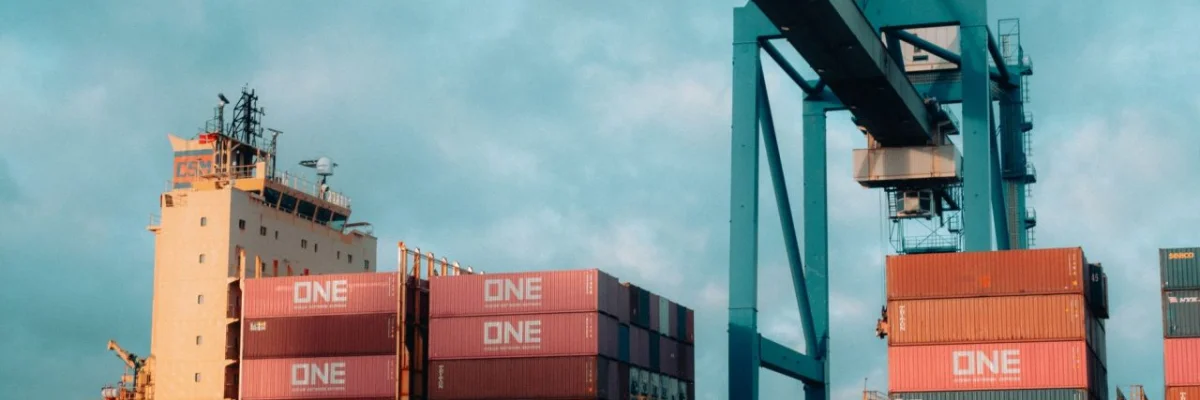
Navigating the complex landscape of global ocean freight requires more than just traditional logistics expertise. As supply chain demands evolve, freight forwarders must transition from manual processes to cloud-native platforms to maintain a competitive edge. Efficiency has become the primary differentiator for businesses looking to scale operations while minimizing unexpected costs and delays. By leveraging real-time data and automated workflows, organizations can transform their logistical challenges into strategic advantages. This article explores how modern software integration bridges the gap between historical industry hurdles and the future of maritime transportation, ensuring your business thrives amidst shifting global trade dynamics and increased transparency requirements.
Modernizing Documentation Processes
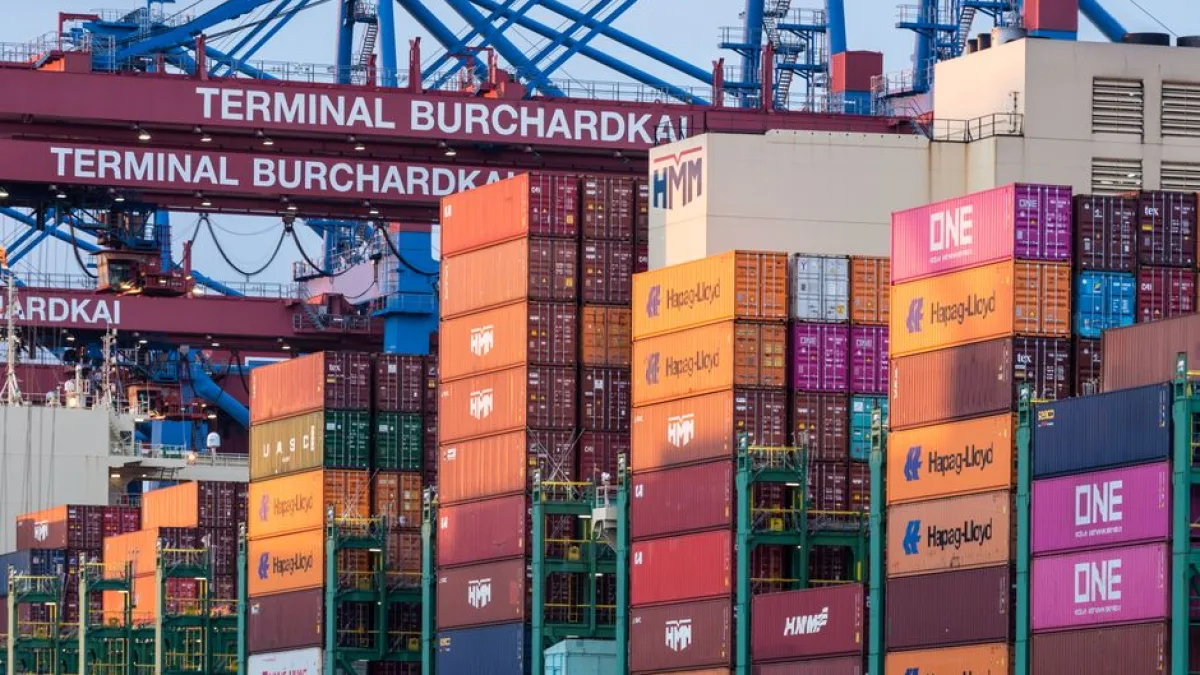
Digitizing your documentation is essential for reducing errors and accelerating customs clearance times. Automated systems allow for seamless data entry and document retrieval, ensuring that all stakeholders have access to the same information throughout the entire shipping lifecycle.
- Automated Bill Creation: Eliminate manual data entry errors by generating accurate bills of lading directly from your shipping software, saving valuable time and reducing the risk of costly penalties.
- Standardized Document Templates: Maintain consistency across all shipments by utilizing pre-configured templates that ensure compliance with international maritime regulations and carrier specific requirements for every single voyage.
- Centralized Cloud Repository: Store all essential shipping documents in a secure, cloud-based platform that allows authorized team members to retrieve critical information instantly from any location worldwide.
- Digital Approval Workflows: Speed up the verification process by routing documents through digital approval chains, effectively removing bottlenecks that occur when waiting for physical signatures or manual reviews.
By shifting away from legacy paper based systems, freight forwarders gain unparalleled control over their operational data. This transition not only streamlines daily tasks but also empowers your team to focus on high level decision making rather than repetitive administrative work. Integrating automated document handling allows for faster throughput, ultimately driving down costs and improving the overall experience for every client within your global network.
Enhancing Shipment Visibility

Real time tracking provides the transparency that modern customers demand from their logistics partners. Cloud platforms integrate directly with carrier data to offer live updates on vessel locations, arrival times, and potential disruptions throughout the journey.
- Live Vessel Tracking: Monitor the exact location of your cargo across global shipping lanes with integration tools that provide constant updates directly from major ocean carrier networks.
- Automated Milestone Alerts: Configure intelligent notification systems that automatically inform clients about critical shipment milestones, such as vessel departure, arrival at port, or customs clearance completion status.
- Exception Management Tools: Proactively identify delays or route deviations using smart software alerts, enabling your team to resolve issues before they escalate into significant supply chain disruptions.
- Enhanced Client Portals: Provide your customers with a secure, branded dashboard where they can track their freight status independently, reducing the volume of status update inquiries.
Transparency is no longer an optional luxury but a fundamental necessity for maintaining strong client relationships. When your customers have access to accurate, up to the minute tracking data, they can better plan their inventory management and internal logistics. Implementing these visibility tools reduces operational overhead while significantly boosting client satisfaction and retention rates in an increasingly competitive global freight forwarding marketplace.
Strategic Carrier Relationship Management

Managing multiple carrier relationships requires a robust strategy to ensure favorable rates and reliable capacity. Digital platforms help forwarders organize performance metrics, allowing for data driven negotiations that improve long term profitability and service reliability for shippers.
- Carrier Performance Analytics: Evaluate your shipping partners based on historical data regarding transit times, frequency of delays, and overall service reliability to make more informed carrier selections.
- Centralized Rate Management: Organize all your carrier contracts, surcharges, and spot rates in one searchable database, allowing for rapid price comparisons when quoting new client requests.
- Collaborative Communication Logs: Maintain a complete history of interactions with carrier representatives, ensuring that your team remains aligned on pricing agreements and special operational requirements for shipments.
- Volume Commitment Tracking: Monitor your progress against volume agreements with shipping lines to ensure you meet necessary targets while maximizing your negotiating power for future freight rates.
Building strong partnerships with ocean carriers is essential for navigating market fluctuations and capacity constraints. By maintaining organized data and clear communication channels, forwarders can secure better terms and consistent service quality. Software solutions that manage these relationships allow your team to operate with greater confidence, transforming negotiations from guessing games into strategic discussions based on verified performance and volume data.
Financial Efficiency and Profitability

Accurate billing and profit analysis are the cornerstones of a successful freight forwarding business. Cloud-based tools ensure that every cost is captured, preventing revenue leakage and enabling precise margin reporting on every single ocean freight shipment handled.
- Integrated Cost Tracking: Automatically capture all incidental charges, port fees, and handling costs in a single system to ensure your final invoices reflect the true cost of shipping.
- Profit Margin Analysis: Utilize advanced reporting features to visualize the profitability of specific trade lanes, carrier partners, or client accounts, identifying areas where you can optimize operations.
- Streamlined Invoicing Processes: Reduce the gap between shipment completion and final payment by generating automated, accurate invoices that are ready for distribution to clients without manual reconciliation.
- Automated Currency Conversion: Handle multi-currency transactions with precision by utilizing real-time exchange rate integrations, minimizing financial risk associated with fluctuations in international shipping costs and market rates.
Financial health determines your ability to invest in new technology and service improvements. When your accounting processes are tightly integrated with your operational software, you eliminate the risk of missed billings or incorrect cost allocations. This precision drives healthier profit margins and ensures that your financial reporting is always accurate. A focus on financial discipline provides the stability needed for growth and long-term success.
Conclusion
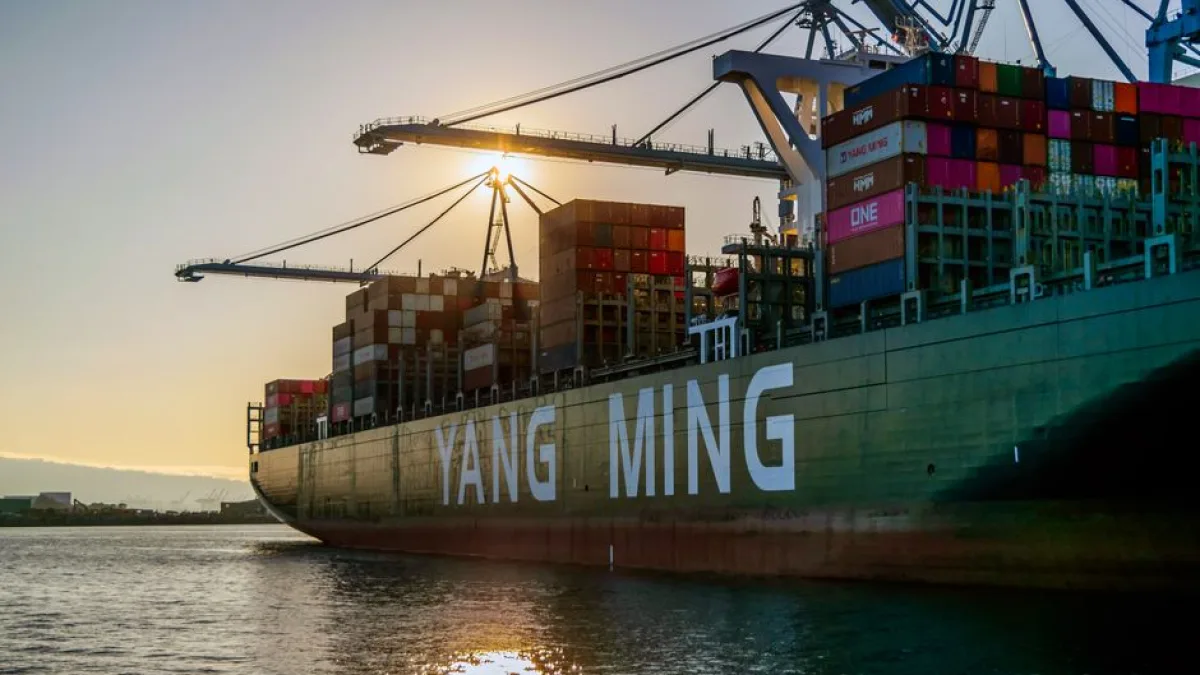
Modernizing ocean freight operations is an essential step for forwarders aiming to maintain growth in a volatile market. By embracing cloud technology for documentation, visibility, carrier management, and financial oversight, you can reduce costs while simultaneously improving the value delivered to clients. Start your digital transformation today to ensure your logistics business remains agile, scalable, and fully prepared for the future of international trade.