Optimizing Ocean Freight Operations in a Digital Era
Tuesday, September 15 2026
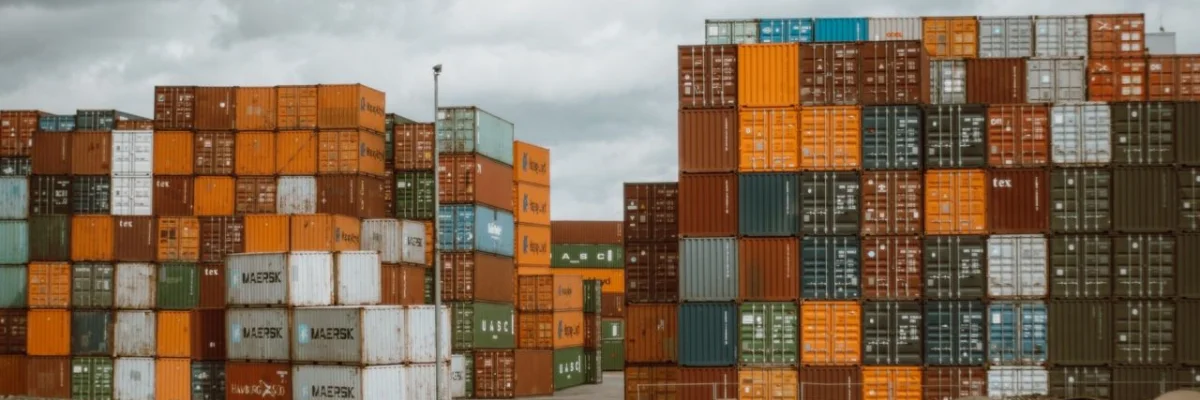
Navigating the complex landscape of global ocean freight requires more than just traditional logistical expertise in today's fast-paced market environment. As supply chains face constant pressure from fluctuating demand and unforeseen port congestion, freight forwarders must embrace digital transformation to maintain a competitive edge. Leveraging cloud-based technology allows logistics providers to unify their operations, reduce manual data entry errors, and provide real-time transparency to their customers. By modernizing legacy workflows, companies can transition from reactive management to proactive logistics planning, ultimately ensuring that goods move efficiently across international waters while meeting the high expectations of modern global commerce.
Leveraging Real-Time Tracking
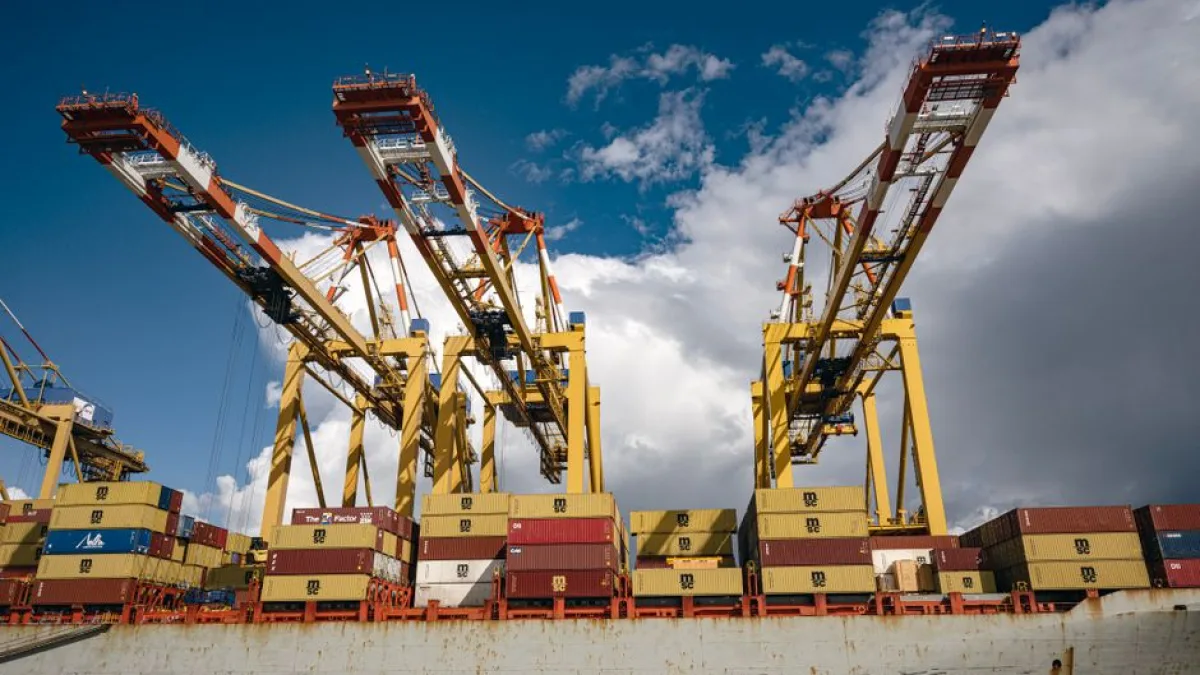
Integrating advanced tracking systems allows logistics professionals to monitor shipments across the vast ocean with precision. By capturing live data from carriers, teams can provide immediate status updates to clients and anticipate potential transit delays before they escalate into major disruptions.
- Automated status updates: Implementing automated notification triggers ensures that your clients receive immediate alerts regarding vessel departures, arrival milestones, and any unexpected changes to the planned shipping schedule for their cargo.
- Proactive delay alerts: Real-time monitoring allows your dispatch team to receive instant warnings about port congestion, allowing for faster rerouting or communication adjustments to manage customer expectations effectively today.
- Enhanced visibility dashboard: A unified digital dashboard provides a comprehensive view of all ongoing shipments, which helps operational staff identify bottlenecks and allocate resources more efficiently across the network.
- Accurate transit estimates: Advanced predictive analytics tools utilize historical data to provide more precise arrival estimates, helping your business build trust with clients through reliable and consistent reporting.
Integrating these tracking technologies transforms how forwarders handle client inquiries by shifting the burden away from manual phone calls and emails. Instead, your staff can focus on high-value tasks while customers access their own data through secure portals. This transition not only boosts overall operational productivity but also cultivates long-term loyalty by delivering a professional, modern experience that stands out in a crowded market.
Streamlining Documentation Workflows

Managing the endless stream of bills of lading and customs declarations is a significant challenge for any freight forwarder. Adopting digital documentation solutions allows your team to store, share, and edit critical shipping records within a secure cloud environment.
- Electronic document storage: Moving all physical files to a secure cloud server eliminates the risk of losing important paperwork while ensuring that authorized team members have instant access.
- Automated data extraction: Modern software tools use intelligent parsing to pull key information from invoices and shipping documents, significantly reducing the time spent on manual data entry tasks.
- Collaborative editing tools: Teams can work simultaneously on complex shipping documents, which prevents version control issues and accelerates the overall approval process for international trade documentation requirements.
- Compliance validation checks: Built-in validation protocols automatically flag missing information or regulatory inconsistencies, which helps ensure every document meets international standards before submission to customs authorities globally.
Reducing manual paperwork overhead creates significant time savings for your operations department, enabling them to handle higher volumes without increasing headcount. By digitizing these essential processes, you minimize the risk of human error that leads to costly customs fines or shipment holds at the port. This efficiency gain provides a clear return on investment, allowing your business to scale operations while maintaining high accuracy.
Managing Carrier Relationships

Strengthening connections with multiple ocean carriers is essential for securing space and competitive pricing. Centralized platforms provide the data needed to evaluate carrier performance objectively, ensuring that your company always selects the most reliable and cost-effective shipping partners available.
- Performance analytics reports: Utilize detailed analytics to track carrier reliability, measuring metrics such as on-time performance and documentation accuracy to make informed decisions regarding future freight service procurement.
- Centralized rate management: Store all carrier rate cards in a single location, which allows your pricing team to compare options instantly and generate accurate quotes for clients.
- Direct communication logs: Keeping all correspondence with carrier agents within the software platform prevents vital details from being buried in private email inboxes across your organization.
- Volume forecasting tools: Predicting your future cargo volumes helps you negotiate better contracts with carriers, positioning your business as a preferred partner for premium space allocations.
Nurturing strong carrier relationships is a strategic advantage that pays off during periods of limited vessel capacity or industry-wide disruption. When you have well-organized data to support your negotiations, you demonstrate professionalism that carriers respect. This collaborative approach fosters better cooperation, ensuring that your cargo receives priority handling and that your business benefits from more favorable terms during the most challenging shipping seasons.
Enhancing Customer Transparency

Providing customers with clear visibility into their freight journey is a major differentiator in the industry. By empowering clients with self-service portals, forwarders can improve communication and reduce the administrative workload for their dedicated account management teams significantly.
- Customer self-service portals: Give your clients 24/7 access to their shipment history and documentation, which reduces the number of incoming routine inquiries handled by your staff members.
- Real-time reporting tools: Generate customizable reports for your customers that highlight transit times and cost savings, proving the value of your services through transparent and factual data.
- Proactive issue resolution: Sharing information about potential disruptions early allows you to work with your clients on solutions, preserving the relationship even when external circumstances cause delays.
- Customized branded notifications: Personalized email updates featuring your company branding reinforce your professional identity, keeping your brand top of mind every time a shipment update is sent.
Transparency creates trust, which is the foundation of any successful freight forwarding partnership in the digital age. When clients feel well-informed about every stage of the transit process, they are less likely to experience anxiety regarding their cargo movement. By utilizing digital tools to share updates seamlessly, you deliver a superior customer experience that promotes retention and attracts new business opportunities consistently.
Conclusion

Adopting modern technology is the most effective way to drive growth and operational excellence in today's competitive ocean freight industry. By focusing on real-time tracking, digital documentation, and improved customer transparency, your company will be well-positioned to handle future market challenges with ease. Start your digital transformation journey today by evaluating your current workflows and identifying areas where cloud software can provide immediate, lasting benefits.