Optimizing Ocean Freight Operations in a Digital Era
Wednesday, September 16 2026
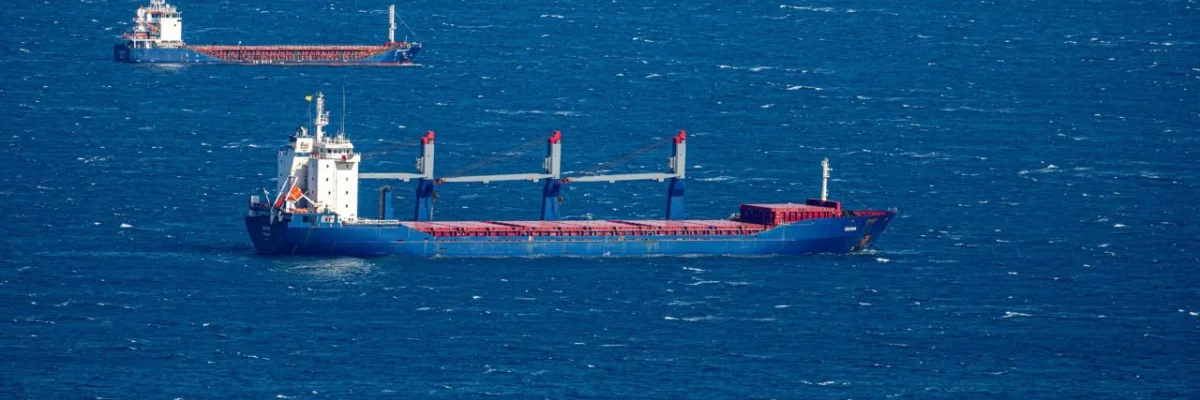
The global shipping landscape is undergoing a massive transformation as freight forwarders shift from manual processes to integrated digital solutions. As supply chains become increasingly complex and market volatility remains a constant threat, efficiency is no longer an optional luxury but a core requirement for profitability. Modern logistics professionals must leverage technology to gain real-time visibility and streamline communication across international borders. By adopting cloud-based platforms, forwarders can minimize human errors, reduce administrative overhead, and provide clients with the data-driven insights they demand. Embracing these technological advancements is essential for remaining competitive in the ever-evolving ocean freight industry today.
Modernizing Documentation Workflows
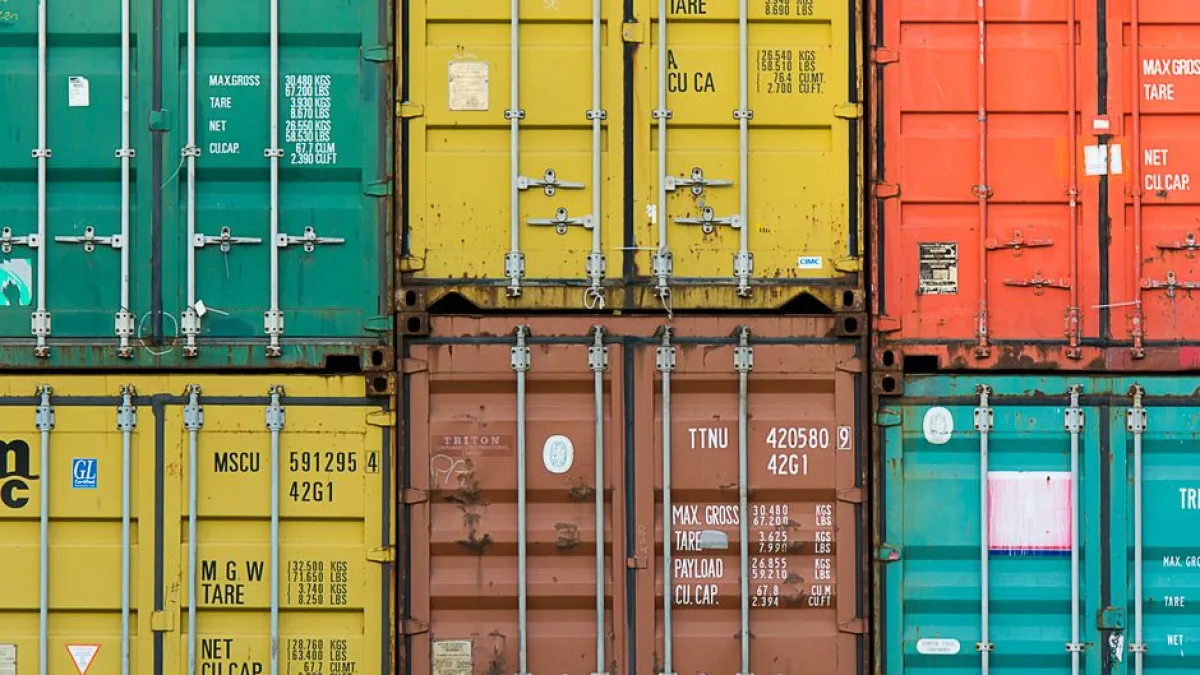
Effective document management remains the backbone of successful ocean freight operations. By transitioning from paper-based records to digital automated workflows, freight forwarders significantly decrease processing times while ensuring critical compliance documents are always accessible for customs clearance and stakeholder verification tasks.
- Automated Data Entry: Implement software that automatically pulls information from bills of lading to minimize manual typing and human errors, allowing your team to focus on high-value logistical tasks.
- Centralized Cloud Storage: Maintain a secure digital repository where all shipment documents are saved in real-time, ensuring that every team member accesses the most current version available.
- Digital Document Approval: Utilize electronic signature integrations to speed up the verification process for international shipping documents, effectively removing delays caused by waiting for physical paperwork signatures.
- Compliance Tracking Tools: Integrate regulatory databases directly into your workflow to ensure that every document meets specific destination requirements before the cargo even leaves the loading port.
Transforming how your firm handles documentation is a vital step toward operational excellence. When you remove the friction of manual paper filing, you liberate your staff to manage exceptions and solve complex customer problems. Digital systems ensure that compliance is baked into every shipment, reducing the risk of fines and delays. Investing in these tools creates a scalable foundation for future growth and higher reliability.
Optimizing Container Load Planning
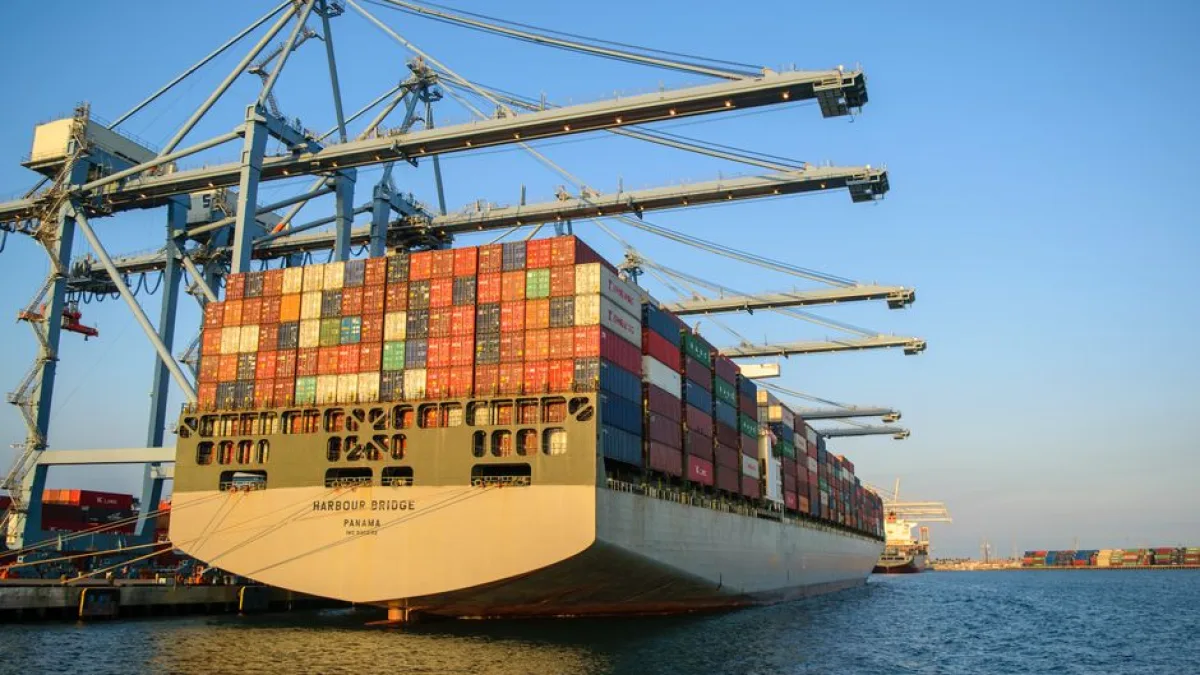
Optimizing space inside shipping containers helps reduce costs and environmental impact. Advanced planning software allows teams to calculate the best weight distribution and volume usage, ensuring that every container is maximized while adhering to strict international maritime safety regulations.
- Precise Space Calculation: Use specialized algorithms to predict how cargo will fit within specific container types, maximizing every cubic meter to lower the cost per individual unit.
- Weight Distribution Analysis: Calculate cargo center of gravity to prevent damage during transit, ensuring that heavy items are positioned correctly for vessel stability during rough ocean conditions.
- Visual Load Diagrams: Generate clear instructions for warehouse staff to ensure they follow your precise plan, reducing the chances of loading errors that result in shipping delays.
- Real-time Capacity Updates: Adjust your planning strategy based on live container availability, allowing your team to pivot quickly when equipment shortages occur at the major departure ports.
Smart load planning is the key to maintaining healthy margins in ocean freight. By maximizing every container, your company reduces the total number of shipments required, leading to substantial savings for both you and your clients. Furthermore, professional load diagrams significantly improve warehouse efficiency and safety. Consistent application of these digital planning methods elevates your service levels and reinforces your reputation for accuracy.
Enhancing Real-Time Cargo Visibility
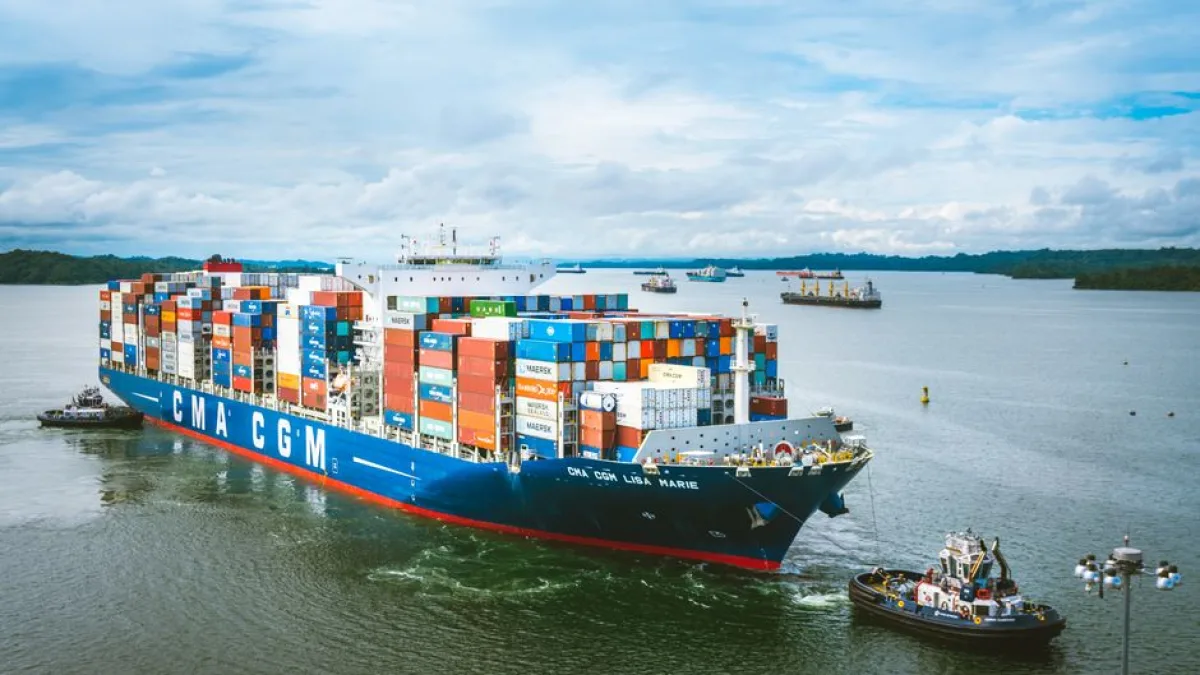
Visibility is the primary demand from shippers who need to know exactly where their goods are at any moment. Integrating IoT tracking technology with software platforms offers a granular view of shipment status, temperature conditions, and potential route delays.
- Live Tracking Integration: Connect your management platform directly with carrier APIs to receive automatic status updates on every vessel, providing your customers with reliable shipment timelines.
- Condition Monitoring Alerts: Receive instant notifications if container temperatures fluctuate beyond pre-set limits, allowing for immediate corrective action to prevent spoilage of sensitive, high-value perishable goods.
- Dynamic Route Mapping: Visualize the entire route of your ocean freight shipments on a single dashboard, enabling you to proactively manage risks like port congestion or weather.
- Automated Customer Notifications: Configure triggers that send proactive email updates to clients regarding their shipment progress, significantly reducing the volume of inbound status inquiry calls daily.
Giving your clients transparency is the ultimate way to build long-term trust and loyalty. When shippers can track their cargo without contacting your support team, your staff is free to manage the complexities of international trade. High visibility reduces the anxiety associated with global shipping and positions your business as a modern, reliable partner. This transparency is now a mandatory feature for forwarders.
Streamlining Carrier Communication

Seamless communication between freight forwarders and ocean carriers is essential for avoiding miscommunications. Utilizing integrated messaging platforms and automated status requests ensures that both parties stay aligned on schedules, vessel delays, and changing container requirements without relying solely on emails.
- Integrated Messaging Channels: Communicate with global partners through a centralized platform that links all conversation history directly to specific shipment files, ensuring nothing is lost in threads.
- Automated Status Requests: Set up recurring triggers that automatically ping carriers for updates on vessel ETAs, keeping your shipment board accurate without constant manual follow-up work efforts.
- Standardized Response Formats: Require carriers to submit updates via structured digital forms, making it easier for your software to parse data and update client portals in real-time.
- Conflict Resolution Dashboards: Flag communication discrepancies immediately, allowing account managers to resolve issues before they escalate into major disruptions that impact your clients supply chain performance metrics.
Effective communication is the lifeblood of a successful freight forwarding operation. By moving away from disjointed email chains and toward structured, integrated systems, you eliminate the risk of missing critical information. Clear and prompt communication keeps the entire supply chain moving smoothly and demonstrates your professionalism. Ultimately, these digital communication practices minimize friction and create a more responsive, efficient logistics operation for every partner.
Conclusion
Mastering ocean freight logistics requires a commitment to digital transformation and continuous process improvement. By integrating documentation, load planning, visibility, and communication tools, your forwarding business can achieve new levels of productivity and client satisfaction. Start optimizing your workflows today to gain a significant advantage in this competitive market. MakeCargo provides the robust infrastructure you need to streamline operations and ensure future success.