Optimizing Ocean Freight Operations in a Digital Era
Wednesday, September 16 2026

The global ocean freight landscape is undergoing a massive transformation driven by rapid technological advancements and fluctuating market demands. As freight forwarders navigate these complexities, the reliance on outdated manual processes is becoming a significant liability. Efficiency now depends on the seamless integration of cloud-based platforms to manage cargo visibility, documentation, and partner communication. By embracing digital tools, professionals can mitigate risks associated with port congestion and carrier volatility. This guide explores the essential pillars of modernizing your shipping workflows to ensure that your business remains competitive and profitable while delivering exceptional service to your global client base.
Streamlining Documentation Workflows

Digitizing your documentation process is the first step toward achieving operational excellence in ocean freight. By moving away from manual entry and email chains, you eliminate common errors that lead to costly delays and detention fees at busy maritime terminals.
- Automated Data Entry: Implement smart systems that automatically extract information from bills of lading to reduce manual typing errors and speed up the overall booking and processing cycle.
- Centralized Document Storage: Maintain a secure cloud repository where every stakeholder can access critical shipping documents in real time to ensure transparency and prevent information silos across teams.
- Standardized Export Forms: Use software templates to generate compliant export documentation that meets international customs requirements to minimize the risk of cargo holds at destination ports.
- Integrated Tracking Updates: Connect your documentation workflow with live tracking data to ensure that all parties have visibility on shipment status changes during the transit process.
By automating these clerical tasks, your team gains precious time to focus on high-value activities rather than chasing paperwork. Modern freight forwarding software acts as a single source of truth, aligning your internal staff and external agents. As a result, you will notice a significant decrease in processing times and a marked improvement in the accuracy of your submitted declarations for international cargo shipments.
Enhancing Real-Time Cargo Visibility
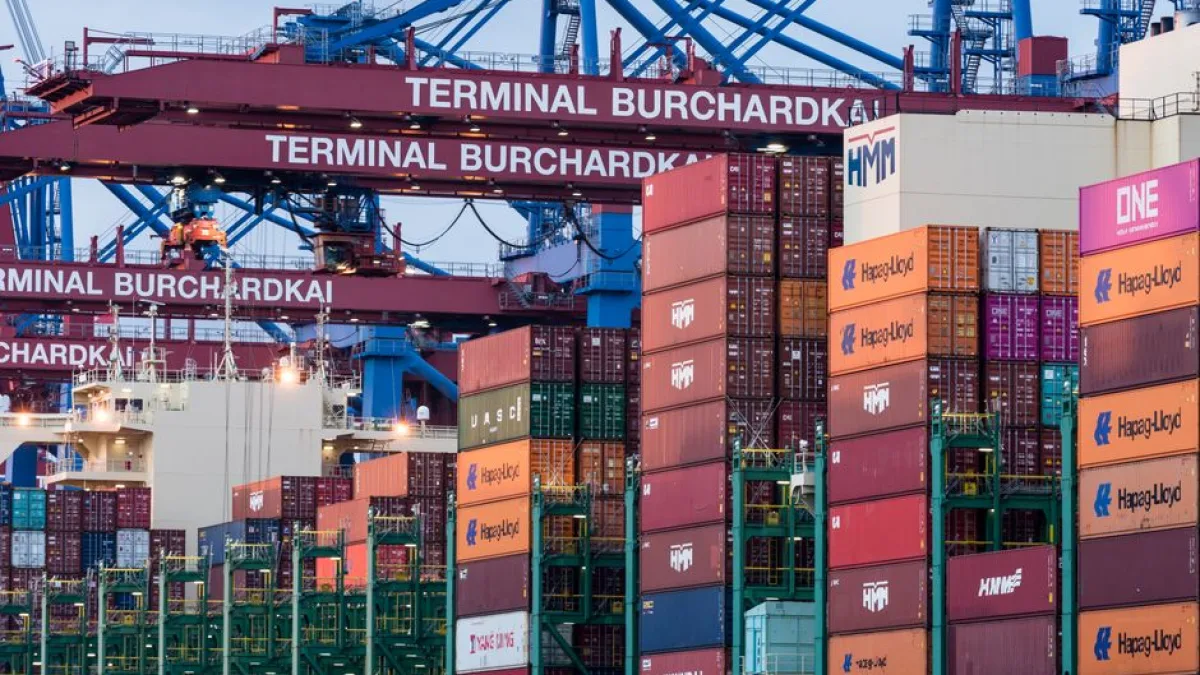
Visibility is the lifeblood of modern logistics. Forwarders must provide clients with accurate, real-time updates regarding their shipment status, from the moment cargo leaves the warehouse floor until it reaches its final destination port across the globe.
- Live Tracking Integration: Leverage API connections with major ocean carriers to push automatic status updates directly into your dashboard, providing clients with precise container location information daily.
- Exception Management Alerts: Set up automated notifications that warn your team immediately if a vessel is delayed or if a container is held at a customs inspection station.
- Mobile Access Portals: Offer your clients a dedicated mobile interface where they can view shipment milestones and delivery status updates without needing to call or email staff.
- Predictive Arrival Estimates: Utilize advanced data analytics to provide customers with more accurate arrival windows that account for port congestion and current weather patterns in transit.
Providing crystal-clear visibility builds trust and strengthens your relationship with long-term partners. When customers can see exactly where their freight is located at any hour, they experience less stress and gain confidence in your logistics capabilities. This level of transparency distinguishes your services from competitors who still rely on fragmented and slow reporting methods in their daily shipping operations.
Managing Carrier Relationships

Successful freight forwarding relies heavily on maintaining strong partnerships with ocean carriers. Effective management of these relationships ensures better space allocation and competitive pricing, which are vital for meeting tight shipping deadlines for your diverse international clientele.
- Performance Analytics Dashboards: Track carrier performance metrics over time to identify which shipping lines offer the most reliable transit times and the fewest operational errors for clients.
- Bulk Booking Efficiency: Utilize specialized software to manage volume commitments with major carriers, allowing you to maximize your leverage and negotiate better rates during contract renewals.
- Digital Rate Management: Keep all carrier rate sheets in a searchable digital database so your team can quickly find the most cost-effective shipping options for quotes.
- Collaborative Communication Tools: Use internal messaging features linked to specific shipments to discuss rate adjustments and space issues with carrier representatives without losing important context or details.
Strategic management of your carrier network allows you to scale your business even during periods of extreme market volatility. By monitoring performance data, you move from reactive planning to proactive decision-making that benefits your bottom line. Investing time in these digital management tools enables your staff to cultivate deeper partnerships, ultimately securing priority space and better pricing during peak shipping seasons.
Scaling Operations with Automation

Automation is the essential key to scaling your operations without increasing headcount. As your shipment volume grows, you need robust digital systems that handle repetitive tasks, allowing your human experts to focus on solving complex logistical challenges for your customers.
- Automated Quotation Generation: Enable your website to provide instant shipping quotes based on predefined logic, saving hours of work for your sales team while improving client conversion.
- Invoicing Workflow Automation: Generate and send freight invoices automatically upon shipment departure to improve your cash flow and reduce the time spent on manual accounting tasks.
- Custom Report Generation: Create automated monthly reports for high-volume clients that highlight key performance indicators and cost savings without manual spreadsheet maintenance and data aggregation.
- System Interoperability Features: Integrate your forwarding platform with accounting and ERP software to ensure that financial data flows seamlessly across all areas of your business ecosystem.
Scaling efficiently requires a solid digital foundation that supports your unique business processes. By automating the routine aspects of your freight forwarding service, you free your staff to build better relationships and handle high-level strategic planning. This approach not only increases your overall operational capacity but also ensures that your business can absorb growth while maintaining high quality service standards throughout.
Conclusion
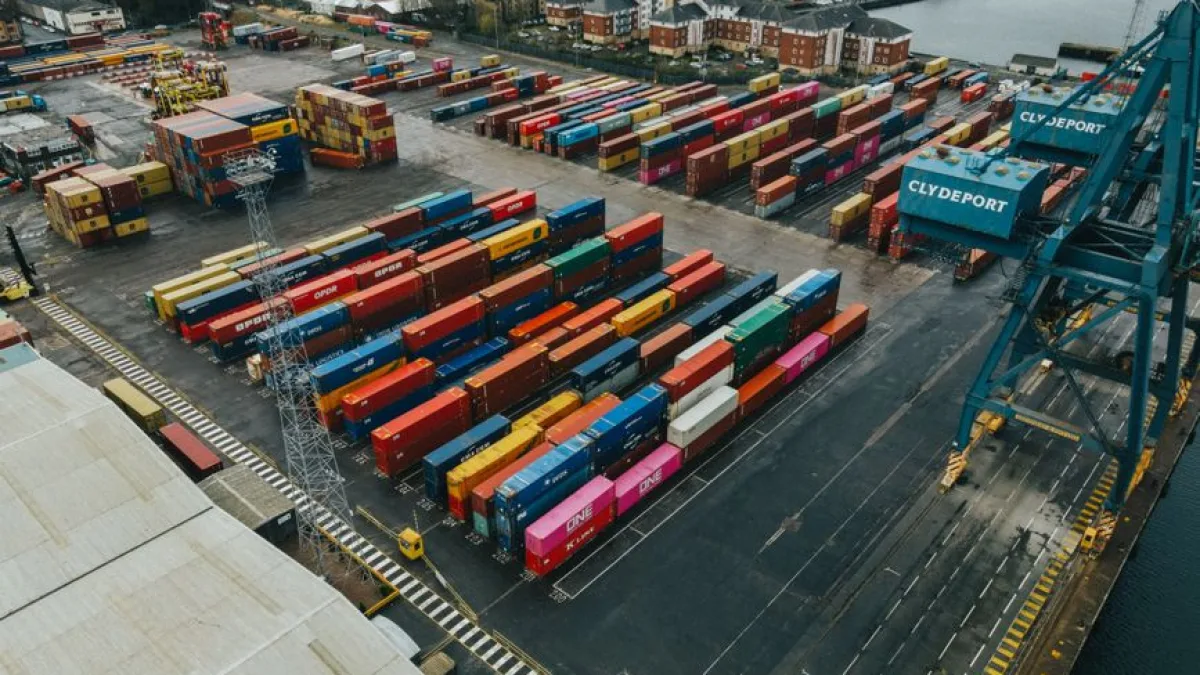
Advancing your logistics operations requires a transition toward integrated, cloud-based software solutions. By focusing on documentation accuracy, cargo visibility, carrier partnerships, and operational automation, you position your firm for sustainable growth in the global marketplace. Modernize your workflow today with MakeCargo to simplify complex shipping processes, boost your team productivity, and deliver superior logistics experiences to every single one of your valued clients.