Optimizing Ocean Freight Operations in a Digital Era
Thursday, September 17 2026
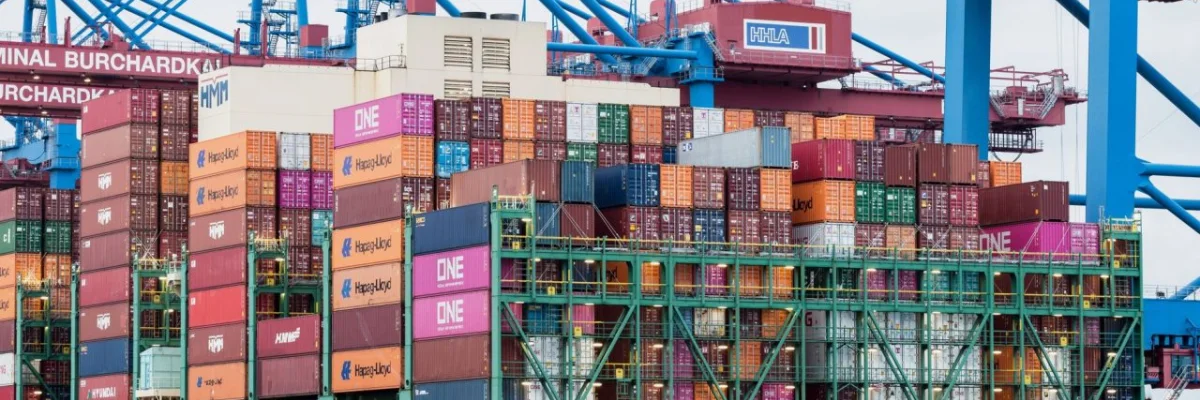
Ocean freight remains the backbone of global commerce, yet freight forwarders face unprecedented pressure to maintain efficiency amidst shifting market dynamics. From port congestion to fluctuating fuel costs, managing international shipments requires precision, agility, and robust technological support. Companies that fail to modernize their workflows often struggle with manual data entry errors and poor visibility, which eventually degrade client trust. By leveraging cloud-based platforms like MakeCargo, forwarders can digitize documentation and streamline communication with global partners. This comprehensive guide explores actionable strategies for mastering ocean logistics, ensuring that your team stays competitive while consistently delivering high-quality service to your diverse customer base.
Mastering Port Terminal Efficiency
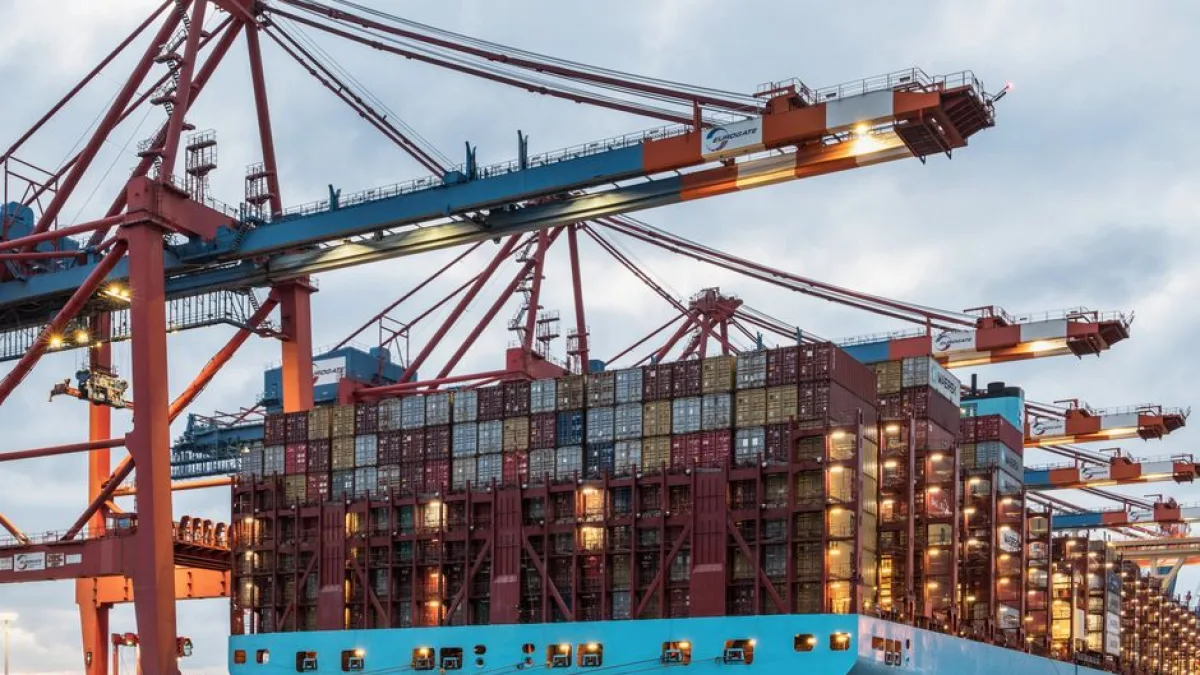
Port operations represent the most critical link in the ocean freight journey. By coordinating effectively with terminal operators, forwarders can mitigate the risk of drayage delays. Utilizing real-time data ensures that cargo moves seamlessly from the vessel to the final inland destination.
- Strategic Slot Booking: Implementing advanced slot management systems allows forwarders to schedule pickups precisely, significantly reducing the waiting time for drivers at busy terminal gates and improving overall throughput.
- Real Time Tracking: Integrating GPS and EDI feeds provides instant updates on container status, allowing teams to proactively manage expectations before clients even inquire about their shipment status.
- Automated Gate Pass: Using automated digital documentation for gate operations eliminates paperwork friction, speeding up the vehicle turn time and enhancing the reliability of your landside transport connections.
- Terminal Data Analysis: Monitoring terminal performance metrics helps freight forwarders choose the most efficient routes and ports, avoiding known bottlenecks that plague standard, less optimized shipping corridors throughout the year.
Focusing on terminal efficiency is not just about speed but about reliability. When forwarders master the interface between sea and land, they reduce hidden costs associated with demurrage and detention fees. This proactive management style builds long-term partnerships with carriers and shippers. Ultimately, companies that prioritize terminal data gain a significant competitive advantage by offering superior transparency and consistent delivery schedules to their global clientele.
Digital Documentation and Compliance

The sheer volume of paperwork involved in ocean freight can overwhelm any team. Moving toward a fully digital environment reduces errors and speeds up customs clearance. Automated document management systems ensure that every compliance requirement is met without manual intervention.
- Cloud Based Storage: Maintaining a centralized repository for bills of lading and customs documents ensures that team members can access critical information instantly from any location globally.
- Automated Data Capture: Using OCR technology to extract information from shipping documents minimizes human errors, ensuring that manifests are accurate before they reach customs authorities for processing.
- Compliance Tracking Tools: Integrated software platforms highlight missing documentation automatically, allowing staff to resolve potential regulatory roadblocks before the cargo reaches the port of discharge or entry points.
- Secure Digital Signatures: Implementing validated digital signature workflows accelerates the signing process for international contracts, effectively eliminating the need for physical courier services and reducing overall administrative costs.
Digital transformation is no longer optional for modern freight forwarders handling high-volume ocean shipments. By removing manual tasks, your staff can focus on high-value client interactions rather than processing paper. A well-implemented digital strategy creates a scalable foundation for your business. When data flows without interruption, compliance becomes a background process rather than a bottleneck, allowing you to scale operations with confidence.
Managing Carrier Relationships Effectively

Strong relationships with ocean carriers are essential for securing space and competitive rates. Forwarders who prioritize communication with shipping lines often find better solutions during peak seasons. Transparent collaboration fosters mutual success in the volatile shipping market today.
- Volume Commitment Planning: Negotiating long term space agreements based on accurate historical data allows you to guarantee capacity for your clients during periods of high market demand.
- Carrier Scorecarding Programs: Developing internal metrics to evaluate carrier performance helps you identify the most reliable partners, ensuring that your clients receive the best possible service quality.
- Collaborative Rate Management: Utilizing cloud platforms to manage spot rates and contract updates keeps your team informed of the latest pricing, leading to faster and more accurate quoting.
- Dispute Resolution Workflows: Standardized processes for handling invoice discrepancies or service failures protect your margins and maintain a positive, ongoing working relationship with your primary shipping line partners.
Building deep partnerships with carriers requires a balance of data and personal communication. When you understand the capacity challenges faced by shipping lines, you can plan your logistics operations more effectively. This strategic alignment ensures your cargo is prioritized during limited availability. By treating carriers as valued allies, you secure the necessary leverage to offer your own customers stable and reliable ocean transport solutions.
Advanced Analytics for Decision Making

Data is the most valuable asset for a modern freight forwarder. Transforming raw shipping information into actionable insights allows leaders to make smarter decisions about market expansions and resource allocation. Analytics drive long-term business growth and operational stability.
- Predictive Cost Modeling: Analyzing historical freight rates enables your team to forecast future budget needs, helping your clients navigate market volatility with clear and actionable financial planning.
- Route Optimization Analysis: Evaluating the performance of various shipping lanes allows you to identify cost saving opportunities, ensuring that your operations remain profitable despite global fuel fluctuations.
- Client Profitability Reports: Segmenting your business by client and trade lane identifies your most valuable accounts, helping you tailor your resources toward high-growth and sustainable business partnerships.
- Capacity Forecasting Tools: Predicting future equipment availability using historical trends prevents unexpected cargo rolling, keeping your supply chain operations running smoothly during peak seasons and holiday disruptions.
Harnessing the power of advanced analytics transforms how your brokerage operates daily. Instead of reacting to disruptions, you can now anticipate them using clear data trends. This shift from manual processes to intelligence-led logistics is what separates industry leaders from competitors. As you continue to refine these analytical capabilities, you will find new ways to maximize operational profit and improve service standards.
Conclusion

Optimizing ocean freight requires a blend of advanced technology and strong operational discipline. By embracing digital workflows, fostering carrier relationships, and utilizing data-driven insights, you can navigate the complexities of international trade with ease. MakeCargo provides the tools necessary to achieve this level of operational excellence. Start your journey toward a more efficient, profitable, and scalable freight forwarding business by auditing your current processes today.