Optimizing Ocean Freight Operations in a Digital Era
Thursday, September 17 2026

The global ocean freight industry is undergoing a significant transformation driven by the demand for transparency, speed, and real-time data visibility. Freight forwarders are increasingly moving away from manual processes to cloud-based solutions that offer end-to-end management capabilities. By leveraging modern technology, businesses can mitigate risks associated with port congestion, equipment shortages, and shifting regulatory requirements. As the market landscape evolves, adopting sophisticated digital tools becomes essential for maintaining a competitive edge. This article explores how industry professionals can refine their ocean freight strategies through strategic automation, data-driven decision-making, and seamless collaboration across complex supply chain networks to improve overall performance.
Modernizing Documentation Management
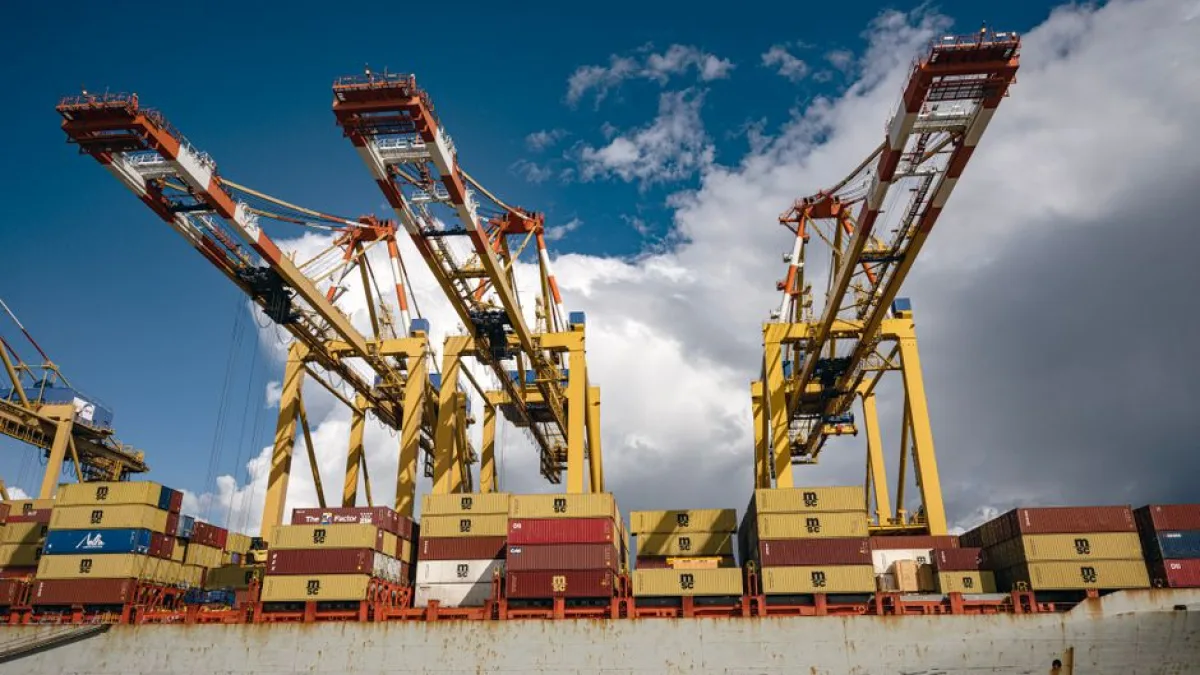
Digital documentation reduces the reliance on paper-based workflows that frequently cause delays at terminal gates. By digitizing bills of lading and customs declarations, logistics providers create a central repository that enhances document accuracy and ensures compliance across international borders.
- Automated Data Entry: Implement intelligent software tools that extract information from shipping documents automatically to eliminate human error and significantly accelerate processing times for every single ocean export shipment.
- Centralized Document Storage: Maintain a secure cloud environment where all stakeholders access updated shipping paperwork instantly to prevent miscommunication and ensure all parties remain aligned on current logistics requirements.
- Compliance Monitoring Systems: Utilize digital verification modules that automatically check international trade regulations and customs mandates to ensure every document meets legal standards before the cargo arrives at port.
- Real-time Update Notifications: Configure automated alerts that notify operations teams when new shipping documents are uploaded to the platform to ensure immediate processing and avoid expensive port storage fees.
- Digital Signature Integration: Adopt electronic signature workflows to expedite the approval process for shipping documentation while maintaining a robust audit trail for future reference and regulatory compliance reviews.
Efficient document management transforms back-office operations by removing repetitive tasks from the daily schedule. When teams spend less time chasing paper files, they focus on higher-value activities like relationship building and service expansion. This shift toward paperless workflows not only reduces operational overhead but also creates a more scalable model for growth as your freight forwarding business takes on larger shipping volumes.
Enhancing Real-time Shipment Tracking
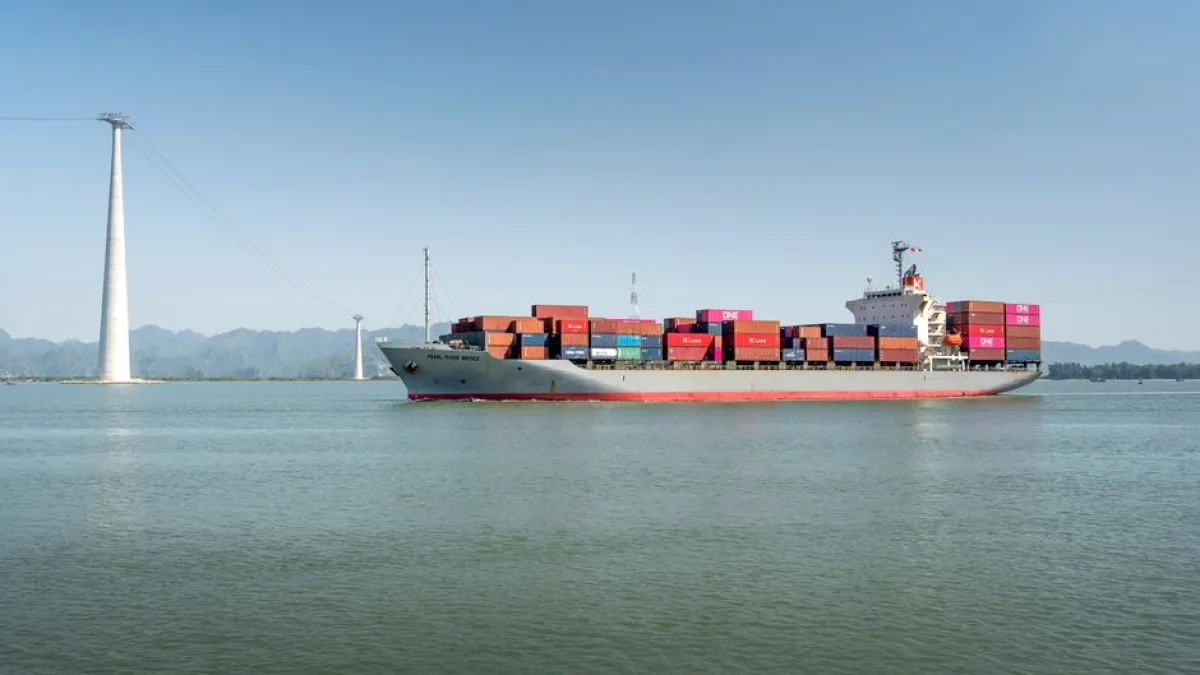
Visibility remains a top priority for cargo owners who require precise information regarding their container movements across the sea. Advanced tracking platforms provide granular updates that allow forwarders to communicate proactively with clients whenever unexpected service disruptions occur during transit.
- Live Vessel Tracking: Integrate live satellite data feeds into your logistics platform to provide clients with accurate, minute-by-minute updates on the physical location of their ocean freight cargo.
- Exception Management Alerts: Deploy sophisticated monitoring algorithms that detect deviations from planned routes or schedules to provide instant notifications before small issues become major logistics bottlenecks.
- Carrier Data Integration: Connect directly with major ocean shipping lines to pull precise milestone updates and scheduling changes into your internal management system without manual data entry.
- Custom Client Dashboards: Provide dedicated portal access to shippers so they view their current status, transit history, and estimated arrival times without calling or emailing support teams.
- Predictive Arrival Forecasting: Utilize historical transit data and weather patterns to provide highly accurate arrival estimates that help importers plan their warehouse labor and inland logistics requirements.
Providing exceptional visibility establishes trust and strengthens long-term partnerships with customers who value transparency above all else. When you provide accurate tracking data, you minimize the volume of routine status inquiries from clients. This creates a proactive service environment where communication focuses on problem-solving rather than basic information gathering, ultimately positioning your brand as a reliable leader in the global shipping sector.
Streamlining Carrier Rate Management

Managing complex rate structures from multiple ocean carriers requires a robust digital strategy to ensure quotes remain competitive and accurate. Centralizing procurement data allows teams to compare costs quickly, helping to secure the best routes and pricing for their clients.
- Dynamic Rate Aggregation: Utilize a centralized digital platform to pull and compare multiple carrier quotes simultaneously to ensure your team always offers the most cost-effective shipping options.
- Margin Analysis Tools: Apply automated calculators that factor in all surcharges, taxes, and service fees to ensure every quote generated preserves your target profit margins consistently.
- Historical Rate Benchmarking: Analyze past shipping costs and market trends to identify opportunities for better negotiations with carriers during future contract renewals and service agreement discussions.
- Instant Quote Generation: Empower your sales team with tools that build professional freight quotations in minutes to increase conversion rates and respond to customer needs faster.
- Surcharge Visibility Updates: Receive automatic updates regarding fuel adjustments, peak season charges, or security levies to ensure all quoted prices remain valid and profitable during execution.
Controlling rate management through digital platforms allows companies to adapt to market volatility with confidence. When your team accesses up-to-date pricing data, they avoid the pitfalls of outdated quotes that erode margins. This streamlined approach to procurement not only improves operational efficiency but also provides a clear competitive advantage in a high-pressure industry where pricing accuracy dictates the success of your ocean freight contracts.
Scaling Operations Through Integration

Connecting your freight management system with other industry platforms creates a unified ecosystem for growth. Seamless data exchange between accounting software, carrier portals, and warehouse systems removes data silos and drives consistency across the entire supply chain network for all parties.
- API-driven System Connections: Integrate your logistics software with accounting and CRM platforms to ensure seamless data flow that eliminates double entry and improves overall organizational information accuracy.
- Collaborative Partner Portals: Enable agents and overseas partners to access specific project data through secure portals to foster better teamwork and faster resolution of cross-border issues.
- Standardized Data Formats: Use uniform data structures across all integrated systems to prevent conflicts and ensure that information remains consistent from the initial quote to delivery.
- Scalable Cloud Infrastructure: Leverage flexible cloud-based tools that grow alongside your business, allowing you to add new users and features without requiring complex hardware or local installations.
- Automated Reporting Engines: Generate detailed performance reports with a few clicks to gain insights into operational bottlenecks and identify new opportunities for scaling your shipping service.
Integrating your business systems is the ultimate step in achieving a modern, efficient logistics operation. By breaking down barriers between departments and external partners, you create a cohesive environment that thrives on speed and precision. This level of connectivity allows your organization to handle increased shipping volumes with ease, ensuring that your growth is sustainable, profitable, and ready for any future market demands.
Conclusion

Transforming your ocean freight operations requires a commitment to digital innovation and a focus on continuous improvement. By adopting modern management software, you can solve complex logistical challenges while providing superior service to your global client base. Start your journey toward full digital integration today to ensure your freight forwarding business remains resilient, scalable, and highly profitable in a rapidly changing international shipping landscape.