Optimizing Ocean Freight Operations in a Digital Era
Friday, September 18 2026
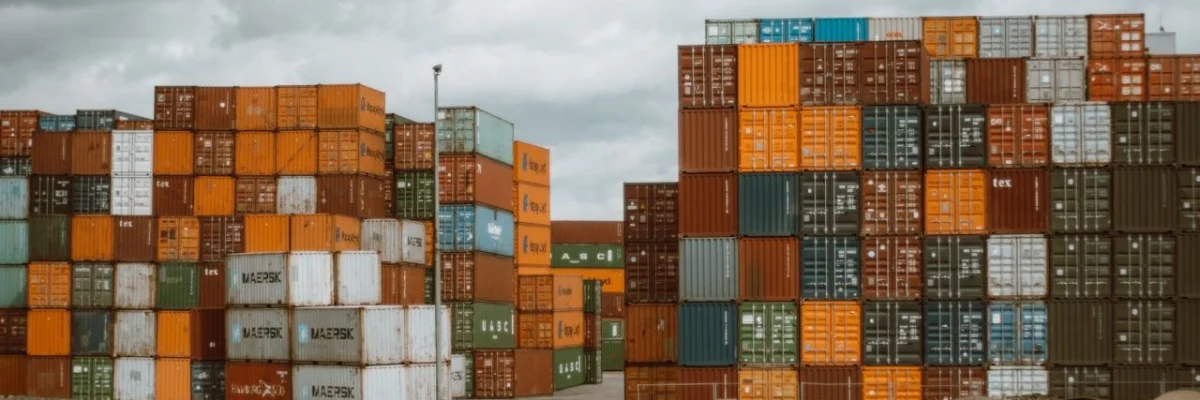
The global shipping industry is undergoing a profound transformation as volatility and rising operational costs force freight forwarders to rethink traditional workflows. Navigating the complexities of international trade requires more than just standard logistics expertise; it demands agility and the strategic adoption of cloud technology. As cargo volumes fluctuate and supply chain transparency becomes a non-negotiable requirement for shippers, forwarders must leverage integrated digital platforms to maintain a competitive edge. This article explores essential strategies for enhancing ocean freight efficiency, reducing administrative bottlenecks, and ensuring seamless communication across your global network to drive long-term business growth and operational excellence.
Modern Container Port Management
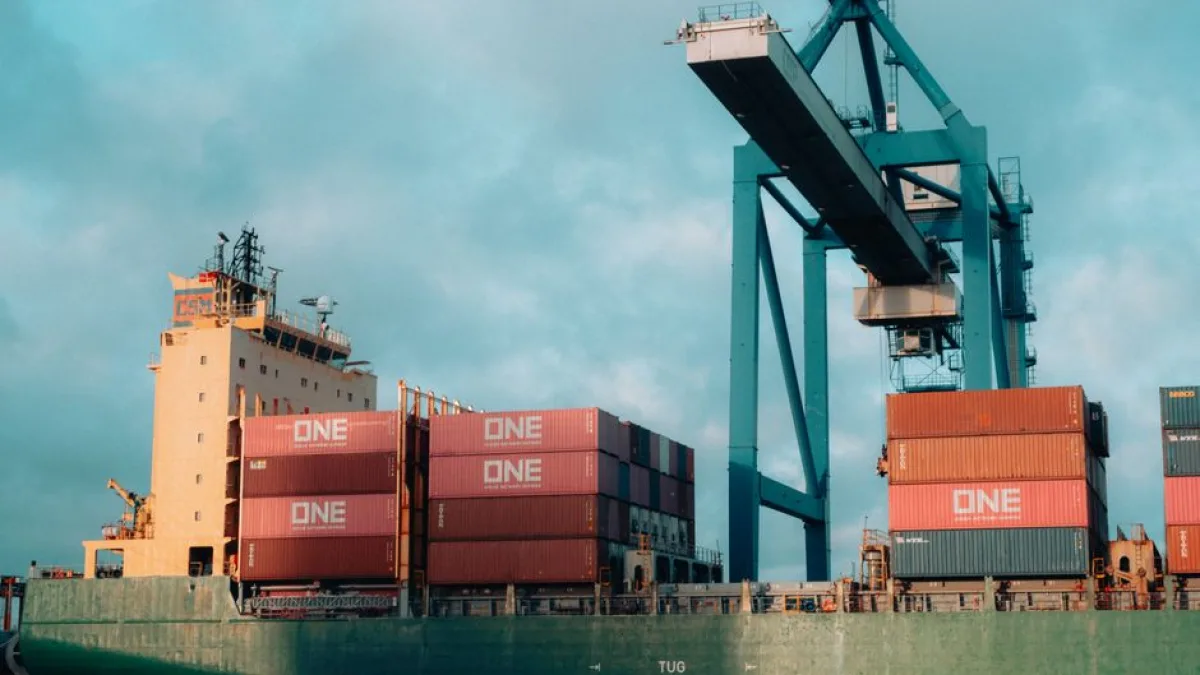
Efficient port operations serve as the backbone of global trade, requiring precise coordination and real-time tracking capabilities to ensure that containers move swiftly through terminals without unnecessary delays, ultimately reducing the risk of costly storage fees and detention charges for your clients.
- Automated Tracking Systems: Implementing automated visibility tools allows your team to monitor vessel progress in real-time, providing shippers with accurate updates while minimizing manual status inquiries from impatient cargo owners.
- Streamlined Documentation Flow: Digital document management eliminates paper-based delays at port terminals by ensuring that all necessary customs forms and bills of lading are processed through cloud platforms instantly.
- Optimized Slot Booking: Using specialized software to manage carrier slot bookings prevents congestion at terminal gates, ensuring that your trucking partners can pick up cargo without enduring long wait times.
- Predictive Capacity Planning: Analyzing historical port performance data helps forwarders predict potential congestion zones before they occur, allowing for proactive routing adjustments that keep shipments moving efficiently through the supply chain.
Mastering port operations is no longer just about moving physical goods but about managing the massive data streams associated with each container movement. When your team can identify bottlenecks before they impact your bottom line, you gain a significant advantage in service quality. By integrating digital tracking into your daily workflow, you transform port logistics from a source of friction into a reliable engine for growth.
Leveraging Digital Logistics Platforms
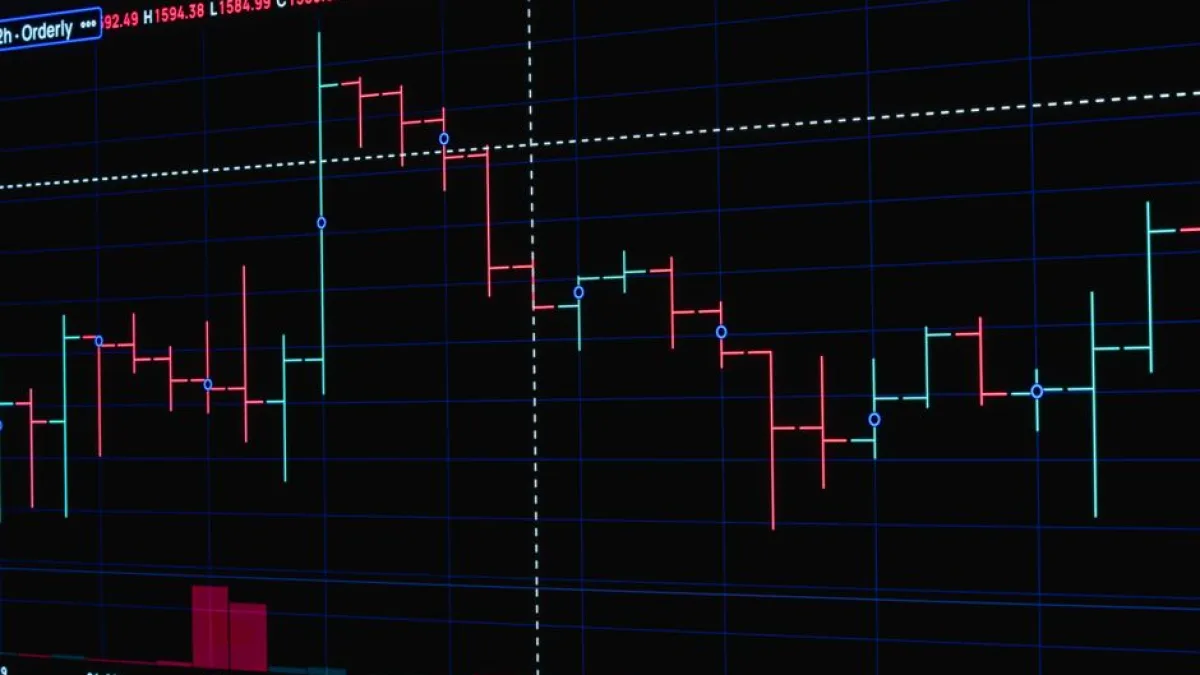
Digital platforms act as a central nervous system for your freight forwarding business, connecting disparate data points into one cohesive interface that simplifies complex operations and empowers your staff to focus on high-value client interactions instead of repetitive manual tasks.
- Cloud Integration Benefits: Cloud-based software ensures that all team members access the same live data, preventing communication silos and reducing errors that frequently arise from maintaining duplicate file versions.
- Client Portal Access: Providing customers with a personalized portal increases transparency by allowing them to check status updates and download essential shipping documents at any time of day.
- Automated Rate Management: Centralized rate databases allow your team to quote customers instantly, ensuring that pricing remains competitive and consistent across all ocean freight lanes and carrier agreements.
- Integrated Accounting Tools: Linking logistics operations with financial modules ensures that invoices are generated as soon as proof of delivery is received, drastically improving your company cash flow.
Adopting a comprehensive software ecosystem is the most effective way to scale your freight forwarding operations in a crowded market. By consolidating tasks into a single platform, you reduce the time wasted on fragmented legacy systems and enable your workforce to manage higher volumes with greater accuracy. This technological foundation is essential for maintaining profitability as the shipping landscape becomes more digitally demanding and competitive.
Mastering Carrier Relationship Strategies
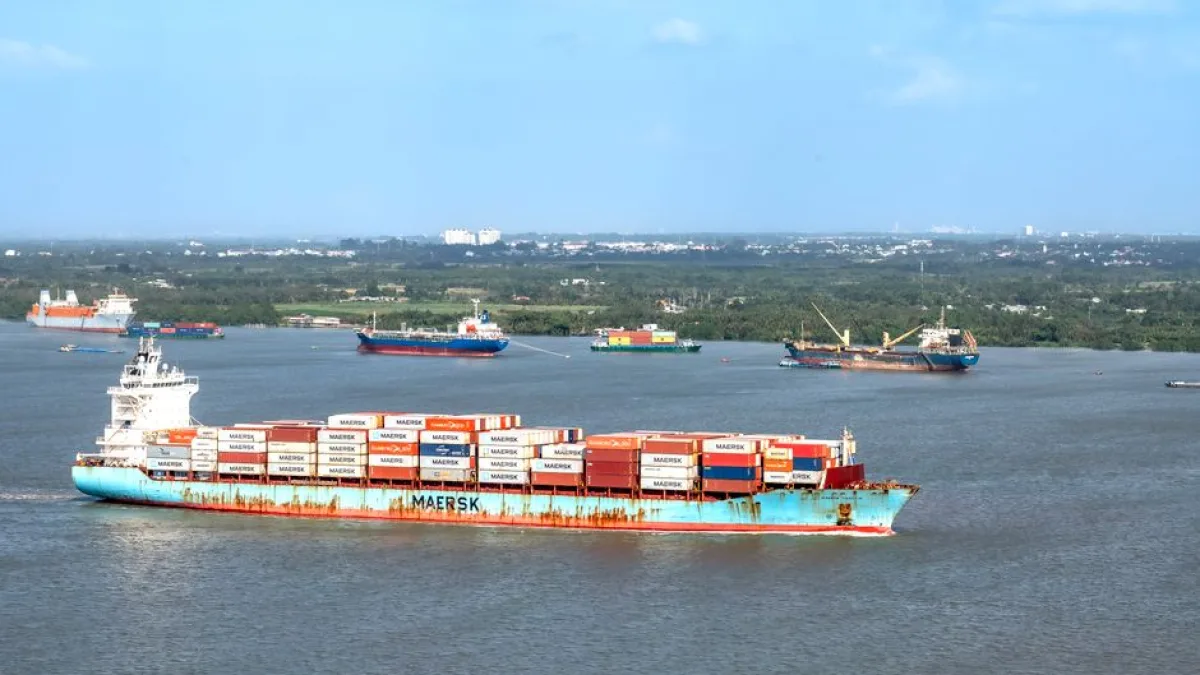
Strong partnerships with ocean carriers remain vital for securing space during peak seasons, yet maintaining these relationships requires consistent communication and a commitment to data accuracy that helps carriers manage their own capacity planning effectively for mutual operational success.
- Transparent Volume Forecasting: Providing carriers with accurate volume projections helps them allocate space for your shipments, significantly increasing your chances of getting containers on board during busy peak periods.
- Standardized Data Exchange: Utilizing standardized electronic data interchange protocols ensures that your communications with carriers are fast, reliable, and free from the misinterpretations that often plague email correspondence.
- Performance Metric Monitoring: Regularly reviewing carrier reliability metrics helps you identify which shipping lines offer the best service for specific trade lanes, allowing for smarter future bookings.
- Proactive Dispute Resolution: Addressing billing discrepancies with carriers early prevents long-term friction, ensuring that your financial relationship remains stable and your service levels stay consistently high for clients.
Building deep partnerships with carriers is about reliability and consistency. When you provide carriers with clean data and predictable volume, you become a preferred partner that gets priority during supply shortages. These strong connections provide a safety net for your clients, ensuring that even during periods of extreme market volatility, your shipments maintain the priority status needed to reach their destination on time.
Ensuring Supply Chain Transparency

Transparency has become the top priority for modern shippers who require total visibility from the origin warehouse to the final destination to manage their own inventories and keep their customers informed throughout the entire ocean freight delivery cycle.
- End-to-End Visibility: Real-time tracking solutions offer your clients a clear view of their inventory location, which builds deep trust and differentiates your firm from less sophisticated competitors.
- Exception Management Alerts: Setting up automated notifications for delayed vessels allows your team to proactively suggest alternative routing options before the client even realizes there is a potential issue.
- Regulatory Compliance Tracking: Automated systems ensure that all shipping documentation meets international standards, preventing customs holds that frequently stem from minor errors in declaration forms or certificates.
- Carbon Footprint Reporting: Offering detailed emission reports based on shipping data helps your environmentally conscious clients reach their sustainability goals while adding extra value to your freight services.
Providing radical transparency is the fastest way to increase customer loyalty in the freight forwarding industry. When clients can see the progress of their cargo and receive instant alerts about potential disruptions, they feel empowered and informed. By using technology to maintain high levels of clarity, you demonstrate that your firm is a proactive partner capable of navigating any supply chain challenge with confidence.
Conclusion

The future of ocean freight belongs to those who embrace digital integration and prioritize operational visibility across their entire network. By automating manual workflows, strengthening carrier relationships, and providing your customers with deep transparency, you position your firm as a leader in a rapidly evolving logistics market. Start streamlining your operations with cloud technology today to build a more resilient and profitable future for your business.