Optimizing Ocean Freight Operations in a Digital Era
Saturday, September 19 2026

Navigating the complex landscape of global ocean freight requires more than just traditional shipping expertise in today is hyper-connected market. As supply chain demands evolve, freight forwarders must transition from legacy manual processes to integrated digital solutions to maintain a competitive edge. This shift is not merely about adopting new technology, but about redefining how companies handle data, communicate with carriers, and provide transparency to their clients. By leveraging cloud-based platforms, forwarders can enhance operational visibility, reduce human error, and build more resilient logistics networks that withstand the unpredictable nature of international trade and maritime disruptions.
Streamlining Carrier Communications
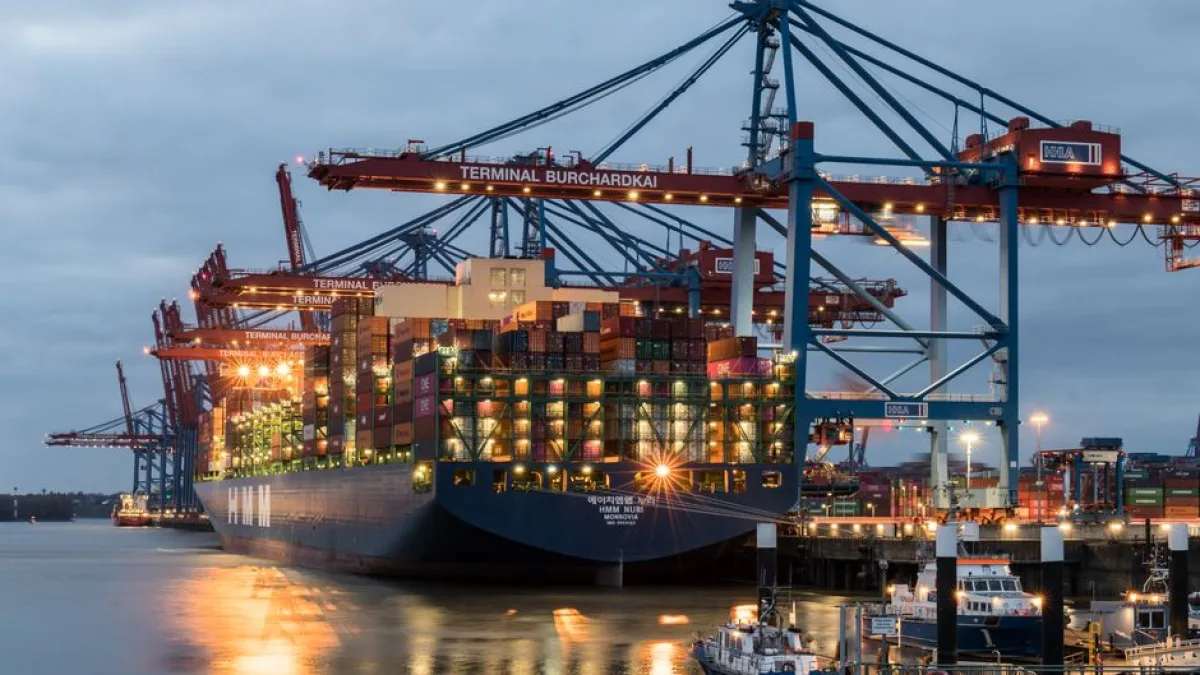
Modern digital platforms allow forwarders to manage multiple carrier connections from a single dashboard interface, effectively removing the reliance on fragmented emails and manual entry. This centralization creates a seamless flow of data that is vital for maintaining high operational efficiency.
- Automated Booking Requests: Generate and send booking requests directly from your system to carrier portals, reducing the time spent on manual data entry and preventing costly administrative errors during peak seasons.
- Real Time Updates: Receive automated notifications about schedule changes or equipment availability, allowing your team to proactively communicate with customers and adjust logistics plans before major issues occur.
- Centralized Document Management: Store all bills of lading, commercial invoices, and packing lists in a secure cloud environment where your entire team can access the latest versions instantly.
- Integrated Rate Management: Import carrier tariffs into your software to quickly compare pricing options and select the most cost-effective route for every specific shipment based on current market rates.
- Digital Milestone Tracking: Update shipment statuses automatically using API integrations with shipping lines, providing your clients with accurate visibility into where their cargo is at all times.
By digitizing the way your team handles carrier communications, you eliminate the bottlenecks that typically delay international shipments. This transition reduces administrative labor by automating repetitive tasks, allowing your staff to focus on solving complex logistical challenges. As information flows faster, you gain the ability to make smarter decisions, ultimately improving your overall service quality and strengthening long-term professional relationships with your shipping line partners.
Enhancing Customer Transparency

Providing clients with deep visibility into their ocean freight movements is no longer a luxury but a fundamental expectation in modern logistics. Clients demand immediate access to shipment statuses and documentation to manage their own internal supply chain timelines effectively.
- Client Portals Access: Grant your customers secure login access to your platform, enabling them to download invoices and monitor their active shipments without contacting your support team repeatedly.
- Automated Status Alerts: Set up automated email or text triggers that inform your clients when their cargo hits specific milestones like gate-in, vessel departure, or final arrival dates.
- Document Sharing Portals: Eliminate the need for insecure email attachments by hosting all shipping documentation in a customer-facing portal that ensures data privacy and easy file retrieval.
- Proactive Exception Reporting: Flag potential delays immediately within the customer interface, demonstrating transparency and control that builds significant trust with your partners during complex international shipping projects.
- Interactive Reporting Tools: Offer your clients custom reporting features that visualize their shipping history, helping them analyze performance metrics and plan for future inventory requirements with precision.
Improving transparency directly impacts client retention rates by creating a self-service culture that values time and accuracy. When customers feel empowered by the information available at their fingertips, they rely less on your support staff for routine status updates. This autonomy leads to higher satisfaction levels and positions your company as a modern, reliable partner capable of navigating today is complex global shipping environment.
Managing Fluctuating Freight Rates

Market volatility remains a constant challenge, forcing forwarders to be agile in their pricing strategies. Utilizing sophisticated software allows firms to track rate shifts and manage quotes with precision, ensuring that profit margins are protected during unexpected price swings.
- Dynamic Quote Generation: Create professional, branded freight quotes in minutes by pulling the latest carrier rates and adding your service fees with a few simple clicks of a button.
- Margin Analysis Tools: Use built-in analytics to evaluate the profitability of each shipment, allowing your team to identify which routes or carrier partners provide the best value.
- Surcharge Tracking Modules: Keep track of volatile bunker adjustment factors and currency adjustments in real time, ensuring that these costs are accurately passed through to the final customer.
- Historical Rate Databases: Maintain a comprehensive archive of past shipments to identify seasonal pricing trends and negotiate better service contracts with carriers for the upcoming calendar year.
- Instant Profit Calculation: Visualize total landed costs including local port charges and ocean freight, giving your customers complete clarity on the total investment required for their shipment.
Mastering rate management requires a shift away from spreadsheets toward dynamic, data-driven systems that reflect the reality of the global market. When your pricing strategy is supported by historical data and real time carrier intelligence, your team can quote with confidence. This stability prevents revenue leakage and ensures that your business remains profitable even when facing sudden, aggressive fluctuations in international shipping prices.
Integrating Compliance Processes

Navigating international customs regulations is a major part of the ocean freight process. Integrating compliance checks into your workflow helps avoid costly penalties and shipment seizures by ensuring every document meets the latest destination and origin requirements without any delay.
- Regulatory Data Validation: Automatically check your shipping data against current customs requirements for both origin and destination countries, identifying potential issues before your goods even leave the warehouse.
- Digital Filing Systems: Connect your freight platform with local customs authority systems to streamline the electronic filing of entries and receive rapid feedback on your submission status.
- Automated Audit Trails: Keep a complete log of all interactions and documentation changes, ensuring your company remains ready for regulatory inspections and internal compliance audits at all times.
- Sanctioned Party Screening: Run automated screenings against international watchlists to ensure you are not doing business with restricted entities, effectively protecting your brand from potential legal risks.
- Document Template Libraries: Use standardized templates for all shipping paperwork to ensure consistency and prevent errors caused by inconsistent data formatting across your various global operations.
Adopting a proactive approach to compliance protects your reputation and prevents the operational nightmares associated with cargo detention. By embedding these checks into your standard workflow, you turn a tedious administrative burden into a competitive advantage. Your clients will appreciate the reliability and professionalism that comes with error-free documentation, ensuring that their goods move through customs checkpoints smoothly and without any unnecessary, expensive delays.
Conclusion

Modernizing your ocean freight operations is the most effective way to secure long-term growth and operational stability. By moving to a cloud-based platform, you integrate carrier management, customer visibility, and compliance into a single, cohesive workflow. Start digitizing your business processes today to reduce costs, eliminate errors, and provide superior service. Contact our team to see how our software can transform your freight operations.