Optimizing Ocean Freight Operations in a Digital Era
Saturday, September 19 2026
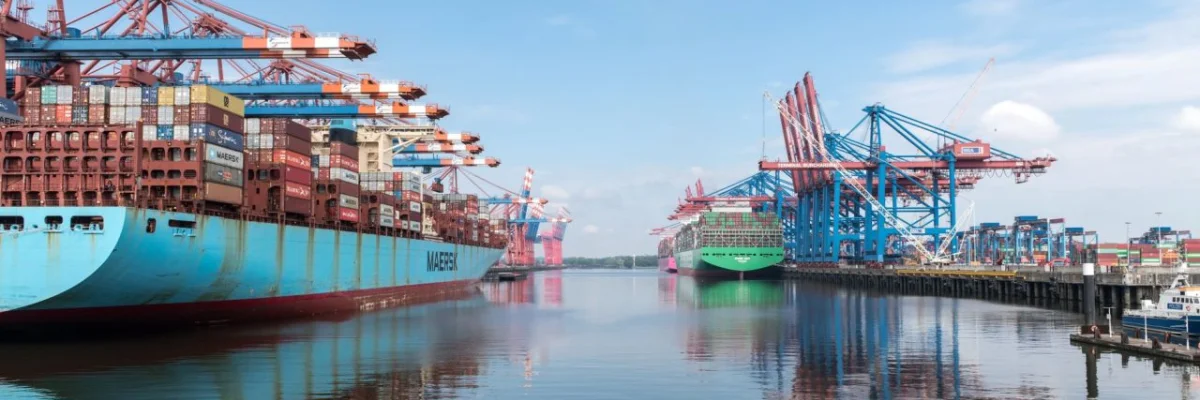
Navigating the complexities of modern ocean freight requires a blend of strategic foresight and robust technological infrastructure. As global supply chains face increasing pressure from geopolitical instability and fluctuating consumer demand, freight forwarders must transition from traditional manual workflows to automated digital platforms. By leveraging real-time data, companies can enhance visibility, minimize costly delays, and significantly improve service delivery for their global clients. This shift is not merely an optional upgrade but a fundamental requirement for staying competitive in a rapidly evolving logistics landscape. Understanding how to integrate these digital tools effectively is the first step toward achieving operational excellence in shipping.
Mastering Container Logistics
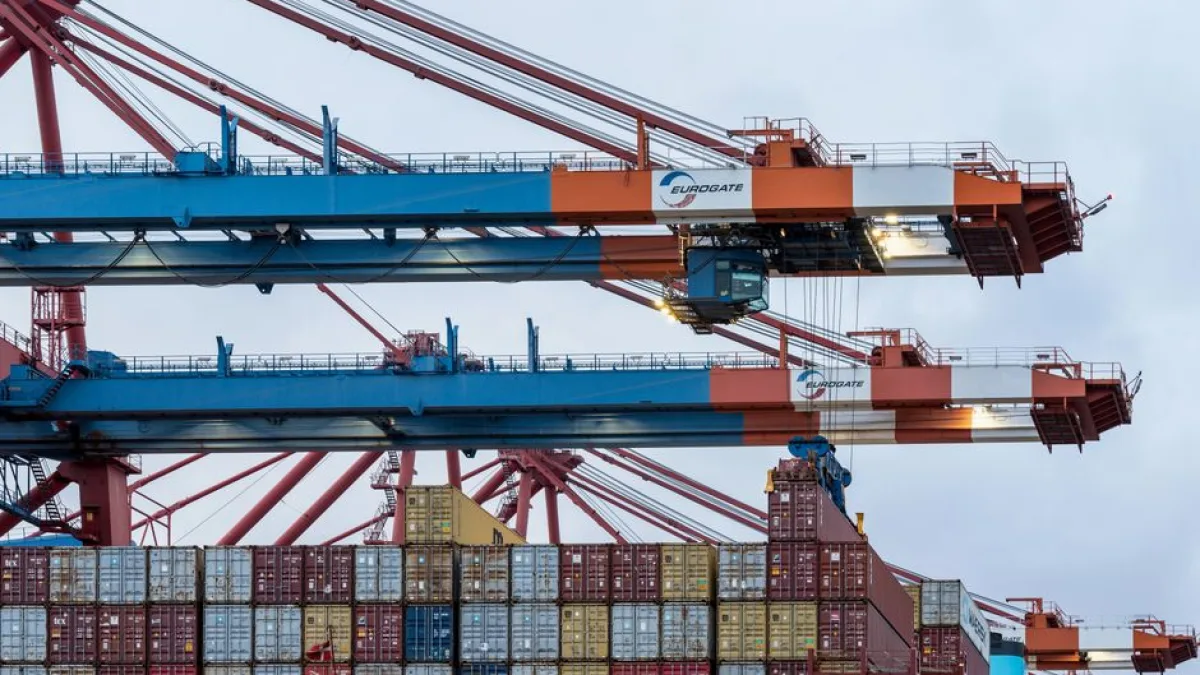
Port terminals serve as the heartbeat of global trade where precision is required to manage massive volumes of containerized cargo. Efficient coordination ensures that goods move smoothly through these transit hubs without facing unnecessary bottlenecks that disrupt downstream logistics activities.
- Automated Booking Systems: Streamlining the reservation process reduces human error and ensures that space allocations are secured instantly across multiple shipping lines to meet critical customer departure deadlines.
- Real-time Tracking Updates: Providing stakeholders with accurate location data throughout the transit phase builds immense trust and allows for better planning regarding final warehouse delivery and distribution.
- Digital Documentation Flow: Replacing paper trails with centralized electronic filing reduces processing times for bills of lading and customs clearance, accelerating the speed of international trade execution.
- Dynamic Route Planning: Utilizing software to analyze sea conditions and port congestion helps operators adjust routes proactively, avoiding potential delays before they impact the final delivery timeline.
Transforming how you manage container logistics starts with removing manual data entry from your daily routines. When your team stops spending hours on repetitive tasks, they can focus on high-value client relations and complex problem-solving. This strategic redirection of human capital is essential for scaling your business while maintaining a high standard of service accuracy in an increasingly volatile global ocean shipping environment.
Leveraging Advanced Data Analytics

Data is the most valuable commodity in modern logistics, offering deep insights into performance trends and operational efficiency. By interpreting complex datasets, forwarders can identify hidden patterns that dictate shipping costs, port dwell times, and overall route performance success metrics.
- Predictive Capacity Forecasting: Analyzing historical trends enables forwarders to anticipate seasonal capacity constraints, allowing for proactive inventory planning and space protection during periods of exceptionally high demand.
- Cost Analysis Dashboards: Centralizing financial data provides visibility into actual margins, helping management identify which trade lanes are most profitable and which require operational cost adjustments.
- Vendor Performance Metrics: Tracking the reliability of ocean carriers through detailed reports allows for informed decision-making when negotiating future contracts or selecting partners for critical shipments.
- Supply Chain Visibility: Integrating data streams from across the network offers a clear view of shipment progress, enabling faster responses to unexpected disruptions occurring at sea.
Developing a culture of data-driven decision-making allows logistics companies to thrive despite market uncertainty. When every operational move is backed by concrete figures, risk is mitigated and profitability remains the primary focus. Start by auditing your current reporting capabilities and identifying gaps where automated analytics could replace subjective guesswork. Achieving total visibility is the foundation of a resilient and agile freight organization.
Enhancing Customer Communication

Maintaining transparent communication lines with clients is vital for sustaining long-term business relationships in the freight industry. Providing clear updates during every stage of the shipment lifecycle ensures that customers feel supported, informed, and confident in your management capabilities.
- Automated Status Alerts: Sending proactive notifications whenever a container clears customs or arrives at a port keeps clients satisfied and reduces the burden on your customer service team.
- Self-Service Client Portals: Allowing customers to access their own documentation and tracking data through a dedicated portal empowers them while reducing your inbound inquiry volume significantly.
- Collaborative Document Sharing: Providing a secure environment for exchanging sensitive paperwork ensures compliance and speed, while eliminating the risks associated with unsecured email attachments and lost files.
- Personalized Service Standards: Using digital platforms to store client preferences enables your team to offer tailored logistics solutions that specifically address individual business requirements and industry challenges.
Effective communication is the differentiator that separates successful forwarders from those struggling to keep clients engaged. By using cloud-based software to synchronize information, you eliminate the friction that often characterizes international shipping processes. Your clients will appreciate the reliability of instant access, which reinforces their loyalty to your brand and positions your logistics company as a modern, technology-forward partner in their success.
Ensuring Regulatory Compliance

Regulatory requirements in ocean freight are becoming increasingly complex due to evolving international trade policies and security protocols. Maintaining strict adherence to these global standards is critical to avoiding heavy fines, legal issues, and shipment holds at international borders.
- Automated Compliance Checks: Implementing software that automatically validates documentation against regional regulations minimizes the risk of non-compliance and prevents costly delays during the export or import process.
- Standardized Filing Procedures: Using consistent digital templates ensures that every submission is accurate and uniform, reducing the possibility of clerical errors during customs interaction and cargo inspections.
- Secure Data Storage: Protecting sensitive client information within cloud-based systems is essential for meeting international data privacy standards and maintaining the highest levels of corporate information security.
- Real-time Regulatory Updates: Integrating systems that receive automatic notifications on legal changes keeps your operations team prepared to adjust workflows instantly without disrupting existing shipping schedules or timelines.
Mastering compliance is not just about avoiding penalties; it is about establishing a reputation for reliability and professionalism. When your logistics operation consistently meets all regulatory demands, your business earns the trust of carriers, customs authorities, and shippers alike. Invest in compliance management tools today to protect your company from future risks and ensure your growth trajectory remains steady and secure globally.
Conclusion
Embracing digital transformation is the definitive path for freight forwarders seeking long-term growth and operational stability. By optimizing logistics, leveraging data, enhancing client communications, and ensuring compliance, your company will be well-positioned to navigate the challenges of the future. Start your transition today with MakeCargo to simplify your complex ocean freight processes and drive higher levels of profitability across all your international shipping operations.