Optimizing Ocean Freight Operations in the Digital Age
Saturday, September 19 2026
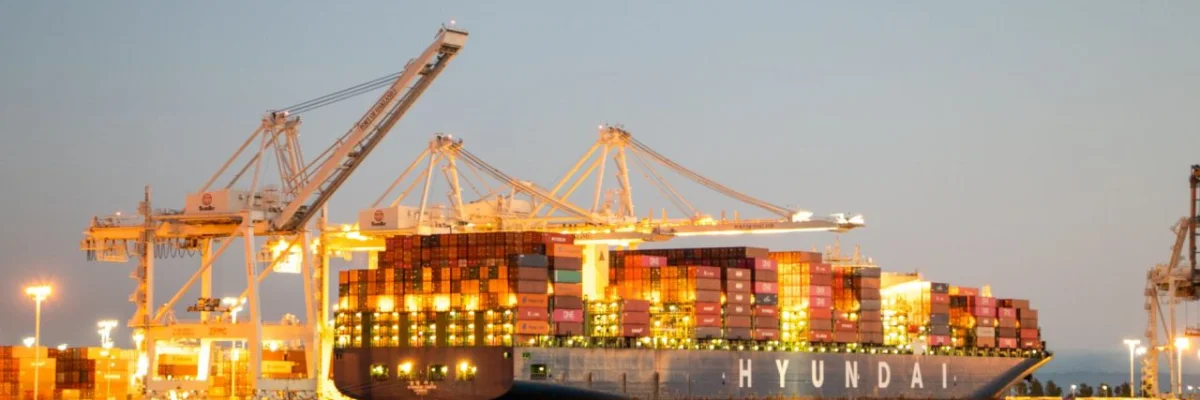
Navigating the complex landscape of global ocean freight requires more than just traditional logistics expertise in today's fast-paced market environment. As global supply chains face unprecedented volatility, freight forwarders are increasingly turning to cloud-based technology to manage documentation, track shipments, and streamline communication between stakeholders. By embracing digital transformation, forwarders can enhance their operational efficiency, reduce costly manual errors, and provide superior transparency to their clients. This evolution is essential for maintaining a competitive edge, allowing businesses to adapt quickly to sudden shifts in market demand while ensuring that cargo moves reliably across international borders every single day.
Digital Documentation Efficiency
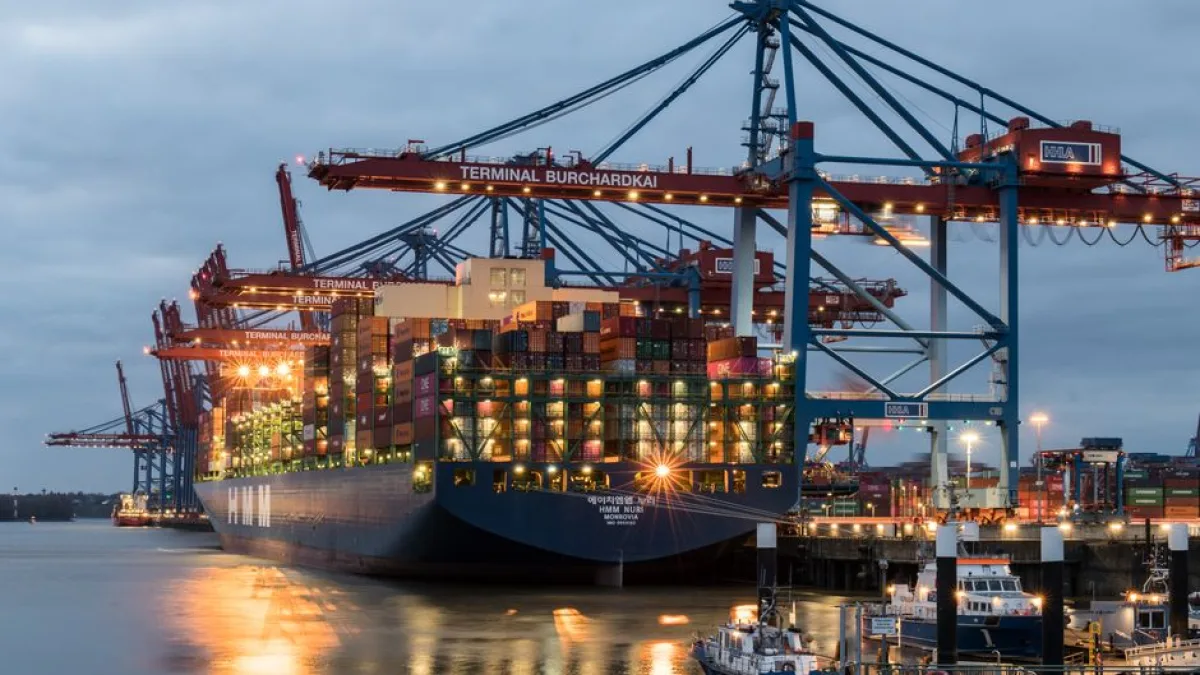
Managing complex shipping documents digitally significantly improves operational speed and accuracy for freight forwarders. Modern cloud platforms automate tedious data entry tasks, allowing your team to focus on high-value client relations rather than drowning in repetitive administrative paperwork.
- Automated Filing Systems: Digital tools instantly categorize essential shipping documents like bills of lading to ensure your records remain organized and accessible for rapid retrieval during intense peak shipping seasons.
- Standardized Data Entry: Cloud software utilizes uniform templates that minimize human error across multiple departments, ensuring that all crucial information remains accurate throughout the entire ocean shipping lifecycle.
- Real-time Document Sharing: Immediate digital access to files allows your team and external partners to collaborate seamlessly, which reduces the communication delays often found in traditional paper-based shipping workflows.
- Enhanced Compliance Tracking: Automated systems track mandatory international regulations, alerting your team to potential compliance issues before they result in costly fines or frustrating delays at busy customs checkpoints.
Transitioning to a digital documentation workflow is a foundational step for any forwarder aiming to scale effectively. By removing physical paper barriers, you create a seamless information flow that empowers your staff to resolve issues faster. This efficiency creates a robust operational backbone, ensuring that your business remains agile despite the inherent complexities found within the global ocean freight industry today.
Predictive Shipment Visibility

True visibility in ocean freight goes beyond simple tracking numbers by offering deep insights into potential bottlenecks. Leveraging real-time data allows forwarders to proactively manage expectations, providing clients with accurate information about their cargo status before major problems actually occur.
- Predictive Analytics Tools: Advanced software models analyze historical data and weather patterns to forecast potential arrival delays, allowing your team to inform clients and adjust supply chains accordingly.
- Live Cargo Tracking: Integrating GPS and satellite technology into your platform gives you granular visibility, ensuring that your team knows exactly where containers are located at all times.
- Automated Status Updates: Configure custom triggers to send proactive alerts to your clients whenever a shipment reaches a milestone, which significantly builds trust and reduces inbound inquiry volume.
- Exception Management Alerts: Instant notifications for unexpected vessel changes allow your staff to intervene quickly, ensuring that minor deviations do not evolve into major logistical failures for customers.
Proactive management of shipment visibility establishes your brand as a reliable partner in a volatile market. When you use data-driven insights to anticipate delays, you demonstrate professionalism and provide value that extends beyond basic freight movement. This level of transparency converts casual clients into long-term partners who rely on your firm to handle their most sensitive global shipments every year.
Optimizing Carrier Relations
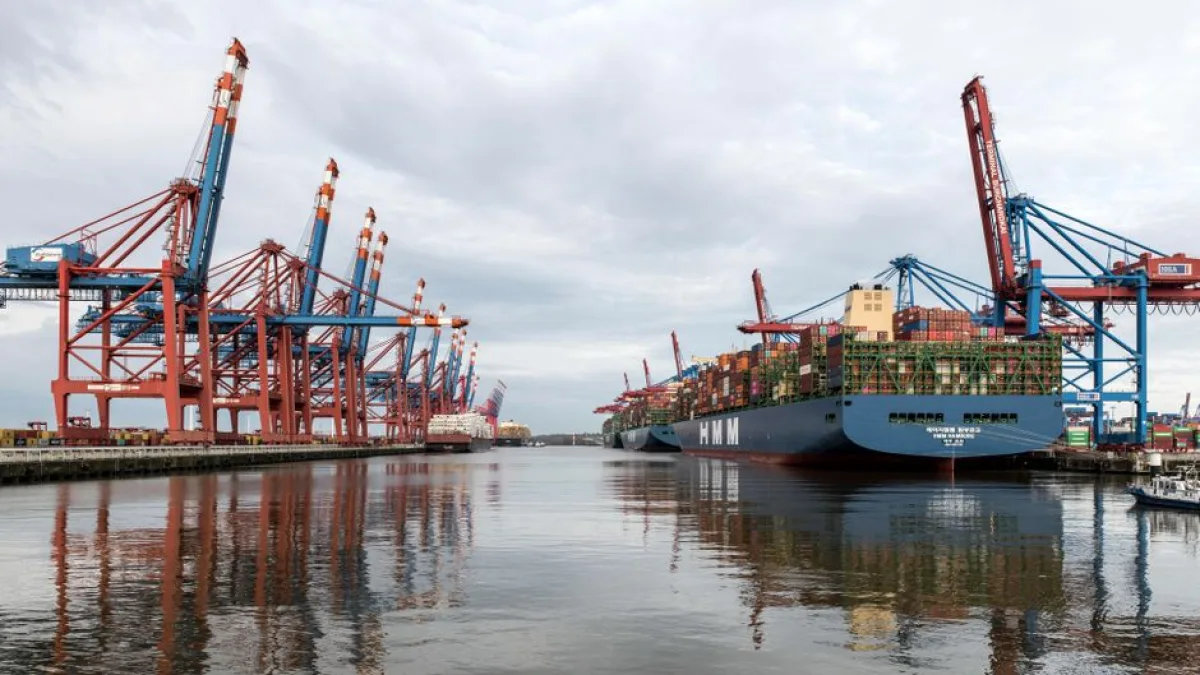
Strong partnerships with ocean carriers are vital for securing space and competitive rates during high-demand periods. Using a centralized platform helps forwarders track carrier performance metrics, which serves as leverage during contract negotiations and quarterly business reviews with major shipping lines.
- Performance Benchmarking Data: Detailed reports on carrier reliability and transit times provide the evidence needed to select the most efficient partners for your specific trade routes and needs.
- Centralized Booking Portals: Managing all carrier interactions through a single cloud dashboard simplifies the booking process, ensuring that your team maintains consistent communication across various shipping lines.
- Rate Management Tools: Digitizing your rate database allows for instant comparison of service options, helping you secure the best possible value for your customers during complex shipping.
- Communication Audit Trails: Maintaining a history of carrier interactions helps resolve disputes regarding hidden fees or service failures, protecting your firm from unnecessary financial losses during disputes.
Strategic management of carrier relationships is essential for navigating modern ocean freight constraints. By leveraging data to influence your negotiations, you gain a stronger market position that benefits both your company and your loyal customer base. Focus on building lasting connections backed by performance evidence, and your freight forwarding business will thrive even when the global shipping landscape remains notoriously unpredictable.
Scalable Freight Technology

Investing in scalable cloud technology ensures your business remains capable of handling growth without adding excessive overhead. A flexible software architecture allows your team to integrate new tools as your shipping volume increases, keeping your core operations lean and highly productive.
- Modular Software Design: Start with essential features like booking and tracking, then expand your capabilities with advanced accounting or customs modules as your company grows over time.
- Cloud Accessibility Features: Web-based platforms provide your staff with the flexibility to work securely from any location, which improves morale and keeps your operations running during emergencies.
- Custom Integration Capabilities: Connect your freight software with existing ERP or CRM systems to create a unified ecosystem that minimizes data silos and maximizes your internal productivity.
- Data Security Standards: Robust encryption and frequent updates protect your sensitive shipping data from digital threats, ensuring your business remains compliant with global privacy laws and standards.
Scalable technology is the ultimate engine for long-term growth in the competitive logistics sector. By choosing a cloud-based platform that grows alongside your shipping volumes, you eliminate the need for future expensive technical migrations. This strategic investment positions your company to take on larger clients and more complex projects, setting a standard for excellence that keeps your firm ahead of current market trends.
Conclusion
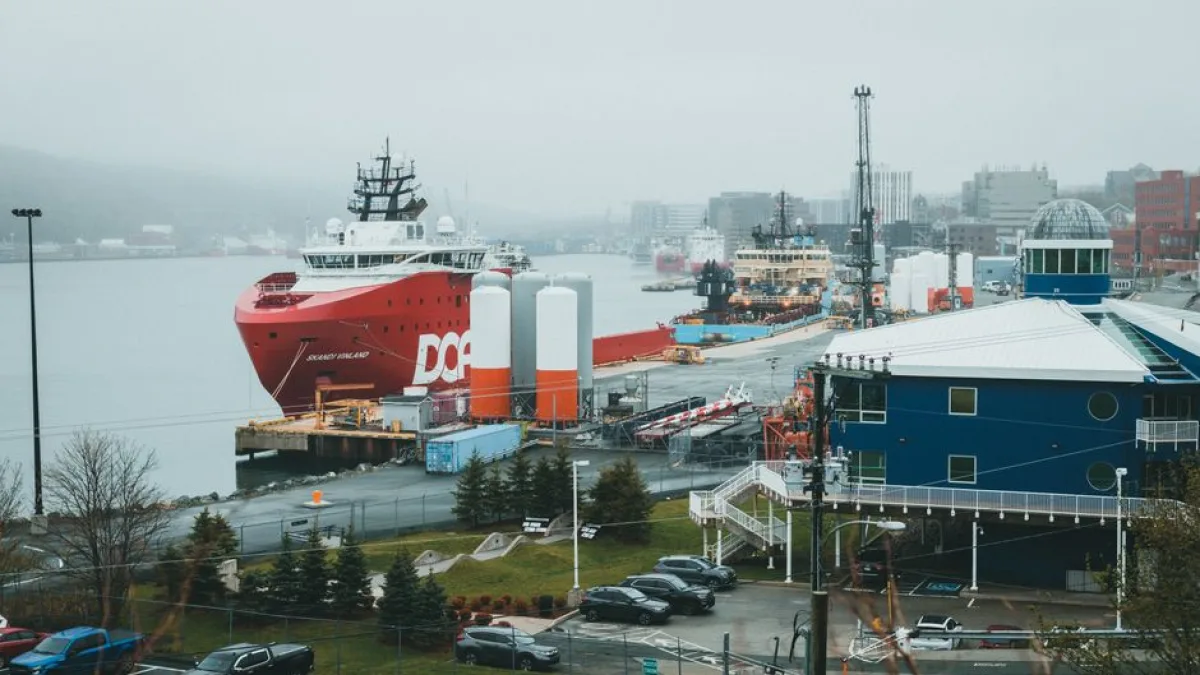
Modernizing your ocean freight operations is no longer optional in an increasingly digital world. By prioritizing documentation efficiency, predictive visibility, strong carrier relations, and scalable software solutions, your business can overcome traditional industry challenges. Embrace these innovative tools today to drive growth, improve customer satisfaction, and secure your place as a leader in the global shipping market for years to come.