Optimizing Ocean Freight Operations in a Digital Era
Sunday, September 20 2026
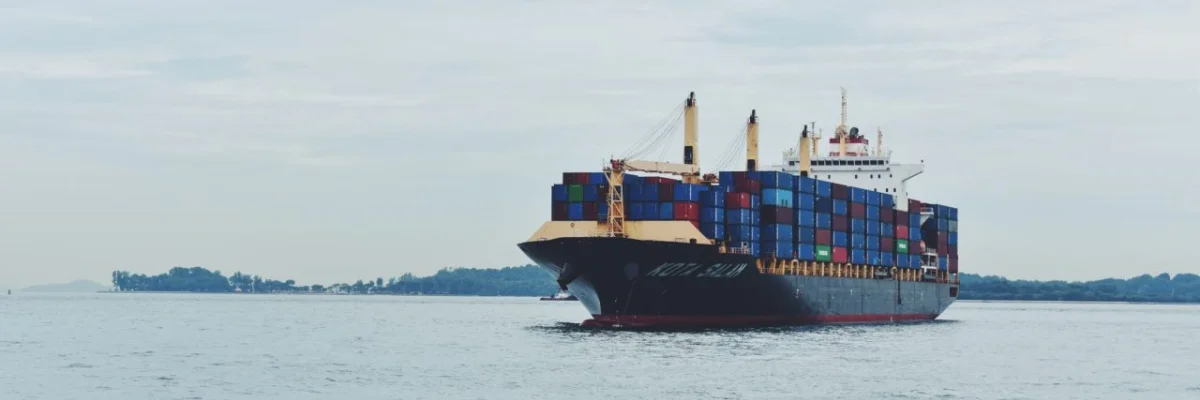
The global shipping industry is undergoing a profound transformation as legacy processes give way to high-speed digital integration. For modern freight forwarders, the complexity of managing ocean logistics demands more than traditional coordination. Fluctuating fuel costs, port congestion, and shifting regulatory requirements create a landscape where operational agility is the only path to sustained profitability. By leveraging cloud-based platforms, professionals can gain unprecedented visibility into their supply chains while reducing manual errors. Embracing these technological advancements allows forwarders to shift their focus from reactive crisis management toward proactive service delivery, effectively scaling their businesses amidst the volatility of international trade.
Modern Container Terminal Efficiency
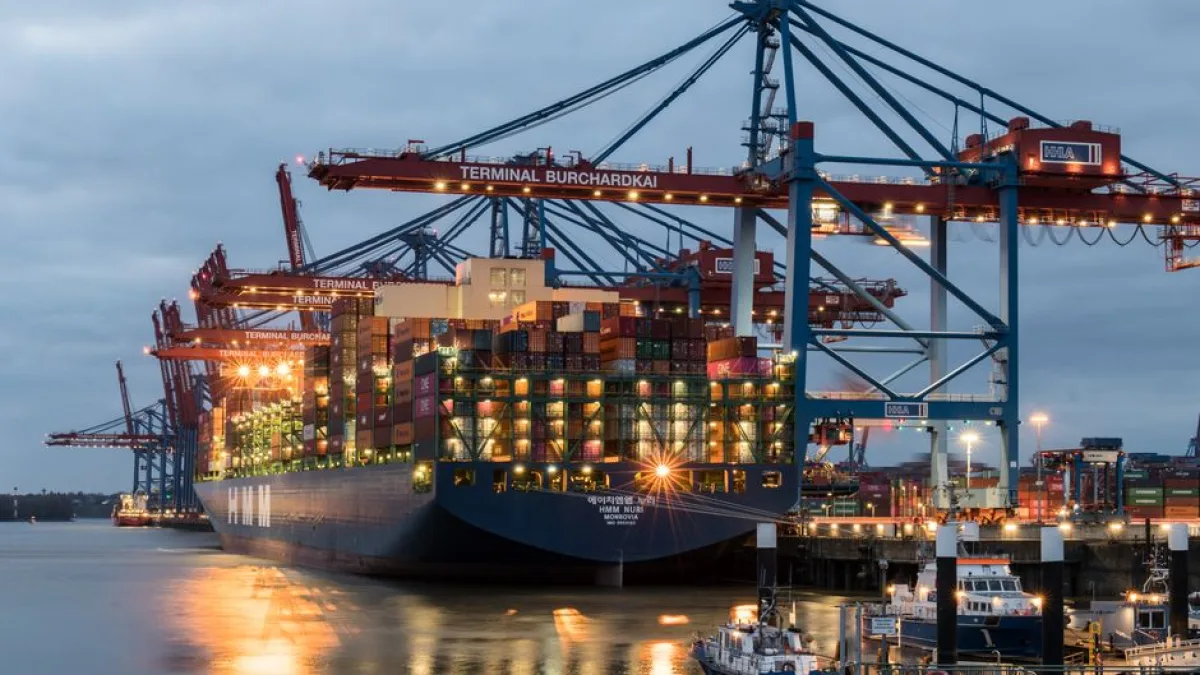
Modern container terminals now utilize advanced automation to streamline the movement of goods from vessel to yard. By integrating real-time data tracking into terminal operations, freight forwarders can anticipate potential bottlenecks before they impact delivery timelines for their global clients.
- Automated Yard Planning: Sophisticated algorithms optimize container placement within terminal yards to ensure faster retrieval speeds and reduced waiting times for drayage drivers waiting to collect important import cargo shipments.
- Real-time Gate Access: Digital synchronization between terminal gates and booking systems allows for seamless truck arrivals, significantly reducing vehicle idling time while improving the overall throughput of port facilities.
- Data-driven Slot Allocation: Intelligent scheduling software ensures that vessel berthing times are perfectly matched with landside logistics, preventing the common issue of container congestion during peak seasonal shipping periods.
- Integrated IoT Sensors: Internet of Things devices provide granular visibility into container conditions and precise location coordinates, empowering forwarders to offer proactive updates and enhance transparency for their customers.
Achieving terminal efficiency requires a commitment to data accuracy and continuous improvement in software utilization. When forwarders master these digital tools, they minimize the risks of costly demurrage and detention charges. This operational excellence becomes a significant competitive advantage, allowing firms to provide more reliable service than competitors who rely on fragmented manual tracking methods. Consequently, terminal operations become a predictable asset rather than a liability.
Optimizing Ocean Freight Routes

Selecting the ideal maritime route is a critical factor for maintaining profitability in the ocean freight sector. Forwarders must balance transit times against fuel consumption and carrier reliability to provide the most cost-effective shipping solutions for their diverse partners.
- Dynamic Route Planning: Analytical tools evaluate global shipping lanes based on historical speed data and weather patterns to identify the fastest transit routes for time-sensitive high-value ocean freight shipments.
- Fuel Consumption Analysis: Advanced software calculates potential bunker adjustment factor impacts, enabling freight forwarders to select carriers that minimize carbon footprints while keeping shipping costs competitive for their customers.
- Carrier Reliability Metrics: By analyzing long-term performance data, forwarders can confidently recommend shipping lines that consistently meet scheduled arrival times, thereby reducing the stress of unexpected logistics delays.
- Multimodal Connectivity Points: Identifying strategic transshipment hubs allows for optimized freight movement, ensuring that cargo transfers between deep-sea vessels and coastal feeders occur with minimal delay and maximum logistical efficiency.
Success in route optimization is achieved through the meticulous application of logistics software to predict and mitigate transit risks. By maintaining a focus on carrier performance and fuel efficiency, forwarders deliver value that extends beyond simple price competition. This strategic approach strengthens customer relationships and establishes the forwarder as a sophisticated partner capable of navigating the complex realities of modern maritime transport networks.
Enhancing Supply Chain Transparency
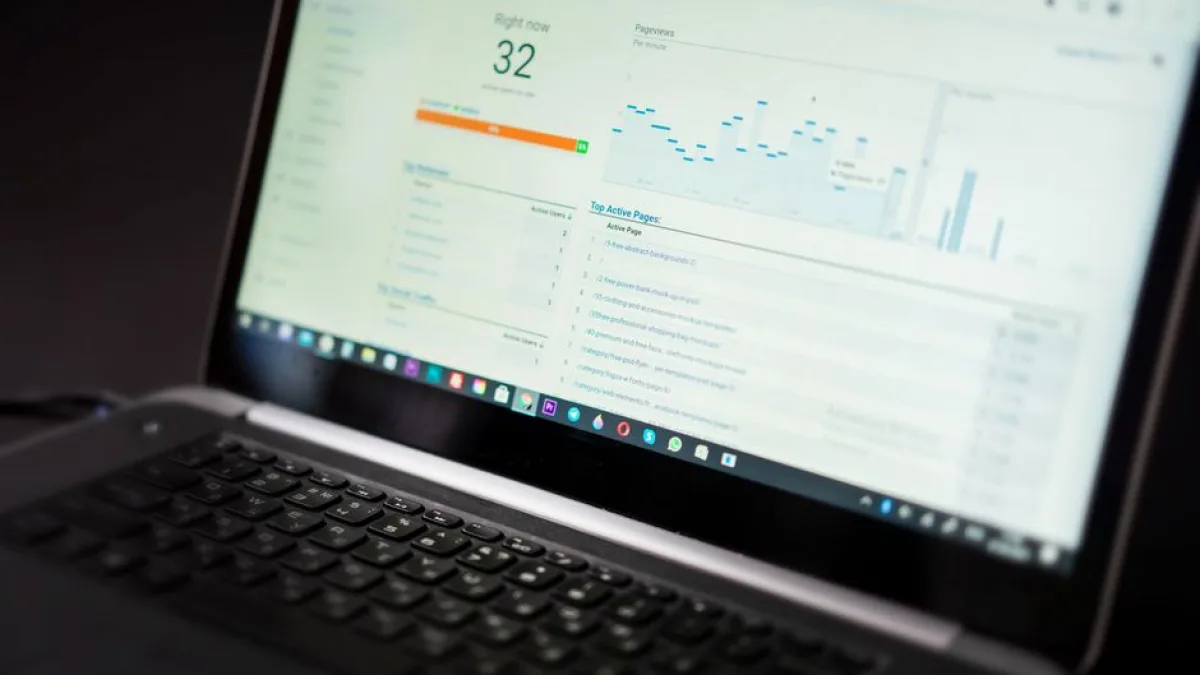
Transparency has become the primary demand from shippers operating in the volatile international market. Providing stakeholders with clear, actionable insights into their cargo status helps build trust and creates a more resilient and responsive global trade environment overall.
- End-to-end Visibility: Cloud-based platforms offer a comprehensive view of cargo movement from point of origin to final destination, eliminating information silos that previously hampered effective decision-making processes.
- Automated Milestone Alerts: Configurable notification systems ensure that both forwarders and end-customers receive instant updates on critical shipping milestones, drastically reducing the volume of manual inquiry emails and calls.
- Document Digitization Tools: Centralized digital document repositories allow for instantaneous sharing and verification of shipping paperwork, ensuring that customs clearance remains smooth and free from administrative hurdles or delays.
- Predictive Arrival Forecasting: Using machine learning models, software platforms estimate arrival times with high precision, helping shippers manage their inventory levels and warehouse staffing needs with much greater confidence.
Digital transparency acts as the backbone of modern freight forwarding services by ensuring that every stakeholder remains informed throughout the shipping journey. When stakeholders have access to accurate information, they can make better business decisions that save time and reduce capital tied up in inventory. Investing in transparent digital infrastructure is a fundamental requirement for forwarders aiming to survive and thrive in today's economy.
Future Trends in Maritime Logistics
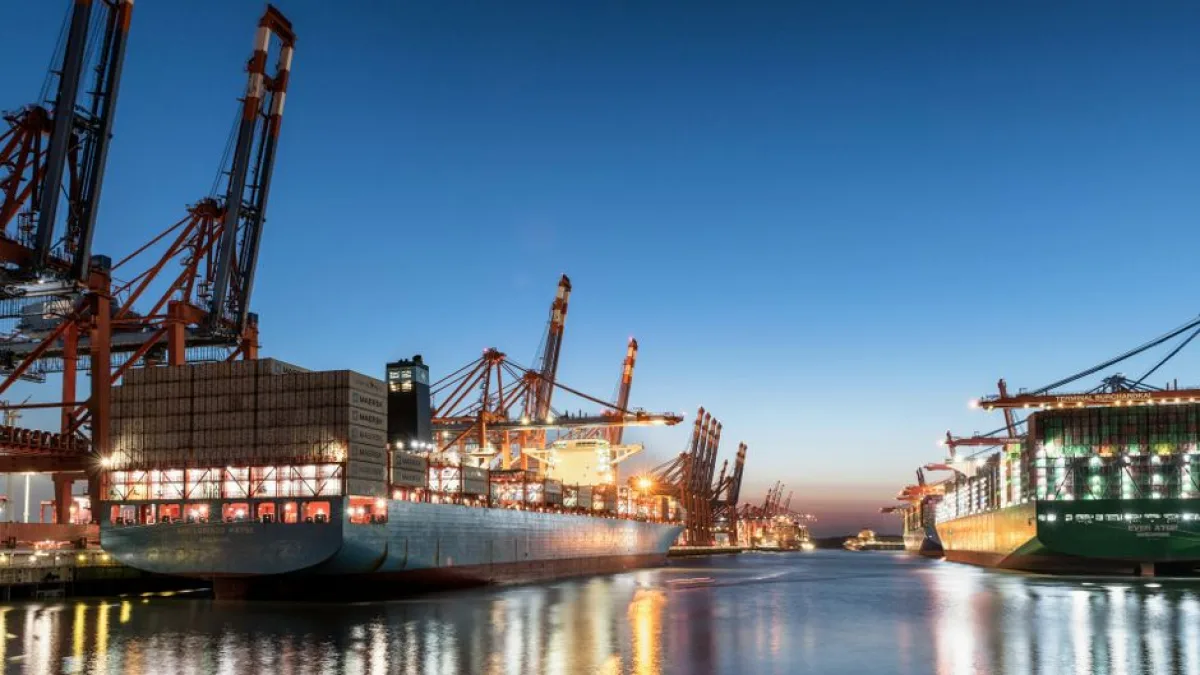
The future of maritime logistics is being shaped by emerging technologies such as blockchain and autonomous vessels. Forwarders who prioritize innovation today will be best positioned to lead the market as these powerful trends become standard industry requirements.
- Blockchain Security Protocols: Immutable ledgers ensure the absolute integrity of shipping documentation and financial transactions, drastically reducing the potential for fraud within the complex global supply chain ecosystem.
- AI-Powered Demand Planning: Predictive analytics allow forwarders to anticipate regional demand spikes for container space, enabling more effective capacity procurement and better price negotiation with major ocean shipping carriers.
- Sustainable Logistics Initiatives: Green technology integration tracks emissions data throughout the shipment cycle, allowing forwarders to offer eco-friendly shipping options that appeal to environmentally conscious and sustainability-focused corporate clients.
- API Integration Power: Seamless connectivity between carrier systems and internal management software enables instantaneous booking and tracking, ensuring that data flows without the need for manual data entry.
Remaining competitive in the maritime industry requires constant adaptation to new technological breakthroughs. As the industry evolves, the role of the freight forwarder will continue to shift toward that of a technical advisor. By staying ahead of these trends, professionals can ensure their operations remain modern, resilient, and ready to meet the challenges that arise in the fast-paced world of international ocean logistics.
Conclusion

Navigating the complex ocean freight environment requires a blend of industry expertise and advanced digital tools. By embracing automation, data transparency, and proactive route planning, freight forwarders can improve their service quality while driving operational growth. We encourage all industry professionals to evaluate their current software capabilities today. Contact MakeCargo to learn how our platform can streamline your freight forwarding operations and improve efficiency.