Optimizing Ocean Freight Operations in a Digital Era
Monday, September 21 2026

The global maritime industry remains the backbone of international trade, yet freight forwarders face increasing pressure to modernize their workflows. Fluctuating bunker adjustment factors, complex customs regulations, and demanding client expectations require more than just traditional spreadsheets to remain competitive. By adopting cloud-based platforms, logistics providers can centralize their documentation, automate manual entries, and gain real-time visibility into complex supply chain movements. This shift is no longer merely a strategic advantage but a fundamental necessity for survival. Leveraging integrated software solutions allows professionals to reduce operational friction and provide the seamless, transparent service that modern cargo owners and global shippers expect today.
Modern Container Terminal Efficiency
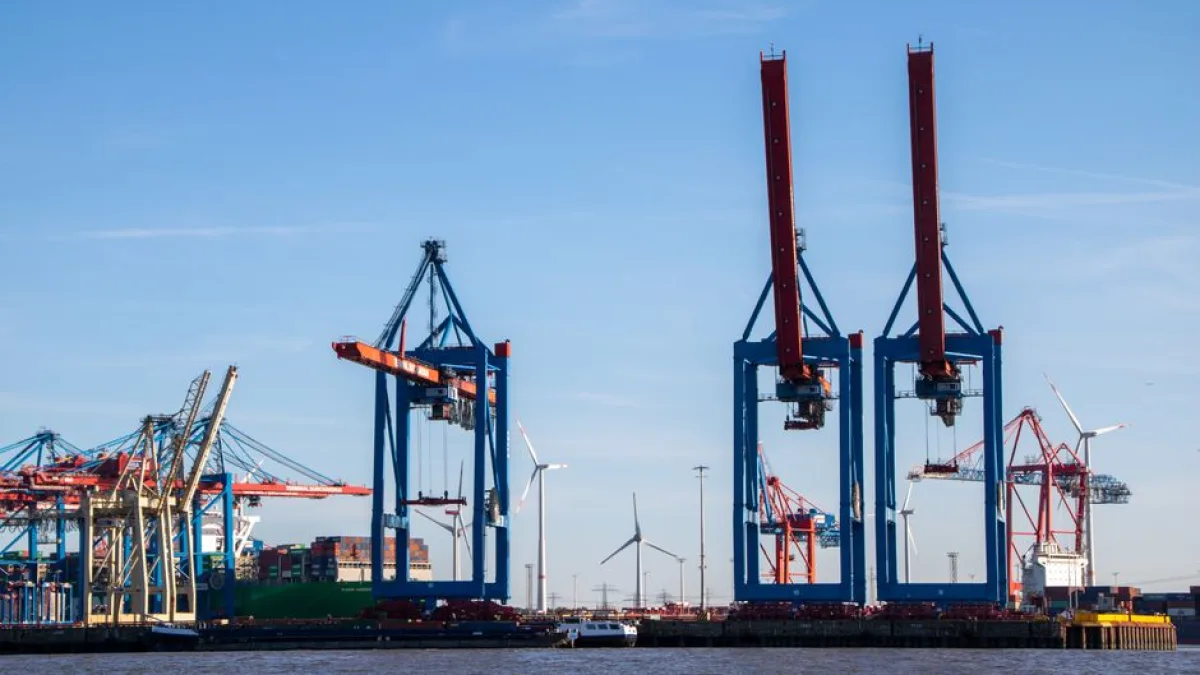
Visualizing the vast scale of modern terminal operations highlights why digital precision is crucial. Automated cranes and streamlined gate processes require forwarders to have synchronized data systems that prevent bottlenecks and ensure smooth transitions between maritime and inland transportation legs.
- Automated Gate Access: Integrating your software with terminal operating systems allows for faster gate check-ins and reduces manual paperwork for drivers picking up containers at busy port facilities.
- Real-time Tracking Updates: Automated status alerts provide your customers with immediate visibility regarding container arrivals, departures, and potential delays without the need for manual status checking cycles.
- Optimized Slot Booking: Digital scheduling tools prevent costly detention fees by ensuring that your trucking partners arrive at the container terminal during the most efficient time slots.
- Integrated Customs Documentation: Automating the submission of entry documents directly from your freight software reduces human error and accelerates the clearance process at major global ports.
As terminals become increasingly automated, the human element of freight forwarding must shift toward data management and problem solving. By automating the routine communication between the port authority and your backend systems, your team can focus on resolving exceptions rather than performing manual data entry. This transition not only speeds up the cargo cycle but also builds trust with clients who demand constant operational transparency.
Navigating Complex Ocean Routes
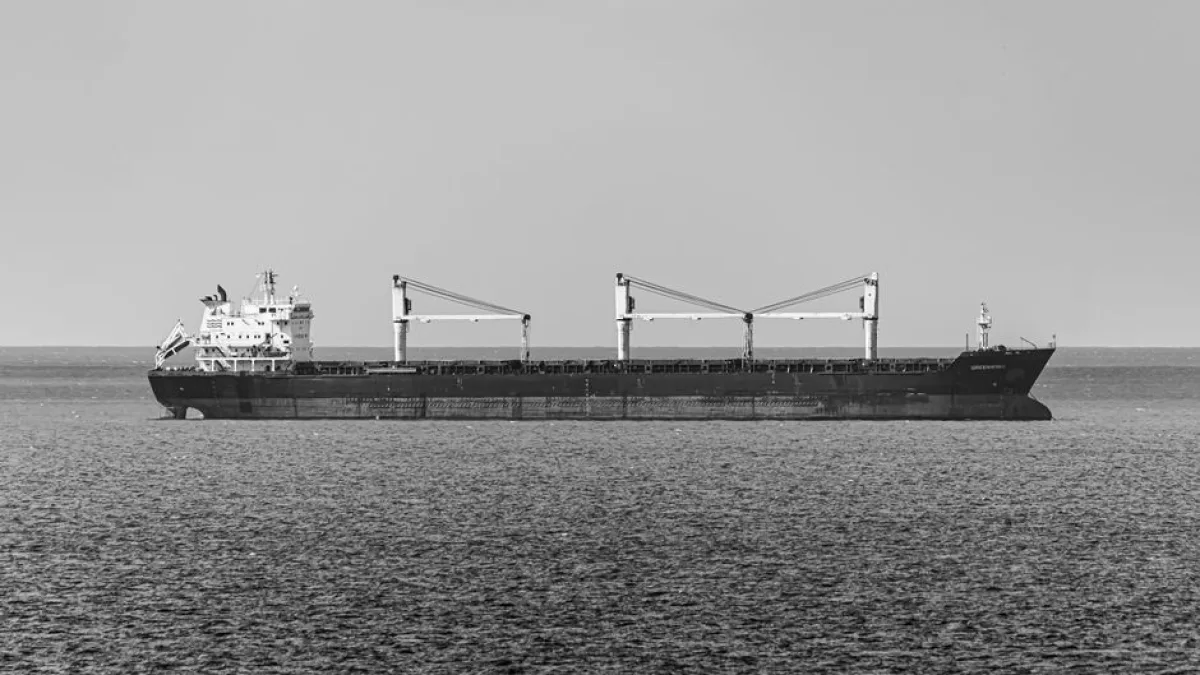
The complexity of modern maritime logistics requires sophisticated routing software that accounts for weather patterns, geopolitical stability, and vessel schedules. Forwarders who utilize advanced analytics can navigate these challenges by proactively identifying route disruptions before they impact final customer delivery timelines.
- Route Optimization Tools: Smart software algorithms suggest the most cost-effective and fastest shipping lanes based on current port congestion data and historical performance metrics for specific carriers.
- Dynamic Schedule Monitoring: Continuous synchronization with carrier APIs ensures that your team always has the latest vessel departure times and transit durations for every shipment.
- Alternative Port Selection: Having the ability to quickly pivot to secondary ports during labor strikes or natural disasters provides a significant competitive edge for your logistics business.
- Multi-modal Synchronization: Connecting ocean freight legs with rail or road transport in your platform ensures that there is no gap in data during transshipment phases.
Managing global routes effectively demands a combination of industry expertise and robust digital tools. When your software handles the heavy lifting of schedule tracking and route analysis, your team gains the freedom to negotiate better service contracts with carriers. This strategic focus improves your margins and ensures that every cargo movement is handled with the highest level of efficiency and predictive planning possible.
Digitizing Maritime Freight Documentation

The transition from paper-based bill of lading workflows to electronic documentation is a significant milestone for forwarders. Digital systems eliminate the risks associated with lost documents and ensure that all stakeholders have simultaneous access to critical information required for international regulatory compliance.
- Electronic Bill Lading: Switching to digital versions of the bill of lading reduces courier costs, minimizes physical handling, and accelerates the release process for imported cargo shipments.
- Centralized Document Storage: Cloud-based repositories ensure that all invoices, packing lists, and certificates of origin are stored securely and accessible to authorized team members globally.
- Automated Document Generation: Standardizing your paperwork through software templates reduces the time spent on repetitive tasks and ensures that your documents meet international legal standards.
- Secure Data Sharing: Permissions-based access allows you to share sensitive shipment details with partners or clients securely without exposing the entire database to unauthorized personnel.
Reducing the reliance on physical paper not only benefits the environment but also significantly enhances the speed of your financial settlement processes. When documents are processed digitally, invoicing cycles are shortened, and cash flow improves across the organization. This shift creates a leaner, more responsive freight forwarding business that can scale operations rapidly without being slowed down by legacy administrative burdens and clutter.
Enhancing Client Service Transparency

Client satisfaction in ocean freight depends heavily on transparent communication and the ability to provide accurate answers instantly. Empowering your clients with a self-service portal creates a superior experience that differentiates your forwarding business from those still using manual email communication.
- Customer Self-service Portals: Allowing your clients to view their shipment statuses and download documents independently reduces the volume of repetitive inquiry emails handled by your staff.
- Customized Reporting Tools: Providing clients with automated weekly or monthly shipment summaries demonstrates your commitment to data-driven service and helps them manage their own inventory.
- Automated Proactive Alerts: Configurable notifications keep your customers informed about shipment milestones, which builds long-term loyalty and reduces the anxiety surrounding international cargo transit times.
- Unified Communication Threads: Linking internal notes directly to specific shipment records ensures that any team member can provide a consistent answer to a client request.
Modern clients view information as an extension of your service quality. When they can log into a portal and see the exact location of their goods, their reliance on your team for basic status updates drops, allowing you to move from a reactive support role to a consultative partner. This high level of service cements your reputation as a forward-thinking market leader.
Conclusion

Transforming your ocean freight operations requires a commitment to digital tools that enhance visibility and streamline workflows. By implementing the strategies discussed, you can effectively reduce administrative overhead while significantly increasing your service quality. Explore how MakeCargo can serve as the engine for your digital transition today. Contact our team to schedule a personalized demonstration and begin optimizing your freight forwarding business performance.