Optimizing Ocean Freight Operations in a Digital Era
Monday, September 21 2026
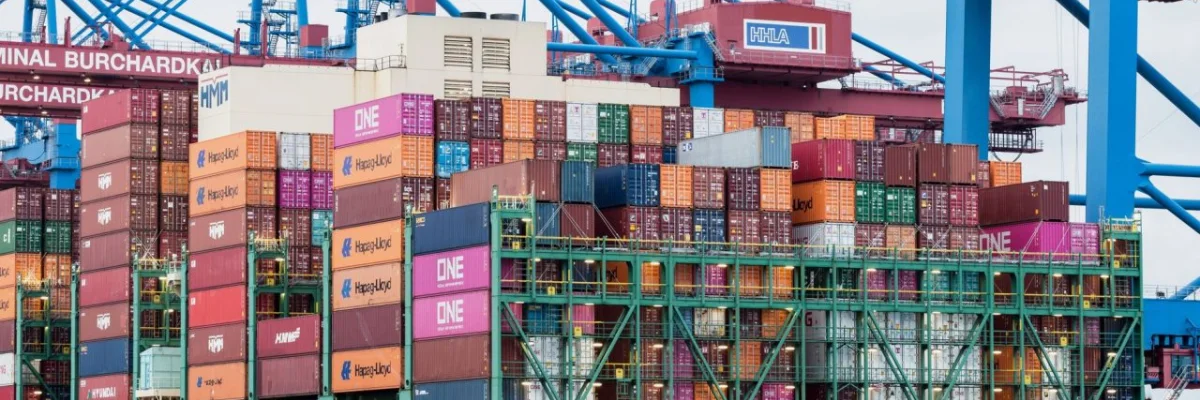
The global ocean freight industry is currently undergoing a massive transformation driven by digital innovation and the demand for absolute visibility. Freight forwarders are increasingly tasked with managing complex supply chains while maintaining profitability amidst fluctuating market rates and capacity constraints. Adopting cloud-based platforms is no longer a luxury but a fundamental necessity for those aiming to scale operations efficiently. By leveraging integrated software, businesses can automate manual workflows, improve data accuracy, and offer superior customer service. This article explores essential strategies to help your forwarding firm stay competitive and thrive in today's fast-paced international trade environment.
Modernizing Documentation Processes

Transitioning from paper-heavy workflows to digital documentation is the first step toward operational excellence. Modern software allows teams to process bills of lading and customs forms within a centralized environment, reducing errors and ensuring compliance across all international shipments.
- Automated Data Entry: Implement intelligent software to extract information from documents automatically, which eliminates tedious manual typing tasks and significantly reduces the risk of costly human errors during processing.
- Centralized Cloud Storage: Maintain a single source of truth by storing all shipping documents in the cloud, allowing your global teams to access real-time data from any location worldwide.
- Digital Compliance Checks: Use built-in validation tools to verify customs declarations and regulatory requirements instantly, ensuring that every shipment adheres to strict international laws before leaving the port.
- Enhanced Document Security: Protect sensitive client information using advanced encryption standards within your cloud platform, preventing unauthorized access and ensuring data integrity throughout the logistics lifecycle process.
By digitizing your documentation, you empower your staff to focus on high-value tasks rather than repetitive administrative chores. This shift not only accelerates the speed of cargo processing but also builds greater trust with your clients through improved transparency. As you reduce the time spent on manual input, your entire organization gains the agility needed to respond quickly to sudden changes in global shipping requirements.
Optimizing Container Load Planning
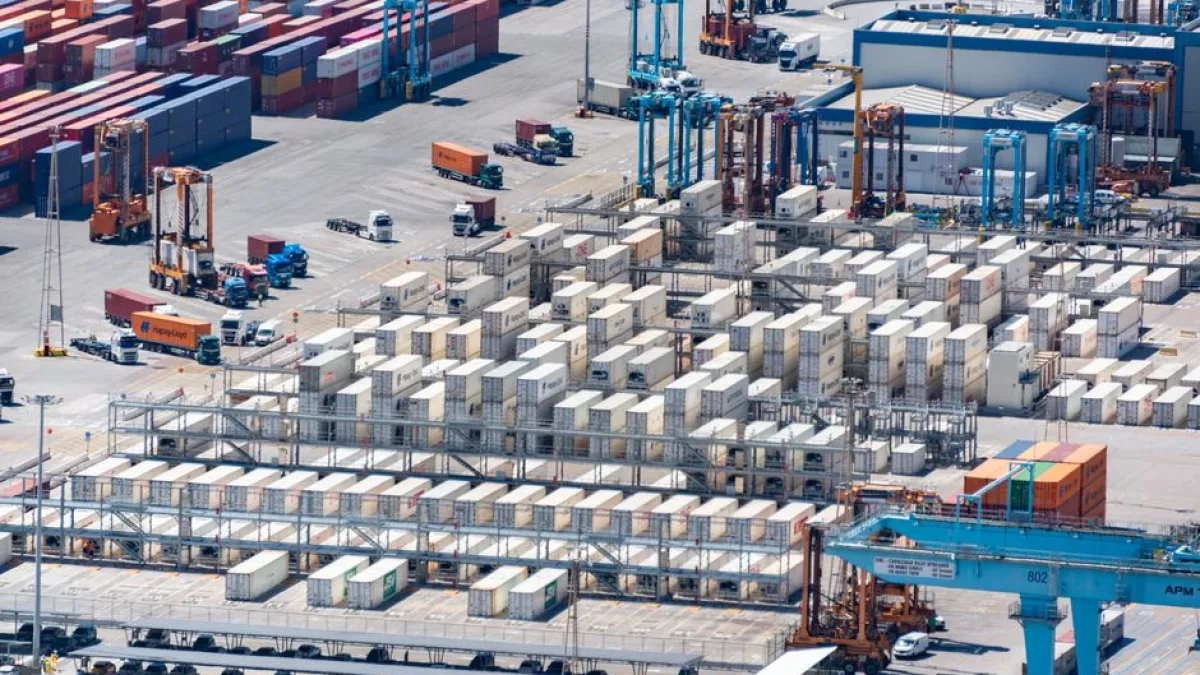
Maximizing container utilization remains a primary concern for forwarders striving to improve profit margins. Advanced load planning tools allow for precise calculation of cargo placement, ensuring that every square meter is used effectively while maintaining safety standards during ocean transit.
- Smart Space Utilization: Utilize algorithmic tools to determine the optimal configuration for diverse cargo types, maximizing the internal volume of containers to reduce overall shipping costs per unit.
- Weight Distribution Analysis: Calculate the center of gravity for every shipment to ensure containers are balanced correctly, which prevents damage to cargo and avoids heavy fines from carriers.
- Real-time Capacity Tracking: Monitor available vessel space through integrated carrier portals, enabling your team to secure competitive rates and avoid the costly delays associated with overbooked ocean freight.
- Virtual Loading Simulations: Preview potential loading scenarios using 3D visualization software to identify issues before physical handling begins, ensuring smoother operations at the port and during vessel transit.
Efficient load planning represents a direct opportunity to enhance your bottom line by reducing the total number of containers required for large shipments. When your team utilizes software to optimize space, they minimize wasted capacity and maximize the value delivered to customers. Furthermore, professional load planning reduces the likelihood of accidents and cargo damage, which preserves your brand reputation in the competitive forwarding market.
Improving Carrier Performance Tracking

Monitoring carrier performance is critical for maintaining consistent service levels for your end customers. By utilizing performance analytics, forwarders can identify which shipping lines provide the most reliable transit times and competitive pricing, allowing for better strategic decision-making and negotiations.
- Reliability Scorecard Systems: Assign performance metrics to various shipping lines based on actual transit times, enabling you to select the most dependable partners for your time-sensitive client shipments.
- Cost Comparison Dashboards: Analyze freight rates from multiple carriers in one view to identify the most cost-effective routes, helping you maintain healthy margins while offering competitive client pricing.
- Automated Delay Alerts: Receive instant notifications regarding vessel schedule changes or port congestion, which allows your team to communicate proactively with clients and provide accurate shipping status updates.
- Service Level Audits: Conduct periodic reviews of carrier performance using historical data trends, which provides the leverage needed to negotiate better service contracts for the upcoming fiscal year.
Effective carrier management transforms your role from a simple service provider into a strategic partner for your clients. By using hard data to manage relationships with shipping lines, you reduce the risks associated with unexpected delays and rate volatility. This level of oversight ensures that your logistics operations remain resilient, providing a stable foundation that supports long-term growth and success for your forwarding business.
Building Customer Transparency

Client satisfaction is heavily influenced by how easily they can access information about their cargo. Providing a self-service portal creates a sense of confidence and control for shippers, which serves as a powerful differentiator in a crowded freight forwarding marketplace today.
- Live Cargo Tracking: Offer customers an intuitive dashboard where they can track shipments in real time, reducing the volume of status inquiries handled by your support team daily.
- Automated Status Notifications: Trigger proactive email or SMS updates for key milestones, keeping your clients informed without requiring them to check the platform manually for new shipping information.
- Online Invoice Management: Simplify the billing process by providing a secure area where clients can view, download, and pay invoices instantly, accelerating your accounts receivable and cash flow.
- Integrated Messaging Channels: Facilitate direct communication between clients and your operations team within the platform to resolve questions quickly, ensuring that every interaction is documented and easily accessible.
Transparency is the bedrock of long-term client retention in the logistics industry. By providing digital tools that give your customers full visibility into their shipments, you eliminate uncertainty and build a stronger, more trusting partnership. This focus on clear communication and easy access to data positions your freight forwarding firm as a leader, helping you win more bids and grow your business sustainably.
Conclusion

Advancing your ocean freight operations requires a commitment to digital adoption and process refinement. By modernizing documentation, optimizing cargo space, monitoring carrier performance, and fostering customer transparency, your firm will achieve superior efficiency. Start integrating these strategies today to reduce operational costs and elevate your service standards. Visit MakeCargo to discover how our cloud-based software can help streamline your logistics business for future growth.