Optimizing Ocean Freight Operations in the Digital Age
Monday, September 21 2026

Navigating the complex landscape of global ocean freight requires more than just traditional logistics expertise in today's fast-paced market. With supply chain volatility reaching unprecedented levels, forwarders must leverage modern technology to maintain visibility and operational efficiency. Moving cargo across oceans is no longer just about vessel schedules but about managing massive data streams and ensuring seamless coordination between stakeholders. By embracing digital transformation, freight professionals can mitigate risks, reduce manual errors, and provide superior service to their clients. This guide explores how cloud-based platforms and data-driven strategies are redefining the standards for excellence in international shipping and maritime logistics.
Modernizing Port Operations
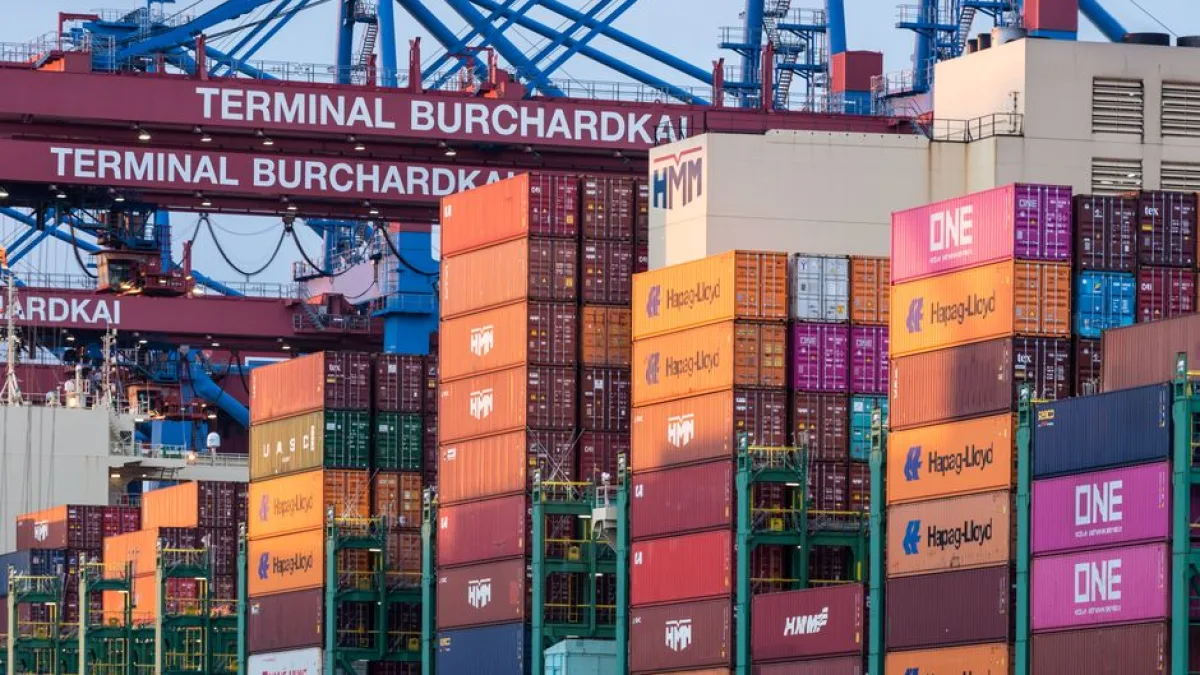
Port operations represent the heart of global trade, acting as critical nodes where cargo transitions from sea to land. Streamlining these interactions requires real-time data access to avoid bottlenecks that delay shipments and increase costs for every involved party.
- Automated Tracking Systems: Implementing automated digital tracking solutions allows your team to monitor vessel movements and port status updates without manual entry, significantly reducing the potential for human error.
- Data Integration Protocols: Integrating port authority databases directly with your management software ensures that status changes are reflected instantly, allowing for faster decision making and improved client communication.
- Queue Management Software: Utilizing advanced software to manage truck appointments at terminals reduces dwell times for drivers and ensures that cargo pickup and dropoff processes remain highly efficient.
- Unified Communication Channels: Establishing centralized messaging platforms helps coordinate between carriers, terminal operators, and drivers, ensuring that everyone remains aligned throughout the entire complex port discharge process.
By digitizing these critical interactions, companies transform their manual processes into agile workflows that respond to market changes instantly. This technological shift reduces the time spent on administrative tasks while increasing overall output. When logistics teams prioritize digital connectivity, they gain a significant competitive advantage by resolving bottlenecks before they impact the bottom line for their valued global shipping clients.
Enhancing Cargo Visibility
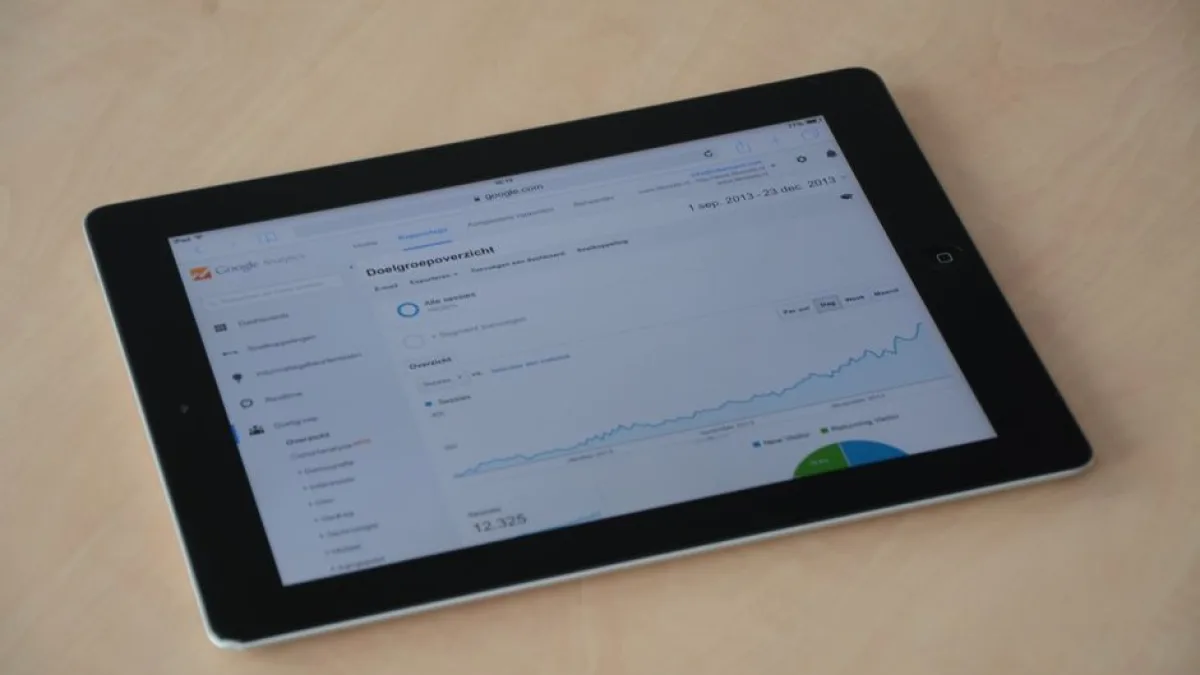
Providing true end-to-end visibility is essential for maintaining trust with customers who demand constant updates on their high-value cargo. Modern cloud platforms now offer comprehensive dashboards that display shipment status at every milestone of the journey.
- Real-time GPS Tracking: Leveraging satellite and terrestrial tracking data allows you to provide customers with precise location updates, which fosters transparency and improves overall customer satisfaction ratings consistently.
- Milestone Event Alerts: Automated notifications triggered by specific shipment milestones ensure that you and your clients are alerted to delays or status changes immediately upon their occurrence.
- Customizable Client Portals: Providing a dedicated portal for clients enables them to view their shipment status, invoices, and documents independently, reducing the volume of manual status inquiries.
- Predictive Analytics Integration: Utilizing predictive software tools allows your team to anticipate potential transit delays based on historical weather patterns or port congestion data and adjust plans accordingly.
Transparent communication is the cornerstone of a successful freight forwarding business in this competitive environment. By allowing your clients access to live data, you build deeper professional relationships and reduce the administrative burden of fielding constant status phone calls. Investing in these visibility tools transforms your service offering from a simple commodity into a highly reliable and essential strategic partnership.
Streamlining Documentation Workflow

Processing shipping documents remains one of the most time-consuming aspects of ocean freight. Transitioning from paper-heavy workflows to digital document management systems drastically cuts down on processing time while improving security and long-term file retrieval capabilities.
- Cloud Document Storage: Moving all shipping records to a secure cloud database ensures that your entire team can access necessary bills of lading and invoices from anywhere.
- Automated Data Extraction: Advanced software tools can automatically extract key information from shipping documents, populating your database fields without the need for repetitive manual data entry tasks.
- Digital Signature Compliance: Integrating e-signature functionality into your workflow speeds up the approval process for essential documents while maintaining compliance with international maritime and trade regulations.
- Version Control Systems: Using robust version control prevents confusion by ensuring that all stakeholders are working from the most recent, accurate, and approved version of documentation.
Digital document management is not just about going paperless; it is about creating a structured environment where information flows effortlessly. When your team spends less time manually filing and searching for documents, they can focus on higher-value tasks such as route optimization and customer support. This transition is essential for scaling your ocean freight operations while keeping overhead costs under control.
Optimizing Freight Cost Management
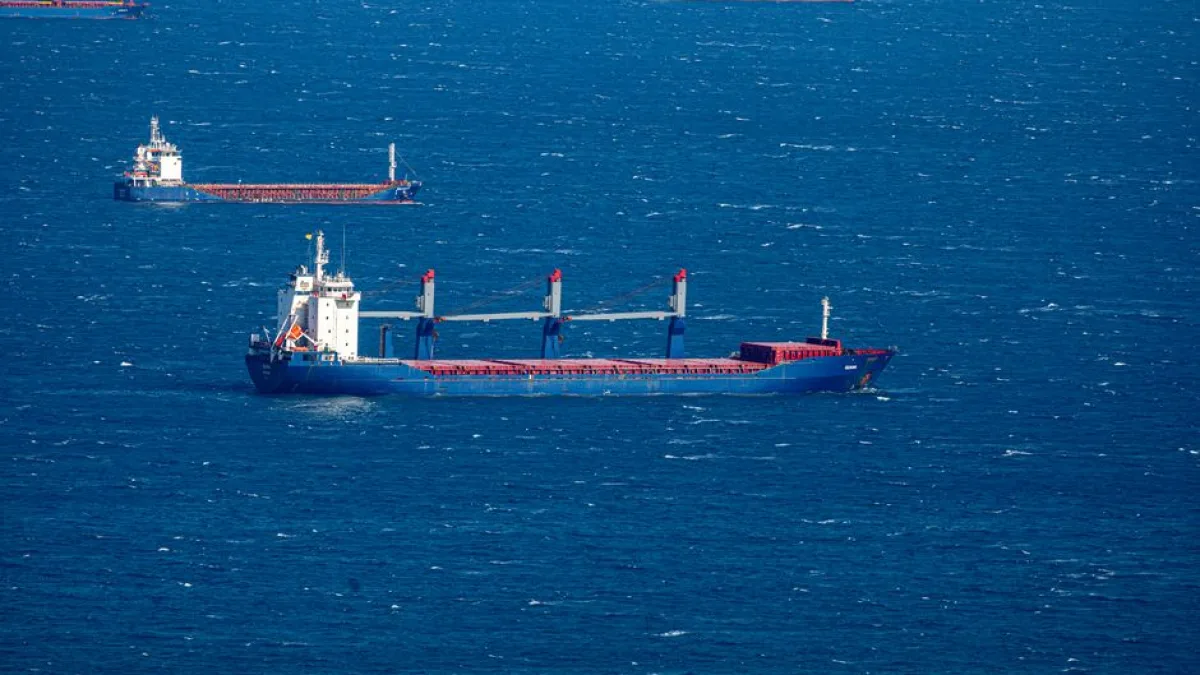
Controlling shipping costs is vital for maintaining healthy margins in the ocean freight sector. Forwarders must actively monitor carrier rates and surcharges to provide accurate quotes and avoid unexpected expenses that hurt profitability and customer retention.
- Automated Rate Management: Centralizing carrier rate sheets in a searchable digital database allows your team to find the most cost-effective shipping options for clients in seconds.
- Surcharge Tracking Tools: Modern software platforms can automatically calculate complex surcharges and fuel adjustments, ensuring your invoices remain accurate and easy for your customers to understand clearly.
- Profitability Analytics Reports: Regularly generating reports on lane profitability helps your team identify which routes provide the best margins, allowing for more strategic and informed business decisions.
- Supplier Benchmarking Data: Comparing service quality and pricing across different ocean carriers allows you to negotiate better rates while maintaining high service standards for your shipping clients.
Strategic cost management requires a firm grasp on the fluctuating variables of international shipping lanes. By utilizing advanced analytics to track every penny spent on container movements, your firm can identify hidden costs and optimize spending effectively. This disciplined approach to financial management not only improves your profitability but also provides your customers with the price stability they require today.
Conclusion

Mastering ocean freight logistics requires a relentless commitment to digital innovation and operational efficiency. By leveraging cloud-based platforms to manage visibility, documentation, and costs, freight forwarders can successfully navigate the complexities of global trade. These strategic investments empower teams to deliver superior service, build lasting client trust, and thrive in an increasingly competitive maritime market. Embrace these modern solutions today to secure your future.