Optimizing Ocean Freight Operations in a Digital Era
Tuesday, September 22 2026
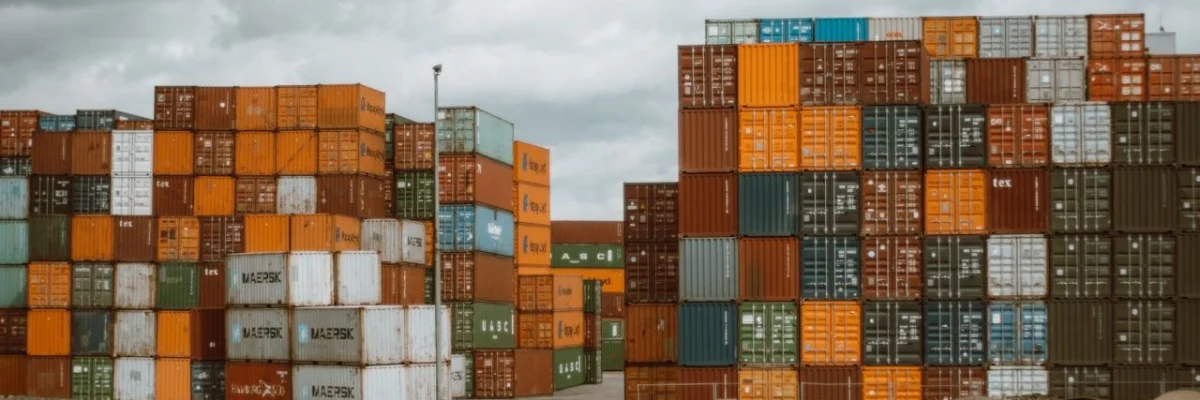
Modern ocean freight logistics demands unprecedented precision and real-time visibility to maintain competitive advantages in a volatile global market. As freight forwarders navigate increasing supply chain complexities, the reliance on manual processes and legacy spreadsheets becomes a significant bottleneck for growth. Embracing cloud-based software solutions allows forwarders to centralize complex data points, automate documentation workflows, and improve communication between carriers and shippers. By leveraging technological advancements, professionals can mitigate risks associated with port congestion and schedule variability, ensuring that cargo moves efficiently across international waters while maintaining healthy profit margins and superior service levels for their clients.
Streamlining Documentation Workflows

Managing global trade documentation requires absolute accuracy to prevent costly delays at customs checkpoints. Digital platforms empower teams to generate, store, and share critical shipping paperwork automatically, reducing manual entry errors and ensuring that every stakeholder remains informed throughout the transit lifecycle.
- Automated bill generation: Modern platforms allow teams to create bills of lading and arrival notices instantly using pre-populated data fields that pull directly from your core logistics system.
- Centralized document portal: Cloud-based document repositories ensure that all parties have secure access to shipping instructions and invoices from any location to facilitate faster operational processing.
- Real-time compliance checks: Automated validation tools verify regulatory information against international standards to ensure that all documentation meets stringent customs requirements before cargo leaves the origin port.
- Instant digital transmission: Secure electronic document sharing replaces slow physical couriers or insecure email chains to guarantee that customs brokers receive necessary paperwork well before vessel arrival.
Transitioning away from paper-heavy processes enables your team to reclaim valuable time previously lost to administrative burdens. By adopting a digital-first approach to documentation, freight forwarders minimize the risk of human error and significantly improve document turnaround speeds. This operational efficiency boost allows your staff to focus on high-value client management and strategic growth initiatives rather than chasing physical signatures or filing messy documents.
Managing Carrier Capacity Effectively
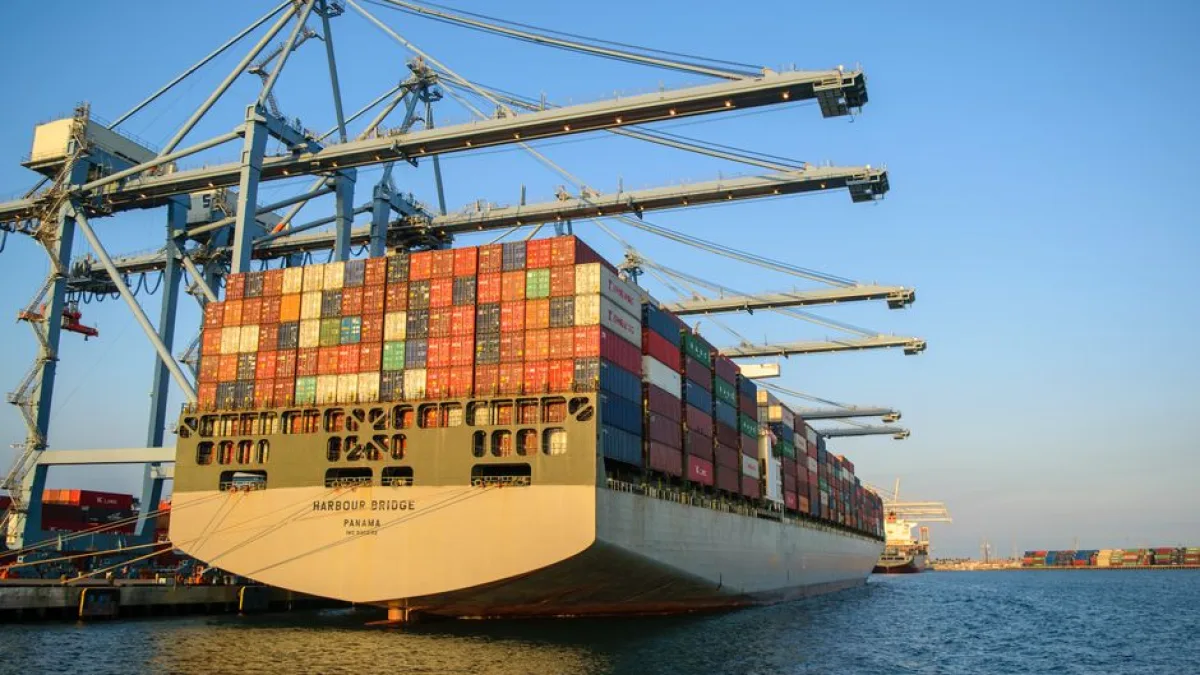
Fluctuating carrier capacity requires forwarders to maintain dynamic relationships with multiple steamship lines. Advanced software tools provide the necessary visibility to compare space availability and pricing, allowing forwarders to secure optimal routing options that balance transit time with cost efficiency.
- Dynamic space tracking: Real-time integration with carrier portals allows logistics teams to monitor available vessel space and book slots instantly before market rates experience sharp spikes.
- Comparative rate analysis: Integrated tools compare spot rates against long-term contract agreements to ensure that your business selects the most economical path for every specific shipment.
- Carrier performance metrics: Data-driven analytics highlight which steamship lines provide the best reliability and transit speeds, helping you make informed booking decisions for your most sensitive cargo.
- Flexible booking windows: Automated alerts notify your team when new carrier capacity opens up, allowing you to react quickly to changing schedules and unexpected equipment shortages worldwide.
Strategic capacity management serves as the cornerstone of reliable service delivery in the ocean freight sector. Forwarders who utilize data-backed insights to navigate capacity fluctuations are better positioned to protect their margins while meeting client expectations for delivery consistency. By prioritizing carrier partnerships and leveraging software to monitor global capacity, your firm gains the agility required to thrive despite sudden industry shifts.
Enhancing Shipment Visibility
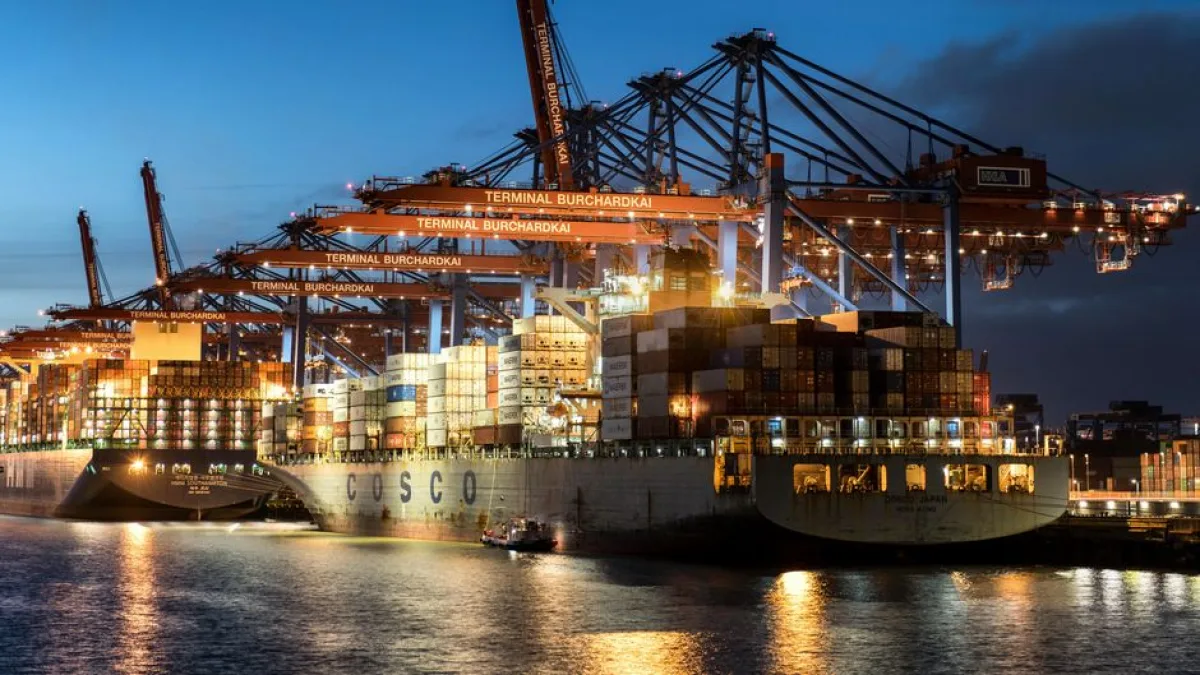
Real-time visibility transforms the client experience by providing transparent tracking updates from port of origin to final destination. Modern cloud platforms integrate directly with carrier data feeds, offering a comprehensive view of container movements that eliminates guesswork for busy shipping managers.
- Live vessel tracking: Advanced satellite integration allows you to monitor vessel positions across the ocean, providing accurate estimated times of arrival for all active sea shipments.
- Custom event notifications: Automated status updates keep your clients informed about every milestone including gate-in, vessel departure, and arrival at the final destination port or terminal.
- Exception management tools: Intelligent alerts flag potential delays or port congestion events immediately so your team can proactively reroute shipments or communicate adjustments to your customers.
- Customer tracking portals: Branded, self-service portals allow your clients to check shipment status independently, reducing the volume of inbound status inquiries handled by your operations staff.
Providing exceptional transparency builds long-term trust and strengthens your competitive position in the logistics market. When clients have immediate access to accurate tracking data, the need for repetitive status emails decreases, allowing your team to focus on resolving complex issues. This level of service differentiates your freight forwarding business as a modern, reliable partner capable of handling the most demanding global trade requirements.
Leveraging Data for Growth

Harnessing historical shipment data is essential for long-term strategic planning and improving operational profitability. Analytical tools within logistics platforms turn raw data into actionable intelligence, revealing trends in lane profitability and carrier performance that support better decision-making for future operations.
- Lane profitability analysis: Detailed reporting dashboards identify which shipping routes generate the highest margins, helping you focus your marketing efforts on the most profitable trade lanes.
- Trend forecasting models: Historical data analysis assists in predicting seasonal spikes in freight volumes so you can plan for resource allocation and carrier space requirements early.
- Financial performance reports: Automated financial dashboards provide deep visibility into revenue and cost metrics, ensuring that you monitor the health of your logistics business in real-time.
- Vendor benchmarking capabilities: Compare performance data across different carriers and local agents to ensure that your supply chain partners maintain the high standards your company requires.
Data-driven decision making empowers freight forwarders to optimize their business models for sustainable growth and increased efficiency. By constantly evaluating performance through detailed reports, you can identify hidden cost savings and operational improvements that remain invisible to your competitors. A commitment to continuous improvement through data analysis ensures that your company remains resilient and capable of adapting to the evolving landscape of ocean freight.
Conclusion
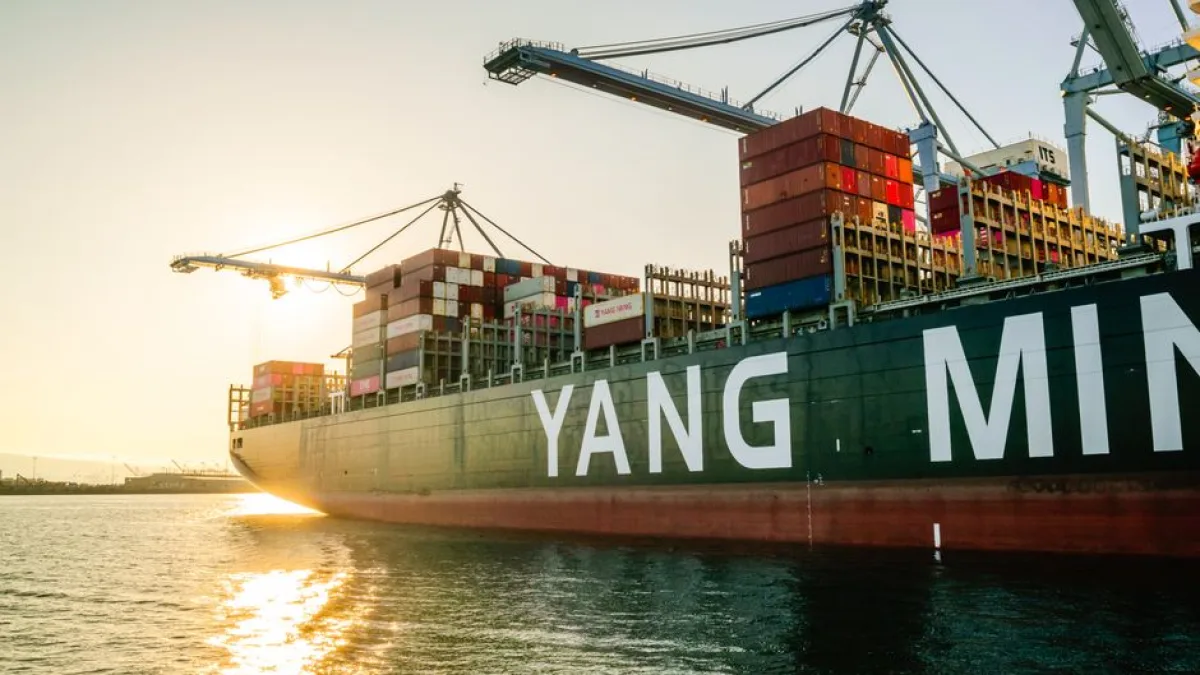
Success in the ocean freight industry requires a combination of technology and strategic oversight. By digitizing workflows and leveraging real-time data, freight forwarders can overcome traditional industry challenges while delivering superior value to their customers. Start your journey toward modernized logistics by evaluating your current software capabilities today. Contact MakeCargo to learn how our platform streamlines your ocean freight operations and supports your long-term business goals.