Optimizing Ocean Freight Operations for Modern Logistics
Tuesday, September 22 2026
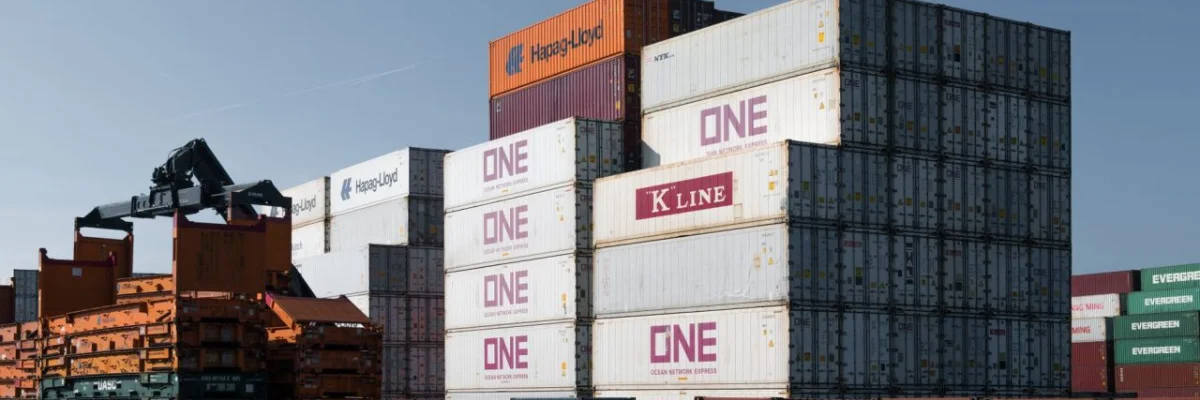
Navigating the complex landscape of global ocean freight requires more than just reliable shipping lanes and competitive rates. As supply chain demands evolve, freight forwarders must embrace digital transformation to maintain efficiency and transparency. Traditional manual processes are increasingly becoming a hurdle to scalability in a market that prioritizes speed and real-time visibility. By leveraging advanced software solutions, logistics professionals can automate documentation, track shipments with precision, and provide superior service to their clients. This article explores essential strategies to refine your ocean freight operations, ensuring your agency remains agile and profitable in a highly competitive international shipping environment today.
Digital Documentation Automation
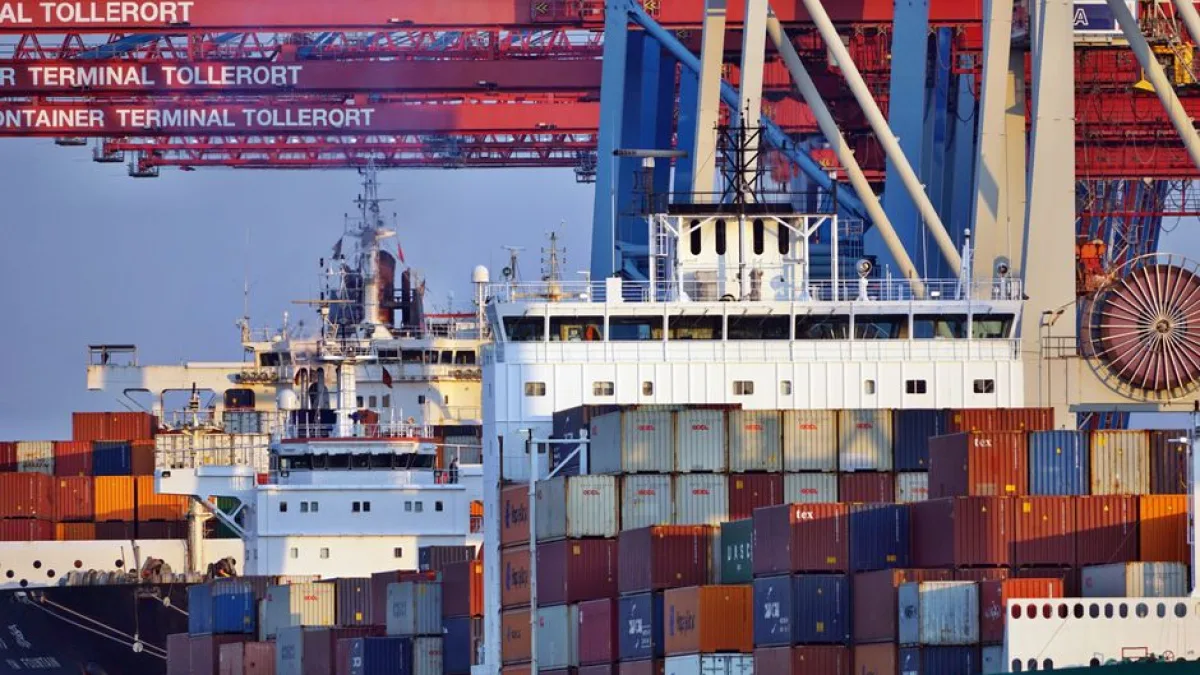
Transitioning from paper-based systems to digital documentation reduces human error and significantly accelerates the speed of your customs clearances. Embracing cloud-based platforms allows teams to collaborate effectively while ensuring all regulatory filings are completed with total accuracy and full compliance.
- Reduce processing time: Automated data entry tools eliminate repetitive manual tasks that consume valuable staff hours while simultaneously decreasing the likelihood of costly data transcription errors during documentation creation.
- Enhance document accuracy: Centralized digital templates ensure that every bill of lading and commercial invoice adheres to international standards, preventing delays caused by incomplete or incorrect shipment information.
- Centralized document storage: Cloud-based repositories provide instant access to historical shipment data, allowing your team to retrieve essential records within seconds rather than digging through physical filing cabinets.
- Streamlined compliance workflows: Integrated software solutions automatically flag missing information required by customs authorities, ensuring your paperwork is always audit-ready and compliant with the latest global trade regulations.
By shifting to automated document management, forwarders gain a significant competitive edge through increased operational speed and reduced administrative overhead. This digital shift not only improves internal productivity but also enhances the overall experience for your shipping clients who demand rapid response times. As global trade continues to digitize, adopting these technologies is no longer an optional luxury but a necessity for sustainable long term business growth.
Real-Time Shipment Visibility
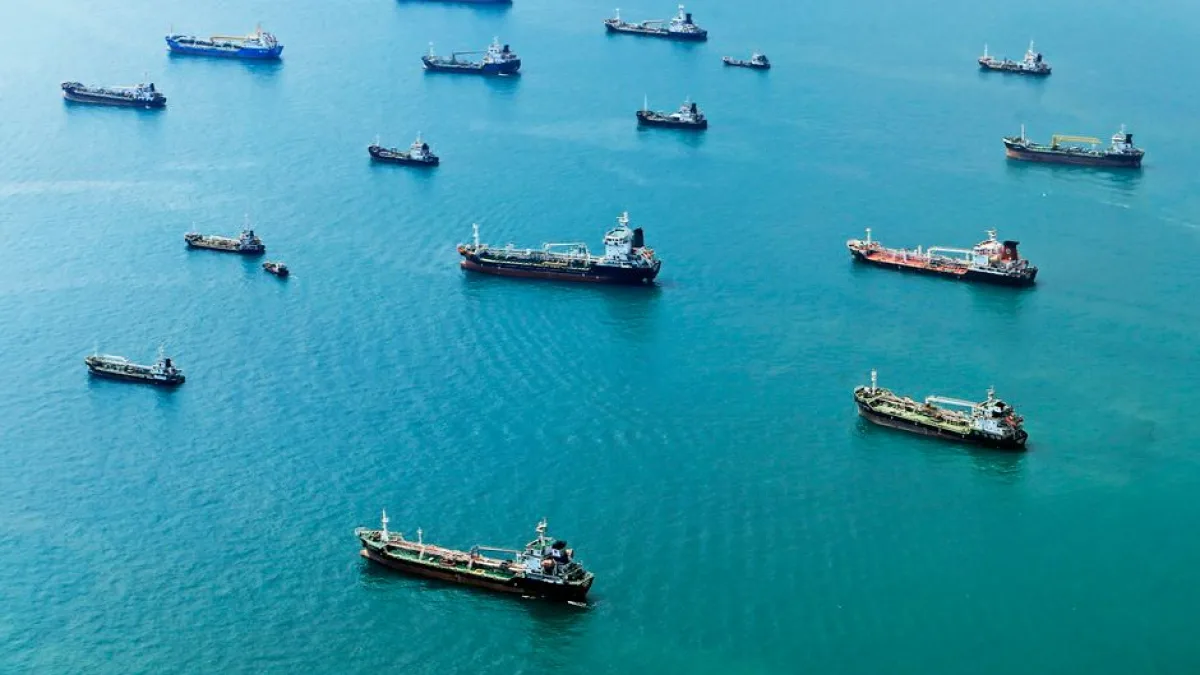
Providing clients with precise tracking data builds trust and improves the overall relationship between forwarders and their shippers. Modern tracking software bridges the gap between carriers and customers by delivering live updates directly to a user-friendly digital dashboard interface.
- Live tracking updates: Real-time integration with carrier APIs provides your team with the most accurate status updates available, keeping clients informed about any potential schedule changes or delays.
- Automated client notifications: Proactive email or text alerts inform shippers about cargo milestones, reducing the volume of inbound inquiries and allowing your staff to focus on exceptions.
- Proactive delay management: Early detection of port congestion or weather disruptions allows your logistics team to reroute cargo before issues escalate into costly supply chain failures.
- Transparent client portals: A self-service dashboard empowers customers to monitor their own shipments around the clock, fostering a sense of control and transparency throughout the journey.
Total shipment visibility transforms how you handle customer expectations by turning potential frustration into a transparent, professional service experience. When clients can see exactly where their freight is, they are more likely to trust your agency with larger volumes. Investing in visibility tools pays for itself by reducing communication overhead and increasing customer retention rates in a crowded global marketplace for freight services.
Strategic Carrier Management
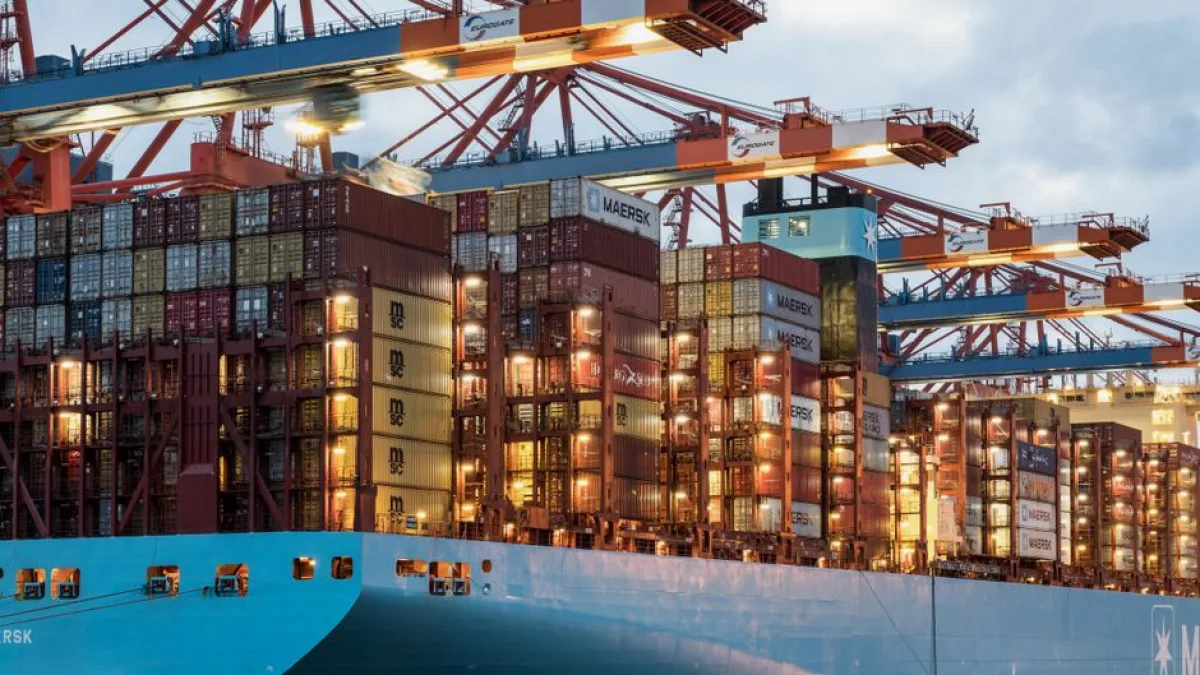
Effective collaboration with shipping lines and NVOCCs is the backbone of a successful ocean freight strategy. Building strong alliances allows for better space allocation and consistent rate negotiation, especially during periods of high market volatility and container shortages.
- Optimized rate negotiation: Access to centralized historical data helps you compare carrier performance and pricing trends, providing leverage during contract negotiations to secure the best market rates.
- Dynamic space allocation: Maintaining strong relationships with ocean carriers ensures your shipments get priority booking even when global port congestion reduces available container slots for others.
- Carrier performance analysis: Tracking the consistency of different lines enables you to make informed decisions about which partners provide the best value and reliability for clients.
- Diverse carrier partnerships: Diversifying your portfolio of shipping lines acts as a buffer against regional disruptions, ensuring your supply chain remains resilient even during unexpected global events.
Strategic carrier management moves beyond simple transactional relationships toward mutually beneficial partnerships that sustain your business. By monitoring the performance of each carrier and keeping your options open, you ensure that your shipping services remain resilient. This disciplined approach to vendor management safeguards your operations against sudden market changes while keeping your pricing structure attractive to your diverse range of shipping customers.
Advanced Financial Analytics

Monitoring your financial health through advanced analytics is essential for identifying which trade lanes are the most profitable. Understanding your cost structure allows for more accurate quoting and improved margin management across your entire ocean freight service offering.
- Detailed cost analysis: Break down every expense associated with each shipment, including bunker fuel surcharges and port fees, to ensure your pricing strategies accurately reflect real costs.
- Real-time margin visibility: Monitor profit margins on individual shipments as they move through the lifecycle, allowing for immediate course correction if costs exceed your initial projections.
- Automated billing workflows: Linking financial modules to shipment files prevents billing errors and ensures that all charges are captured and invoiced to customers without any delays.
- Data-driven forecasting: Analyze long-term volume trends to predict seasonal surges, allowing your agency to plan staffing and financial reserves more effectively to handle peak season demand.
Financial clarity provides the foundation for making bold business decisions that drive growth. When you possess the ability to track every dollar, you can optimize your pricing strategy to remain competitive while maximizing profit margins on your key trade routes. Advanced analytics turn raw data into actionable insights, enabling your team to refine their focus toward the most lucrative areas of the business.
Conclusion
Success in modern ocean freight requires a combination of robust technology and strategic operational planning. By automating your documentation, prioritizing shipment visibility, and refining your financial analysis, you position your agency for long-term growth. Implementing these improvements ensures that you not only survive but thrive in the face of shifting global demands. Start digitizing your freight operations today to secure a more profitable and efficient future.