Optimizing Ocean Freight Operations in a Digital Era
Wednesday, September 23 2026
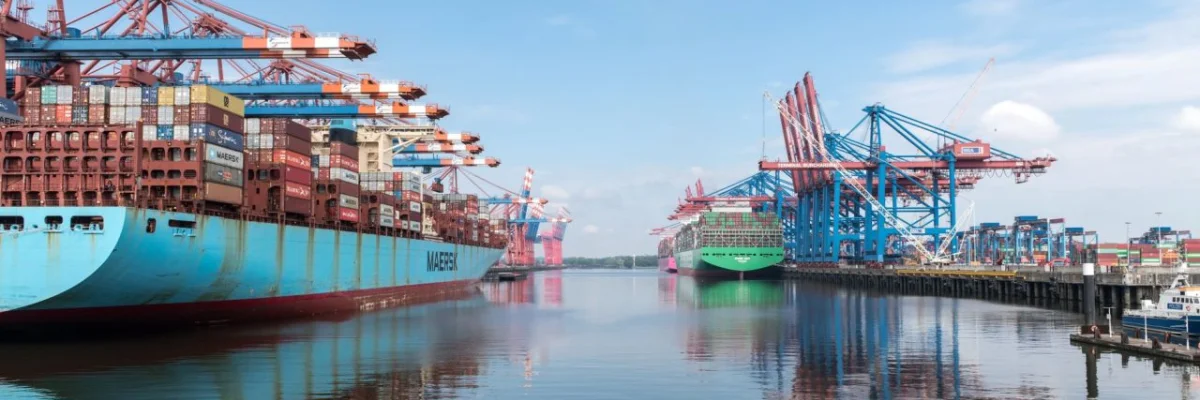
The global ocean freight industry is undergoing a profound transformation driven by rapid technological advancements and shifting trade requirements. For modern freight forwarders, the complexity of managing vessel schedules, container tracking, and fluctuating port congestion demands a more sophisticated approach than traditional manual methods. By adopting cloud-based platforms, logistics professionals can enhance transparency across their supply chains, reduce administrative overhead, and provide clients with real-time updates. This transition is no longer merely a competitive advantage but a necessity for surviving in a market where efficiency and data-driven decision-making define the difference between success and falling behind international standards.
Modernizing Documentation Processes
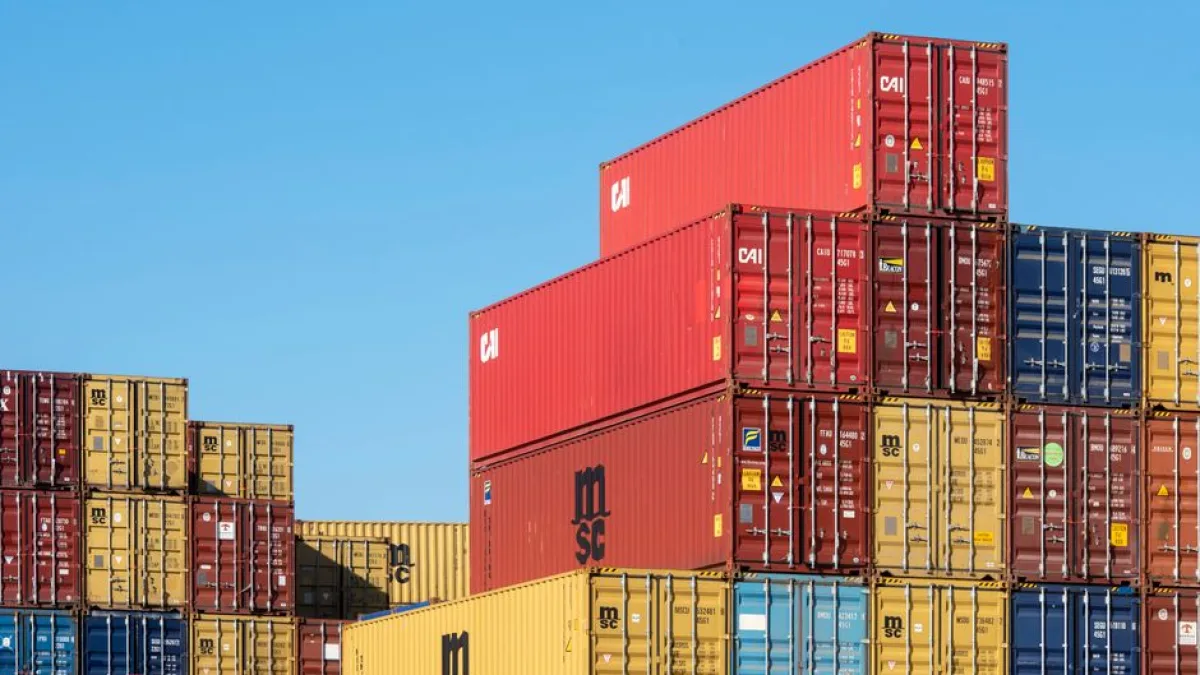
Streamlining the flow of documents is essential for maintaining momentum in shipping operations. Digitizing bills of lading and commercial invoices reduces the risk of human error while significantly accelerating the customs clearance process for time-sensitive cargo shipments across the globe.
- Electronic Data Capture: Automated extraction tools scan physical manifests and convert them into digital formats, minimizing manual entry errors and allowing staff to focus on high-value logistical tasks instead of paperwork.
- Integrated Cloud Storage: Centralized document management systems ensure that all stakeholders have secure, instant access to critical shipping files, fostering better collaboration between carriers, agents, and beneficial cargo owners globally.
- Automated Workflow Triggers: Smart systems initiate document approvals or notifications automatically, ensuring that no bottleneck delays the movement of goods through ports or transitions between different transport modes during transit.
- Compliance Monitoring Tools: Built-in validation checks flag missing or incorrect data points immediately, ensuring that every shipment meets complex international maritime regulations before it even arrives at the loading port.
Adopting these digital document solutions transforms how teams interact with critical information daily. By removing the dependency on paper-based systems, forwarders can reclaim lost hours and significantly improve their operational throughput. This shift not only creates a more organized working environment but also provides the reliability that modern global customers expect from their chosen logistics partners in a highly fast-paced maritime environment.
Real-time Cargo Tracking
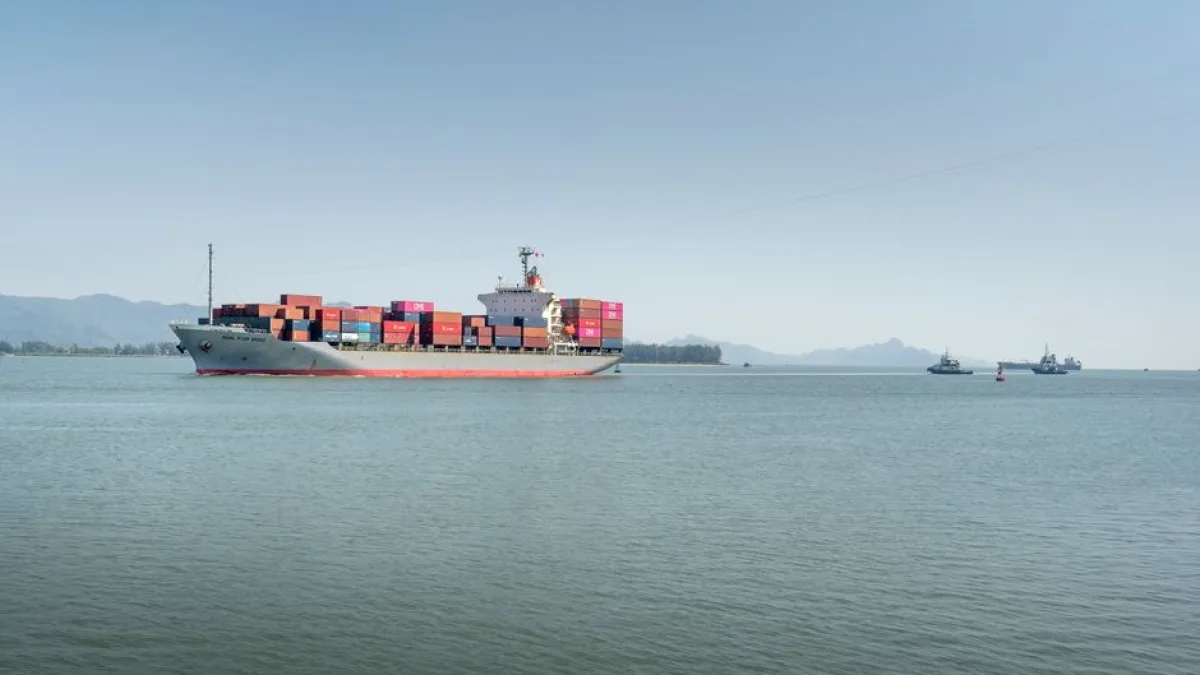
Visibility is the primary currency of the current freight forwarding landscape. Providing clients with live status updates regarding their container locations allows for better inventory management and proactive problem-solving when unforeseen delays occur during long-haul maritime vessel voyages.
- Live Vessel Feeds: Integration with satellite tracking systems provides up-to-the-minute coordinates for all active shipments, giving operations teams the clarity they need to manage client expectations during potential ocean disruptions.
- Milestone Event Alerts: Automated systems notify stakeholders the moment a container hits a key waypoint, such as port arrival or terminal discharge, allowing for immediate coordination of final-mile delivery trucks.
- Predictive Delay Analytics: Advanced algorithms analyze historical weather and port congestion data to forecast potential delays, enabling forwarders to offer proactive routing alternatives before critical scheduling issues actually manifest themselves.
- Client Portal Integration: Providing secure self-service dashboards allows shippers to monitor their cargo status independently, which reduces the volume of status inquiries handled by your customer service department every week.
Empowering clients with direct access to tracking data builds trust and reinforces your reputation as a transparent service provider. As global supply chains remain unpredictable, the ability to pinpoint the location of goods at any moment is a powerful tool. Leveraging these technologies keeps your team one step ahead of challenges, ensuring smoother operations despite the inherent volatility found in modern international ocean shipping.
Efficient Capacity Management
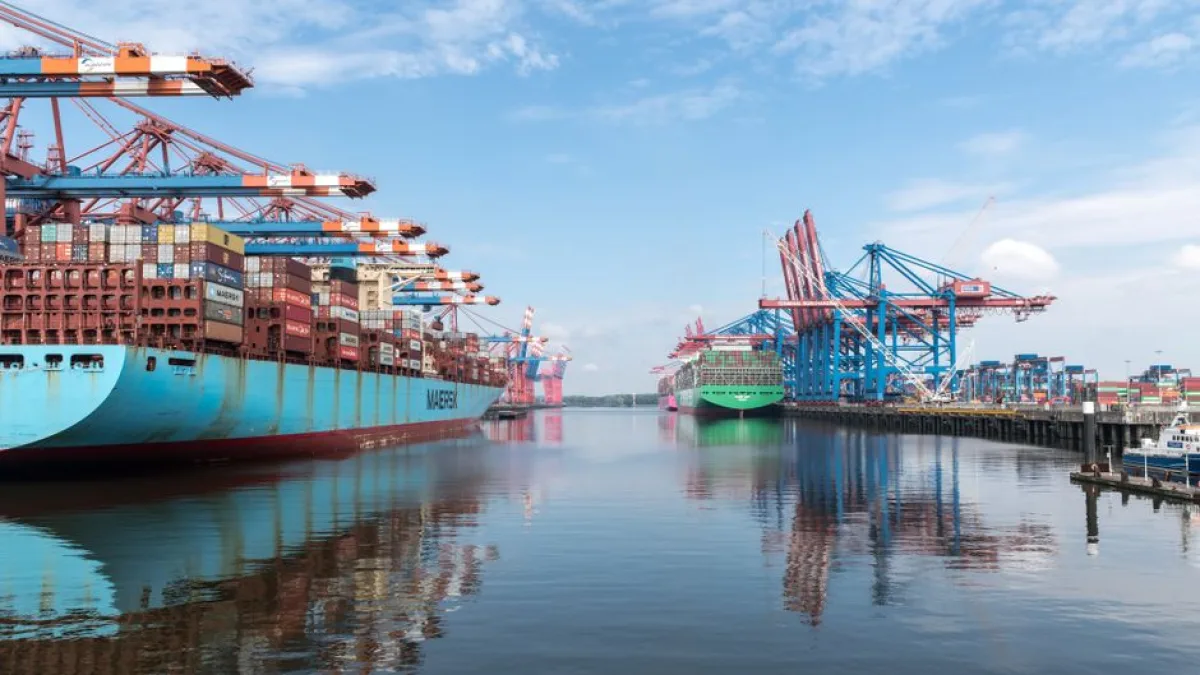
Managing capacity effectively is vital to maintaining healthy profit margins. Forwarders who utilize smart software to track available space and demand cycles can better optimize their bookings, ensuring that they maximize vessel load factors while keeping operational costs low.
- Dynamic Space Allocation: Intelligent planning tools allow for the strategic allocation of container slots, ensuring that you optimize vessel utilization rates and avoid expensive penalties associated with unused pre-booked space.
- Carrier Performance Tracking: Monitoring the reliability of various shipping lines allows for data-driven decisions when selecting partners, ensuring you choose the most consistent carriers for high-priority client shipments daily.
- Multi-leg Routing Optimization: Advanced software evaluates multiple port combinations to identify the most cost-effective and time-efficient routes, helping to keep total landed costs competitive for your loyal customer base throughout.
- Integrated Rate Management: Centralized rate databases allow teams to compare spot and contract pricing in seconds, ensuring that you always select the best possible financial terms for every shipment.
Effective management of capacity requires a delicate balance between cost and speed. By utilizing integrated software tools, your operations team can make informed decisions that benefit both the bottom line and the client experience. These improvements translate into more consistent service delivery, allowing your business to scale operations without sacrificing the quality of your logistics output or the profitability of your individual shipments.
Sustainable Logistics Practices
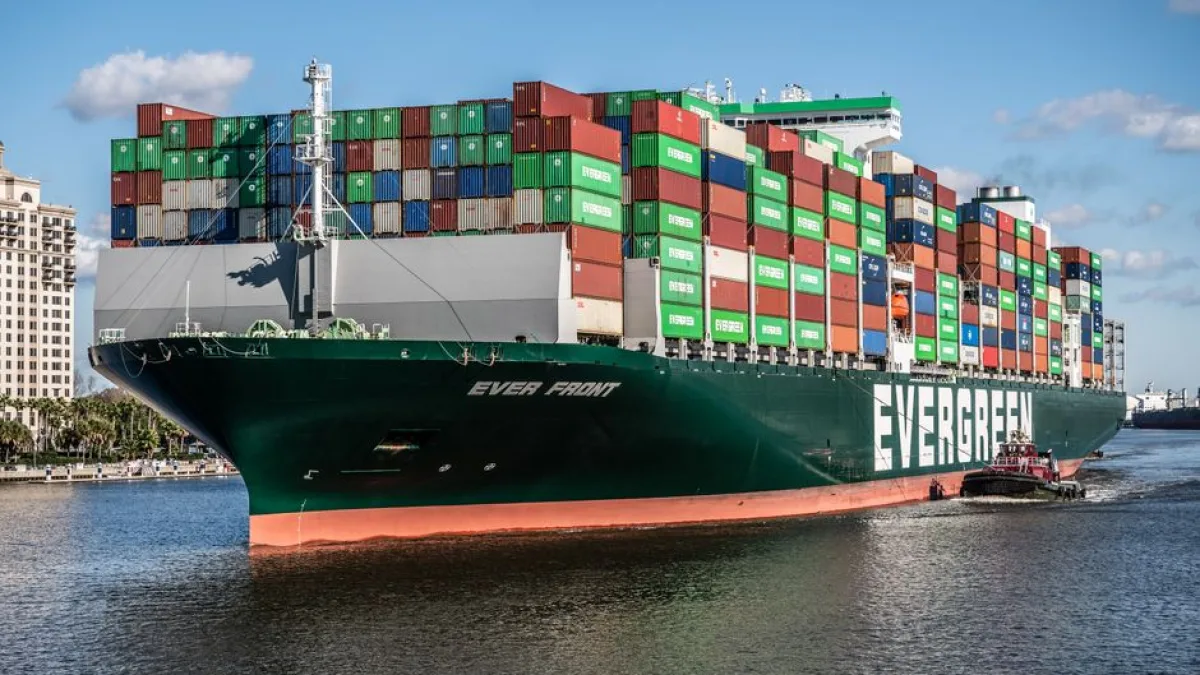
Sustainability is increasingly important for shippers who want to lower their environmental impact. Modern freight software provides the data needed to track carbon emissions, helping forwarders offer greener solutions to clients who are prioritizing ESG goals in their own supply chains.
- Carbon Emission Calculation: Integrated tools automatically generate reports based on fuel consumption and transit distance, allowing clients to see the precise environmental footprint associated with their specific cargo movements globally.
- Eco-friendly Routing Options: Algorithms can prioritize routes that minimize total distance or leverage slower, more fuel-efficient vessel speeds, which helps reduce the overall carbon intensity of your customers' maritime logistics operations.
- Consolidation Efficiency Gains: Smart load planning helps maximize container density, effectively reducing the number of total shipments required to move the same volume of goods across the vast international oceans.
- Regulatory Reporting Compliance: Automated dashboards simplify the gathering of environmental data required for mandatory sustainability reporting, ensuring your firm stays compliant with shifting international standards regarding green logistics practices today.
Prioritizing sustainable logistics is a strategic move that attracts forward-thinking customers and future-proofs your business operations. As global regulations tighten, the ability to accurately measure and report on environmental impact will become a core competitive requirement for all freight forwarders. Integrating these features into your daily workflow demonstrates a clear commitment to environmental stewardship while providing measurable value to your clients worldwide.
Conclusion
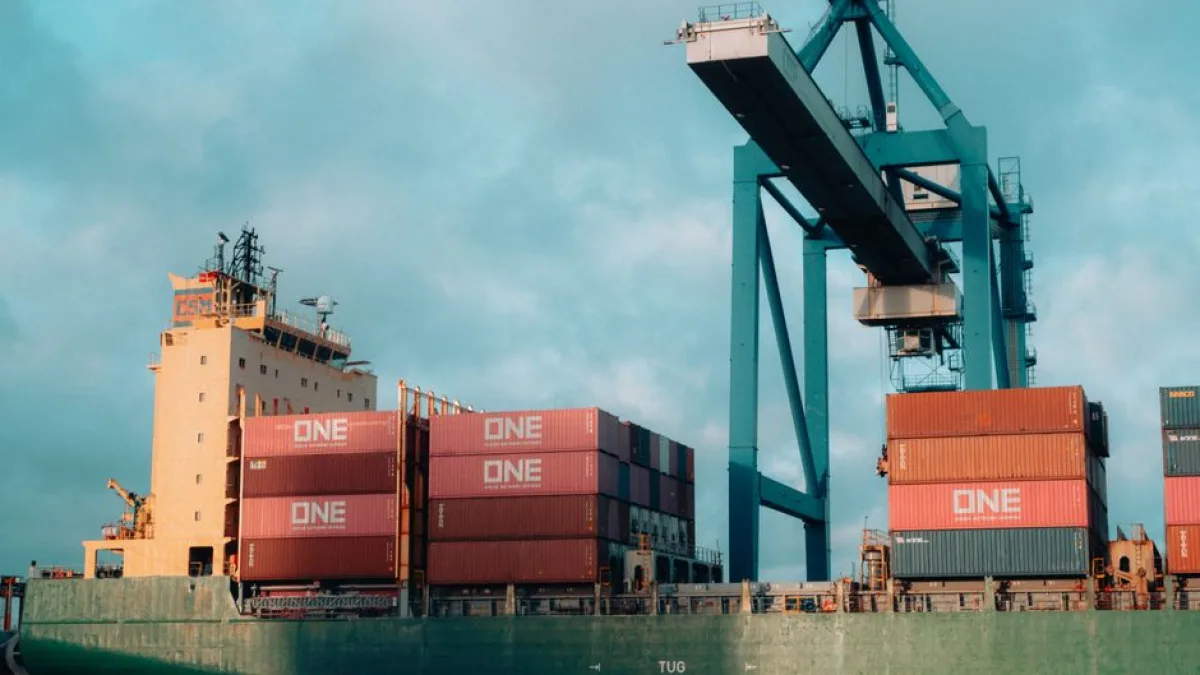
Success in modern ocean freight requires a combination of technology, strategy, and constant adaptation. By implementing digital document systems, enhancing tracking visibility, optimizing capacity, and promoting sustainable practices, your firm can navigate the complexities of global trade with confidence. Utilize the right software tools to modernize your processes today, and ensure your logistics business remains competitive in an evolving, high-stakes maritime industry.