Optimizing Ocean Freight Operations in the Modern Logistics Era
Friday, September 25 2026
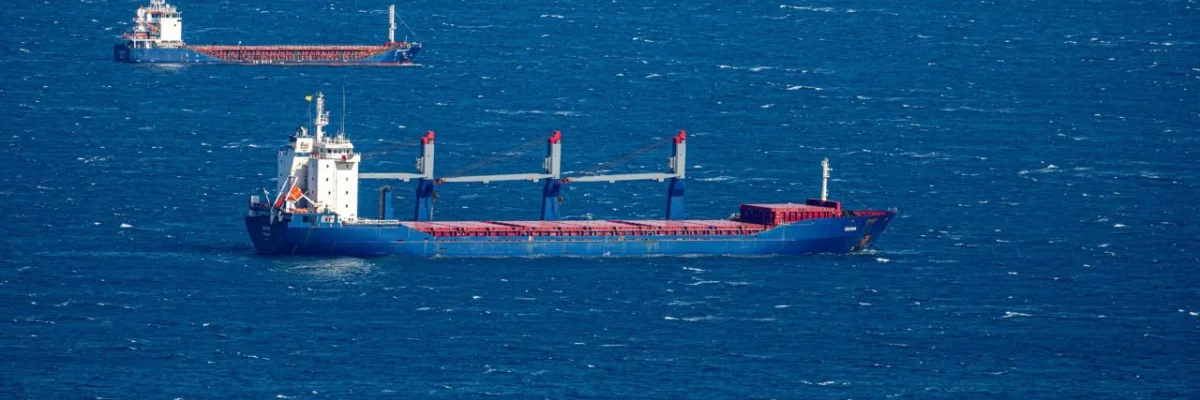
Navigating the complex landscape of global ocean freight requires more than just traditional shipping expertise. As market volatility, port congestion, and shifting regulatory demands become the new standard, freight forwarders must leverage robust digital infrastructure to maintain a competitive edge. Transitioning from manual, spreadsheet-based processes to integrated cloud platforms is no longer a luxury but a strategic imperative. By centralizing documentation, automating real-time tracking, and enhancing collaborative workflows, forwarders can significantly reduce administrative overhead while delivering superior transparency to clients. This evolution in operational strategy is the key to thriving within the interconnected and fast-paced international supply chain environment.
Digital Documentation Automation
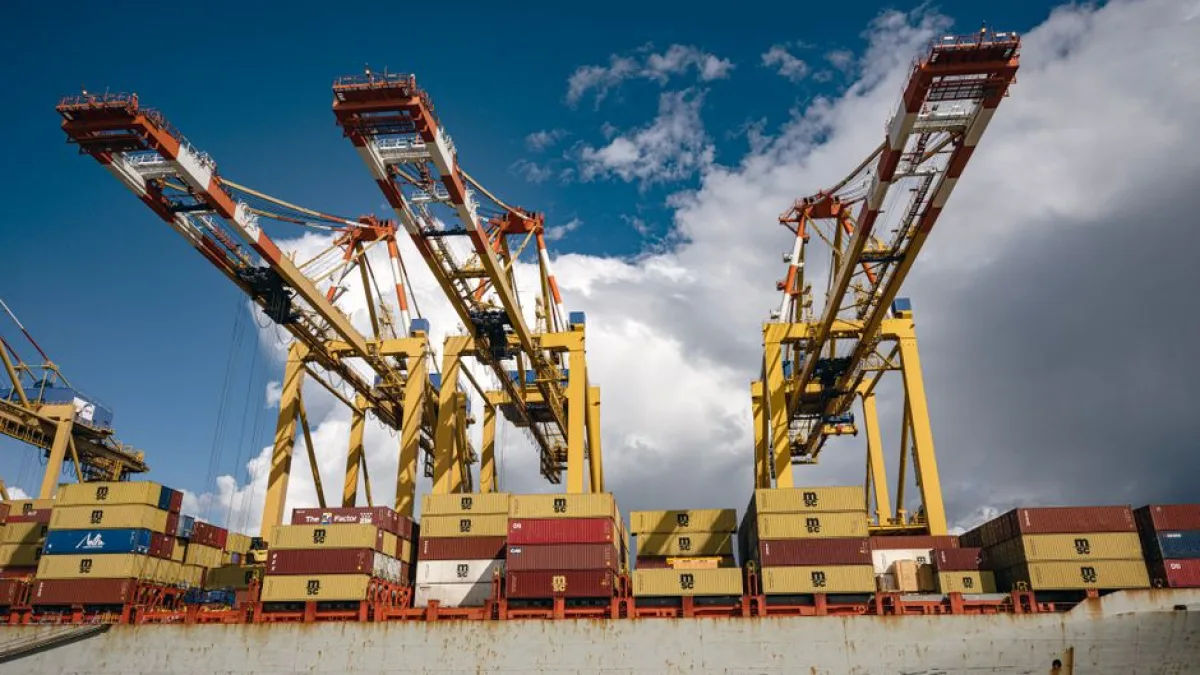
Modernizing your documentation process is the first step toward achieving operational excellence. By utilizing cloud-based software, forwarders can convert manual data entry tasks into automated workflows, effectively reducing human error and accelerating the entire bill of lading issuance process.
- Data accuracy boost: Automated document processing minimizes manual input errors, ensuring that shipping instructions and customs declarations are precise, compliant, and transmitted to carriers without unnecessary and costly delays.
- Workflow speed improvement: Integrating smart document systems allows teams to generate, review, and finalize shipping documents in minutes rather than hours, dramatically shortening the turnaround time for every shipment.
- Cloud document storage: Centralizing all documents in a secure cloud repository enables instant access for authorized team members, eliminating the need to search through disorganized email threads or paper archives.
- Regulatory compliance tracking: Built-in features ensure that every document meets current international trade regulations, providing automated updates whenever local customs or global maritime laws undergo significant changes or adjustments.
Adopting automated documentation practices transforms the way your team handles the heavy administrative burdens of ocean freight. By shifting from legacy systems to a unified digital environment, you allow your logistics experts to focus on high-value tasks rather than repetitive data entry. This transition not only increases your overall processing capacity but also builds a foundation for long-term scalability in a demanding global market.
Real-time Shipment Visibility
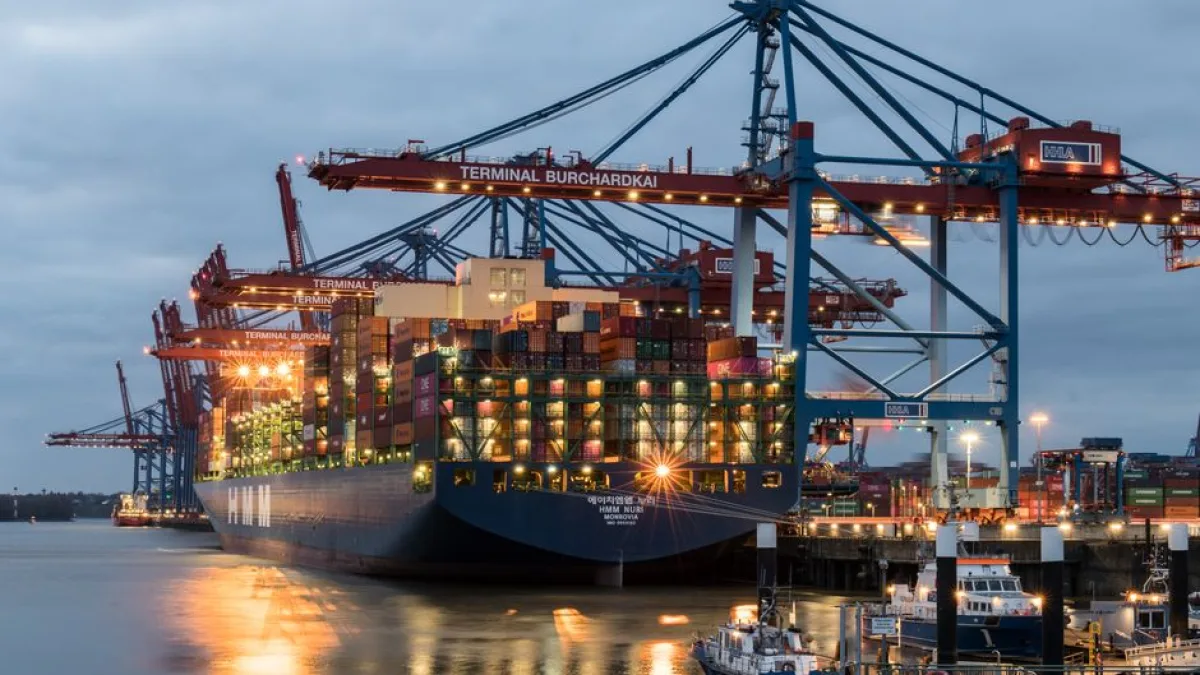
Visibility serves as the backbone of customer satisfaction in modern ocean freight. Providing clients with live updates regarding container status and vessel location prevents communication bottlenecks and establishes a new level of trust through transparent, data-driven logistical reporting capabilities.
- Live vessel tracking: Advanced digital platforms integrate directly with carrier APIs to provide real-time location data for vessels, allowing forwarders to anticipate arrivals and manage scheduling proactively for clients.
- Exception management alerts: Automated notification systems alert teams to potential delays or port congestion events immediately, enabling forwarders to offer alternative routing solutions before problems escalate into issues.
- Customer portal access: Providing clients with a personalized, secure portal allows them to view status updates and documents independently, reducing the volume of inbound status check requests.
- Predictive arrival estimates: Machine learning algorithms analyze historical port performance data to offer more accurate arrival predictions, helping your clients manage their warehouse inventory and inland transport planning.
Achieving total shipment visibility requires a commitment to technological integration and data accuracy across your entire network. When you move beyond simple status updates to providing predictive insights, you become an essential partner in your clients supply chain strategy. This proactive approach to communication reduces stress for all stakeholders and positions your firm as a leader in reliable and transparent ocean logistics.
Carrier Capacity Management

Balancing carrier allocations against shifting demand is a critical skill for any successful forwarder. With the right software, you can visualize available space and negotiate contracts more effectively, ensuring that your clients have consistent access to containers even during peak seasons.
- Capacity utilization tracking: Monitor your block space agreements and carrier performance metrics closely to ensure you are maximizing available allocations and minimizing the risks associated with rolled cargo shipments.
- Carrier performance analysis: Detailed reporting tools track reliability and service quality across different shipping lines, helping you make informed decisions when selecting partners for complex trade lanes.
- Strategic load planning: Software solutions assist in optimizing container load factors, ensuring that space is utilized efficiently to keep costs competitive while maintaining service levels for your demanding customers.
- Dynamic route optimization: By evaluating various shipping routes based on cost and transit time, your team can pivot quickly when sudden market changes or service disruptions impact standard lanes.
Managing carrier relationships effectively depends on your ability to leverage data for smarter decision-making. When you clearly understand your capacity commitments and performance history, you gain leverage during rate negotiations and service discussions. By maintaining a balance between cost-efficiency and operational reliability, you ensure that your business remains resilient against the inevitable fluctuations of the global maritime freight market and seasonal demand.
Financial Operational Efficiency

Streamlining financial operations is essential for maintaining healthy profit margins in the competitive ocean freight sector. Cloud platforms offer automated invoicing and expense tracking, allowing your team to maintain strict control over cash flow and billing accuracy throughout the process.
- Automated billing cycles: Systems automatically generate invoices based on real-time shipment data, ensuring that charges for freight, detention, and demurrage are accurate and billed to the client without delays.
- Expense tracking control: Detailed reporting tools allow for the granular tracking of vendor costs, helping you identify spending trends and opportunities for cost reduction within your operational network.
- Profitability margin insights: Real-time dashboards provide instant visibility into the profitability of specific shipments or clients, enabling managers to adjust pricing strategies based on actual historical cost performance.
- Streamlined accounting integration: Direct connections to standard accounting software eliminate the need for double entry, ensuring that financial records remain consistent and audit-ready at all times.
Managing the financial health of your freight forwarding business requires precision and deep visibility into every transaction. By automating the billing and cost management process, you reduce the time spent on administrative accounting and eliminate errors that often lead to disputes. A financially transparent operation not only improves your cash flow but also strengthens your relationships with clients who value accuracy and predictability.
Conclusion

Success in the ocean freight industry stems from your ability to modernize operations through integrated technology. By embracing automation for documentation, visibility, and financial management, you position your firm to thrive amidst global challenges. Start evaluating your digital tools today to build a more resilient and efficient future for your logistics business. Your commitment to innovation today will secure your competitive advantage tomorrow.