Optimizing Ocean Freight Operations in a Digital Era
Friday, September 25 2026

Navigating the complexities of modern ocean freight requires a blend of strategic foresight and robust technological infrastructure. As global supply chains face increasing pressure from geopolitical instability and fluctuating consumer demand, freight forwarders must shift away from manual processes toward integrated digital ecosystems. By leveraging cloud-based platforms, logistics providers can gain real-time visibility, enhance collaboration across international borders, and drive operational efficiency. This article explores how adopting smarter workflows transforms the traditional shipping experience into a competitive advantage, ensuring that your organization remains resilient, transparent, and highly responsive in an ever-evolving maritime landscape that demands precision at every single stage.
Modernizing Port Operations
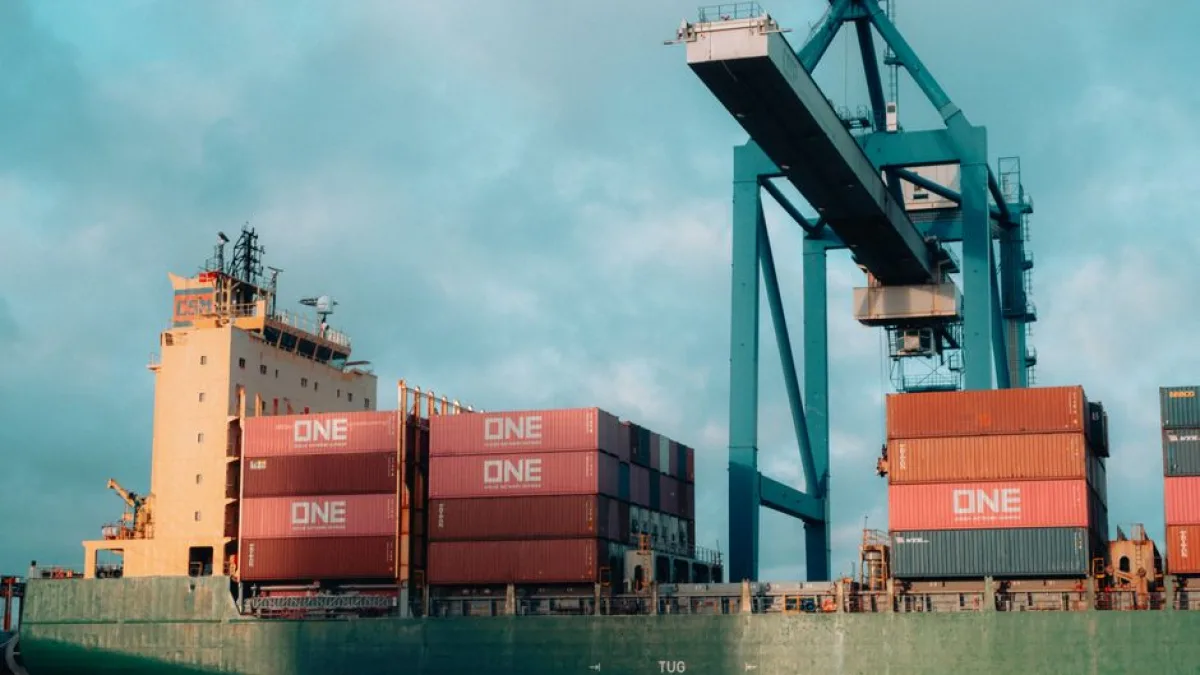
Port terminals serve as the heartbeat of global maritime trade where efficiency determines the velocity of your entire supply chain. Managing these massive hubs requires digital precision to ensure that containers move seamlessly from vessel to inland transport without unnecessary delays.
- Advanced terminal tracking: Real-time data integration allows forwarders to monitor container status at major ports globally, reducing dwell times through proactive communication with terminal operators and drayage partners for efficiency.
- Digital documentation flow: Replacing paper-based manifests with electronic data interchange systems minimizes human error, speeds up customs processing, and ensures that sensitive cargo information remains accurate and accessible at all times.
- Equipment availability monitoring: Digital tools provide instant insights into chassis and container availability, allowing teams to secure necessary hardware quickly before bottlenecks occur during peak season periods for global shipping.
- Automated gate notifications: Receive instant alerts when your cargo clears terminal gates, enabling immediate dispatch planning that prevents costly storage fees and keeps your inland logistics operations running smoothly.
By digitizing terminal interactions, forwarders eliminate the reliance on manual status checks that historically stalled cargo movement. Automated workflows replace fragmented communication channels, providing a single source of truth for all stakeholders involved in the port cycle. When logistics professionals adopt these advanced tools, they reduce overhead costs and provide clients with reliable timelines that foster long-term partnerships built on consistent, data-backed operational excellence.
Streamlining Documentation Workflow
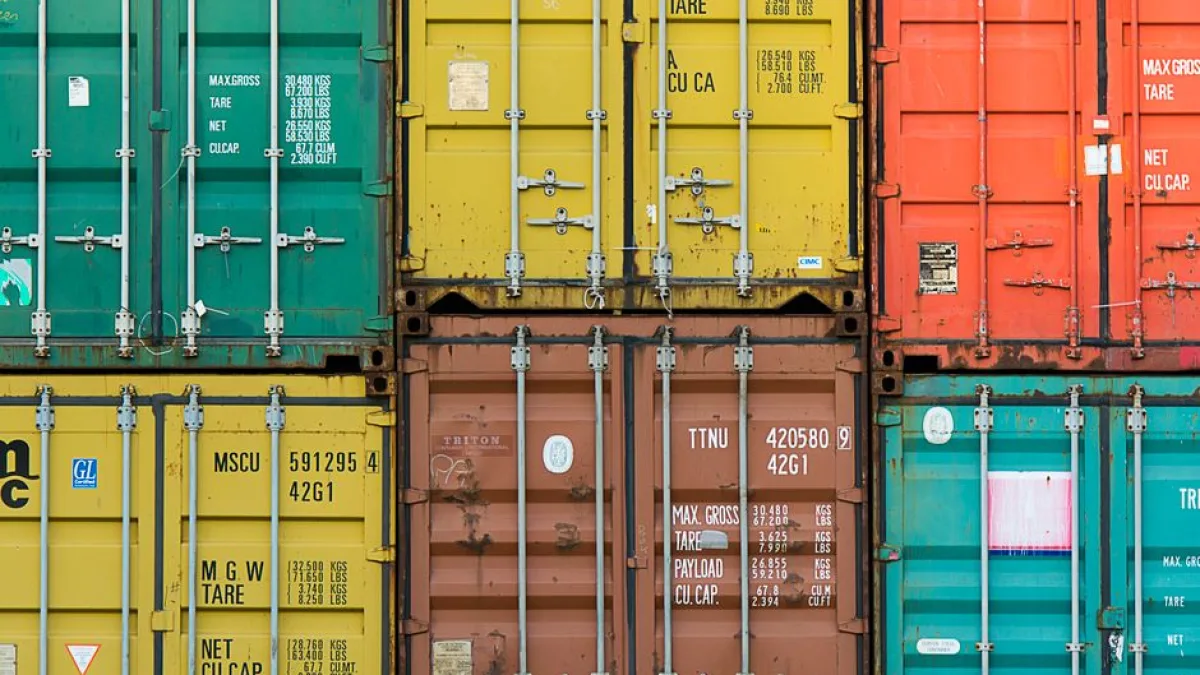
Handling complex shipping documentation remains a primary source of administrative friction for many logistics firms today. Reducing the time spent on manual data entry allows your team to focus on high-value tasks while ensuring compliance with international maritime regulations.
- Centralized document repository: Cloud-based storage solutions keep bills of lading, invoices, and certificates of origin in a secure location, ensuring that your team can access vital records from any location.
- Smart template automation: Generate standard shipping documents instantly by pulling data from your existing freight management system, which eliminates repetitive typing and significantly reduces the risk of costly typos.
- Digital signature integration: Securely collect and store electronic signatures on necessary documents, drastically shortening the approval cycle for shipments and accelerating the overall release process at destination ports globally.
- Automated compliance checks: Intelligent software scans your shipping documentation for common errors or regulatory gaps before submission, preventing customs holds and helping you maintain a high level of compliance.
Efficient document management is the backbone of any successful freight forwarding operation that aims to scale effectively. When you automate the generation and validation of shipping records, you create a seamless flow of information that connects shippers, carriers, and customs brokers. This systematic approach reduces friction and ensures that your business stays compliant while delivering faster outcomes for your diverse global client base.
Enhancing Real-time Visibility
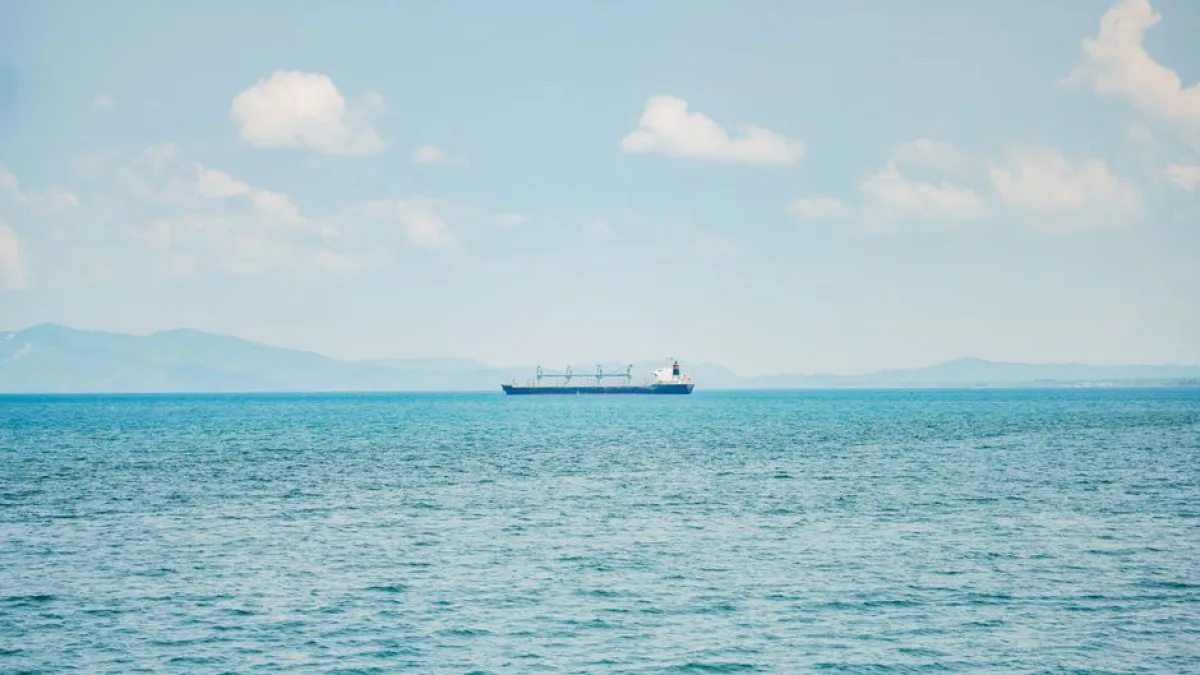
True visibility in ocean freight extends far beyond simple location tracking of vessels crossing the ocean. It involves understanding the entire lifecycle of a container, from the initial booking request to the final delivery at the destination warehouse door.
- End-to-end cargo tracking: Monitor your shipments from port of origin to final destination with granular updates that provide peace of mind for both your operations team and customers.
- Predictive delay alerts: Utilize machine learning algorithms to identify potential schedule deviations early, giving you sufficient time to notify clients or adjust routing strategies to avoid major disruptions.
- Live container status: Access real-time updates regarding vessel positions and port congestion, allowing for smarter decision-making when selecting carriers or planning your inland drayage schedules for cargo.
- Interactive client portals: Provide your customers with private access to their shipment data, reducing the need for manual status update requests and improving overall satisfaction with your service.
Transparency has become the primary metric by which modern shippers measure the quality of their freight forwarders. By implementing live tracking technologies, you empower your customers with the information they need to manage their inventory cycles effectively. This level of openness builds deep trust, distinguishes your brand in a crowded marketplace, and justifies your service value during contract negotiations for future logistics business.
Managing Carrier Relationships

Strong partnerships with ocean carriers provide the foundation for consistent service delivery during volatile market cycles. Managing these relationships effectively requires a data-driven approach that aligns your booking volumes with carrier capacities and service agreements for better results.
- Carrier performance analytics: Track on-time arrivals and equipment availability across your preferred carriers, using this data to drive productive conversations about service improvements and future lane pricing negotiations.
- Streamlined booking requests: Use integrated software to send electronic booking requests directly to your carriers, eliminating the need for email chains and reducing the time spent securing space.
- Contract management tools: Maintain a digital database of your carrier agreements and freight rates, ensuring your team always uses the most accurate pricing during the spot quote process.
- Collaborative communication logs: Keep a permanent record of all interactions and negotiations with carrier representatives, which helps maintain continuity even when team members move between different internal roles.
Strategic carrier management ensures that you receive preferential treatment and space allocation even when capacity is tight. By centralizing your interactions and performance metrics, you transition from being a simple customer to a valued partner. This collaborative dynamic allows you to navigate capacity shortages with greater agility, ensuring that your client shipments remain on schedule even when the global market faces significant disruption.
Conclusion

Transforming your ocean freight operations is essential for staying competitive in today's rapid logistics environment. By embracing digital integration, documentation automation, and real-time visibility, you position your firm to handle future industry challenges with confidence and efficiency. Start your journey toward a more streamlined business model by auditing your current workflows today and contact the MakeCargo team to see our software in action.