Optimizing Ocean Freight Operations in a Digital Era
Saturday, September 26 2026
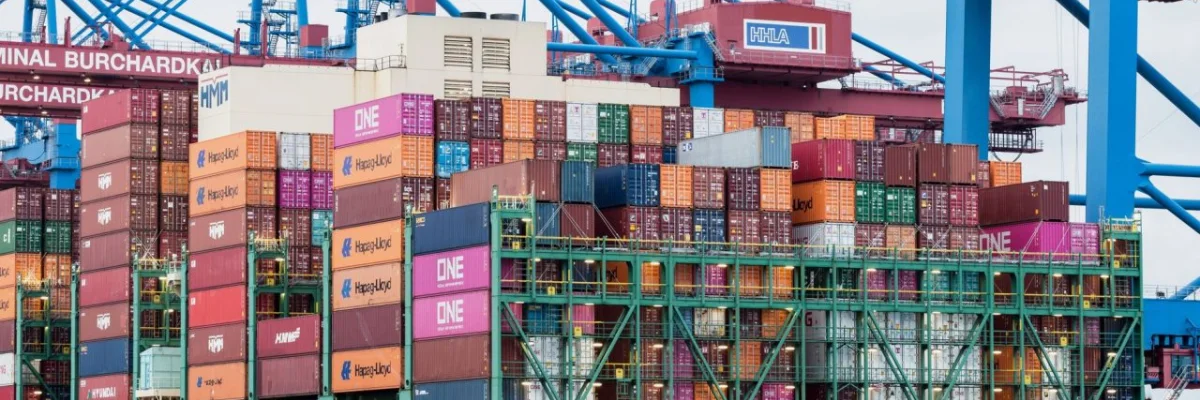
The global ocean freight industry stands at a critical juncture where manual processes no longer suffice to maintain a competitive edge. Freight forwarders are increasingly managing complex supply chains that demand high visibility, rapid communication, and precise documentation handling. Transitioning to cloud-based platforms allows forwarders to move away from fragmented spreadsheets toward unified data environments that enhance operational efficiency. By leveraging modern technology, logistics providers can automate repetitive tasks, reduce human error, and focus on delivering superior value to their customers while navigating the inherent volatility of international trade routes in an interconnected global marketplace.
Streamlining Booking Processes
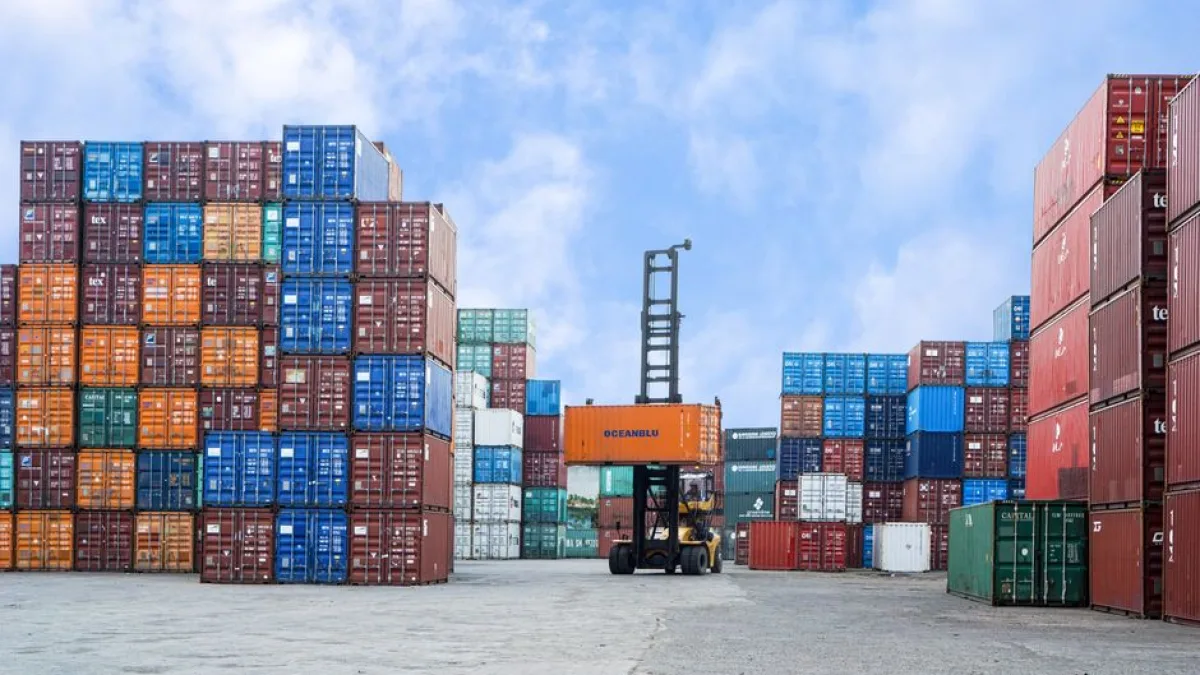
Digital booking portals transform the traditional manual quoting cycle by providing instant access to live rates and space availability. This shift empowers teams to secure capacity quickly while ensuring that all client requirements are captured accurately from the very start of the process.
- Automated Rate Management: Centralizing carrier contracts allows your team to retrieve accurate pricing instantly, preventing costly errors and ensuring that margins remain protected across all international shipping lanes.
- Instant Booking Confirmation: Providing clients with real time booking confirmations improves transparency and trust, significantly reducing the administrative back and forth that often delays critical supply chain milestones.
- Integrated Documentation Workflow: Digital platforms link bookings directly to shipping instructions, ensuring that bills of lading and arrival notices are generated without the need for manual data reentry.
- Vendor Communication Portal: Maintaining all shipping communications within a unified platform prevents information loss and ensures that every stakeholder remains updated on booking changes or potential delays.
By automating the initial booking phase, forwarders can reclaim significant hours previously spent on repetitive data entry. This efficiency enables staff to prioritize high value account management rather than clerical tasks. As shipment volumes grow, these digital tools scale seamlessly, ensuring that service quality remains consistent even during peak season surges or unexpected disruptions that frequently challenge modern ocean freight logistics providers worldwide.
Enhancing Shipment Visibility
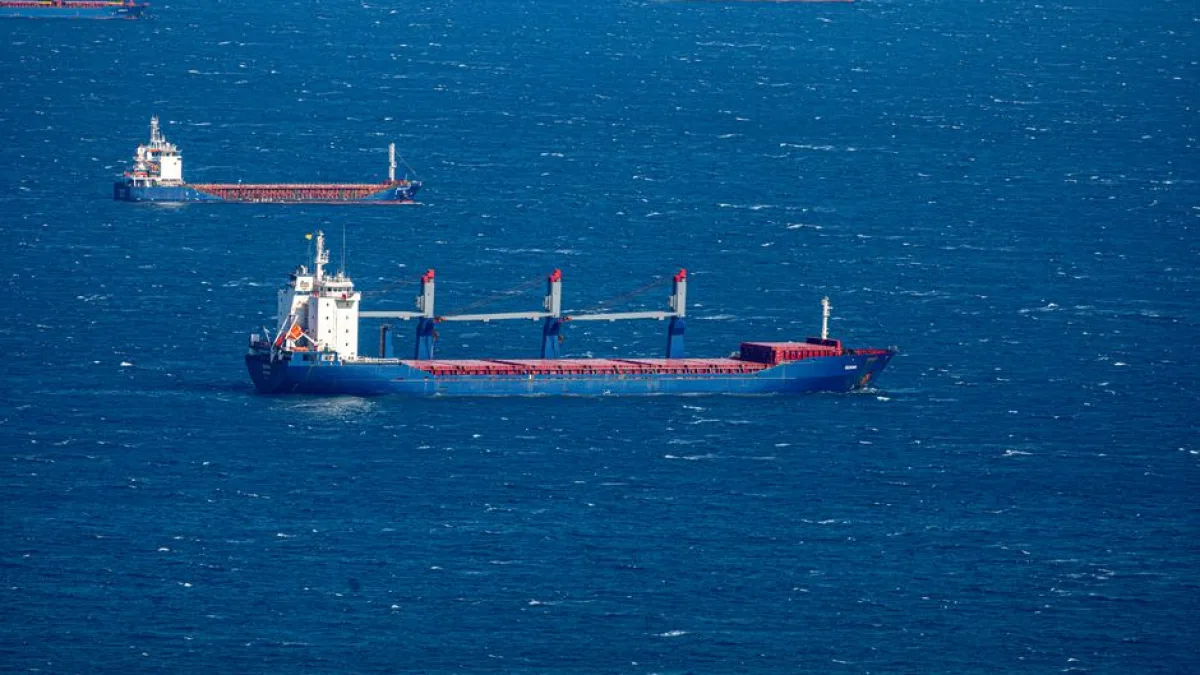
Modern tracking technology offers deep visibility into container status, allowing forwarders to proactively manage exceptions. By integrating with carrier APIs, businesses gain a clearer picture of vessel movements and port congestion, enabling informed decision making that benefits every client.
- Real Time Tracking: Integrating direct carrier feeds provides immediate status updates on vessel locations, which helps forwarders keep their clients informed about potential delivery timeline adjustments.
- Exception Management Alerts: Automated notifications alert operations teams to delays or port congestion events early, allowing for quick mitigation strategies that maintain overall supply chain fluidity.
- Interactive Dashboard Views: Visual dashboards help operations managers quickly assess the health of their active shipments, identifying bottlenecks before they escalate into major service level failures.
- Client Facing Portals: Sharing automated tracking updates through secure portals builds confidence and reduces the volume of status inquiries handled by your busy customer service representatives.
Visibility serves as the backbone of modern freight forwarding, acting as a competitive differentiator in a crowded market. When forwarders can predict delays rather than simply reporting them, they transform from service providers into strategic partners. This proactive approach significantly boosts client retention rates and helps companies build a reputation for reliability in an industry defined by complex, multi-modal global trade.
Managing Compliance Effectively

Navigating the complex landscape of international customs regulations requires precision and speed to avoid costly port fines. Cloud software ensures that all compliance documentation is stored securely and accessible to authorized personnel whenever customs authorities perform their audits.
- Digital Documentation Storage: Centralized storage of commercial invoices and packing lists ensures that all compliance documents are audit ready and easily retrievable during customs clearance procedures.
- Automated Regulatory Updates: Modern software platforms often include automated reminders for changing regional compliance requirements, ensuring that your forwarding team remains fully updated on global regulations.
- Secure Data Encryption: Protecting sensitive shipment data with enterprise grade encryption provides peace of mind for both the freight forwarder and the end importer during transactions.
- Standardized Filing Templates: Using preconfigured templates for common declaration types reduces the risk of filing errors and ensures consistency across all your international logistics operations daily.
Proper compliance management protects your business from significant legal risks and financial penalties. By digitizing documentation, forwarders establish a verifiable paper trail that simplifies internal audits and satisfies external requirements. This investment in digital rigor not only prevents errors but also accelerates the clearance process, allowing cargo to move from port to destination with fewer interruptions and increased operational consistency for clients.
Analyzing Operational Performance

Data driven insights allow logistics leaders to identify trends, measure carrier performance, and adjust strategies for better profitability. By examining key performance indicators within the cloud platform, forwarders can optimize their cost structures and improve long term service quality.
- Carrier Performance Tracking: Analyzing historical data regarding carrier transit times and reliability helps you make smarter routing decisions that prioritize efficiency over the cheapest possible rates.
- Profitability Analytics Tools: Detailed reports on cost of goods sold versus revenue generated per shipment allow you to refine your pricing strategy for better bottom line results.
- Volume Trend Forecasting: Using historical shipping volumes helps your team predict future capacity needs, enabling better negotiations with ocean carriers for long term space allocations.
- Service Level Reporting: Tracking performance metrics against service level agreements ensures that your operations team consistently delivers on promises made to valued long term importing clients.
Data is the most valuable asset for a modern forwarder, turning raw shipment records into actionable business intelligence. Leaders who consistently review these performance reports are better equipped to navigate market fluctuations and shifting carrier alliances. By understanding the core drivers of your operation, you can continuously refine processes, reduce unnecessary waste, and drive sustainable growth in a rapidly evolving global maritime environment.
Conclusion
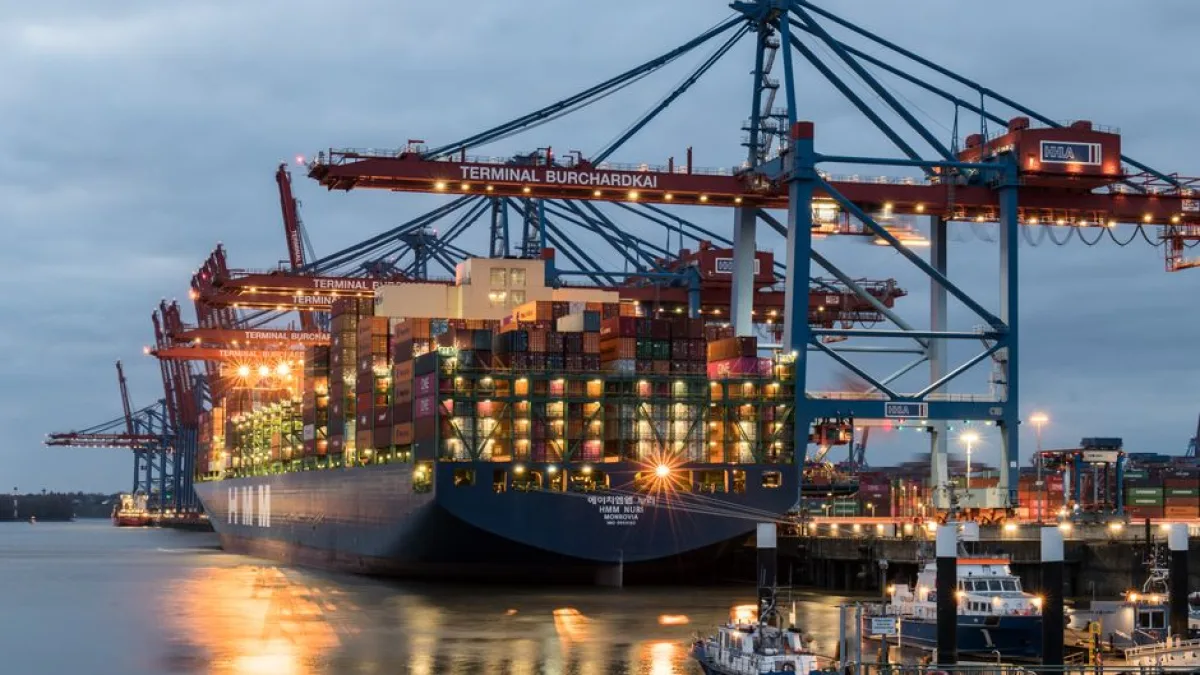
Mastering ocean freight requires the right blend of technology, expertise, and operational agility to thrive. By implementing cloud based platforms, forwarders simplify complex workflows, enhance transparency, and prepare for future industry challenges. Start optimizing your freight operations today by exploring how integrated software solutions can transform your daily processes. Partnering with the right platform ensures your business remains resilient, profitable, and ready for growth.