Optimizing Ocean Freight Operations in a Digital Era
Sunday, September 27 2026

Navigating the complex landscape of global ocean freight requires more than just traditional logistics expertise. As supply chains face increasing volatility and rising customer demands for transparency, freight forwarders must transition from manual processes to integrated digital solutions. Leveraging cloud-based technology allows businesses to consolidate data, automate documentation, and provide real-time tracking visibility that clients now consider standard. By embracing digital transformation, forwarders can significantly reduce operational overhead while enhancing service delivery. This guide explores the essential pillars for modernizing your ocean shipping workflow to remain competitive in an evolving marketplace that favors speed, reliability, and precision.
Streamlining Documentation Workflows

Managing bills of lading and customs declarations requires immense attention to detail and speed. Transitioning to automated document management systems reduces human error, ensuring that paperwork moves as fast as the physical containers, thereby preventing costly bottlenecks at busy maritime ports.
- Automated Data Entry: Implement smart systems that capture information directly from documents to minimize manual typing tasks and reduce the likelihood of costly data errors during the shipping process.
- Centralized Document Storage: Maintain a single source of truth for all shipping records so that your team can access essential paperwork instantly from any location around the globe.
- Secure Cloud Sharing: Share sensitive cargo documentation with customs authorities and clients through encrypted portals to ensure data privacy and maintain compliance with international shipping regulations today.
- Version Control Systems: Track every change made to your shipping documentation to prevent confusion and ensure that your partners are always working with the most current and accurate information.
By shifting away from legacy paper systems, your team gains the ability to focus on high-value strategic tasks instead of administrative grunt work. Automation handles the repetitive aspects of processing shipping instructions and invoices, allowing your staff to manage exceptions rather than routine data entry. This transformation builds a foundation for faster service cycles and happier clients who appreciate the newfound efficiency in your operations.
Achieving Real-Time Cargo Visibility
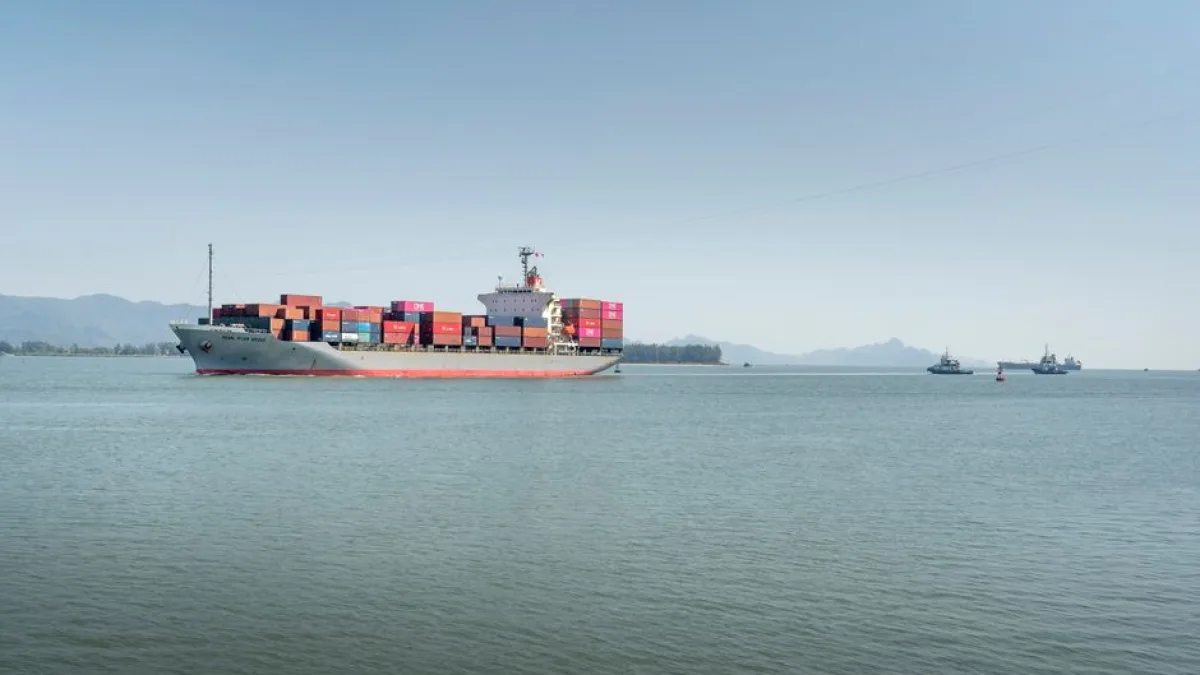
Modern clients expect continuous updates regarding their shipment status throughout the entire ocean journey. Providing granular visibility from departure to final delivery is a key competitive advantage that builds long-term trust and differentiates your logistics services in a crowded market.
- Live Tracking Dashboards: Provide your customers with intuitive interfaces that display current container locations using satellite data to ensure they always know where their valuable cargo is currently.
- Milestone Event Alerts: Set up automated notifications for key shipping milestones such as vessel departure or terminal arrival to keep stakeholders informed without manual daily check-in calls.
- Predictive Arrival Forecasting: Utilize historical data and weather patterns to provide more accurate estimated times of arrival for your customers to improve their own supply chain planning.
- Exception Management Alerts: Receive instant notifications when a container is delayed or diverted so that you can proactively manage issues before they become major problems for shippers.
Transparency has become the currency of the modern logistics industry. When you offer your clients deep visibility into their freight, you eliminate the constant anxiety associated with international shipping. This shift empowers them to make better inventory decisions and reduces the need for reactive communication. Investing in visibility tools pays off by creating loyal clients who view your firm as a strategic partner.
Enhancing Carrier Collaboration
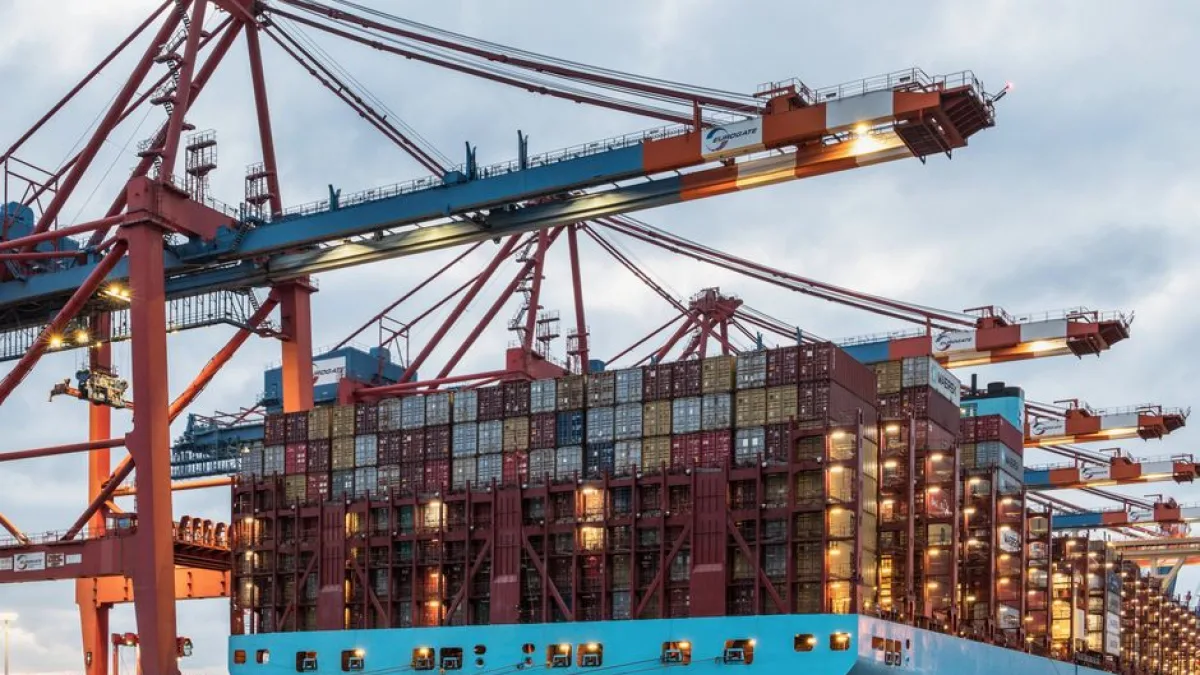
Effective collaboration with ocean carriers is essential for securing space and negotiating favorable rates during periods of high demand. Maintaining strong digital connections with your carrier network ensures that you have the agility to pivot when global market conditions fluctuate unexpectedly.
- Integrated Booking Systems: Connect your software directly to carrier platforms to request space and confirm bookings instantly, bypassing the delays associated with manual email exchanges or phone calls.
- Rate Management Tools: Organize all your carrier contracts in a digital repository to quickly compare spot rates and contract pricing for every specific trade lane you service.
- Digital Communication Channels: Utilize dedicated messaging platforms for carrier interactions to ensure that all negotiations and special instructions are documented and easily retrievable for future reference needs.
- Performance Analytics Dashboards: Analyze carrier reliability and transit time data to make informed decisions about which shipping lines provide the best value for your specific cargo requirements.
Building a digital bridge to your ocean carrier partners transforms how you handle capacity. Instead of reacting to space shortages, you can use predictive data to plan your booking cycles more effectively. This systematic approach reduces the stress of last-minute logistics and strengthens your negotiating position. When you become easier to work with, carriers are more likely to support your needs during peak season.
Maximizing Operational Profitability
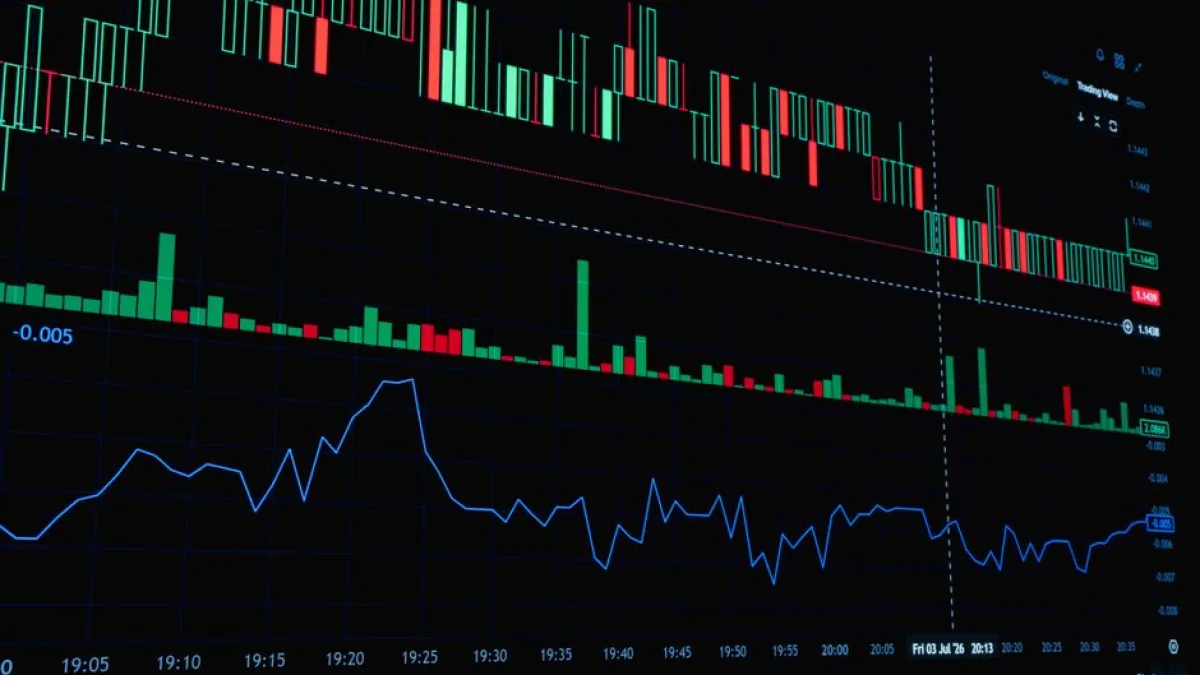
Profitability in ocean freight hinges on your ability to control costs while maintaining high service standards. Data-driven insights allow you to identify inefficiencies in your supply chain and adjust your strategy to protect your margins in a highly volatile pricing environment.
- Cost Analysis Reporting: Generate detailed reports on every shipment to identify where expenses are exceeding projections and find opportunities for better cost management across your entire business.
- Margin Optimization Tools: Use software to monitor your freight margins in real-time so that you can adjust pricing strategies quickly based on current market trends and demand.
- Automated Invoice Reconciliation: Match carrier invoices against your bookings automatically to catch overcharges or errors before you make payments, ensuring that you only pay for services rendered correctly.
- Resource Allocation Mapping: Analyze which employees or teams are spending the most time on specific tasks to optimize your internal staffing levels and improve overall company productivity.
Financial clarity is the cornerstone of a successful freight forwarding business. When you have access to clear performance metrics, you can make decisions that protect your bottom line rather than relying on guesswork. By tightening your internal financial controls and automating the mundane billing processes, you ensure that your firm remains profitable regardless of the cyclical nature of the global ocean freight shipping market.
Conclusion
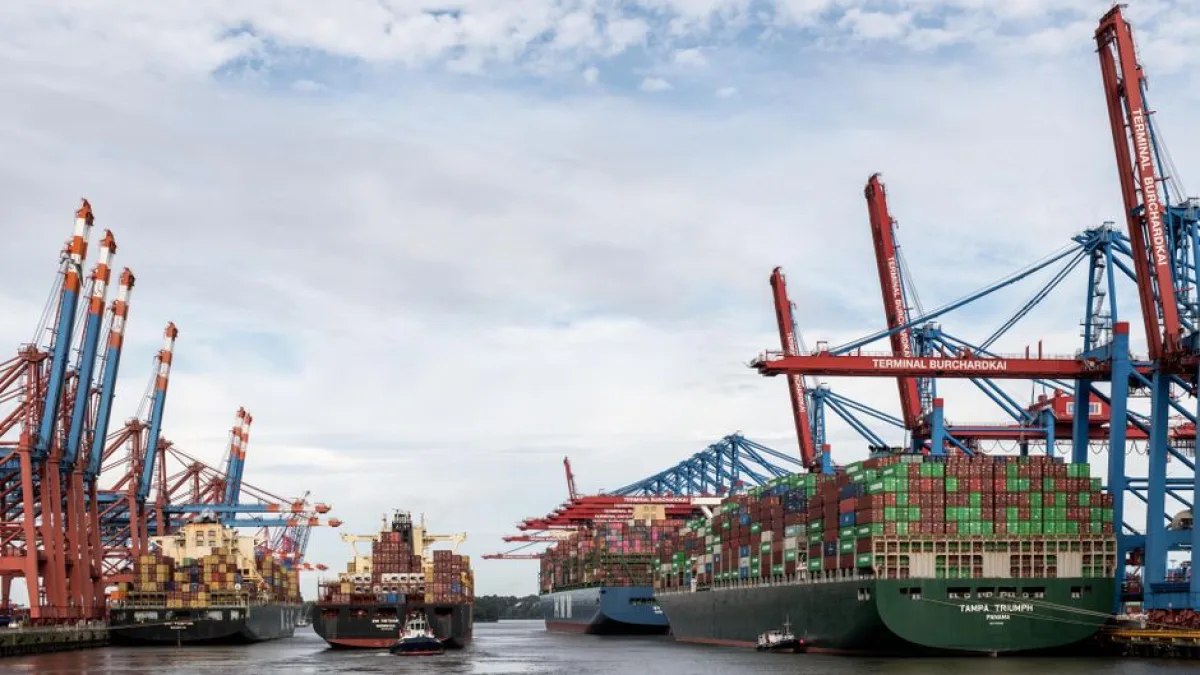
Modernizing your ocean freight operations is no longer a luxury but a fundamental necessity for survival and growth. By integrating digital tools for documentation, tracking, collaboration, and financial analysis, you position your firm to outperform competitors. Start evaluating your current software stack today to identify areas for improvement. Contact the MakeCargo team to discover how our cloud platform streamlines your freight forwarding business operations.