Optimizing Ocean Freight Operations in a Digital Era
Monday, September 28 2026
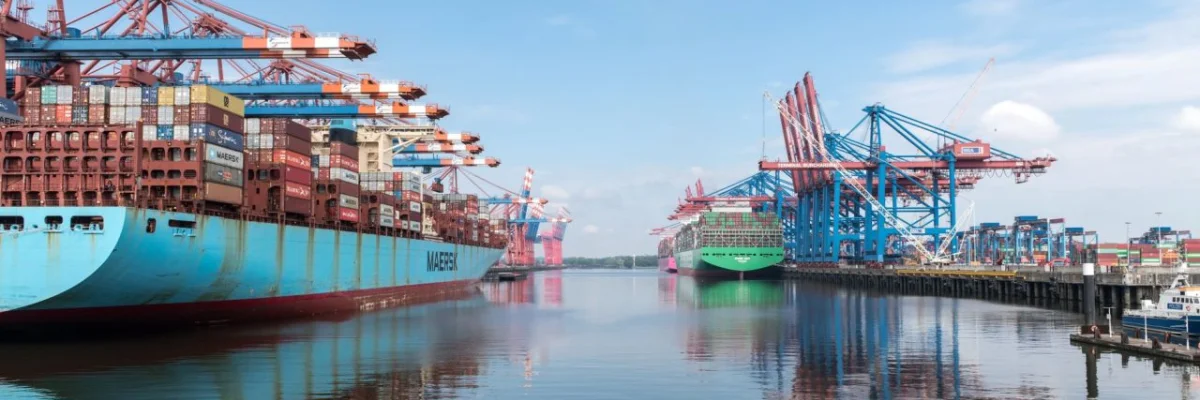
The global shipping industry is currently navigating a period of unprecedented transformation as traditional manual processes collide with the urgent need for digital acceleration. Freight forwarders are increasingly tasked with managing complex logistics networks while maintaining high service standards despite volatile market conditions and unexpected port congestions. Leveraging cloud-based technology has moved from a strategic advantage to a survival necessity for firms looking to scale efficiently. By integrating automated workflows, real-time visibility, and data-driven decision tools, forwarders can reclaim time spent on administrative tasks and focus on delivering genuine value to their clients in an evolving international market.
Mastering Port Logistics
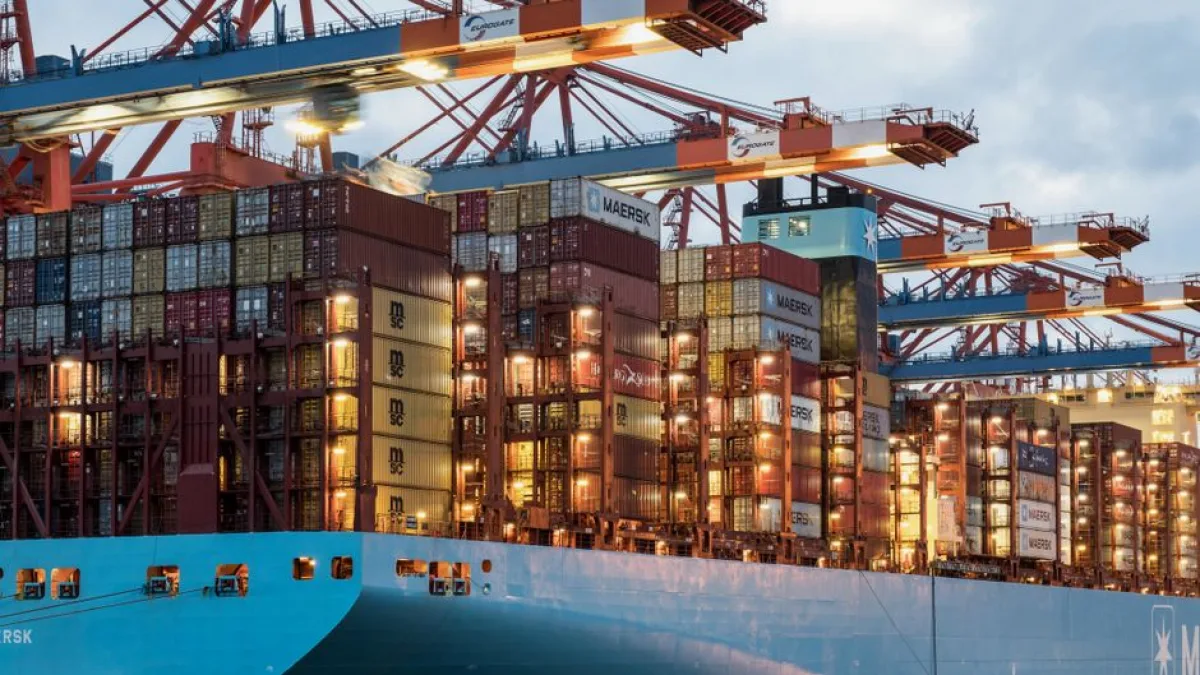
Efficient management of port operations is the heartbeat of any successful ocean freight strategy. Coordinating arrivals, container handling, and inland transport requires precise timing and communication between carriers, agents, and ground teams to prevent costly bottlenecks and operational delays.
- Automated Gate Tracking: Real-time updates on container entry and exit points ensure that your team stays informed about cargo status without needing to manually verify every single movement.
- Effective Queue Management: Smart software solutions help forwarders identify potential congestion at terminals early, allowing for proactive rerouting of shipments to secondary ports to save valuable time.
- Enhanced Load Planning: Advanced digital tools enable better configuration of container space, ensuring that every shipment is packed efficiently to minimize costs and maximize available capacity.
- Real-time Carrier Sync: Integration with port authorities provides instantaneous data regarding vessel arrivals, drastically reducing the uncertainty that usually surrounds maritime transport and international terminal scheduling.
By shifting away from legacy spreadsheet systems toward integrated software platforms, forwarders gain a transparent view of the entire supply chain. This transparency reduces human error and eliminates the friction typically found during handover stages. When your team has immediate access to critical port data, they can make informed decisions quickly, ensuring that customer expectations are met even when port environments are exceptionally challenging.
Streamlining Documentation Workflows

Documentation remains the most time consuming aspect of international shipping, often involving multiple parties and complex regulatory requirements. Modern freight platforms simplify these tasks by digitizing paperwork and ensuring accuracy throughout the entire lifecycle of the ocean shipment process.
- Digital Bill Lading: Switching to electronic versions of essential shipping documents accelerates the billing cycle and ensures that all stakeholders have simultaneous access to verified information.
- Regulatory Compliance Automation: Built-in checks automatically alert staff if documentation fails to meet regional customs standards, preventing expensive fines and long delays at international borders.
- Cloud Document Storage: Keeping all files in one centralized location allows for instant retrieval, which is critical during audits or when resolving disputes with shipping carriers.
- Automated Data Entry: Optical character recognition technology minimizes the risk of manual typing errors, ensuring that manifests and invoices are always accurate and consistent throughout workflows.
Adopting a digital-first approach to documentation removes the burden of administrative redundancy that plagues many logistics companies. Your staff can spend less time hunting for lost papers and more time focusing on client relationships or complex problem solving. Streamlined document management provides a competitive edge, allowing your firm to handle higher volumes of freight without requiring additional personnel to manage repetitive clerical tasks.
Improving Shipment Visibility
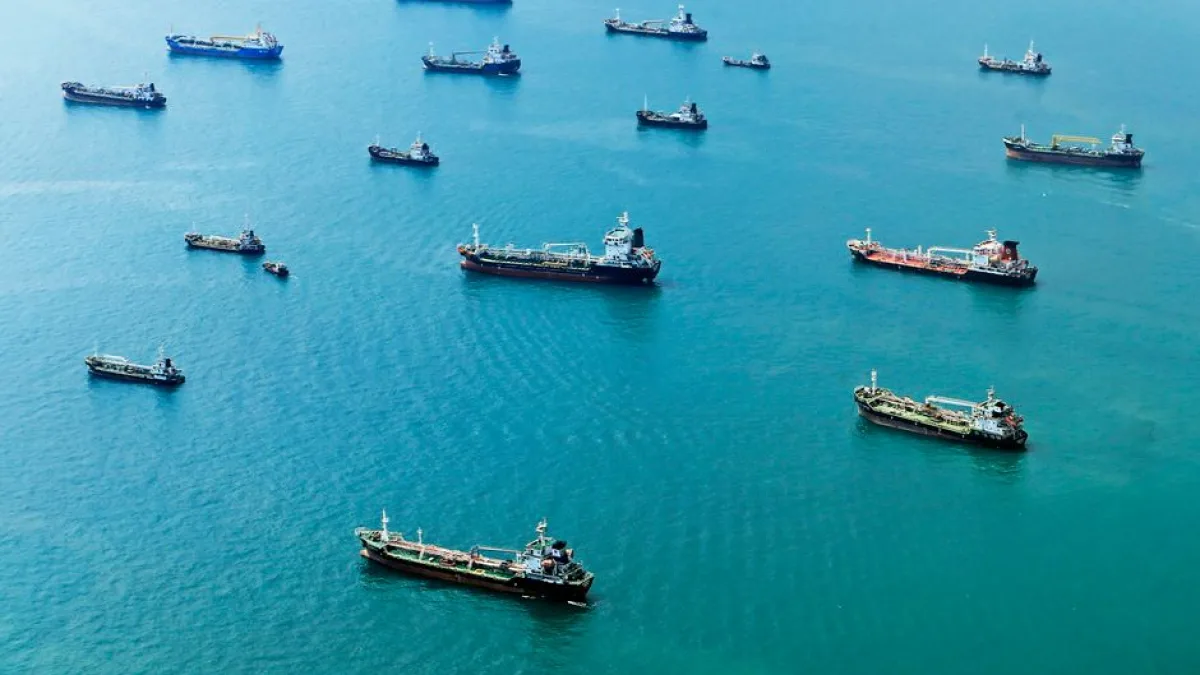
Providing clients with live tracking information is no longer optional in today's market. Shippers expect instant updates on their container locations, and providing this level of visibility requires robust connectivity with global shipping lines and satellite tracking systems.
- Live Tracking Maps: Interactive visual interfaces allow both the forwarder and the end client to view vessel positions in real time, enhancing trust and professional accountability.
- Exception Alerts System: Automated notifications trigger immediately if a vessel deviates from its route or misses a connection, allowing for rapid communication and alternative planning.
- Custom Client Portals: Giving customers direct access to their own tracking dashboards reduces the volume of support tickets and inquiries directed at your internal logistics team.
- Historical Performance Data: Analyzing past shipping routes helps forwarders predict future delays and choose carriers that provide the most reliable service levels for specific regions.
Visibility serves as the foundation of client satisfaction in the logistics sector. When you provide accurate, timely information, you position your firm as a transparent partner rather than just a service provider. Digital visibility tools allow for proactive service recovery, meaning you can address potential issues before they escalate into major problems, ultimately improving client retention and long term business growth.
Leveraging Freight Data Analytics

Data is the most valuable asset in the modern freight industry. By analyzing historical shipment patterns and current market trends, freight forwarders can optimize their procurement strategies and identify new opportunities for cost savings and improved operational efficiency.
- Trend Analysis Reporting: Identifying seasonal fluctuations in shipping demand allows forwarders to negotiate better rates with carriers in advance, significantly improving overall profit margins per shipment.
- Carrier Performance Metrics: Benchmarking different shipping lines against their promised transit times helps forwarders select the best partners to ensure consistent, reliable service for their clients.
- Cost Variance Analysis: Monitoring expenses related to fuel surcharges and demurrage fees reveals hidden costs, enabling management to make data-backed adjustments to service pricing strategies.
- Predictive Capacity Planning: Using historical volume data helps firms forecast peak periods, ensuring they secure enough space on vessels well ahead of the anticipated market crunch.
Data analytics transforms raw numbers into actionable business intelligence that drives success. By understanding the deeper mechanics of your logistics operations, you can identify which routes are most profitable and which processes require optimization. Moving beyond gut feelings to evidence-based management allows freight forwarders to thrive in a volatile market while constantly improving their service offerings and increasing total operational profitability.
Conclusion

Success in ocean freight depends on embracing the tools that bridge the gap between complexity and clarity. By digitizing port logistics, documentation, visibility, and data analytics, forwarders can unlock significant operational efficiencies. As the industry continues to evolve, those who invest in cloud-based technology will remain ahead of the curve. Start refining your freight forwarding processes today to build a more resilient and profitable logistics business.