Optimizing Ocean Freight Operations for Modern Freight Forwarders
Monday, September 28 2026
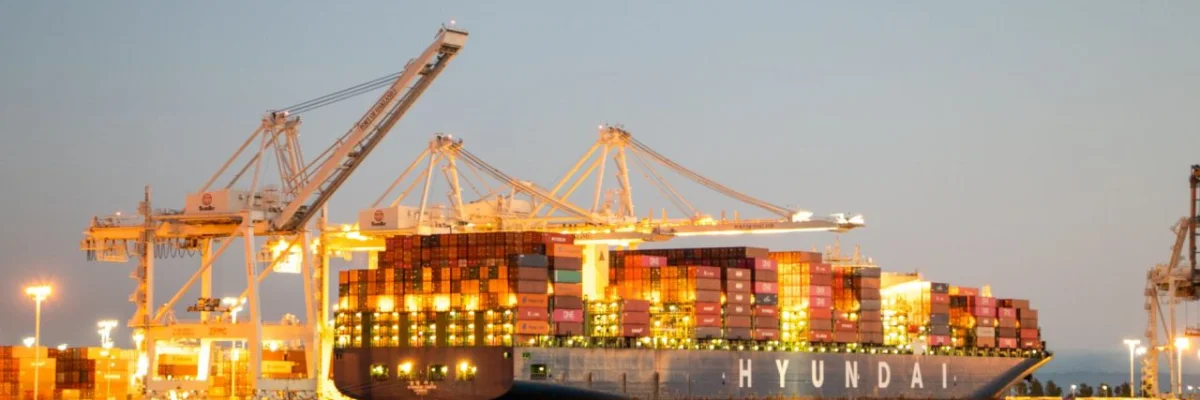
The global ocean freight industry is navigating a complex landscape defined by shifting trade routes and increasing demands for digital transparency. Freight forwarders are currently facing pressure to abandon manual legacy systems in favor of integrated cloud platforms that provide real-time visibility. By leveraging data-driven insights and automated workflows, logistics providers can effectively mitigate supply chain disruptions while enhancing service delivery for their clients. Embracing technological innovation is no longer just a competitive advantage, it is a fundamental requirement for operational survival and sustained growth within the volatile international shipping market during this period of digital transformation.
Strategic Capacity Planning
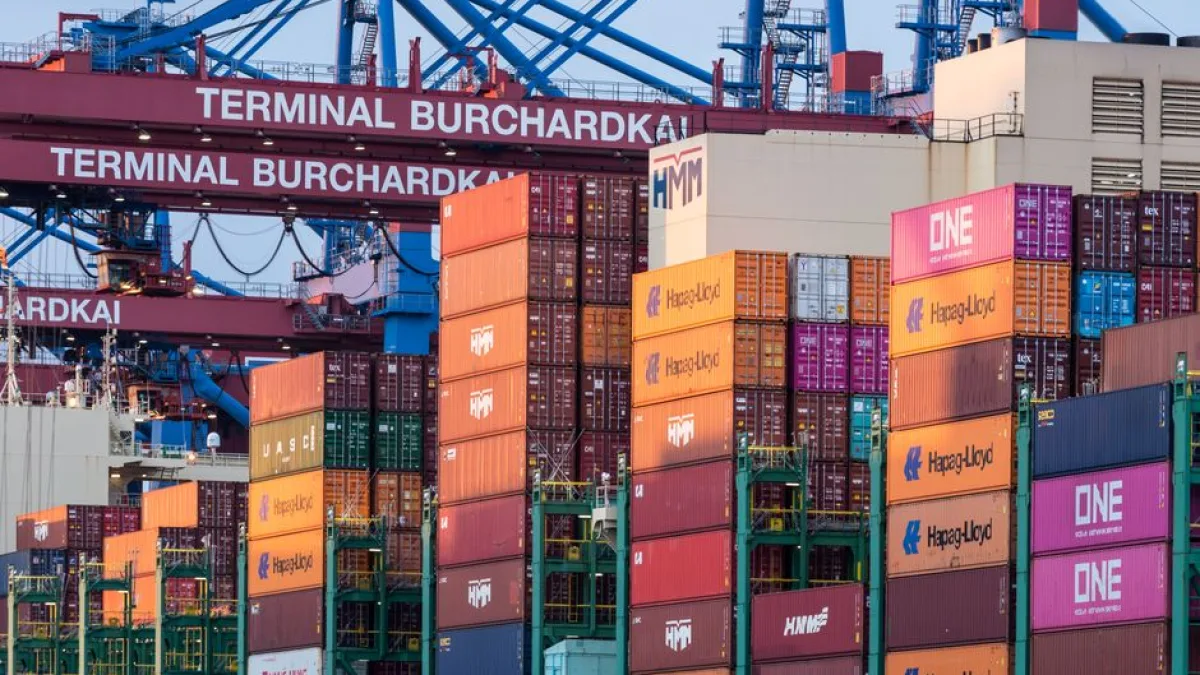
Effective capacity management begins with understanding port congestion levels and vessel schedules. Forwarders who utilize sophisticated software tools can predict bottleneck events before they occur, allowing for proactive adjustments to routing and carrier selection to ensure cargo arrives on schedule.
- Automated Booking Flows: Streamlining the booking process reduces administrative errors and ensures that volume commitments are met efficiently across multiple ocean carriers while maintaining consistent data integrity for every shipment.
- Carrier Performance Tracking: Monitoring carrier reliability data enables forwarders to identify high-performing partners, helping them allocate cargo to vessels with the best historical records for timely departures and arrivals.
- Real-time Capacity Insights: Accessing live availability data across global trade lanes allows operations teams to secure container space during peak periods without relying on slow manual email communications.
- Dynamic Route Optimization: Advanced algorithms analyze transit times and bunker surcharges to suggest the most cost-effective shipping paths, significantly reducing unnecessary expenditures for both the forwarder and the shipper.
Optimizing how you manage capacity provides a clear competitive edge in a crowded market. When teams move away from fragmented spreadsheets and transition into unified cloud interfaces, they gain the ability to make rapid decisions that preserve margins. Continuous monitoring of global capacity trends transforms your operations from reactive fire fighting into a proactive service model that consistently delights your shipping customers every single day.
Digital Documentation Efficiency

Paperwork remains a significant bottleneck in maritime logistics, often causing costly delays at customs checkpoints. Digitizing bills of lading and commercial invoices minimizes human error, accelerating the clearance process and ensuring all compliance requirements are met swiftly across international borders.
- Electronic Document Management: Centralizing all shipping documentation in a secure cloud repository eliminates the risk of lost files and provides instant access for authorized team members or partners.
- Automated Compliance Checks: Integration with customs authorities ensures that all required filings are verified against current regulations, preventing potential fines or unexpected cargo holds at destination ports.
- Standardized Data Entry: Using smart templates for recurring shipments ensures consistency in documentation, reducing the time spent on repetitive tasks by the operations team during peak seasons.
- Instant Client Sharing: Secure portals allow shippers to download their own documentation instantly, reducing the volume of status request emails handled by your customer service staff daily.
Moving toward a paperless workflow is the ultimate goal for modern freight forwarders seeking to scale their businesses. By digitizing documentation, you reduce overhead costs while simultaneously improving the accuracy of your information flow. Clients appreciate the speed of electronic processing, which directly translates into higher retention rates and a stronger reputation for reliability in the competitive global trade environment today.
Enhanced Shipment Visibility
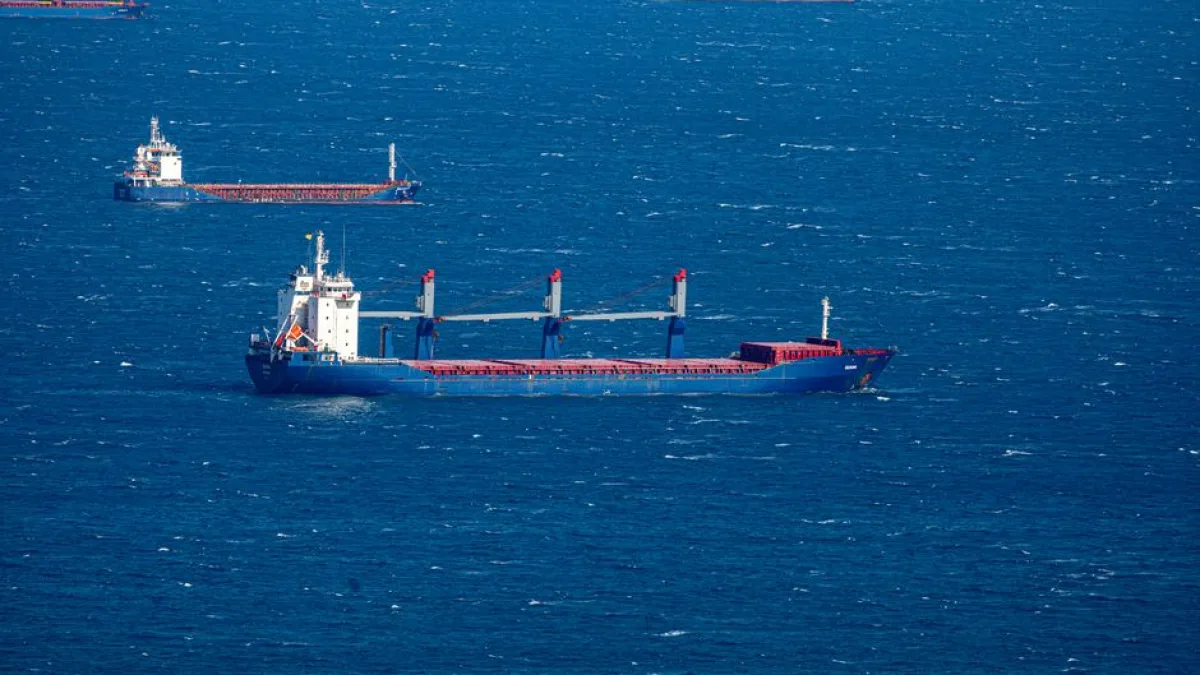
Visibility is the primary currency of modern logistics management. Clients expect precise tracking updates from the point of origin to the final warehouse destination, making real-time GPS data and vessel position monitoring essential tools for maintaining trust and operational transparency.
- Live Tracking Integration: Connecting directly to vessel AIS data feeds provides accurate arrival and departure times, ensuring that clients are always informed about their specific cargo status updates.
- Exception Management Alerts: Automated systems notify staff immediately when a delay occurs, allowing for rapid communication with the customer before they have to ask about their shipment.
- Milestone Automation Tools: Configuring custom milestone triggers ensures that stakeholders receive notifications at key transition points, fostering proactive communication without requiring significant manual effort from internal staff.
- Dashboard Analytics Views: Visual representation of active shipments allows managers to identify patterns of delay and improve supply chain flow through better decision-making based on historical data.
Providing deep visibility into the supply chain helps build long-term loyalty with your clients. When shippers feel confident in their ability to track cargo, they are more likely to entrust you with higher volumes. By utilizing cloud-based dashboards, your team remains organized and accountable for every container in transit. This level of clarity separates top-tier forwarders from those still relying on fragmented status updates.
Financial Operational Management

Profitability depends on how well you manage complex financial structures like spot rates and fluctuating fuel surcharges. Integrating financial modules directly into your freight management system ensures that every cost is accounted for and billed correctly to maintain healthy profit margins.
- Automated Freight Invoicing: Generating accurate invoices based on actual shipping data ensures that clients are billed correctly, which reduces payment disputes and accelerates your overall accounts receivable cycle.
- Dynamic Cost Tracking: Monitoring ancillary charges such as port fees and demurrage in real-time prevents profit leakage, allowing your team to recover costs that are frequently overlooked during.
- Currency Conversion Automation: Managing international payments requires precision in exchange rate calculations to avoid discrepancies, which is automated through integrated systems to ensure accurate financial reporting every time.
- Financial Reporting Insights: Detailed analytics on revenue per route help management identify the most profitable trade lanes, guiding strategic growth decisions for the company based on actual performance.
Financial discipline is the backbone of any successful freight forwarding business. By automating your billing and cost management processes, you free up your finance team to focus on strategic growth rather than tedious reconciliations. Accurate data leads to better financial health and helps you maintain competitive pricing without sacrificing the quality of your services. Streamline your finances today to secure your future growth.
Conclusion
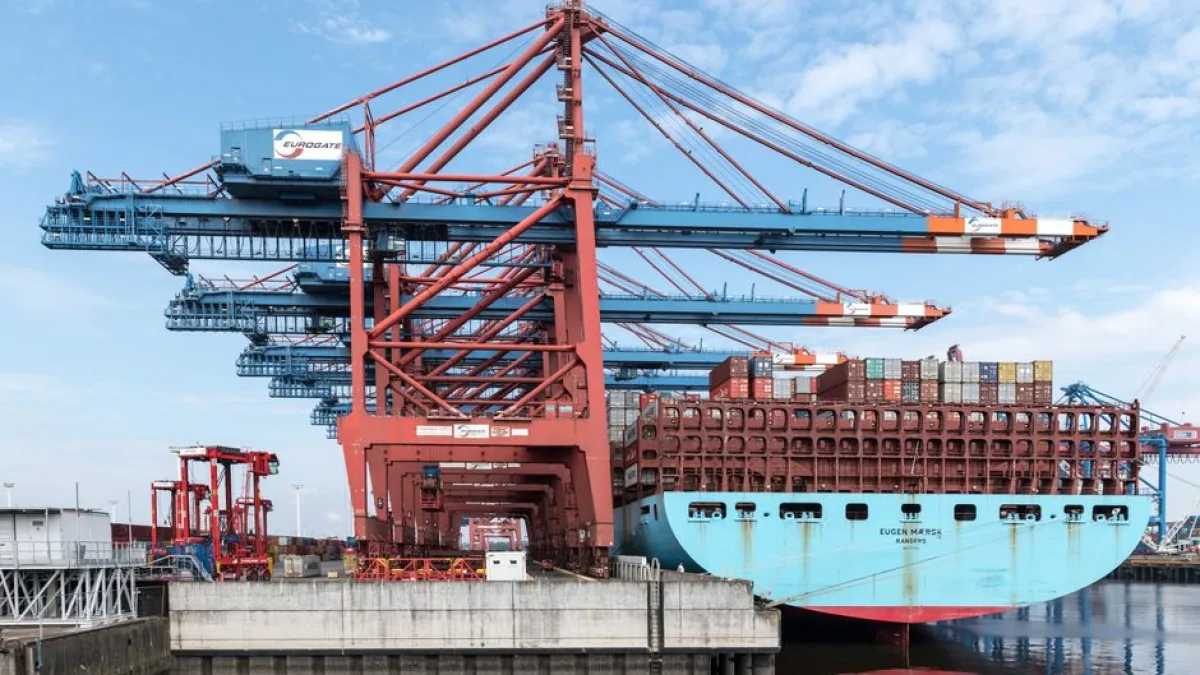
Transforming your ocean freight operations requires a commitment to digital tools that enhance visibility and efficiency. By embracing cloud-based platforms, forwarders can eliminate manual errors, reduce operational costs, and deliver superior service to their clients. MakeCargo provides the integrated solutions needed to navigate the complexities of global trade. Start your digital transformation journey today and position your freight forwarding business for long-term success in the industry.