Optimizing Ocean Freight Operations in a Digital Era
Tuesday, September 29 2026

The global shipping industry is currently navigating a period of unprecedented complexity, where geopolitical instability and volatile supply chains demand higher levels of operational agility. Freight forwarders are increasingly pivoting away from manual processes to cloud-based solutions to maintain competitive advantages. By integrating real-time visibility, automated documentation, and centralized data management, forwarders can better manage port congestion and fluctuating carrier capacity. This article explores essential strategies for modernizing your ocean freight business, ensuring that your team remains resilient while delivering superior service to clients in a fast-paced market that requires constant innovation and precision at every single step.
Mastering Carrier Capacity Management
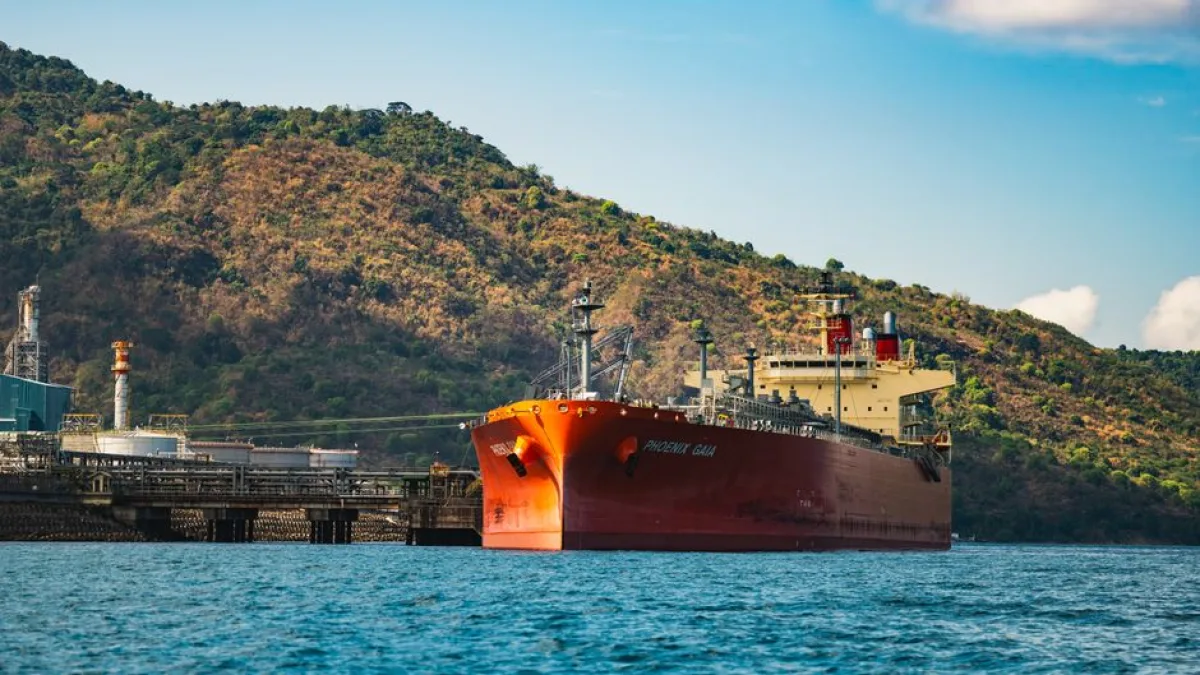
Effective capacity management is the backbone of successful ocean freight logistics. By leveraging real-time carrier data, forwarders can predict space constraints and secure allocations before market rates surge, providing clients with reliable shipping schedules and avoiding unexpected operational delays at ports.
- Advanced Data Analytics: Utilize predictive modeling to forecast volume requirements across major trade lanes, allowing your team to negotiate better rates and secure vital space during peak seasonal shipping periods.
- Carrier Integration Tools: Connect your platform directly with major shipping lines to receive automated updates on vessel schedules, ensuring your logistics coordinators always have the latest departure and arrival data.
- Dynamic Allocation Monitoring: Implement automated alerts that track your monthly capacity utilization, helping you identify underused space or potential shortages before they escalate into costly logistics bottlenecks for your shippers.
- Vendor Relationship Management: Centralize communication with carriers in a unified dashboard to improve negotiation power, foster stronger partnerships, and ensure priority handling during periods of significant global port congestion.
Securing reliable capacity serves as the foundation for long-term growth and client trust. When you proactively manage your shipping space, you minimize the risk of rolled cargo and schedule disruptions. Implementing digital tools allows your team to move away from reactive firefighting, shifting the focus toward strategic planning. This proactive approach ultimately enhances your reputation as a dependable partner within the complex global maritime supply chain.
Streamlining Essential Documentation

Automating complex documentation is critical for reducing errors and accelerating the customs clearance process. By digitizing bills of lading and commercial invoices, forwarders save countless hours, minimize risks associated with manual data entry, and improve overall operational transparency for all stakeholders involved.
- Automated Data Entry: Deploy optical character recognition technology to extract information from scanned shipping documents, significantly reducing manual typing errors and freeing your staff to focus on high-value account tasks.
- Unified Document Repository: Maintain a secure cloud-based library where all digital shipping documents are stored and accessible, ensuring that compliance teams have instant access to necessary records during audits.
- Compliance Error Checks: Utilize automated validation software to screen cargo documents for discrepancies against international trade regulations, preventing customs delays and avoiding costly fines for your company and clients.
- Electronic Signature Integration: Streamline the approval process by utilizing secure e-signature tools, which allow stakeholders to sign bills of lading and other vital contracts remotely without any physical paper trail.
Digital transformation of documentation processes drastically improves the speed and accuracy of your daily operations. By removing bottlenecks related to physical paperwork, you enable faster cargo release times and smoother handovers at ports. Investing in a cloud-based document management system ensures that every team member has access to the most accurate information. This transition is essential for scaling your business efficiently in today's digital market.
Enhancing Real-Time Cargo Visibility
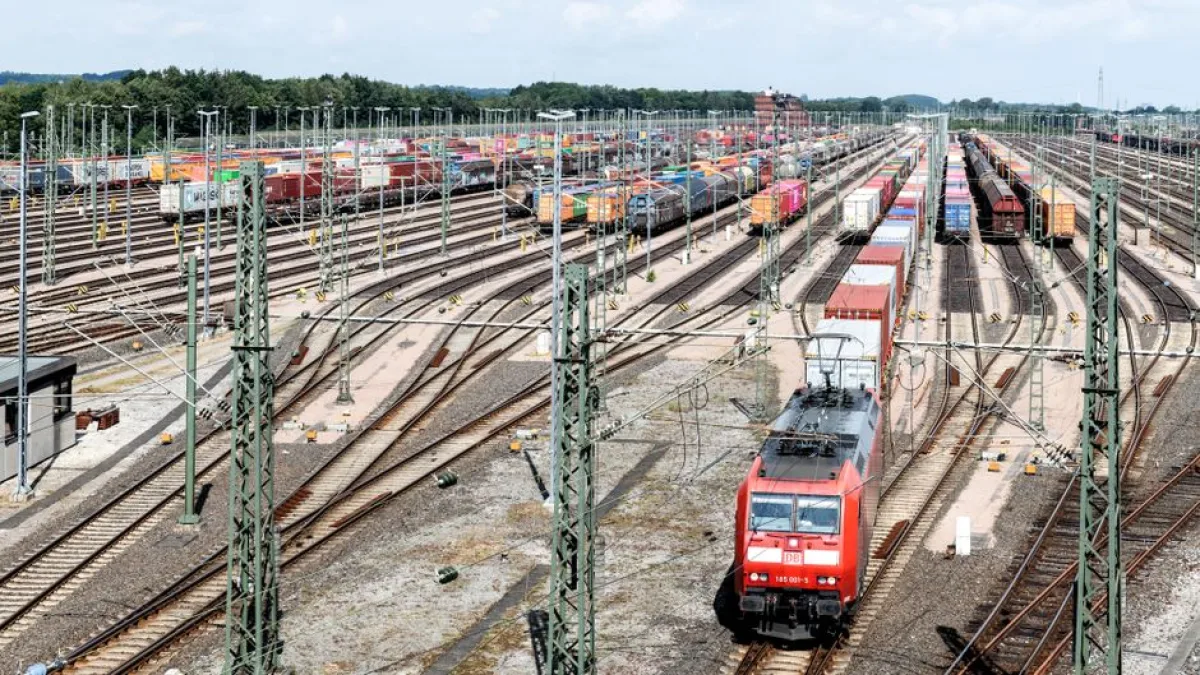
Real-time visibility acts as the core differentiator for modern freight forwarders. Providing clients with accurate, live updates regarding container status builds immense confidence and allows for immediate problem solving when shipments encounter unexpected delays due to weather or port strikes.
- Live Tracking Dashboards: Implement GPS-enabled visibility tools that feed directly into your client portal, allowing shippers to monitor their freight locations from origin warehouses to final delivery destinations today.
- Predictive Delay Alerts: Configure automated notifications for shippers whenever a vessel deviates from its projected route, enabling your team to offer proactive solutions before the client even asks questions.
- Milestone Event Updates: Track key shipping milestones automatically, ensuring that clients receive timely notifications regarding vessel departure, transit progress, and confirmed arrival times at all intermediate transfer ports.
- Customer Transparency Portals: Create dedicated self-service portals where clients can view their own shipment histories, documents, and live status reports, reducing the burden on your support team via email.
Transparency is no longer an optional luxury but a core customer requirement in ocean freight. By giving clients the tools to track their cargo independently, you reduce administrative overhead while simultaneously increasing satisfaction. When problems occur, having visibility allows you to communicate effectively and provide clear solutions. This level of clarity helps maintain strong, long-term relationships with customers who demand constant information access.
Leveraging Automated Financial Workflows

Financial health depends on the speed and accuracy of your invoicing and accounting processes. Automating freight invoicing and payment reconciliation minimizes payment gaps, improves cash flow stability, and provides clear insights into the profitability of every specific ocean freight shipment managed.
- Integrated Billing Engines: Generate invoices automatically as soon as shipment milestones are met, ensuring that your billing cycle remains aligned with actual cargo movement rather than manual administrative tasks.
- Payment Reconciliation Tools: Match incoming carrier invoices against customer billing records automatically, identifying discrepancies early and preventing potential revenue leakage within your complex ocean freight accounting department operations.
- Profitability Analysis Reports: Access real-time reporting features that calculate the net margin of every shipment, enabling you to identify which trade lanes or clients are the most profitable ones.
- Currency Conversion Management: Automate the handling of multi-currency transactions to ensure accurate financial reporting, reducing errors associated with fluctuating exchange rates during international freight transactions and billing processes.
Efficient financial operations keep your logistics business running smoothly while providing the liquidity needed for further investment. Automated workflows eliminate the manual drudgery of matching invoices, allowing your finance team to spend time on strategic financial planning instead. By maintaining a crystal-clear view of your margins, you can make informed decisions about your service offerings. A stable financial foundation is vital for your success.
Conclusion

Transforming your ocean freight operations requires a combination of smart technology and strategic focus. By prioritizing capacity management, document automation, cargo visibility, and financial workflows, you position your business for success. Start small by auditing your existing manual processes and identifying the highest impact areas for digital integration. Embrace these modern tools to reduce costs, improve service levels, and scale your global operations effectively today.