Optimizing Ocean Freight Operations in a Digital Era
Wednesday, September 30 2026

The global shipping landscape is undergoing a massive transformation driven by rapid technological advancements and fluctuating market demands. Freight forwarders are currently facing pressure to enhance transparency and improve delivery times while managing complex supply chain disruptions. By embracing sophisticated cloud-based software, logistics companies can effectively bridge the gap between traditional operations and modern customer expectations. Mastering the intricacies of ocean freight management requires a strategic approach to data handling and partner collaboration. As we navigate these challenges, adopting digital tools becomes essential for maintaining a competitive edge and driving long-term profitability in an increasingly volatile international trade environment.
Streamlining Booking Processes
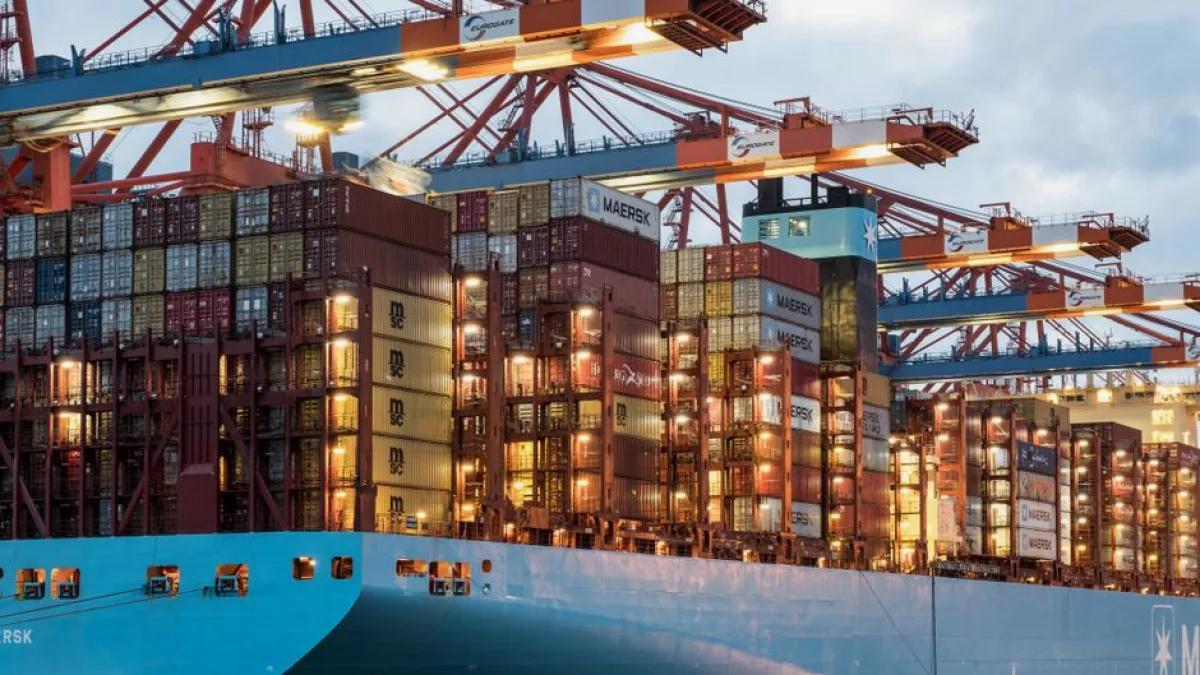
Automating the booking procedure reduces manual entry errors and saves significant time for your logistics team. When you integrate digital platforms with carrier schedules, you ensure that booking confirmations are received instantly while optimizing capacity utilization across all available shipping lanes.
- Automated Rate Management: Centralize your carrier rate sheets into a single digital database to ensure that every team member has immediate access to accurate, up-to-date pricing information for quotes.
- Instant Booking Requests: Utilize direct API integrations with ocean carriers to transmit shipment instructions instantly, which minimizes the reliance on outdated manual emails and paper based documentation processes.
- Dynamic Schedule Tracking: Monitor real time vessel schedules to proactively adjust your booking strategies whenever carrier deviations or port congestion issues threaten your planned delivery timelines and commitments.
- Capacity Utilization Analysis: Review your historic booking data to identify patterns in space usage, allowing your team to negotiate better volume contracts with carriers during peak shipping seasons.
By shifting away from fragmented email chains toward integrated booking solutions, freight forwarders gain a clearer perspective on their operational efficiency. This digital maturity not only speeds up the administrative workload but also empowers your staff to provide more reliable service to customers. Transitioning to a unified platform ensures that every shipment is handled with precision and speed, ultimately fostering deeper trust with your global partners.
Enhancing Container Visibility

Real time tracking provides shippers with critical updates regarding the location and status of their cargo during transit. Modern visibility platforms allow forwarders to monitor multiple carrier movements from one interface, significantly improving communication standards with every stakeholder involved today.
- GPS Tracking Integration: Connect your internal software with satellite tracking data to provide clients with precise container coordinates, reducing the frequency of status inquiry calls to your office.
- Milestone Event Alerts: Configure automated notifications that trigger updates when containers reach key ports, ensuring that your team and customers are always informed about potential arrival delays.
- Geofencing Alert Systems: Utilize advanced mapping technology to define specific arrival zones, which automatically updates the system status when a vessel enters or leaves a designated port area.
- Carrier Portal Synchronization: Aggregate data from disparate carrier websites into a single view, creating a comprehensive dashboard that displays the entire lifecycle of an international shipment journey.
Visibility serves as the backbone of modern freight forwarding because it turns reactive problem solving into proactive management. When your team can anticipate delays before they impact the final delivery, you position your agency as an indispensable asset to your clients. Investing in visibility tools is not just about technology but about building a reputation for reliability in a complex global market.
Optimizing Documentation Workflows
Managing complex international paperwork remains one of the most time consuming aspects of ocean freight logistics today. Digital document management systems enable secure storage and rapid retrieval, ensuring that bills of lading and customs forms are processed without delays.
- Cloud Document Storage: Maintain a secure, centralized digital repository where all shipping documents are filed and organized, enabling your remote teams to access critical files from anywhere.
- Automated Data Extraction: Use artificial intelligence to extract relevant information from scanned invoices and packing lists, which eliminates repetitive manual data entry tasks for your office staff.
- Secure Sharing Portals: Enable clients and partners to download necessary documents via protected portals, which reduces the security risks associated with sending sensitive files through unencrypted email.
- Compliance Error Detection: Run automated validation checks on all outgoing customs documentation to identify discrepancies before submission, which significantly lowers the risk of heavy government agency fines.
Efficient documentation is the secret to avoiding costly delays at customs and port facilities around the world. By digitizing your workflow, you create a standard process that minimizes human error and maximizes throughput for every export. This strategic focus on accuracy allows your operations team to handle higher volumes of freight without needing to increase your headcount or overhead costs significantly.
Building Strong Carrier Relationships

Successful ocean freight management relies on the strength of partnerships formed between forwarders and carrier representatives. By leveraging data to demonstrate volume consistency and operational reliability, forwarders can negotiate more favorable terms that benefit their clients and company margins.
- Performance Benchmarking Data: Share transparent performance reports with your carrier partners to evaluate transit time reliability and service quality, which creates a collaborative environment for continuous service improvement.
- Volume Forecasting Tools: Provide carriers with accurate, data driven volume projections for upcoming quarters to help them plan capacity, which often results in priority space during high-demand months.
- Collaborative Dispute Resolution: Use a shared digital platform to document and resolve billing discrepancies or surcharges, fostering a relationship built on transparency rather than conflict over costs.
- Contract Management Systems: Maintain digital records of all carrier agreements to track expiration dates and renewal opportunities, ensuring your agency always benefits from the most competitive rates.
Strong relationships act as a buffer against the unpredictability of the global ocean freight market. When you treat carriers as strategic partners rather than just vendors, you gain access to flexible solutions during times of crisis. Cultivating these connections through data transparency and professional communication will ensure your company remains a preferred partner for carriers, ultimately securing better service for your customers.
Conclusion

The future of ocean freight belongs to those who embrace digital integration and data driven decision making. By automating your bookings, enhancing container visibility, digitizing documentation, and strengthening carrier ties, you position your company for sustainable growth. Start upgrading your operational technology today to deliver superior value to your global clients. Partner with MakeCargo to transform your freight forwarding business for the modern era.